
An electric bike with a solid-state battery and a range of 180 km is setting sales records.
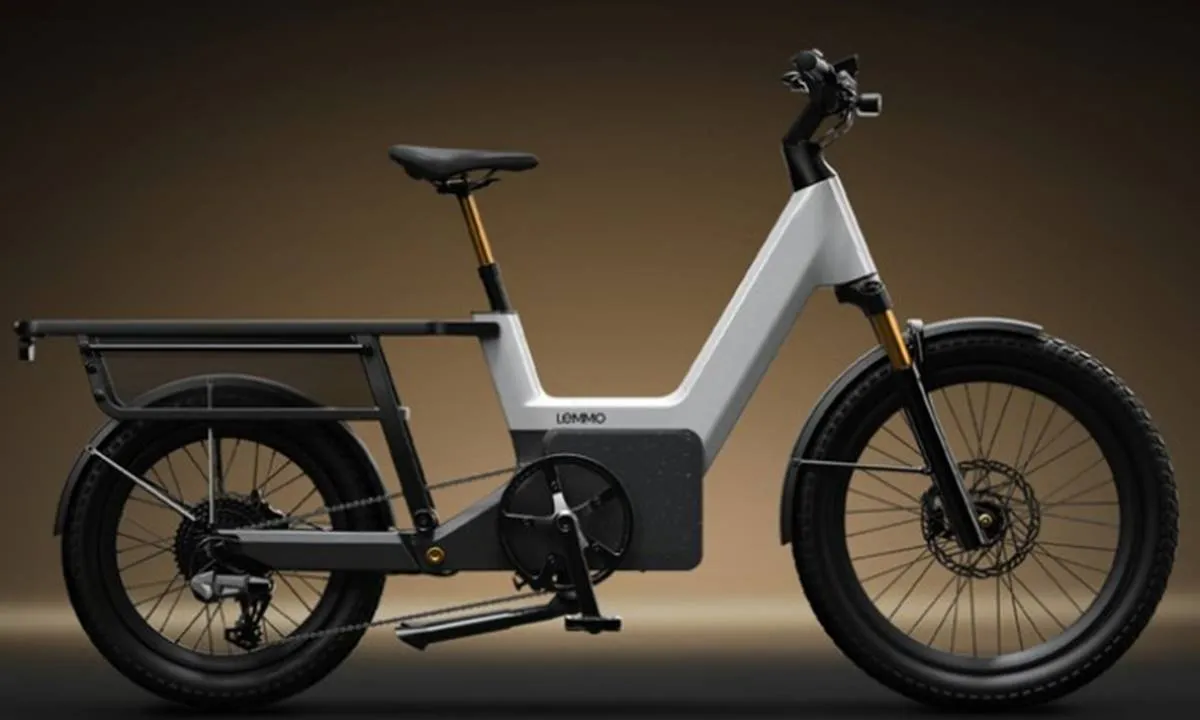
Electric mobility isn’t limited to cars, and bicycles have been an increasingly attractive option for years thanks to advancements in electric systems. They’re not just for sports or adventures but also as a means of transportation for everyday use. One of the most notable examples comes from Germany, where a small company has introduced an electric cargo bike that combines a quite unique aesthetic with technological solutions that until recently seemed reserved for much more expensive models.
This is the Lemmo 3, an electric bike that merges the design of popular fat-tire bikes with the hauling capacity of cargo models. It’s a combination designed for both urban commuting and carrying groceries, transporting luggage, or even replacing the second family car for certain trips.

But what catches attention especially is not just its design. The crowdfunding campaign launched by the Berlin-based company has received an outstanding response, far exceeding initial expectations and approaching one of the highest funding records ever achieved for an electric bicycle on Kickstarter.
The Lemmo 3 is the third model from the German manufacturer, following the urban Lemmo One and the foldable Lemmo Zero. It was unveiled at the end of September and needed to reach a funding target of just 20,000 euros to proceed with its crowdfunding campaign. This amount was far exceeded by the interest from buyers.
Within just one week, the project managed to raise 1.16 million euros, nearly 58 times the initial amount requested. This figure brings it close to the record set in 2015 by Sondors, which raised around 1.35 million dollars with its proposal for wide-wheel electric bikes.
An electric bike with a solid-state battery, 90 Nm of torque, and the capacity to carry 200 kg.
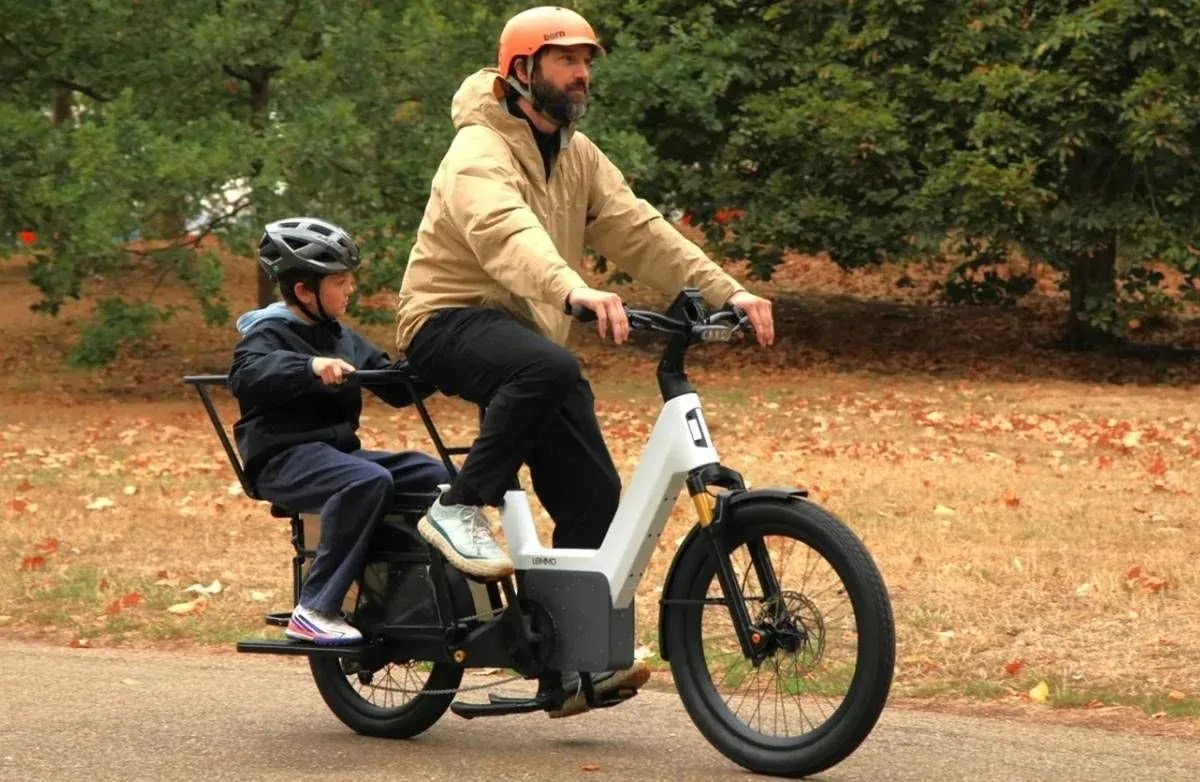
One of the main advantages of the Lemmo 3 is its practical design. It is a longtail bike featuring an extended rear structure that allows for the installation of various accessories and the transport of bulky items. It also comes with wide tires and a suspension system designed to enhance comfort on uneven surfaces.
The frame is designed to support up to 200 kg of load, a figure that significantly expands its potential for use compared to a conventional electric bike. Its design allows it to combine daily commuting with more recreational use, without sacrificing a comfortable riding position or an aesthetic reminiscent of off-road bikes.
On the mechanical side, it features an electric motor that generates 90 Nm of torque with a peak power of 1,200 W. This is a high figure for a bike of this type, especially when it has to climb steep slopes with considerable weight on board. That said, the final specifications of the units destined for Europe and their approval as conventional electric bikes will need to be determined.
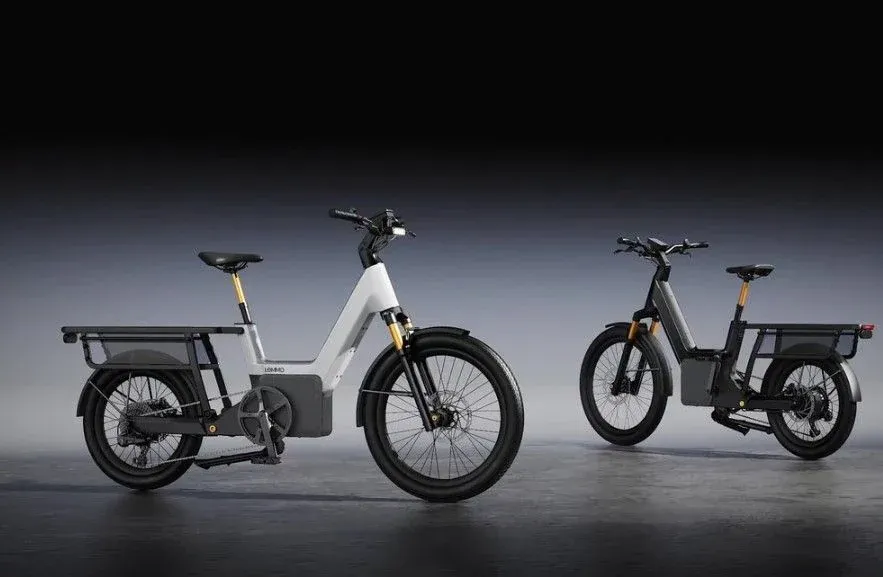
But perhaps the most interesting feature is its battery. Lemmo has opted for a 960 Wh solid-state battery, a technology that is still relatively uncommon in this sector and aims to deliver high energy capacity in a compact format. The available information does not yet clarify what specific advantages it offers over conventional batteries in terms of durability or energy density, but it constitutes a very compelling marketing advantage.
Technology also plays a significant role in the equipment. The Lemmo 3 features an electronic locking system for the battery and frame, an anti-theft alarm, and GPS tracking. It also includes a rear radar to detect approaching vehicles, turn signals, and a combined braking system that allows control of both the front and rear brakes from a single lever.
Another interesting aspect is the option to choose between two transmission configurations. The first uses a 10-speed electronic gearshift developed by One Collab.Ride, while the second features a three-speed automatic transmission paired with the Bafang H732 system. These two options enable riders to tailor the bike to those who prefer manual control of gear shifts or seek easier riding in urban areas.
Regarding price, the Lemmo 3 is available through its financing campaign at a launch price of 2,090 euros for the version with an 10-speed electronic transmission. The automatic transmission variant raises the price to 2,259 euros.
These early-bird prices are quite attractive considering the load capacity, battery size, and the announced technological features. That said, since it is a crowdfunding campaign, buyers should be aware that delivery times and final terms may vary from the initial projections.
The success of the Lemmo 3 also offers an interesting insight. E-bikes for cargo delivery are moving away from being purely professional products or ones intended for a very specific audience. With increasingly capable, well-equipped, and relatively affordable models, they are beginning to become a real alternative for certain trips that we currently still make by car.