
An electric Renault Scenic saves a family from a 30-hour power outage by using only 8% of its battery with V2L.
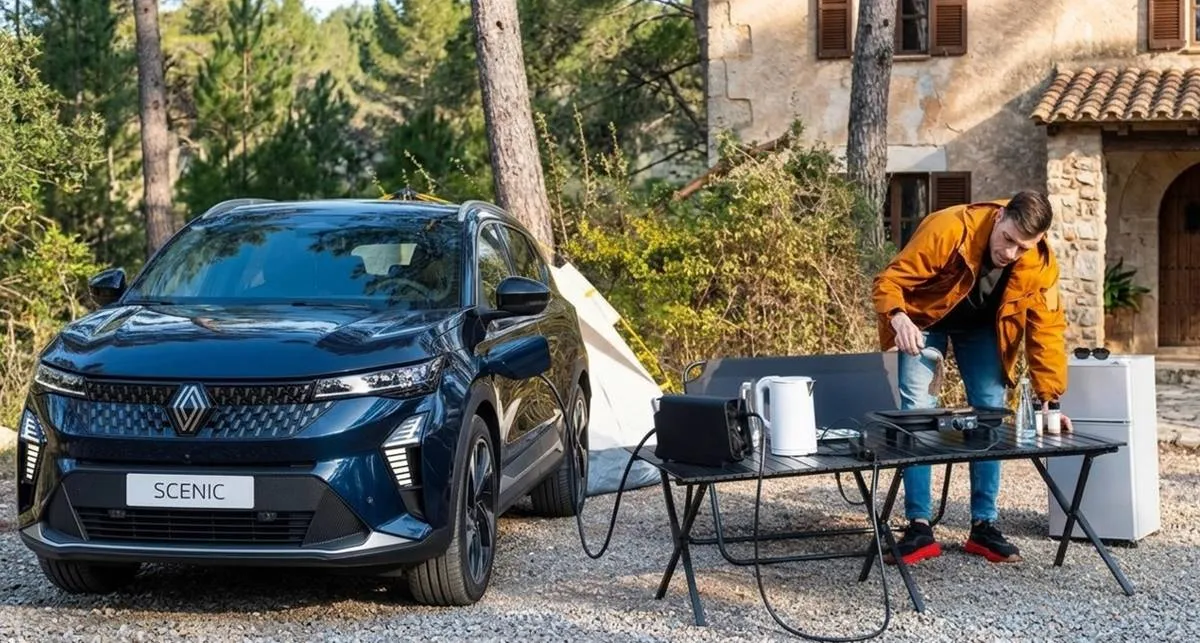
One of the least discussed advantages of electric cars is that their batteries can be used for more than just moving the vehicle. While a gasoline car needs to keep the engine running to generate electricity, an electric car has an energy reserve that can power various devices for hours or even days. Something that seems minor... until it’s needed and saves your life.
That’s exactly what Nick Gibbs, a journalist at Automotive News Europe, experienced during a vacation in northern England. At the end of October, a severe storm caused a power outage that left the home where he was staying with his family without electricity.
What initially seemed like a few-hour outage turned into a 30-hour power outage. But Gibbs, like thousands of Europeans, had a solution parked outside his house: his electric Renault Scenic E-Tech, equipped with V2L technology.
A Renault Scenic turned into an emergency power generator
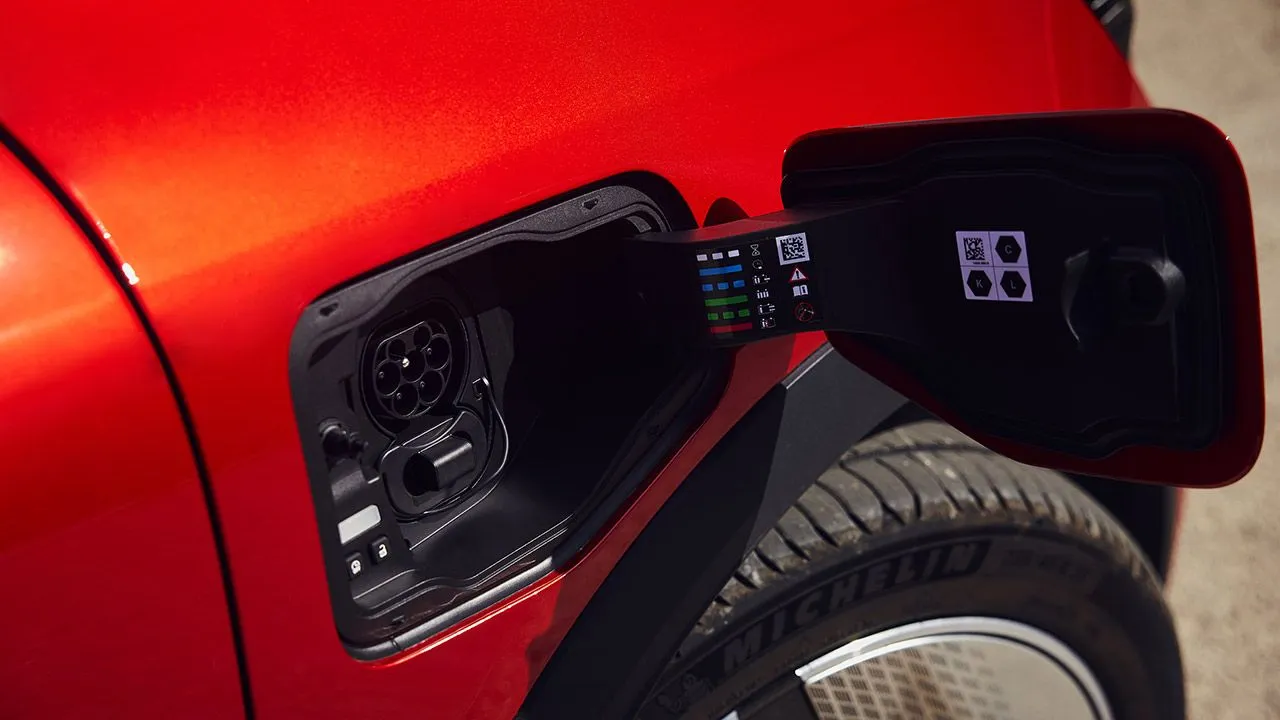
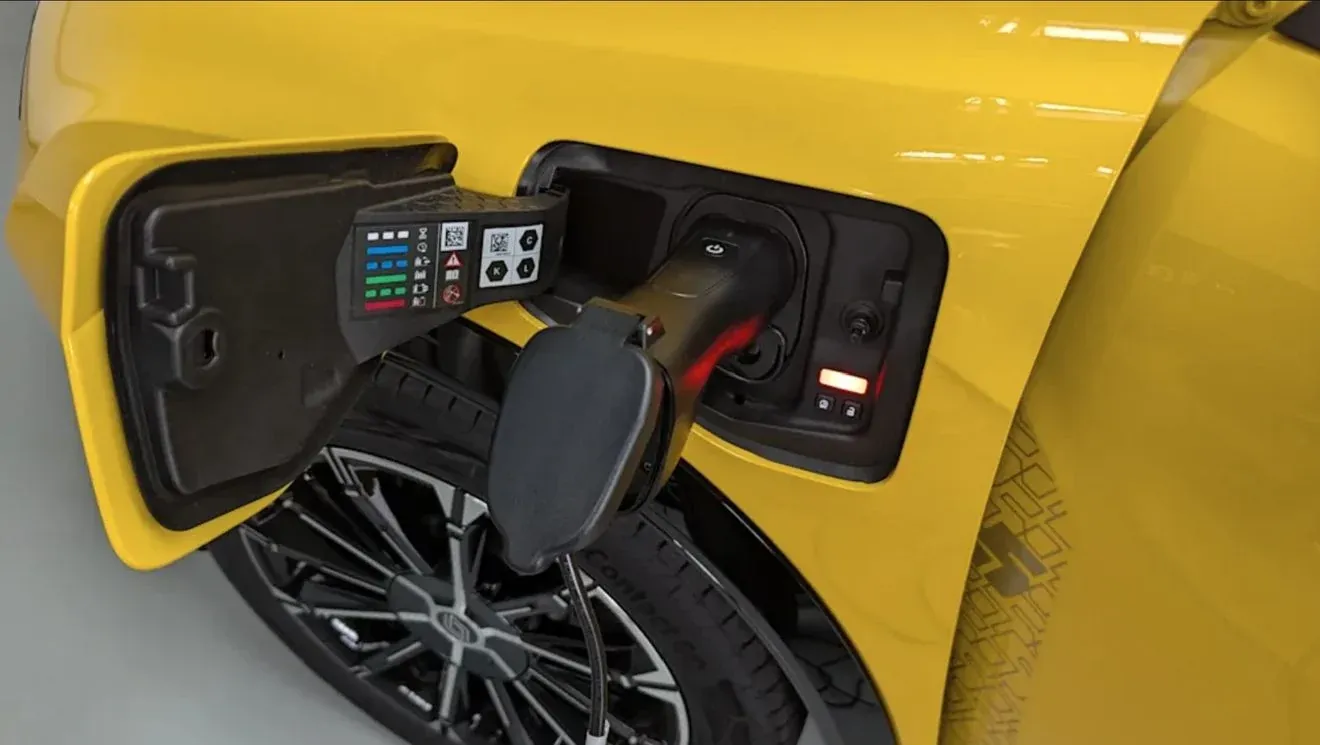
The Renault Scenic E-Tech, along with many other models in the range, including the compact Renault 5, features a function called Vehicle to Load (V2L), which allows using the energy stored in its battery to power external electrical devices.
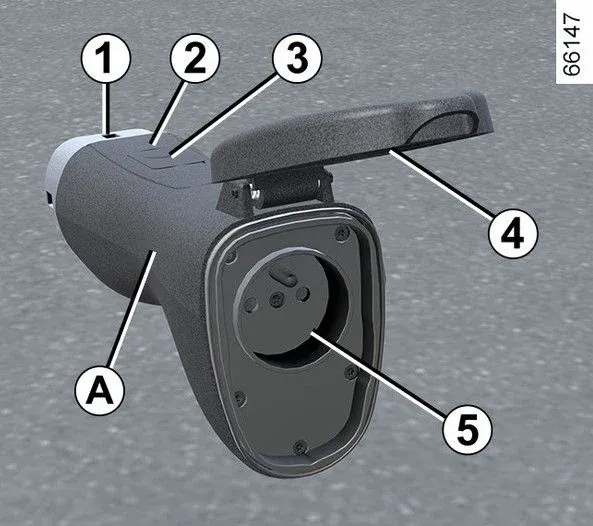
To do this, all you need is an adapter that connects to the car’s charging port and provides a standard power outlet. In the case of the British journalist, this accessory allowed for a maximum power output of 3.7 kW, equivalent to 16 amps in a 230-volt household setup.
This is sufficient power to keep most essential household appliances running, as long as too many high-power devices are not connected simultaneously.
During the power outage, the family was able to maintain their daily routine with few problems, and by using the car they were able to power two refrigerators, several lamps, a mobile phone charging station, and even a toaster.
The installation was quite simple. Following the manufacturer’s advice, which advises against chaining multiple electrical extensions, they used a single cable to carry electricity from the car to the kitchen.
This experience shows that there’s no need for a particularly complex home setup to take advantage of V2L’s capabilities. A compatible car, the appropriate adapter, and a secure connection for the devices to be powered are sufficient.
It should be clarified that V2L does not mean connecting the car directly to a household’s electrical system. To power a house’s circuits seamlessly, a compatible backup power solution and proper wiring are required to prevent electricity from being sent to the public grid during a blackout.
In this case, power was supplied directly to the appliances through a separate connection, without interfering with the household’s electrical panel.
Thirty hours of power with just 7 kWh of consumption
But the most interesting aspect of this experience wasn’t just keeping the appliances working, it was also seeing how much energy they actually needed.
After 30 hours without power, the Renault Scenic had lost approximately 8% of its 87 kWh battery. That amounts to about 7 kWh of energy, a surprisingly small amount considering the time elapsed.
The reason is that many appliances don’t operate at full capacity continuously. For example, a refrigerator activates its compressor when it needs to lower the internal temperature and then remains at a very low power consumption for long periods.
LED lights and electronic device chargers also do not require large amounts of energy. Therefore, although the Renault Scenic could supply up to 3,700 W, the average demand during those 30 hours was much lower.
If we extrapolate these results, an 87 kWh battery could maintain a similar level of consumption for about 15 days. Of course, this is a theoretical calculation, as energy would need to be reserved for driving and system losses would have to be taken into account, in addition to the fact that consumption can vary significantly from one household to another.
The experience also revealed a minor limitation of the system. When the refrigerators reached the desired temperature and temporarily stopped consuming electricity, the car interpreted this as no devices being connected and entered standby mode, cutting off the power supply. This behavior requires caution when using V2L with devices that operate intermittently, especially if keeping them powered for many hours without supervision is intended.