
UK funds project for recovering nickel, cobalt and copper
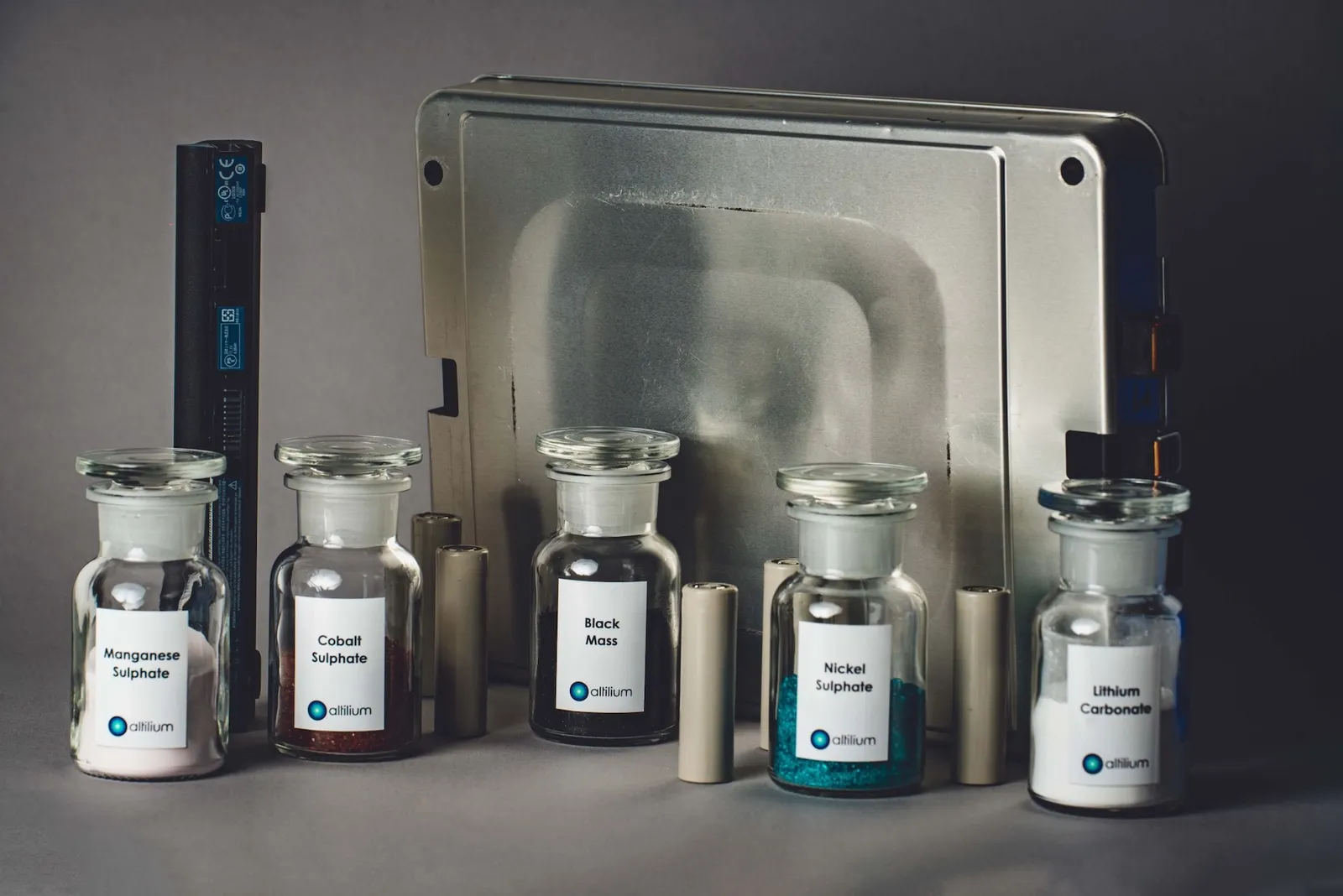
ReOre Technologies, an Altilium Group company focused on recovering critical minerals from mining waste, has announced it will lead a new UK government-backed project to unlock domestic supplies of nickel, cobalt and copper. For the two-year Cascade project, ReOre is collaborating with project partners Aberdeen Minerals and Camborne School of Mines, supported by the Battery Innovation Programme.
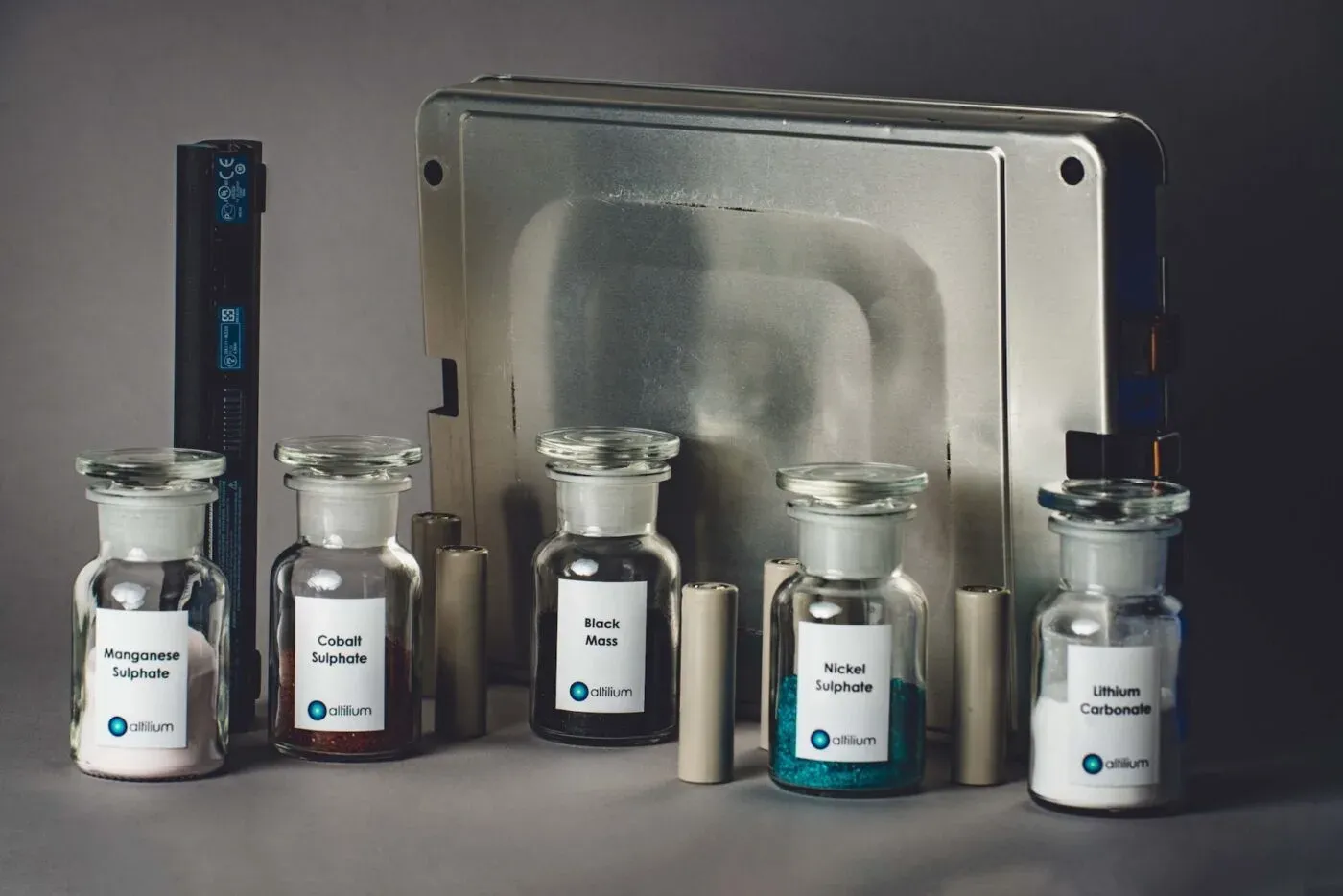
Image: Altilium
The project from Altilium company ReOre and partners called Cascade aims to help the UK reduce its reliance on imported materials and support the development of a sovereign battery materials supply chain. The project has secured £1.4m of funding through the UK government’s Battery Innovation Programme, delivered by Innovate UK and supported by the Department for Business, Innovation, Science and Trade. Together, ReOre, Aberdeen Minerals and Camborne School of Mines aim to unlock domestic supply of critical minerals essential not only for the automotive sector, but also for advanced manufacturing and defence.
Utilising sustainable processes
The partners will utilise ReOre’s patent-pending EcoMineral technology, a hydrometallurgical process that uses a biodegradable, non-toxic chemistry. The project will focus on what the partners say will be the sustainable recovery of nickel, cobalt and copper contained in sulphide mineral concentrates extracted from Aberdeen Minerals’ Arthrath Nickel-Copper-Cobalt Project in Aberdeenshire. This location contains the UK’s largest-scale nickel prospect.
During the project, recovery routes for nickel and cobalt will be investigated in UK mine waste and other secondary feedstocks. The project’s research partner, the geoscience and mining school Camborne School of Mines, will investigate these sources and provide expertise in mineral processing to develop sustainable recovery routes for these materials.
ReOre’s mineral recovery process extracts metals from “challenging feedstocks” using a biodegradable, non-toxic chemistry. The company says the process operates at ambient pressure and low temperatures, which avoids the aggressive conditions associated with many conventional extraction technologies. This process has the potential to lower energy consumption, environmental impact and processing costs, according to ReOre’s parent company, Altilium Group. The group says this chemistry is capable of processing “a variety of feedstocks, including end-of-life products and mine waste.”
Reducing the UK’s overseas dependencies
The UK is currently dependent on imported raw materials and overseas processing for these materials. Although Britain has untapped domestic nickel and cobalt prospects, the Kingdom currently has no facilities to extract or process these critical materials for products suitable for the battery supply chain.
Toby French, Business Lead at ReOre Technologies, pointed out, “Developing responsible domestic primary resources alongside recycling will be essential for the UK to build a resilient and competitive battery materials supply chain.” He noted that the Cascade project presents an opportunity for the UK to connect domestic mineral resources with innovative processing technology and downstream battery manufacturing. “Our ambition is to demonstrate a sovereign pathway that keeps more of the critical minerals value chain here in Britain – from resource extraction and refining through to the production of high-value battery materials,”he said.
Optimising existing expertise, securing supply chains
According to a statement by Altilium, Aberdeen Minerals is a leading explorer for nickel and cobalt in the UK. The company has already carried out drilling and geophysics programmes that Altilium says confirm the potential for high-value deposits in Northeast Scotland. The two-year Cascade project intends to now demonstrate a low-cost and environmentally compatible processing route for the eventual extraction and refinement of these critical minerals. This should create high-value products that are suitable for direct supply to UK industry.
Fraser Gardiner, CEO, Aberdeen Minerals, noted, “Developing and scaling environmentally sound processing technologies for UK-sourced nickel-cobalt raw materials opens up sustainable pathways for mineral development in Aberdeenshire and elsewhere and is a crucial step to securing truly sovereign supply chains for strategic industrial sectors.”
Outside of China, where the vast majority of battery material processing facilities are located, efforts are accelerating to localise material supply chains. Battery recycling and reuse in second-life applications are part of this effort, as are the optimising of mining processes and waste products, as described above, to fully utilise critical minerals.