
UE: Starting in 2027, home wallboxes must only be ISO 15118-20 compliant. Tesla Wall Connector Gen3 is excluded.
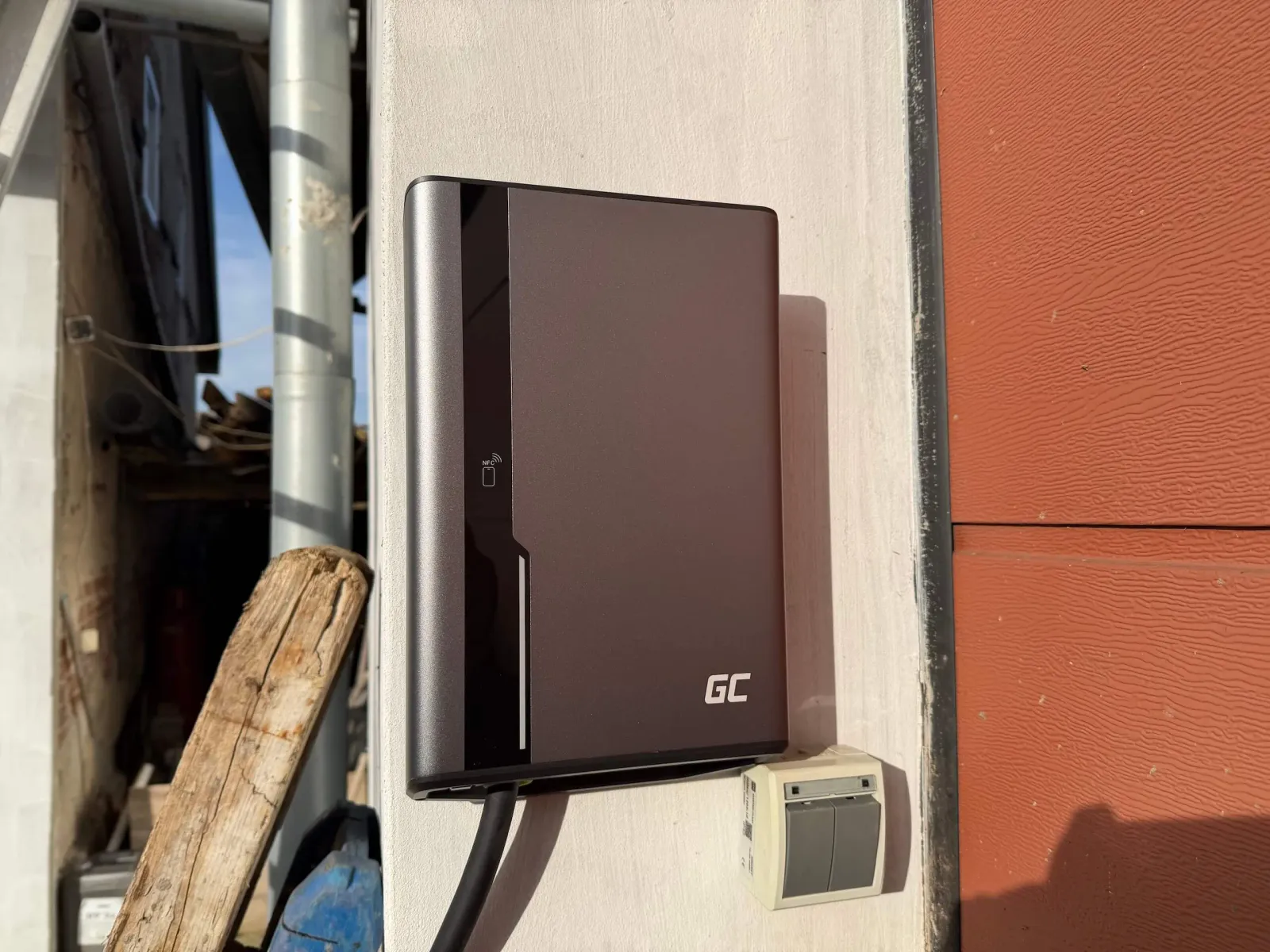
Commission Delegated Regulation (EU) 2025/656, sometimes referred to as AFIR 2027, also applies to private garages and driveways. Starting from January 1, 2027, every newly installed or upgraded charging station in the Union, whether public or private, must comply with the ISO 15118-20:2022 standard. This standard specifies the two-way communication with the vehicle required for V2H and V2G. Tesla’s popular Wall Connector Gen3 does not support this, according to elektrowoz.pl.
What does Regulation 2025/656 change?
The Commission adopted the regulation on April 2, 2025, and it was published in the EU Official Journal on June 18, 2025. The act amends Annex II to AFIR (Regulation 2023/1804 on alternative fuel infrastructure), namely the technical specifications for connectors and communication. The Commission follows the recommendations of the European standardization committees CEN and CENELEC, which, in a letter dated July 17, 2024, informed it that they had completed work on the new standards.
For public chargers, the change occurs in two steps. Starting from January 8, 2026, new publicly accessible charging points only needed to comply with older versions of ISO 15118 (Parts 1-5, editions from 2016 or 2019). Starting from January 1, 2027, all new and upgraded charging points must meet ISO 15118-20:2022 standards. Those that claim Plug & Charge functionality (charging without a card or app, with automatic vehicle authentication) must also maintain backward compatibility with ISO 15118-2:2016, so older cars will still be able to use them.
Home wallboxes are also subject to the new standard
In the justification for the regulation, the Commission states explicitly that the interoperability rules must apply to both publicly accessible and private charging points. The classification is as follows: Level 2 charging, which uses a 230 V outlet via a cable with a small control box attached to the car (the common “brick”), must comply with IEC 61851-1:2019. AC wallboxes with Type 2 connectors (Level 3) and home DC chargers (Level 4) must meet ISO 15118-20:2022 starting in 2027, even if they are installed in one’s own garage.
The new standard requires more advanced electronics, which is why neither the Tesla Wall Connector Gen3 nor many of the cheapest wallboxes meet it. Those who purchase a device now and plan to install it at the turn of the year should check the product specification sheet to see if the manufacturer claims compliance with ISO 15118-20. Just having “ISO 15118” listed on the packaging is not sufficient.
The regulations do not require the replacement of currently working equipment.
The commission states in its rationale that it aims to avoid replacing devices that are already in use. An example is the connector standard: new and upgraded installations must comply with EN IEC 62196-2:2022 and 62196-3:2022, while existing ones can use earlier versions. Therefore, the requirements apply to new installations and those being retrofitted.
The stakes involve future services: powering a home using a car battery (V2H) and feeding energy back into the grid on behalf of the utility provider (V2G), of course with the owner’s consent. For now, these services mainly exist as promises. At the end of August, we reported that BMW and E.ON offered 720 euros per year to owners of iX3 vehicles used as energy storage units, though such offers in actual use remain very rare.
The regulation does not specify who or how will verify the compliance of wallboxes installed in private homes. This will fall to installers and national implementing regulations.
LovEV Newsletter
Want more content like this?
Sign up — we’ll send you a weekly summary once the newsletter starts.