
Tesla is preparing a second factory in Germany for a new electric car: is the affordable compact car finally here?
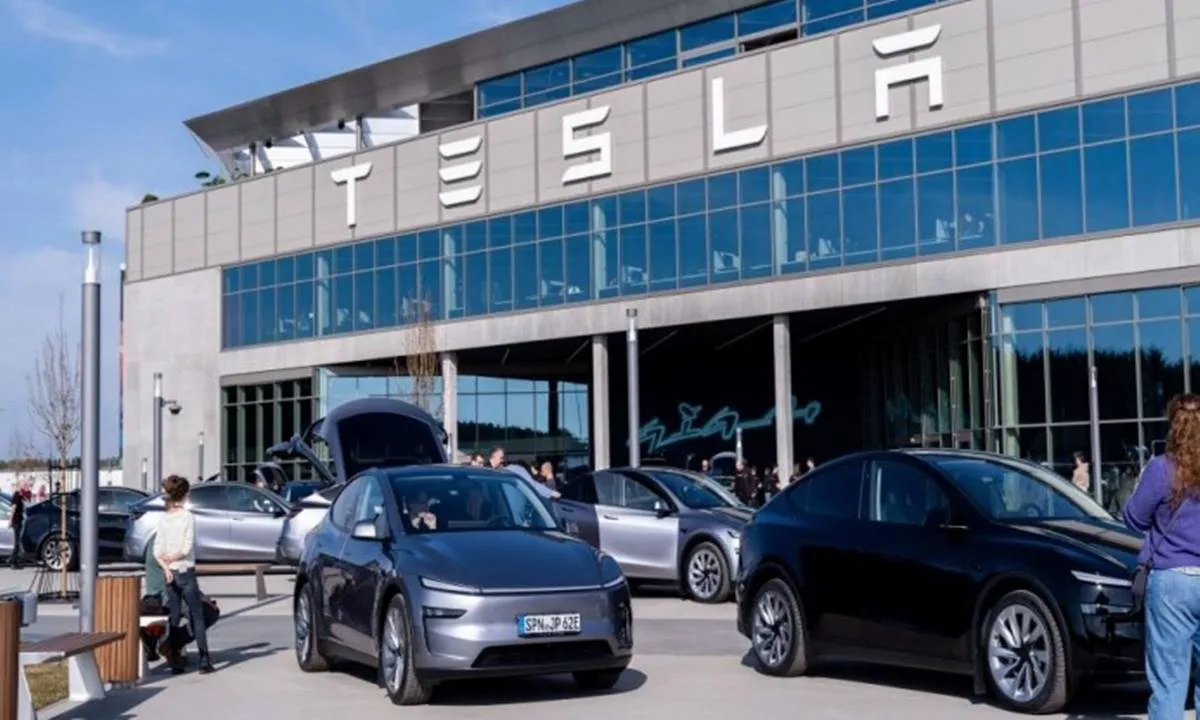
A few days ago, we discussed Tesla’s plan to expand production at its factory in Grünheide, near Berlin. This expansion aims to increase output and reduce waiting times, which for some models already exceed 7 months. New reports suggest that the new facility might add a second model to its production lines.
These updates come from André Thierig, director of Berlin’s Gigafactory, who spoke at a conference organized by Automobilwoche. During his presentation, he provided further details on the facility expansion and production plans for the coming years.
One of his statements has drawn particular attention. Speaking about the possibility of building a second factory, Thierig assured that «if we build another factory there, it won’t be another Model Y factory». This remark opens the door to the introduction of a new model onto German assembly lines, although Tesla has not yet confirmed which one it could be.
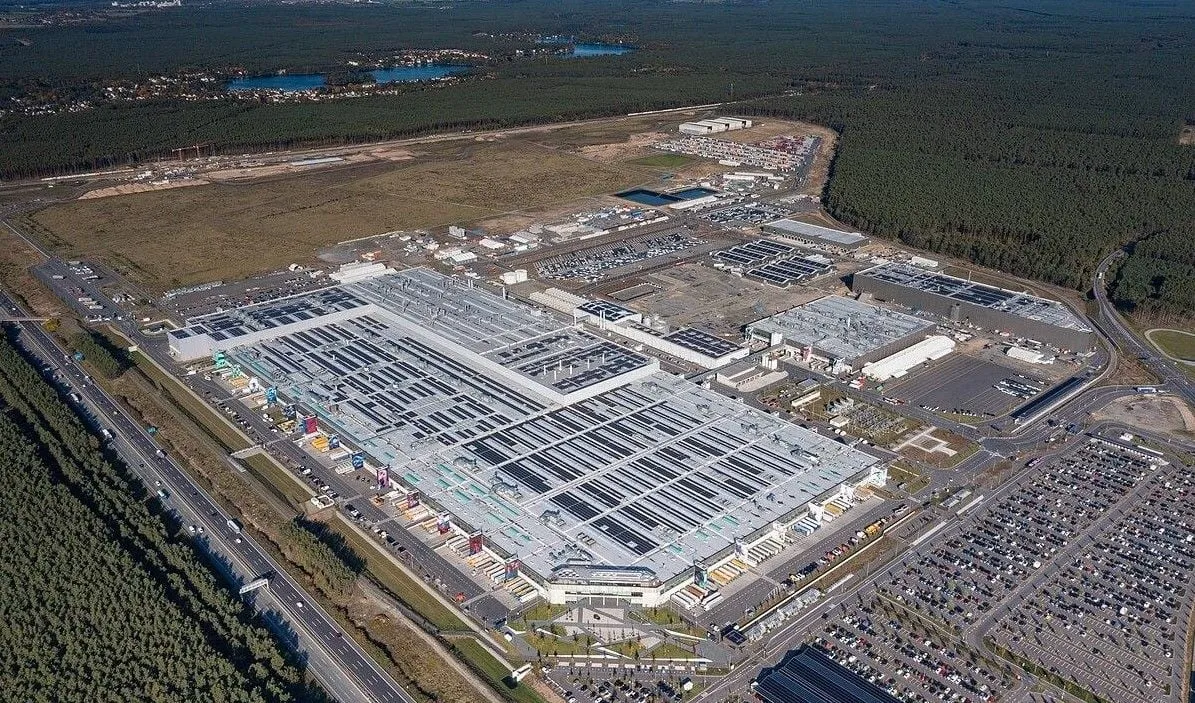
The company has been preparing for the expansion of Grünheide for some time. The project involves a second production building located north of the current facilities, covering an area of approximately 536,000 square meters—more than double the size of the existing building. This new facility would have the capacity to produce up to 500,000 electric cars per year.
Tesla plans to submit the first administrative applications related to the expansion before the end of 2026, although there is still no final timeline for its construction and operation.
The Tesla Model 3 and compact economy cars among the possible candidates
The big question is which model Tesla could manufacture at this second facility. One of the most logical options would be the Tesla Model 3, which currently reaches the European market from the factory in Shanghai, China. Moving part of its production to Germany would allow for stronger local manufacturing and reduce reliance on imports.
But there is another particularly interesting possibility: that Tesla use this expansion to produce a smaller and more affordable electric car, the model that has for years been associated with the provisional name Tesla Model 2.
A compact vehicle that could be especially important for the brand in Europe, where models such as the Renault 5, Volkswagen ID. Polo, and new Chinese electric cars are increasing competition in the entry-level segments. However, Tesla has not officially announced a model of this kind nor confirmed that it will produce it in Germany.
Elon Musk himself has previously mentioned various possibilities for Grünheide, ranging from the Cybercab to the Semi truck or the humanoid robot Optimus. For now, the only concrete clue is that the company wants to diversify production beyond the Model Y.
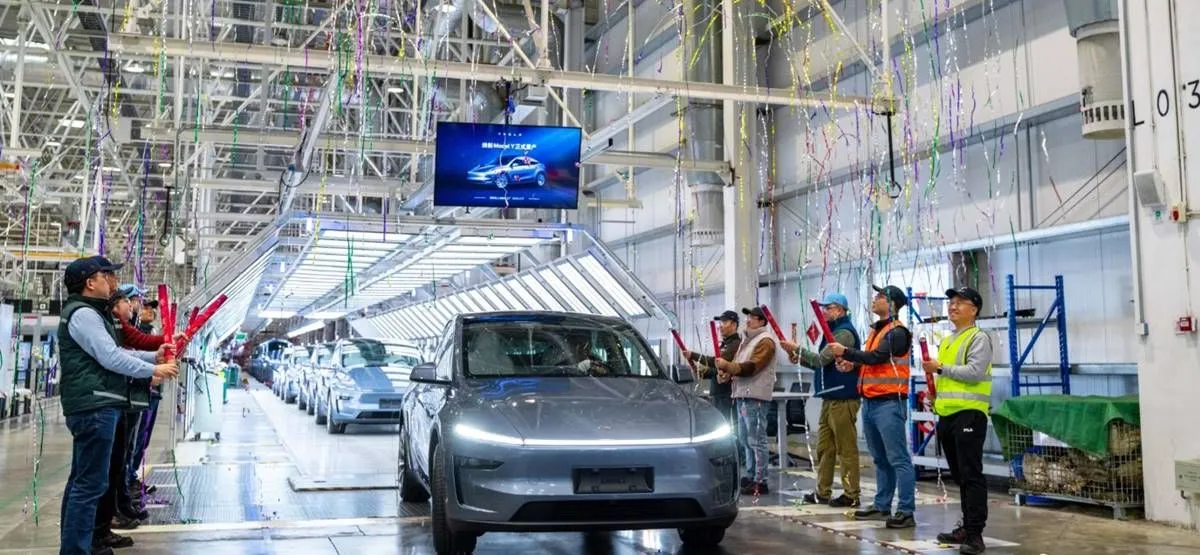
In the meantime, the factory continues to increase its activity. According to Thierig, Tesla has recently hired 2,000 new workers and accelerated its assembly lines to a rate of one Model Y every 45 seconds, compared to the usual 60 or 90 seconds at other German factories.
The facility is approaching a production level of 7,500 cars per week, which would amount to around 375,000 units per year. This figure is still below the 500,000 cars for which it was initially authorized.
Another major development relates to batteries. Tesla has confirmed its intention to begin manufacturing cells in Grünheide in mid-2027, using facilities that are already built and currently used to produce components for the 4680 batteries made in the United States.
This move would allow Tesla to move toward a more integrated supply chain in Europe, reducing the need to import strategic components from other markets. It would also strengthen the position of the German factory, which could become a production hub for both electric vehicles and batteries.
So far, Tesla has not officially announced which second model will arrive in Grünheide or when the new plant will begin operations. But statements from its CEO make it clear that the company’s plans for Germany go far beyond the Model Y.
And if the chosen model is ultimately the Model 3, or even a new entry-level compact vehicle, the Berlin factory could become even more important in Tesla’s European strategy in the coming years.