
Tesla is preparing a major industrial push in Germany: it will manufacture its own batteries and increase the European content of the Model Y to 90%.
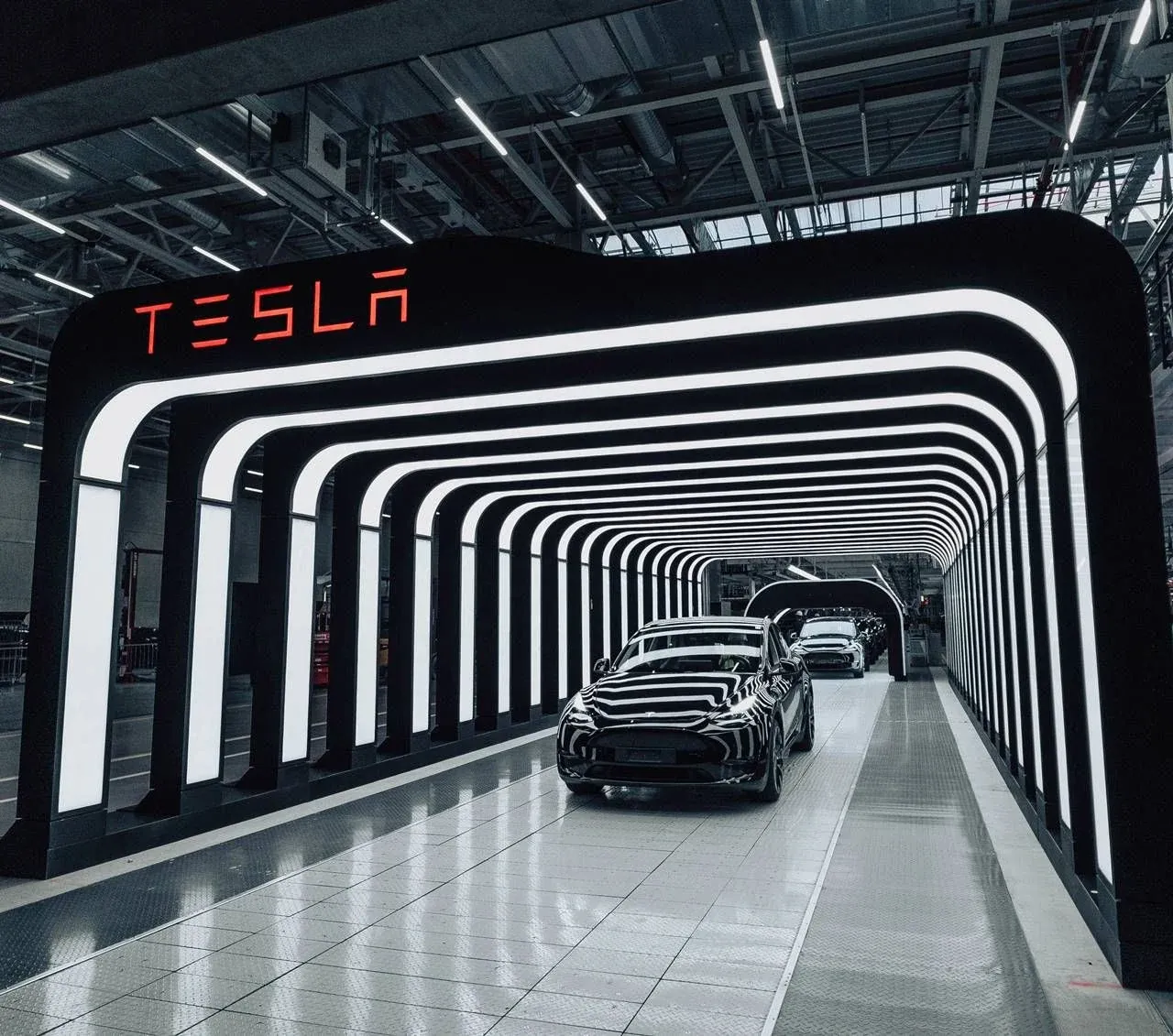
Tesla has been working for several years to turn its factory in Grünheide, outside Berlin, into one of its key industrial hubs outside the United States. So far, this facility has mainly focused on producing the Model Y, but the company’s plans go far beyond just assembling electric cars.
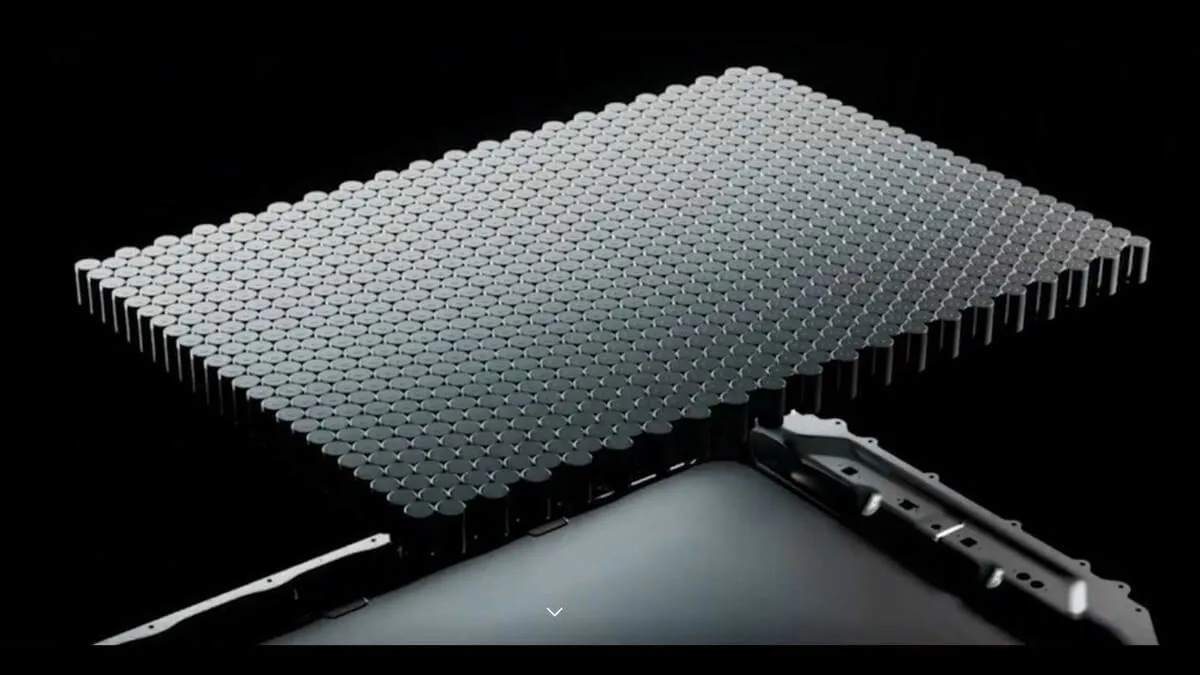
The next step will be to start producing batteries directly, one of the most important and costly components in any electric vehicle. As Andre Thierig, Tesla’s senior manufacturing director in Germany, confirmed during the German newspaper Automobilwoche’s conference in Berlin, the new facilities will be fully operational by mid-2027.
The factory manager explained that some of the necessary equipment has not yet arrived, but the project is progressing toward operation. Once completed, it will allow Tesla to consolidate many of the processes required to manufacture its electric cars in one location.
Tesla aims to produce in Germany everything from battery cells to fully assembled cars.
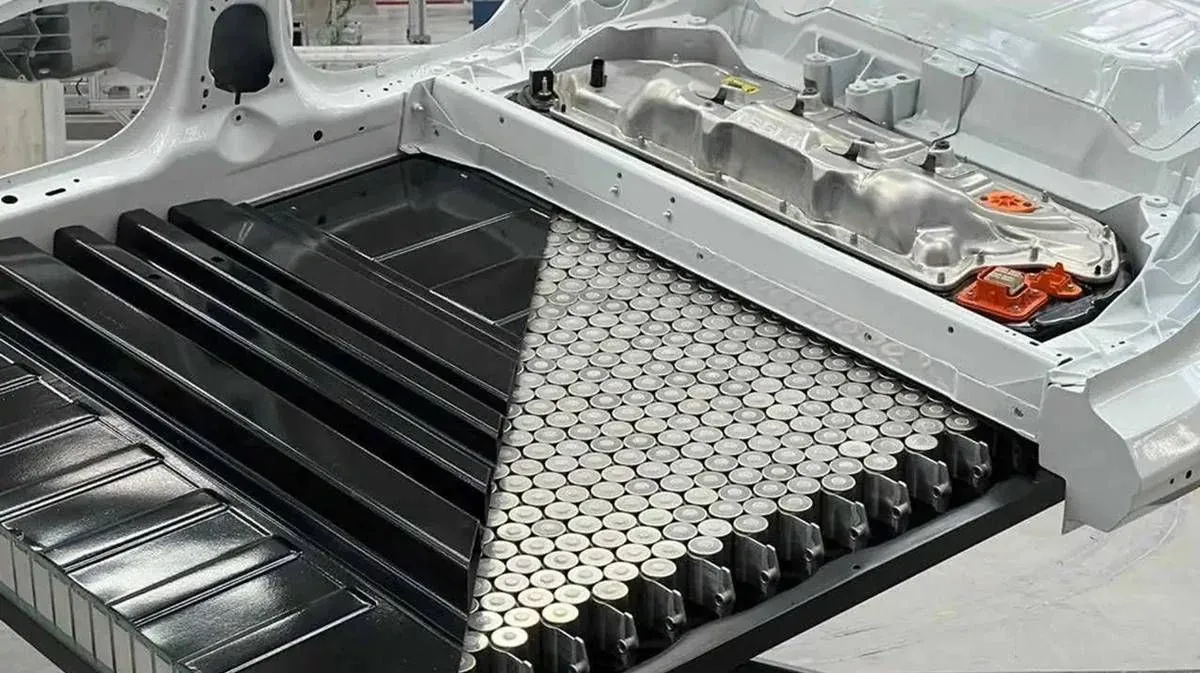
Currently, Tesla’s German factory already produces electric motors and various battery-related components, including electrolytes, anodes, and cathodes. However, it still relies on facilities outside Europe to complete the manufacturing of battery cells.
According to information published by Automotive News Europe, some of these materials are shipped from Germany to Texas, where they are used to manufacture cells that are then sent back to Europe. The factory also receives complete batteries from Shanghai.
In other words, Tesla has a supply chain that requires transporting materials and components across continents before they end up in a Model Y manufactured in Germany.
The launch of the new production line will allow for the simplification of part of this process. Once it reaches its planned capacity, Tesla claims Grünheide will be the first and only automobile factory in Europe capable of producing everything from battery cells to finished vehicles in one location.
This industrial integration will have a particularly significant impact: the European content of the Model Y is expected to rise to 90%, according to the company’s estimates.
This figure gains significance due to the regulatory changes being prepared by Brussels. The European Union’s Industrial Acceleration Act proposal, submitted in March, calls for a minimum 70% local content requirement and mandates that certain strategic components, such as battery cells and electric motors, be manufactured within a European industrial zone whose final boundaries are still pending.
Therefore, if Tesla manages to meet the announced percentage and satisfies the specific calculation criteria, the Model Y produced in Berlin would be in a favorable position to meet future European requirements.
This strategy is particularly interesting because Tesla is an American company that could still end up offering one of the electric vehicles with the highest degree of European industrial integration.
In addition to reducing reliance on suppliers located outside the continent, manufacturing cells in Germany would allow for shorter logistics chains and lower some of the costs associated with international transportation. It could also facilitate better coordination between battery production and the final assembly of vehicles.
This does not necessarily mean that all materials used in the batteries will come from Europe. Local production of cells does not imply that raw materials such as lithium, nickel, or graphite must have a European origin, an important distinction when interpreting the percentage announced by Tesla.
The Model Y factory also aims to increase its production by 50%
Battery manufacturing is not the only project Tesla has in mind in Germany. The company is also preparing to expand production capacity at its Grünheide facility.
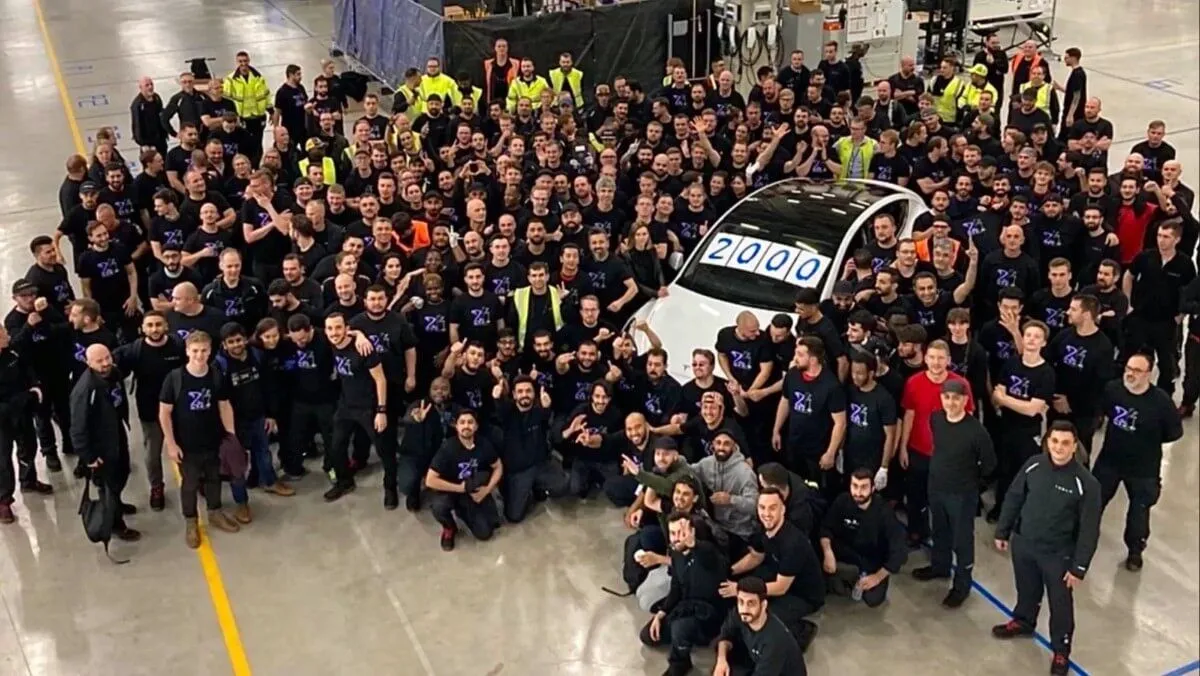
According to Thierig, Tesla has already submitted the necessary environmental documentation to local authorities to increase weekly production from the current 5,000 cars to 7,500 units, representing a 50% increase. Based on 48 weeks of operation per year, this would raise annual production from around 240,000 cars to approximately 360,000 units.
Industrial expansion still needs to complete the necessary procedures, so the figures announced represent Tesla’s capacity targets rather than production that has already been achieved.
The decision to manufacture batteries in Germany also carries a strategic meaning. Over the past few years, Europe has tried to develop its own battery industry to reduce its reliance on Asia, but some projects have faced delays, financial issues, or changes in planning.
Tesla, on the other hand, aims to utilize an existing facility to incorporate new production processes and increase the added value of cars manufactured on the continent.
If it succeeds with its plans, the German Model Y will rely much less on imported batteries, while Tesla will strengthen its position amid European regulations aimed at promoting local production.
The company has not yet detailed in this information the planned annual capacity for the new cell factory, its final investment, or what proportion of Model Y vehicles will initially use batteries produced in Germany.
But this move confirms an increasingly important trend in the automotive industry: it is no longer sufficient to assemble electric cars in Europe. The manufacturing of batteries and strategic components is gaining growing importance for factory competitiveness.
And in this race, Tesla aims to make its German plant one of the most integrated facilities on the continent.