
Tesla starts selling the Cybercab for less than 30,000 euros, but there are fine print details.
Tesla has taken one of the most significant steps in its pursuit of autonomous driving. After two years of promises, presentations, and demonstrations, the American manufacturer is inviting its first private customers to purchase the autonomous taxi, the Cybercab, a car designed to operate without a driver.
This news comes at a time when Tesla is trying to prove that its fully autonomous driving technology, one that does not require supervision, is ready to move beyond testing and become a commercial product. The Cybercab represents exactly that ambition, but it also raises some questions.
The first customers invited to buy the Cybercab have noticed among the key details significant limitations on its use.
A car without a steering wheel, pedals, and major restrictions
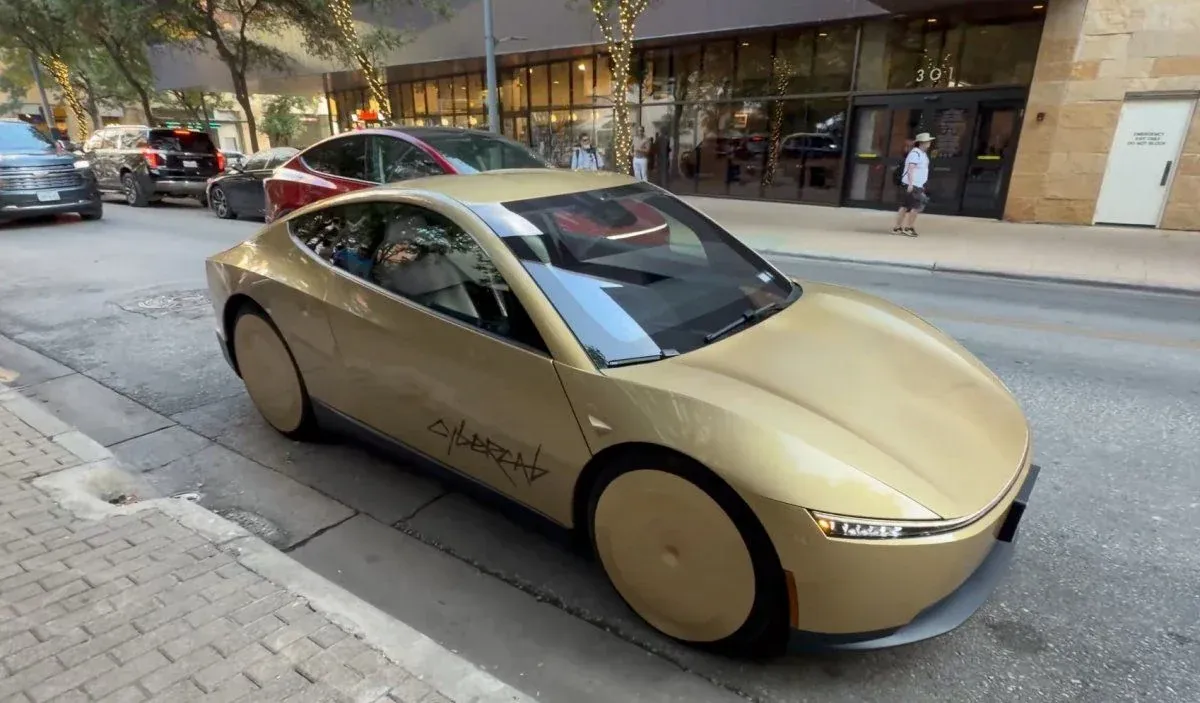
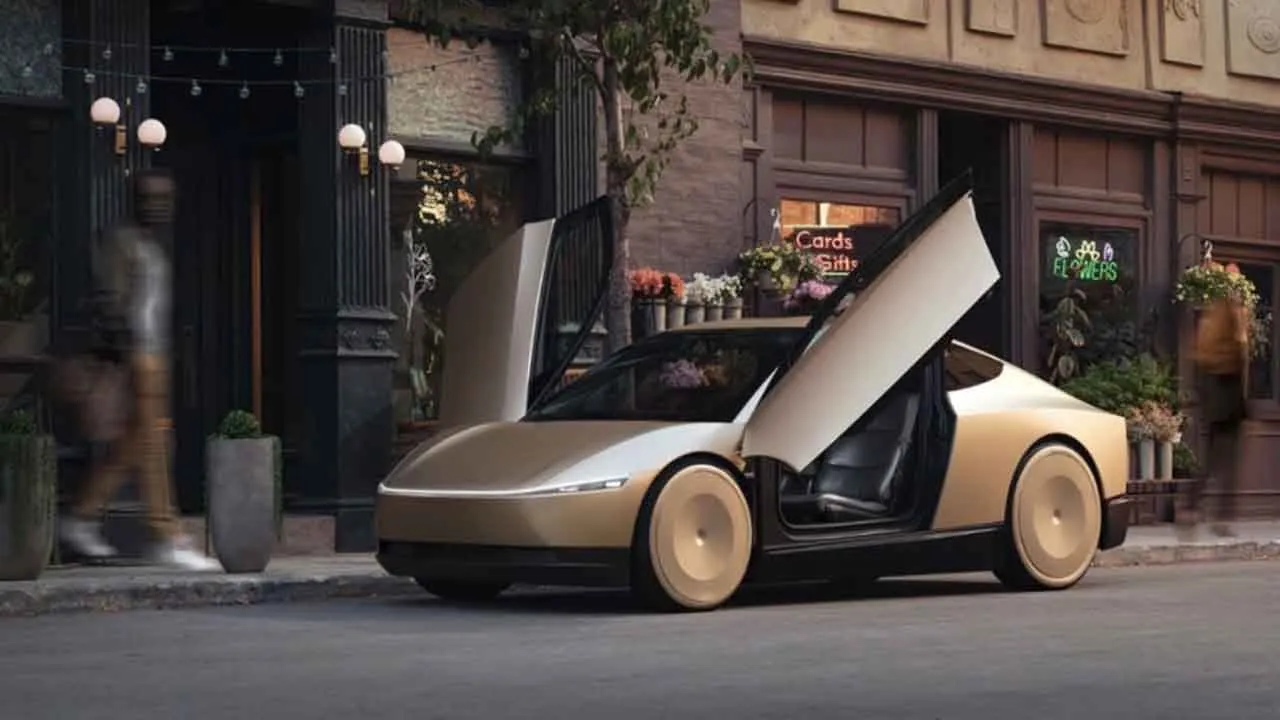
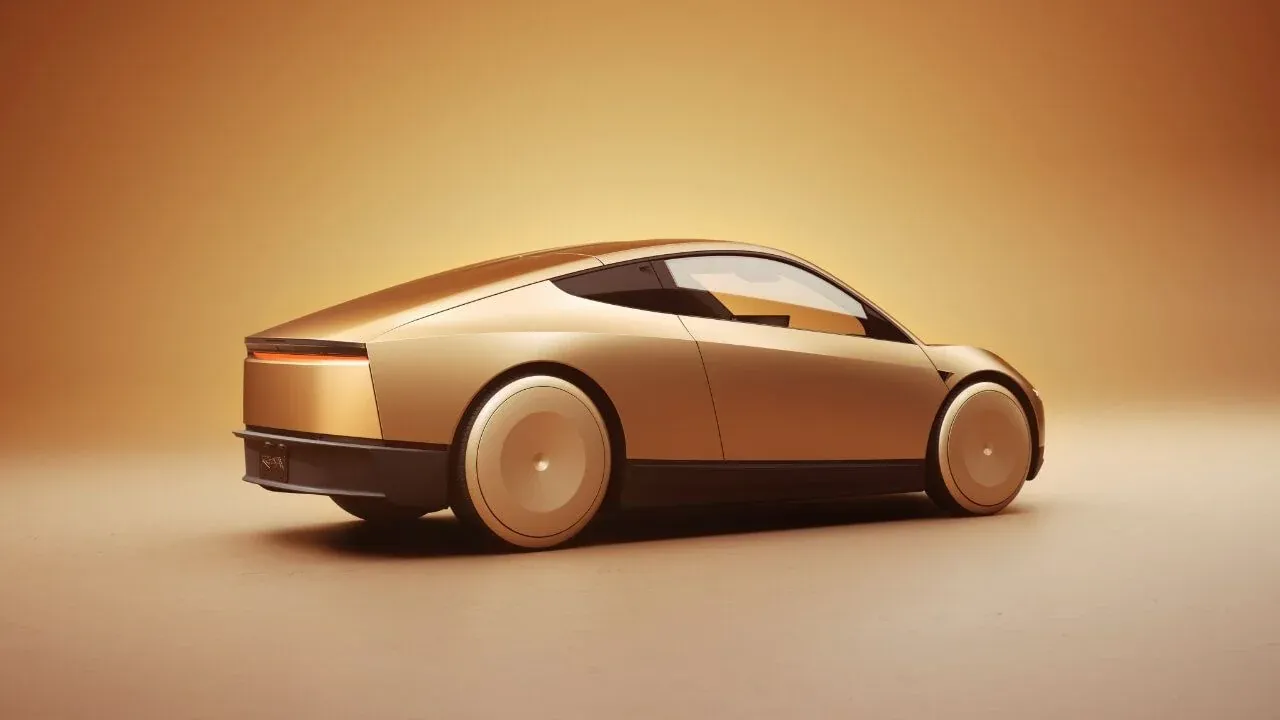
The Tesla Cybercab is a car quite different from what we're used to. Its body features a futuristic design, with a low silhouette, highly aerodynamic lines, and a two-door configuration. It is designed exclusively to carry two people, sacrificing rear seats to make better use of the available space and offer an autonomous mobility solution.
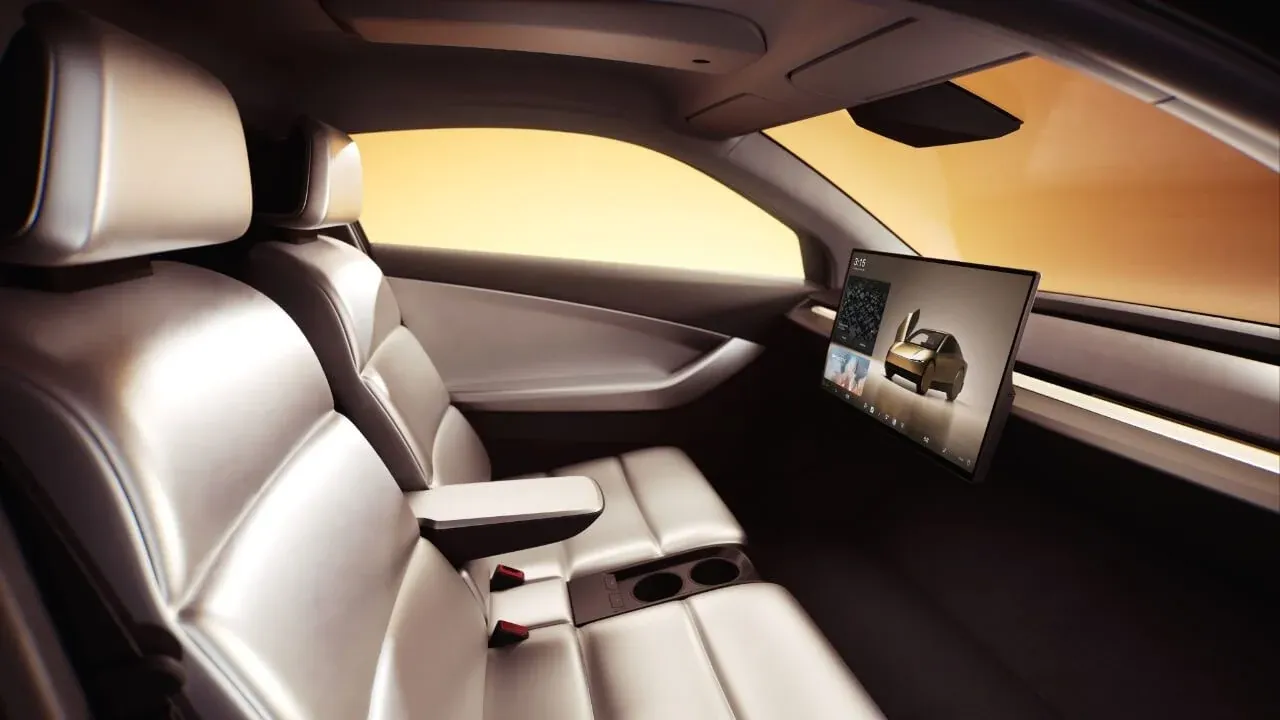
Inside, we find an even more radical design. It has no steering wheel or pedals, meaning the occupant lacks traditional controls to operate the car. The entire experience revolves around a 21-inch central screen and a mobile app through which travel is managed. The trunk, on the other hand, offers approximately 569 liters of capacity, a generous figure for a two-seater car.
But it is precisely this lack of controls that makes the Cybercab such a unique product. Unlike a Tesla Model 3 or Model Y, there is no possibility of driving it manually when the autonomous system cannot complete a journey. If the car does not have permission to travel through a certain area, it simply cannot take you there.
And here lies the main limitation of this initial commercial phase. Tesla only allows the use of Cybercab within the areas where it already operates its Robotaxi service. Currently, according to published information, these areas are located in eight U.S. cities: Austin, Dallas, Houston, Fort Worth, and San Antonio in Texas, as well as Miami, Orlando, and Tampa in Florida.
The problem is that these service areas aren’t as extensive as they might seem. An independent investigation conducted by Koby Pierce, the head of Robotaxi Tracker, examined thousands of addresses using Tesla’s app. His findings show that the areas where pickups and drops can actually be requested account for between 59% and 78% of the areas announced, depending on the city.
In Austin, precisely where Tesla intends to begin deliveries to individual customers, the effective coverage would be around 59%. This means that even if you live in a city where Robotaxi is available, you might find that in many places you want to go, the car cannot reach due to geographical restrictions.
Railway level crossings seem to be one of the major obstacles. In Houston, for example, the tracking officer found routes for which the app calculated a travel time of about 40 minutes, even though the destination was only five or ten minutes away. The apparent reason was that the system was searching for an alternative route to avoid crossing the train tracks, which caused the car to take a “tourist route.”
In addition to all this, there is still an unresolved regulatory issue. The U.S. National Highway Traffic Safety Administration (NHTSA) has asked Tesla to formally explain how a car without a brake pedal can meet federal safety standards that require such a feature. Tesla responded on October 30 and requested that its documentation remain confidential, but according to published information, the agency has not yet issued a final decision.
Another notable aspect is that the Cybercab uses the AI4 autonomous driving computer, a technology also found in the current Tesla Model Y. This raises an interesting debate, as Tesla is using Model Y units for its Robotaxi service in these same areas, while private owners who have paid for full autonomous driving still wait to be able to use it without supervision.
Rumors suggest this will happen in the second quarter of 2027. Although it’s in the United States, we know that timelines are often fragile and easily disrupted.
The true cost of the Tesla Cybercab: buying it won’t be enough to use it
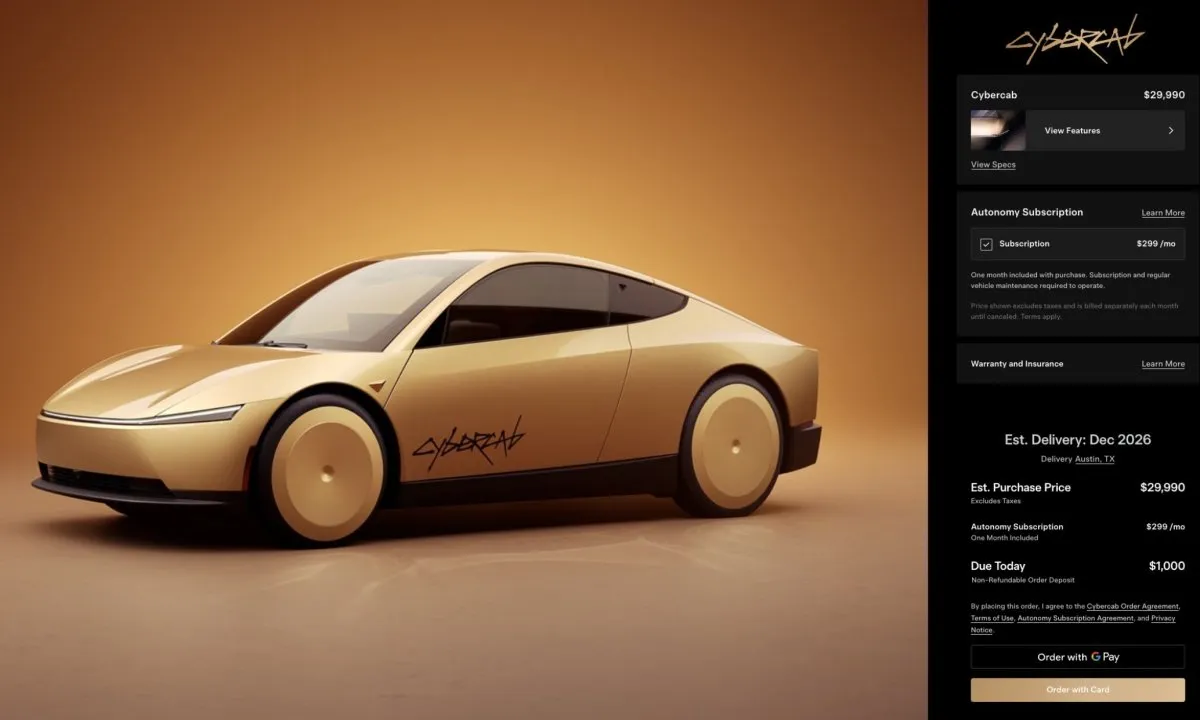
The big surprise comes when examining the financial conditions. When Elon Musk introduced the Cybercab in 2024, he promised it would cost less than $30,000. Tesla has technically kept that promise, but it has added a condition that significantly changes things for its future owners.
The ordering page shows a mandatory monthly subscription of $299, called the Autonomy Subscription. This is not an optional service that buyers can choose to sign up for or cancel if they want to continue using the car. The terms clearly state that both the subscription and regular maintenance are necessary for the Cybercab to function.
Tesla includes the first month of subscription, but after that the owner will have to keep paying to use the car. Additionally, the reservation requires a non-refundable deposit of $1,000, so early adopters will need to commit a significant amount of money before receiving their vehicle.
This approach represents a substantial change compared to the traditional car ownership model. Usually, when we buy a car, we can continue using it as long as it is roadworthy and meets legal requirements. With the Cybercab, the owner will be permanently dependent on a paid service to keep the vehicle moving. This is similar to renting batteries from certain brands.
The figures become particularly striking when calculating the long-term cost. The subscription costs $3,588 per year, amounting to $17,940 over a five-year period. Adding the purchase price brings the total expenditure to around $48,000, without including taxes, insurance, maintenance, or electricity.
It remains unclear what will happen regarding insurance. It is not yet known whether the customer will have to pay for it or if it is already included in those $299. This factor could significantly affect the overall cost, especially in the United States where insurance premiums are extremely high.
Another aspect to consider is what happens if the customer decides to stop paying the monthly subscription. Most likely, the car will become a huge paperweight, as the customer without autonomous driving capabilities cannot use it at all since it has no steering wheel or pedals. However, there may be room for legal disputes, as it would be problematic to purchase the car only to be unable to use it. In the case of battery rentals, the customer could return the battery and install an independent one, or more commonly, buy a battery directly from the manufacturer. There isn’t much room for “negotiations” in this situation.
Of course, this is just the initial phase of commercialization, and the customers will primarily be technology enthusiasts and content creators who simply want to experience having an autonomous taxi at home. But over time, the technology will need to evolve, with greater range for the vehicle, as well as solutions for those who don’t want to spend a fortune every month on their own taxi.
There’s no doubt that the Cybercab could become one of Tesla’s most media-covered products. But this time its goal isn’t to attract attention and sell more Teslas. Instead, the manufacturer wants it to be a commercially viable and profitable product, which will undoubtedly pose a significant challenge for Elon Musk’s team.