
Exaggerated Chinese electric SUVs: always bigger and heavier
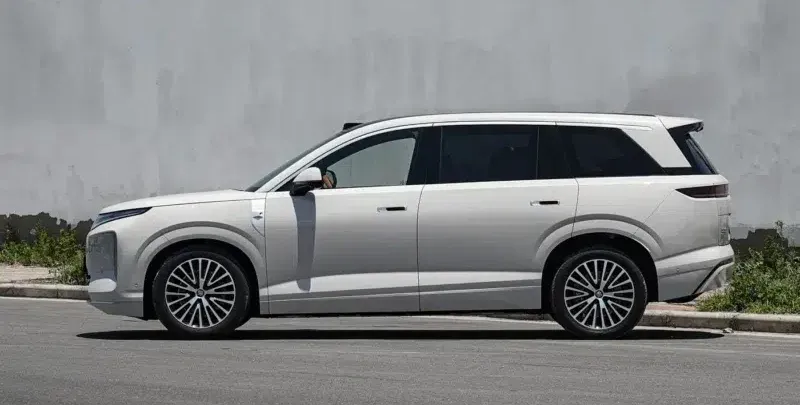
Exaggerated Chinese electric SUVs: new models are getting bigger and heavier. Yet they capture an increasingly larger share of the market, a trend that is starting to concern Beijing authorities due to the deterioration of road surfaces. Is a weight tax on the way?
It’s not just a matter of taste. The spread of large SUVs in China is driven by a combination of economic and commercial factors. The desire of the newly wealthy to show off their prosperity plays a role, as do customers seeking spacious interiors suitable for family needs. Meanwhile, price competition makes it possible to buy larger models with budgets that, just a few years ago, were only enough for smaller SUVs.
The result is a gradual increase in the size of cars on the market. According to data from the China Passenger Car Association (CPCA), of the 129 new models launched since the beginning of 2026, 56% have a length between 5 and 5.5 meters. Such dimensions were until a few years ago reserved mainly for large luxury SUVs and flagship models.
Chinese electric SUVs that are overthetop: weights up to 3 tons, a problem
It’s not just length and width that are increasing. The weight of these vehicles has also risen significantly, especially with the spread of electrified powertrains and large batteries.
The CPCA figures clearly illustrate this change: between 2012 and 2024, the average weight of cars sold in China rose from 1,312 kg to 1,704 kg. In the first 4 months of 2026, the average weight of electric vehicles even reached 1,939.3 kg. This latter figure is particularly significant, as plug-in vehicles now account for over half of all car sales in China.
In this sector, there are models that exceed 2.5 tons, and in some cases, even surpass 3 tons. Such growth raises questions about energy efficiency as well. With identical technology, heavier vehicles generally require more energy to move, especially in urban driving conditions with frequent acceleration and braking.
This is compounded by the consumption of materials for production, greater stress on tires and components. And most importantly, the impact on road infrastructure that risks deterioration.
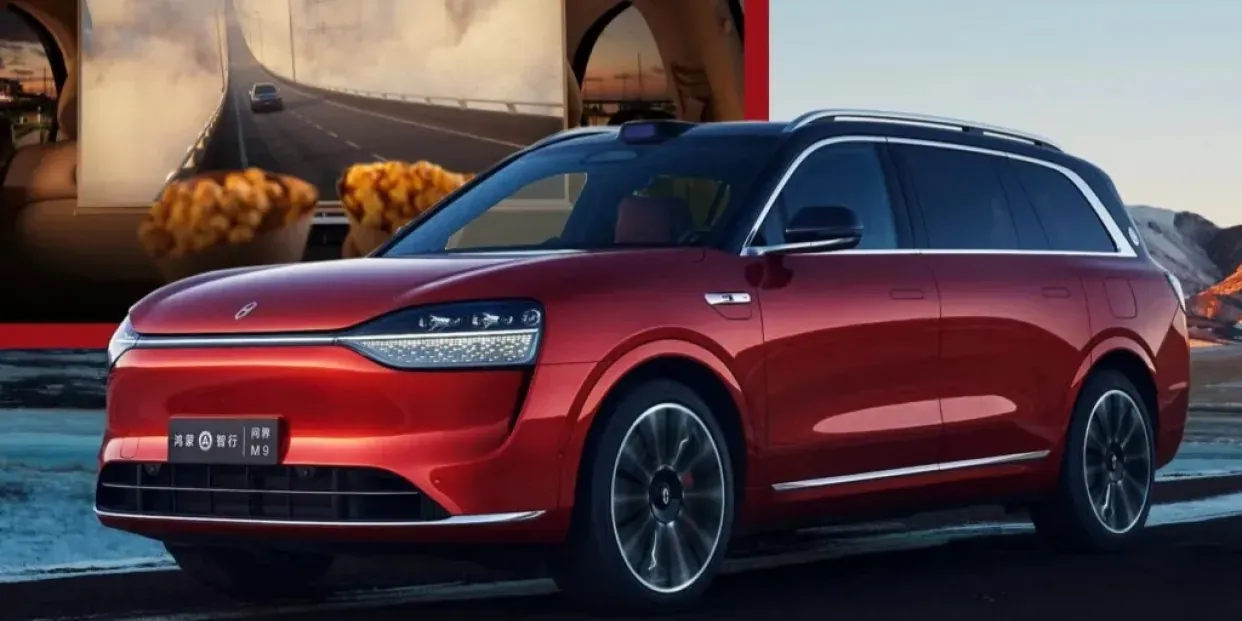
Chinese roads under pressure: The Nio ES9 is 5.37 meters long
Nio has particularly drawn attention to this issue through the words of its founder and CEO, William Li, who highlighted concerns over the increasing prevalence of vehicles that are especially bulky and heavy. This strategy carries consequences, even when it comes to electric cars.
The topic actually relates closely to Nio itself, which offers large SUVs in its lineup. Such as the new ES9, which is 5.37 meters long and has a declared weight of 2,845 kg. It is a substantial vehicle, although its 102 kWh battery helps reduce its weight compared to some direct competitors.
William Li differentiated himself by highlighting the role of his fast battery swapping system: the ability to use shared battery packs across different models would, according to Li, limit the trend toward increasingly large batteries.
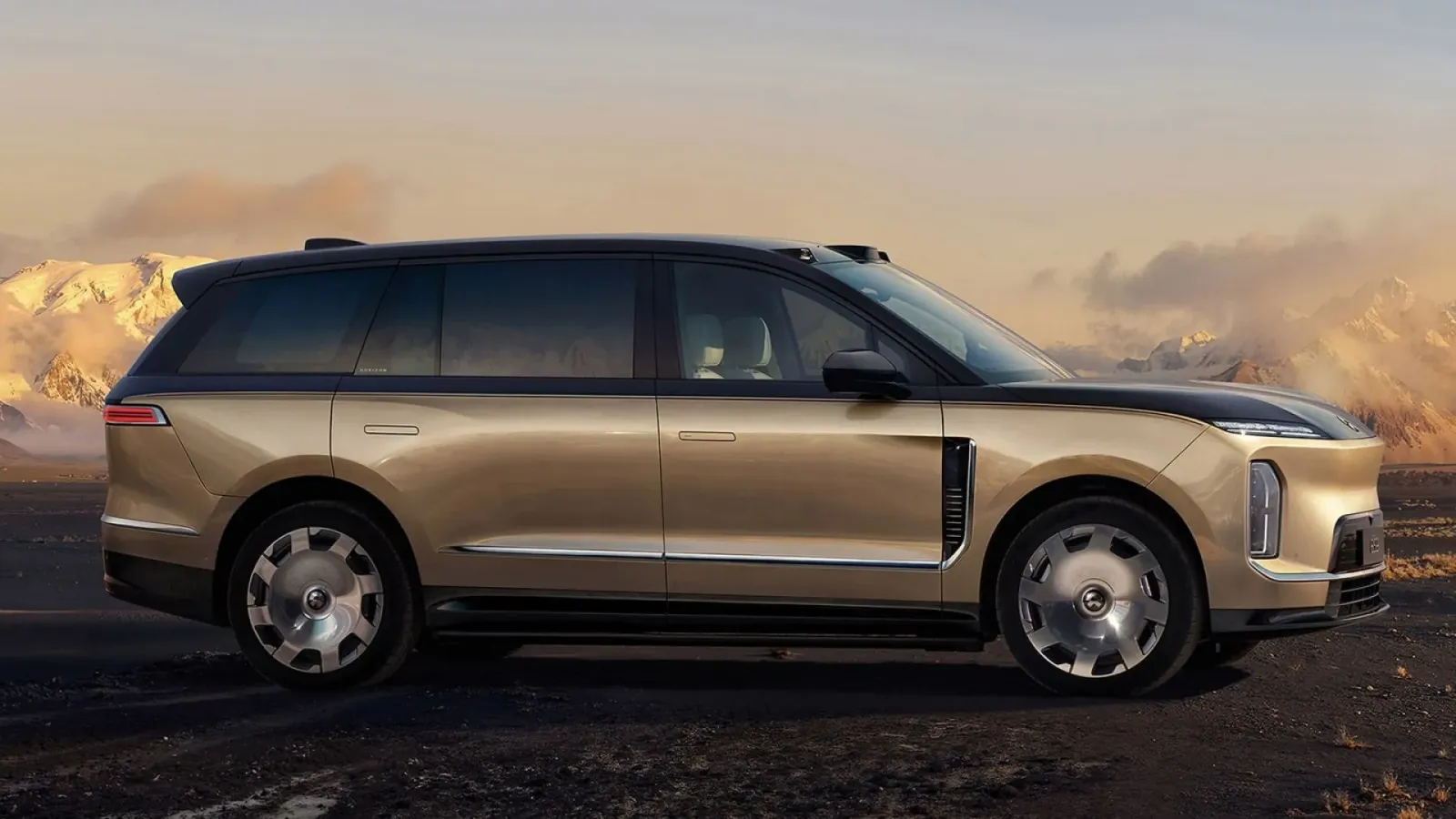
Chinese electric SUVs that are overly large: Is a weight tax coming?
The Chinese authorities have already begun to take action. New limits on vehicle energy consumption came into effect on January 1, with stricter requirements based on the average weight of vehicles, and special attention paid to those exceeding 2,710 kg.
However, these measures may not be enough to reverse the trend. That is why one of the options under consideration by the government is the introduction of a taxation system directly linked to vehicle weight.
It isn’t yet a final measure, but the mere fact that it is being considered signals a shift in perspective. For years, the transition to electric vehicles has been accompanied by a race toward larger batteries, greater range, and ever-bigger vehicles. Now, there is a growing need to consider the side effects of this development as well.
READ ALSO: “BYD Great Tang succeeds in China. Is this massive SUV next for Europe?”
READ ALSO: Getting around Shanghai: from app-based taxis to robotaxis at your doorstep, and watch the VIDEO
Previous Article
My calculations on the kWh price: Is it a “legalized scam” costing 15 billion annually?
Next Article
Regular inspections for electric cars? They make sense if they certify the batteries