
Study: Electric motors from China, Europe, and the US differ mainly in detail
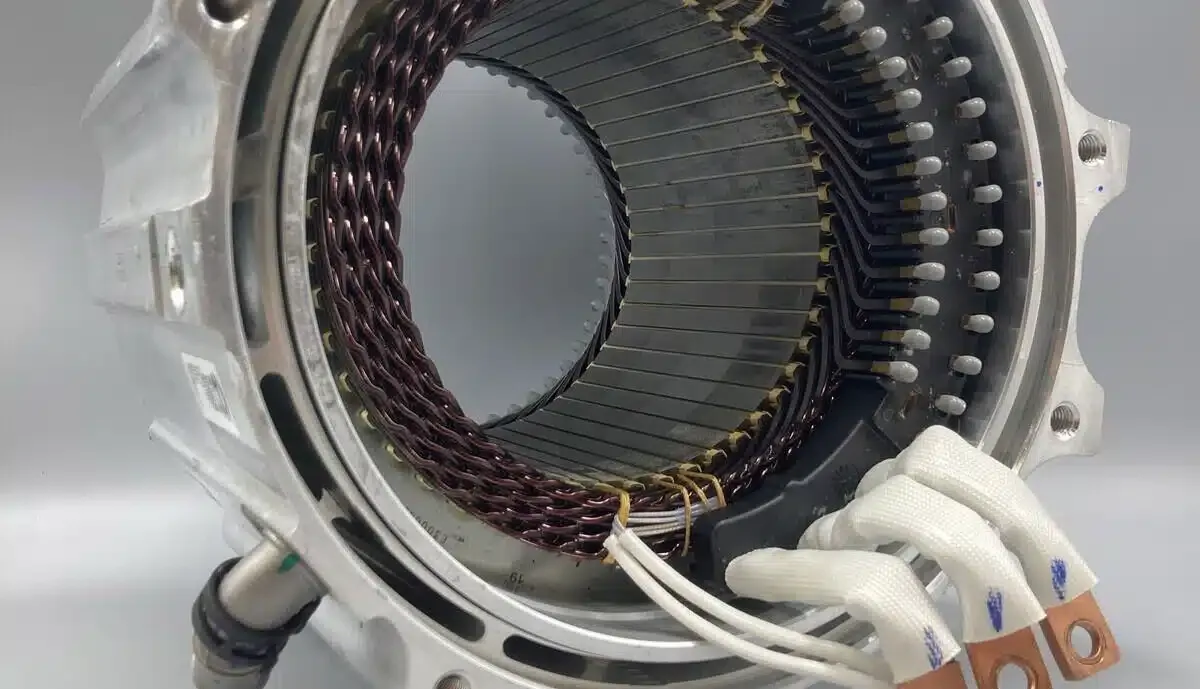
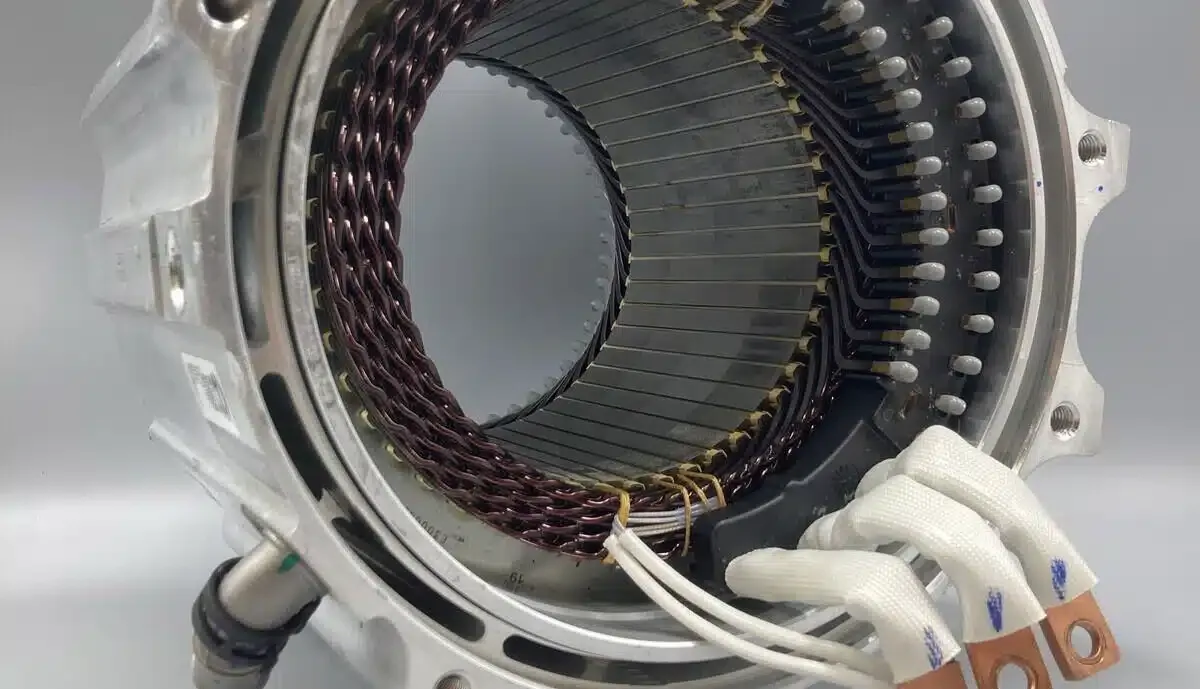
Image: PEM RWTH Aachen
The Production Engineering of E-Mobility Components (PEM) research group at RWTH Aachen analyzed 115 electric motors from 80 electric vehicles manufactured between 2019 and 2025 for a new study. The focus was on the Chinese market. According to the study, the drive systems of Chinese manufacturers differ little in basic design from those of European and American models.
The differences lie more in the choice of materials, such as those used for housing components, or in the design of individual components like busbars. Furthermore, the study reveals a trend toward higher power densities and motor speeds, highly integrated drive units, as well as direct oil cooling for the rotor and stator.
“China is the world’s largest market for electric mobility and thus one of the key drivers for electric traction drives. Anyone who wants to understand where electric motors are heading should definitely look at the vehicles there,” says Professor Achim Kampker, head of PEM.
Previous comparative studies have primarily focused on vehicles from European and American manufacturers. This new study builds upon that foundation: it builds on a PEM study published in 2025 that covered mainly European and American EMotors, and it allows for a comparison between markets based on model years, as well as an across-market assessment of potential trends. The study relies on Movo Autodatas Technology GmbH’s “Darwin” benchmarking database, its own teardown analyses of PEMs, and publicly available data.
"A key factor for higher performance density is downsizing through higher rotational speeds: The motors become more compact and require less material," explains study author David Drexler. This can also be seen from the study data: Since 2019, the average peak performance density of permanently excited synchronous motors has increased by around 45 percent — partly because the motors run at higher speeds on average. Meanwhile, direct oil cooling of the rotor and stator is gaining increasing importance alongside the traditional water jacket. "This has direct implications for manufacturing, as new requirements arise regarding the sealing of rotor and stator laminations," says Drexler.
"In their basic structure, electric drives from China, Europe, and the US differ little—neither in the housing design nor in the geometry of the stator and rotor, or in the cooling concepts of newer models. The differences lie in the details, especially in the choice of materials and the design of individual components," summarizes senior engineer and co-author Henrik Born. For example, many Chinese manufacturers have increasingly turned to lighter magnesium alloys for housings, while European manufacturers have continued to use aluminum. The study cites factors such as raw material availability, labor costs, and regulatory requirements as possible reasons for these differences.
Have you found any errors? Please let us know
by email
so we can address them. Thank you!
Also interesting
About the author
Thomas Langenbucher is an expert in electromobility with professional experience in the automotive industry and finance sector. Since 2011, he has been covering electric vehicles, sustainable technologies, and mobility solutions for ecomento.de. Learn more.
Reader interactions