
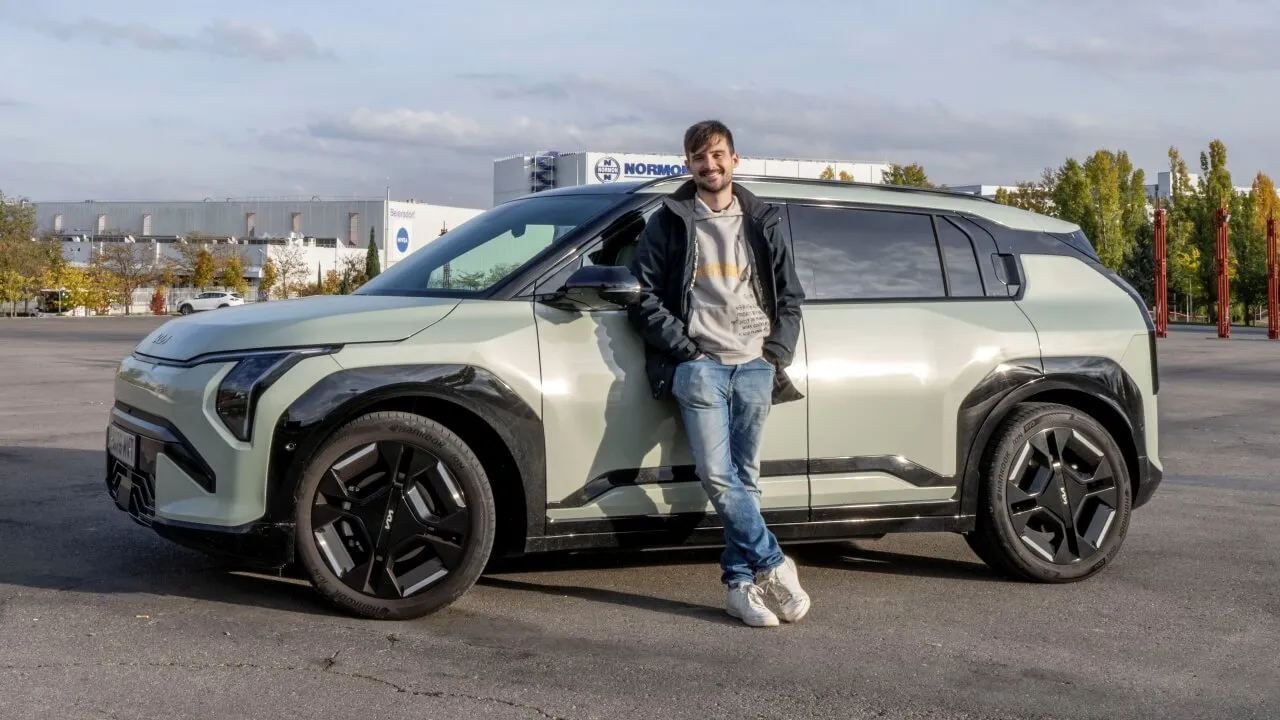
Is it possible to travel with a Kia EV3 without worrying about running out of battery? We tested this on a 1,000-kilometer journey.
And that’s because while we’re quite clear about this in everyday situations, especially when there’s a charging station at home, driving hundreds of kilometers on the highway still raises some doubts among customers. The classic questions are: Will there be enough chargers? How long will we have to stop? And what range can we expect when traveling at normal highway speeds?
To answer these questions, at Forococheselectricos we decided to rely on our own experience. We got behind the wheel of one of the most popular electric cars on the Spanish market and took a trip that closely resembled what a weekend getaway might be like. The journey included driving on highways, facing various weather conditions, low temperatures, and several charging sessions, which allowed us to see how the car performs outside of the standardized test figures.
The star of the test was the Kia EV3 Long Range, with which we covered over 1,000 kilometers between Madrid, Puerto Lumbreras (Murcia), Valencia, and back to Madrid. This real-world test, using the air conditioning normally without trying to artificially lower fuel consumption, allowed us to understand both its strengths and the limitations it still has compared to some of its competitors.
Actual range of the Kia EV3: How many kilometers can we travel on the highway?
Parameter
Result
Model tested
Kia EV3 GT Line Long Range
Battery
81.4 kWh
Rated range
605 km WLTP
Actual distance traveled
Over 1,000 kilometers
Reference speed
120 km/h
Observed fuel consumption
16.9-21.7 kWh/100 km
Observed/estimated range
Around 400 kilometers
Outdoor temperature
7-17 °C
Fast charging 10-80%
32-34 minutes
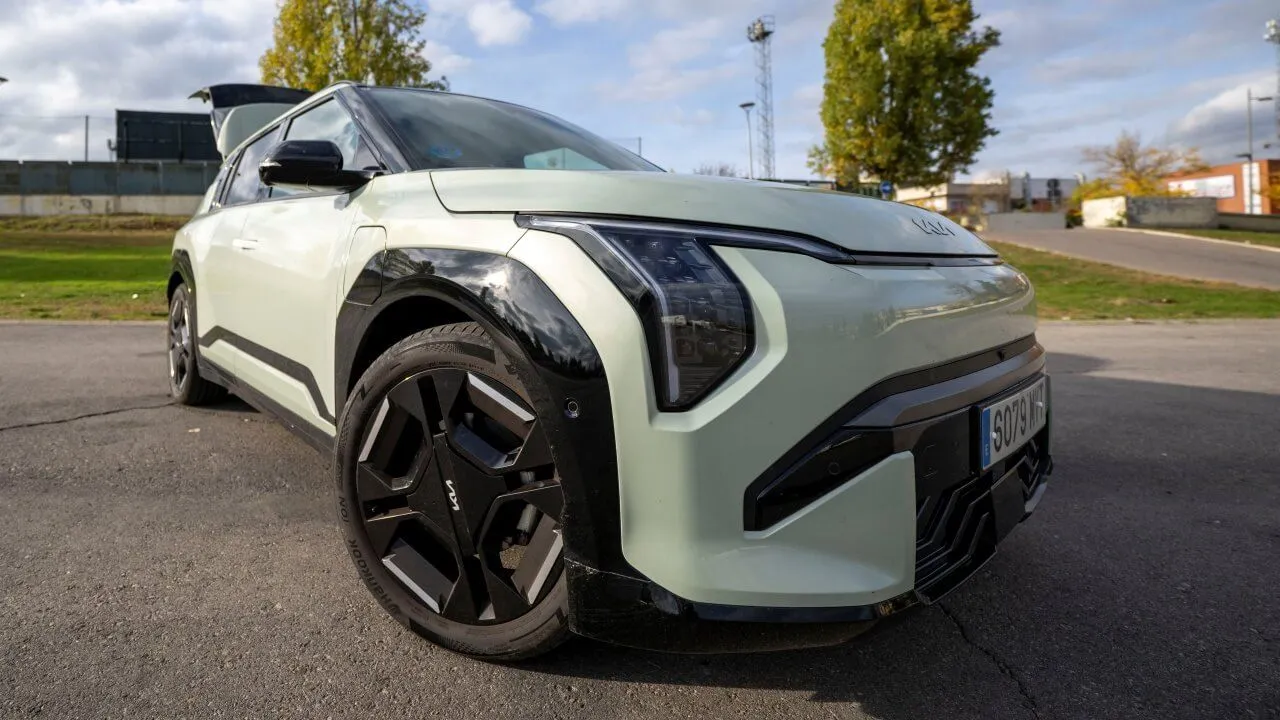
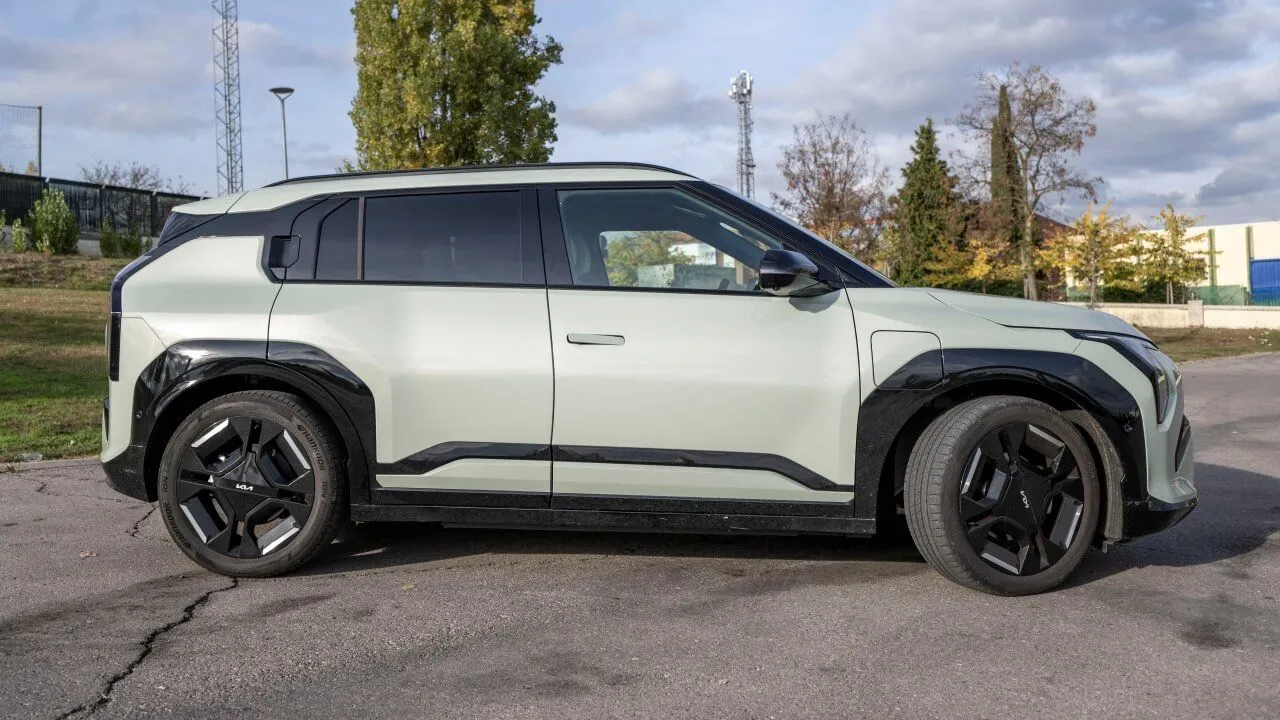
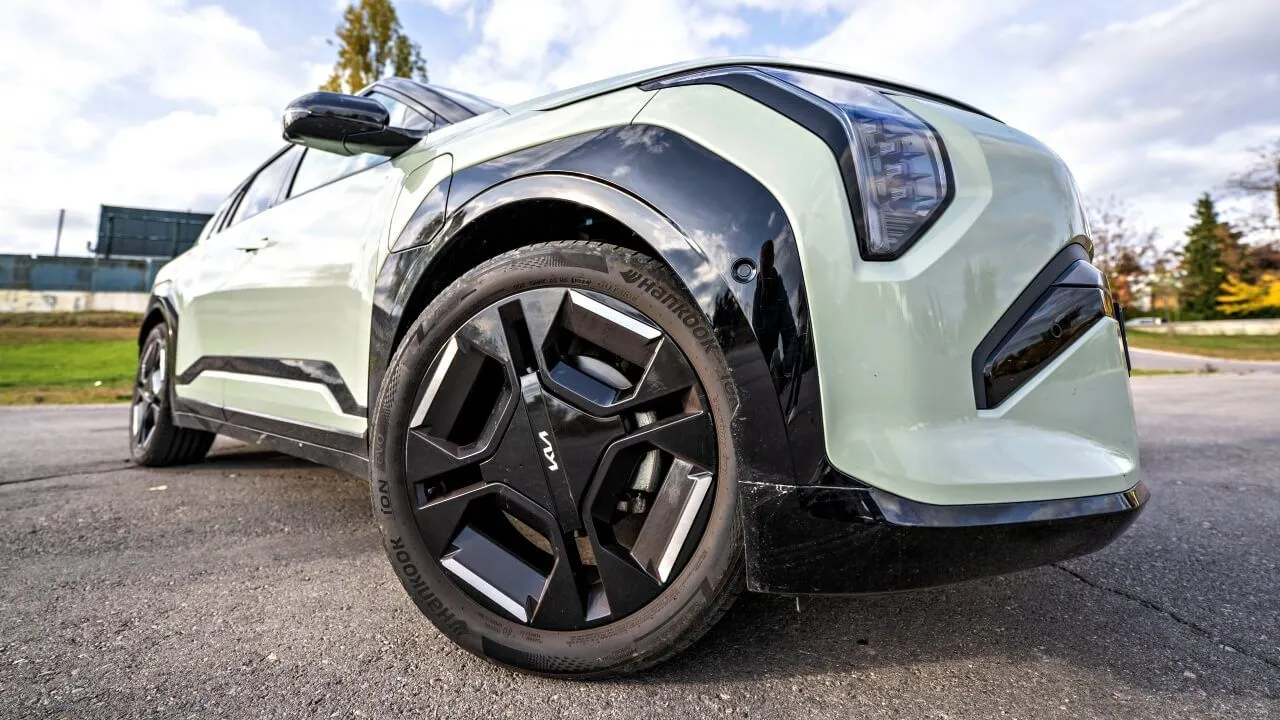
The Kia EV3 is a compact SUV measuring 4.30 meters in length that uses Hyundai Group’s E-GMP platform. Unlike the Kia EV6 and EV9, which rely on an 800-volt architecture, the EV3 uses a 400-volt system. The model we tested was equipped with a front-mounted motor producing 150 kW (204 HP) and the largest battery capacity of 81.4 kWh, offering an approved range of up to 605 kilometers under WLTP standards.
During our trip, we encountered quite varied conditions. The outside temperature ranged from 7 to 17 degrees, and in some sections we drove at night, in the cold, with the heating on. The air conditioner was set between 23 and 25 degrees, and we also used the heating in the front seats and on the steering wheel. In other words, it was standard usage, without sacrificing comfort to achieve better fuel efficiency figures.
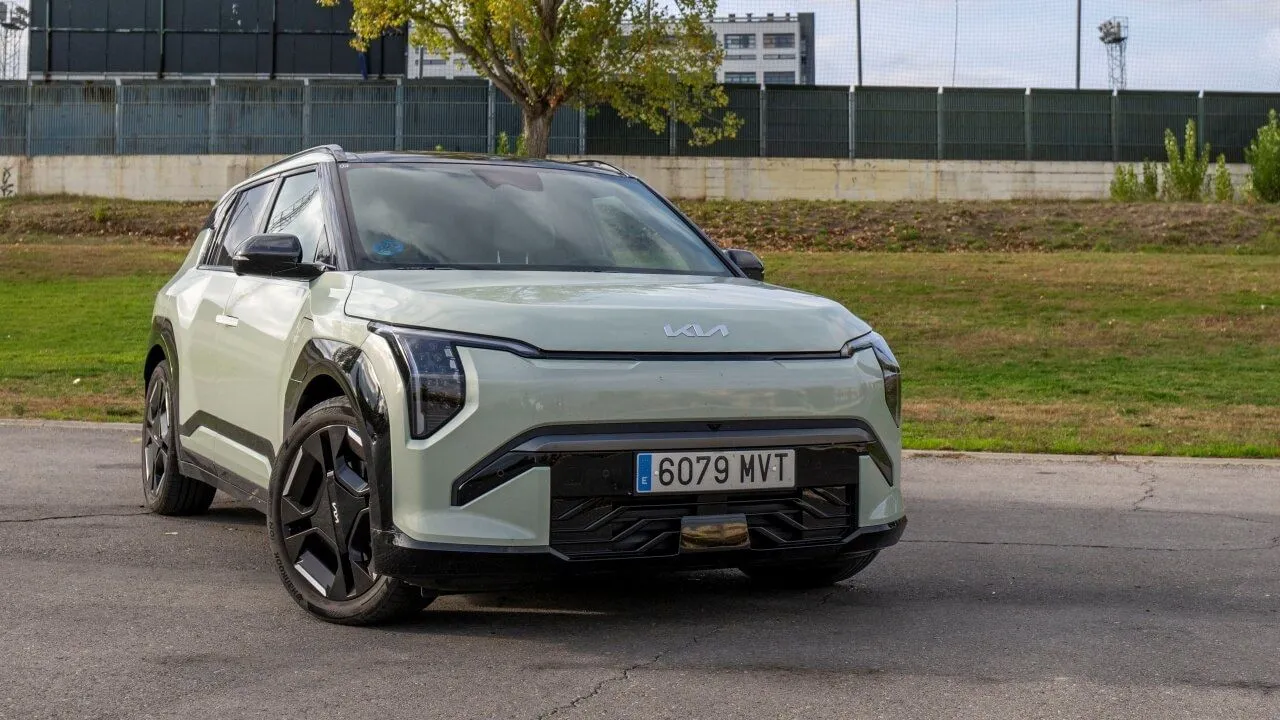
The results were quite positive. At 120 km/h, we recorded fuel consumption ranging from 16.9 to 21.7 kWh/100 km, depending mainly on temperature and road conditions. On the most favorable sections, the Kia EV3 demonstrated notable efficiency for an SUV, while long climbs and lower temperatures increased energy consumption.
The most interesting aspect is that, thanks to its large battery, the actual range on the highway was around 400 kilometers with a full charge, exceeding this figure under favorable conditions. Only on one section, with an uphill slope and especially low temperatures, was the estimated range slightly below that mark. This result confirms that the EV3 Long Range can handle long trips without needing to stop frequently to recharge.
That said, it’s important to distinguish between the autonomy that can be achieved by using almost the entire battery and the recommended distance between stops. In a normal trip, it’s not advisable to reach a charger with the battery completely drained, so we need to leave some margin for potential unexpected situations. Additionally, weather conditions, speed, and terrain can significantly affect the results.
How long does it take to charge the Kia EV3 during a trip?
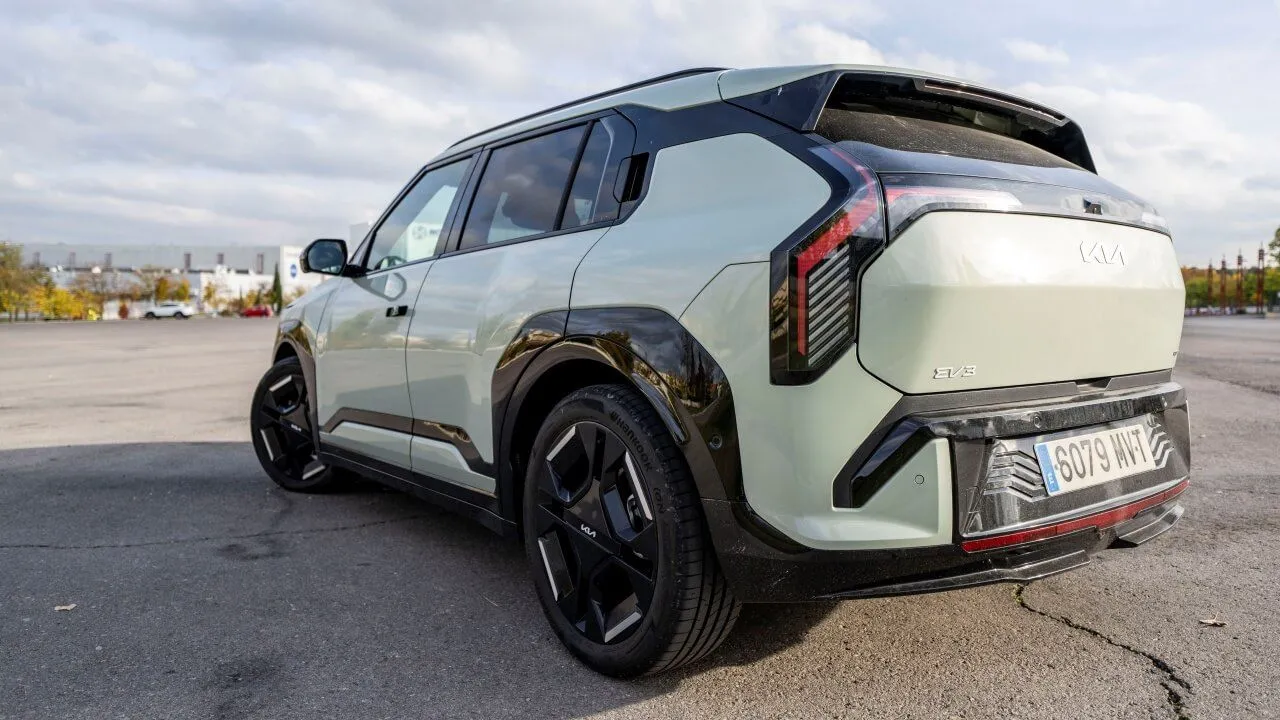
A good range is important, but it’s not very useful if we have to stay connected to a charger for too long afterward. That’s why, during our testing, we also paid special attention to the Kia EV3’s performance at fast charging stations, one of the factors that most influence the driving experience with an electric car.
On paper, the Kia EV3 Long Range supports a maximum power of 128 kW in DC, with an official charging time of about 31 minutes to go from 10% to 80%. These figures aren’t particularly high compared to other models in the brand’s lineup, such as the EV6, which, thanks to its 800-volt architecture, can complete the same charge in around 18 minutes.
However, there is an important detail that often goes unnoticed: maximum power isn’t everything. It’s also necessary to observe how that power is maintained as the battery percentage increases. In this regard, the Kia EV3 showed quite consistent performance throughout our test drive.
At the charging stations capable of providing the required power, we recorded times between 32 and 34 minutes to go from 10% to 80%, which were very close to the figures advertised by Kia. For most of the test, the power remained above 100 kW, and even at 75%, it was still over 70 kW. By reaching 80%, the power dropped to just over 50 kW.
Charging stops during our 1,000 km journey with the KIA EV3
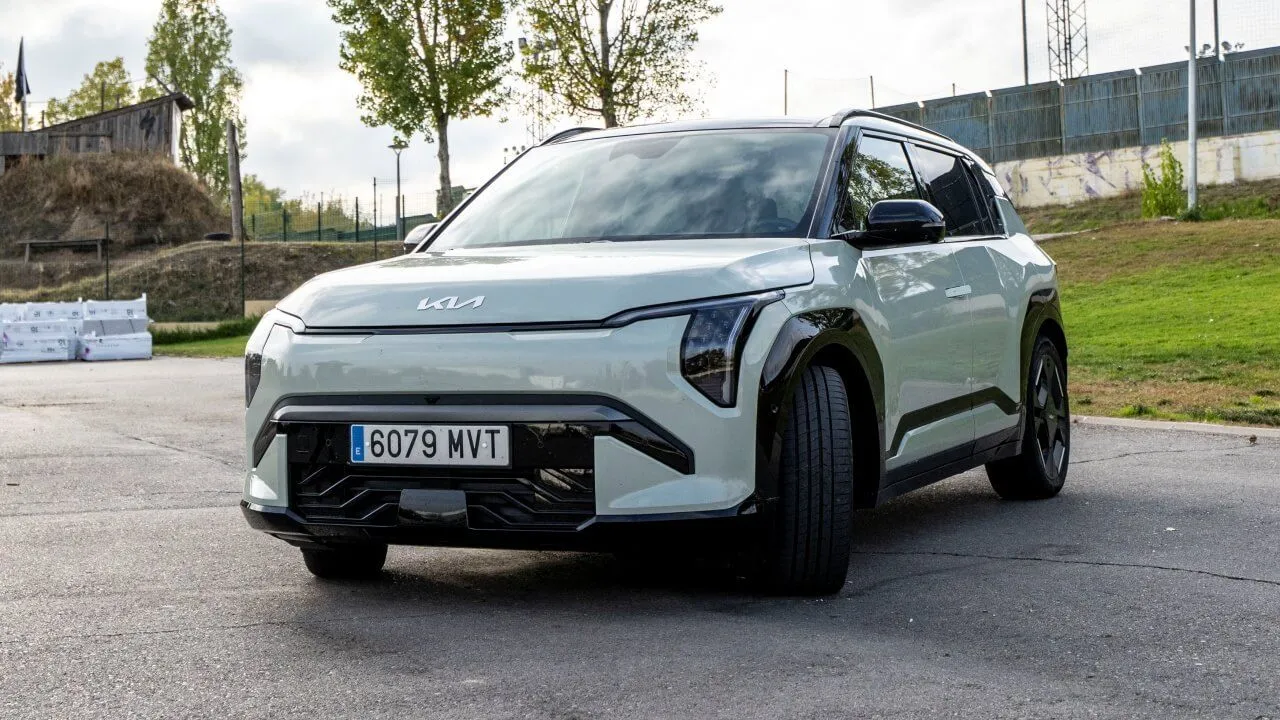
One of the most important aspects when traveling with an electric car is knowing how long we need to stop to recharge it.
During our trip between Madrid, Murcia, and Valencia, we were able to test the performance of the KIA EV3 Long Range, which features a 81.4 kWh battery and a claimed maximum fast charging power of 128 kW. At charging stations that allowed full utilization of the vehicle’s charging capacity, the time it took to go from 10% to 80% charge ranged from 32 to 34 minutes, figures very close to the 31 minutes claimed by KIA.
The load curve also showed fairly stable behavior, remaining above 100 kW for most of the process. At 75% battery level, it was still above 70 kW, while at 80% the power dropped to just over 50 kW. These results give a clear idea of what to expect during a long journey. A stop of about half an hour is sufficient to recover a significant amount of energy and continue the trip, time that can be used to rest, eat, or have a coffee.
The main limitation of the EV3 lies not so much in the stability of its charging curve as in the maximum charging power it allows. Compared to models that can reach 10–80% charge in less than 20 minutes, it requires a longer charging time. However, our experience shows that its charging times are predictable, which is especially important when planning a route with multiple stops.
KIA EV3 Long Range: fast charging results during a 1,000 km journey
Model
KIA EV3 Long Range
Battery
81.4 kWh
Announced maximum charging power
128 kW
Charging range analyzed
10–80%
Actual charging time
32–34 minutes
Time announced by KIA
31 minutes
Power during most of the charging process
Over 100 kW
Power at 75% charge
Over 70 kW
Power at 80% charge
A little over 50 kW
Is it comfortable to travel hundreds of kilometers with the Kia EV3?
Beyond range and charging, a car designed for long trips also needs to offer a high level of comfort. And this is one of the aspects we liked most about the Kia EV3. Despite its compact size, the Korean manufacturer has managed to create a spacious and well-utilized interior, with rear seats that provide enough space for passengers and a 460-liter trunk, supplemented by another 25-liter compartment in the front.
The front seats seemed especially comfortable, with headrests that use elastic mesh instead of traditional padding. The suspension is also clearly designed for comfort, effectively filtering out road irregularities, while the good sound insulation allows long-distance driving without road noise becoming a nuisance.
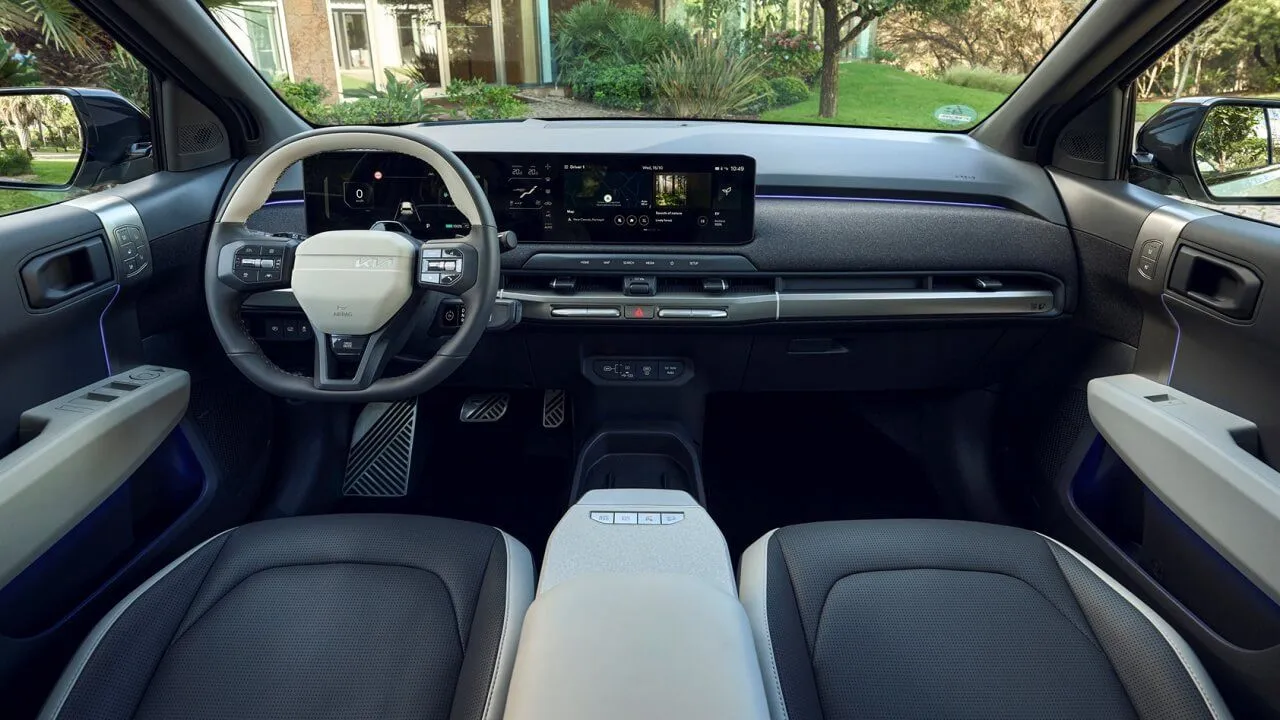
The EV3 is not a car designed to stand out with sports performance. Its response is smooth and gradual, and its dynamic behavior is aimed at providing comfort rather than intense sensations. This philosophy fits well with the type of driver who seeks a family-friendly, efficient electric car suitable for both daily use and road trips.
The regenerative braking system is also practical, allowing drivers to select different levels of braking through levers located behind the steering wheel. It even features a one-pedal driving mode, which is especially convenient in the city, though its importance is much lower when driving on highways.
What does an electric car need to offer a good charging experience?
When discussing the best charging ecosystems for electric vehicles, people often focus solely on the number of available stations. However, a driver’s experience depends on several factors: the car’s range, its ability to utilize the power of chargers, the ease of finding compatible stations, and the ability to plan stops without complications.
Our test of the Kia EV3 allowed us to evaluate especially the first two aspects. On one hand, the Long Range version’s range provides sufficient coverage for long trips on the highway. On the other hand, its charging curve enables relatively fast energy recovery, with times that are close to those advertised by the manufacturer.
On a journey like the one we took between Madrid, Murcia, and Valencia, having a range of around 400 kilometers reduces the need to constantly search for chargers. The driver can plan stops based on their needs and the route, rather than having to stop frequently. That said, it’s still advisable to check in advance the availability of charging stations, their capacity, and possible alternatives in case of issues.
Kia also offers specific services to facilitate public charging, such as Kia Charge, which allows access to networks from different operators through a single service. This type of solution can simplify the experience, though it’s advisable to check the rates and terms applicable to each charging station, as not all offer the same price or features.
It’s important to distinguish here between what we have been able to verify directly and what is part of Kia’s commercial offering. Our testing confirms the range and charging times of the EV3 under the described conditions, but it does not constitute a complete evaluation of Kia Charge nor a comparison of its coverage with that of other manufacturers.
How much does it cost to drive 100 kilometers with the Kia EV3?
Another factor that affects the driving experience with an electric car is the cost of energy. Unlike gasoline cars, where fuel prices typically stay within a relatively narrow range, charging electric vehicles can result in significant differences between charging at home and at a high-power public charging station.
Using the consumption figures we obtained during our test, we can calculate how much it would cost to travel 100 kilometers at different electricity prices. This is a simulation based on the results of our trip, not a measurement of the amounts paid during the journey.
As we can see, charging at home can significantly reduce the cost of using a car. In contrast, when we rely solely on fast charging stations with high rates, the savings compared to a gasoline-powered vehicle can be much smaller. These calculations do not include losses during charging or possible subscription fees, so the final cost may vary.
For those who frequently travel long distances, it’s useful to check the rates of available networks before setting out and determine whether any subscription can reduce the cost per kWh. It’s also important to remember that the charging power isn’t always the same, even within the same network, and that choosing a charger with higher power than what the car supports doesn’t necessarily mean the charge will finish faster.
Frequently asked questions about the range and charging of the Kia EV3
How many kilometers can the Kia EV3 actually travel on the highway?
In our test with the Kia EV3 Long Range, equipped with an 81.4 kWh battery, we achieved a range of around 400 kilometers at highway speeds with a full charge. The energy consumption at 120 km/h ranged from 16.9 to 21.7 kWh/100 km, depending on road conditions.
How long does it take to charge the Kia EV3 from 10% to 80%?
During our test, we recorded times between 32 and 34 minutes at charging stations capable of delivering the vehicle’s maximum allowable power. The manufacturer claims approximately 31 minutes for the Long Range version, so the results we observed were very close to this official figure.
Is the Kia EV3 sufficient for trips over 1,000 kilometers?
Yes. We completed a journey of over 1,000 kilometers between Madrid, Puerto Lumbreras, Valencia, and Madrid. The vehicle’s range and comfort allow for such trips, though it’s necessary to plan charging stops and reserve some battery capacity for unexpected situations.
What’s the difference between the two battery capacities of the Kia EV3?
The Kia EV3 is available with two battery capacities: 58.3 and 81.4 kWh. In the configuration tested by us, its certified ranges were 436 and 605 kilometers WLTP respectively. The higher-capacity version is particularly useful for those who frequently travel long distances.
Does the Kia EV3 have an 800-volt fast charging system?
No. The Kia EV3 uses a 400-volt architecture and supports up to 128 kW of DC power in the Long Range version. The Kia EV6 and EV9 employ an 800-volt architecture that allows for higher charging speeds and reduced charging times.
Our conclusion after over 1,000 kilometers
After driving over 1,000 kilometers with the Kia EV3, our experience was highly positive. The Korean SUV proved that a compact electric vehicle can handle long distances comfortably, with sufficient range and reasonably predictable charging times. Its fuel efficiency at highway speeds was also one of the standout aspects of the test, especially considering the temperatures we encountered during part of the journey.
The conclusion of our test is that traveling across Spain with a Kia EV3 Long Range is perfectly feasible without turning every journey into a concern about the battery. The key lies in knowing its actual range, planning stops, and using appropriate charging stations. It doesn’t completely eliminate the need to organize the trip, but it shows that covering long distances with an electric car can now be part of a completely everyday driving experience.