
Truck and bus records. Europe slows down, Poland speeds up, delivery vehicles remain unchanged
In the article:
- Poland recorded one of the highest growth rates in the EU’s truck market
- Bus registrations in Poland increased by an impressive 68.6 percent.
- Electrification is growing, but diesel still dominates transportation
Europe recovers after a weak period
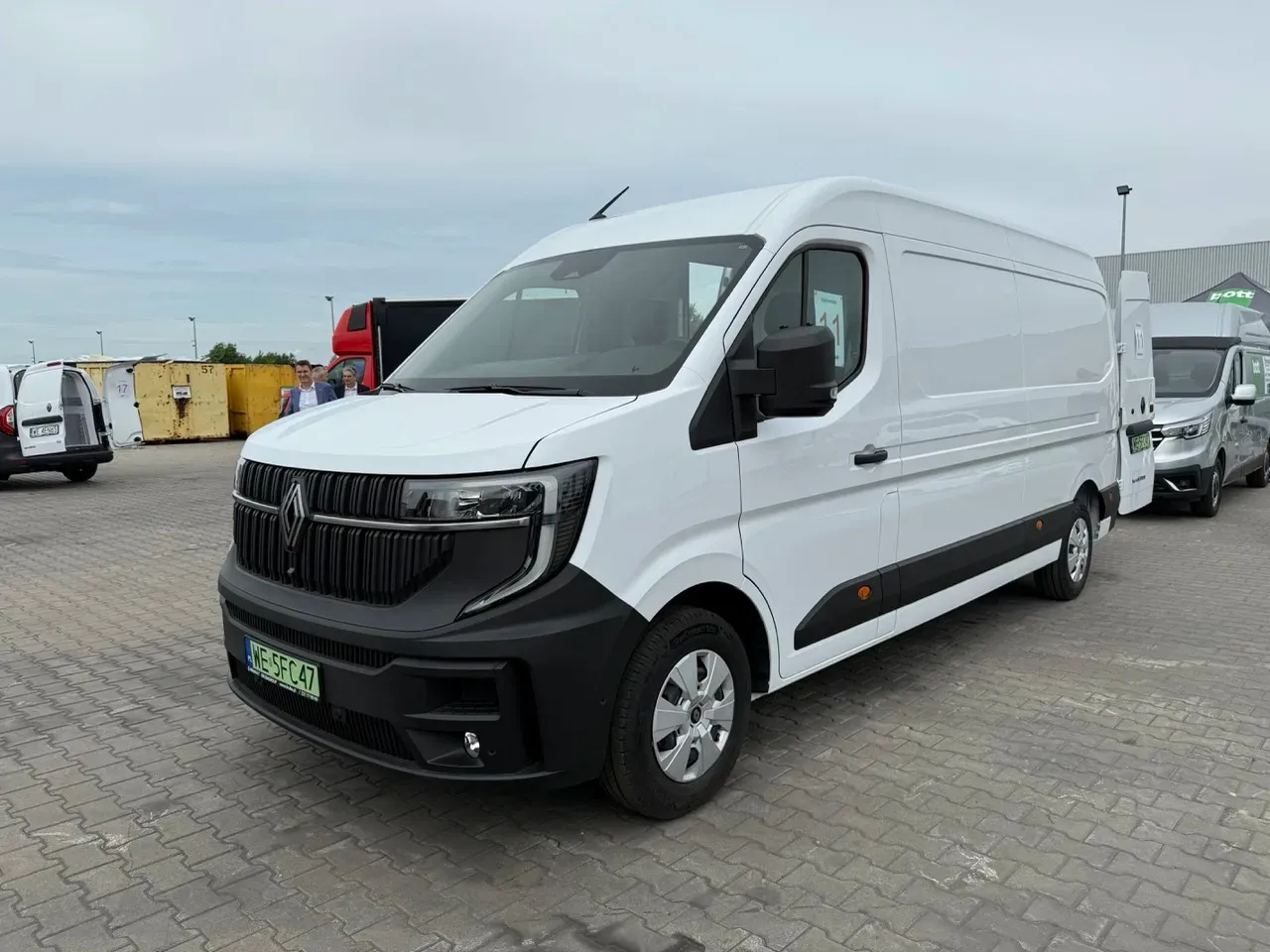
The commercial vehicle market in the European Union has had three quarters of this year that are hard to describe as clearly successful. According to the European Association of Automobile Manufacturers (ACEA), the number of new commercial vehicle registrations remained practically at the same level as last year. From January to September, 1,073,427 vans were registered, almost the same as the previous year.
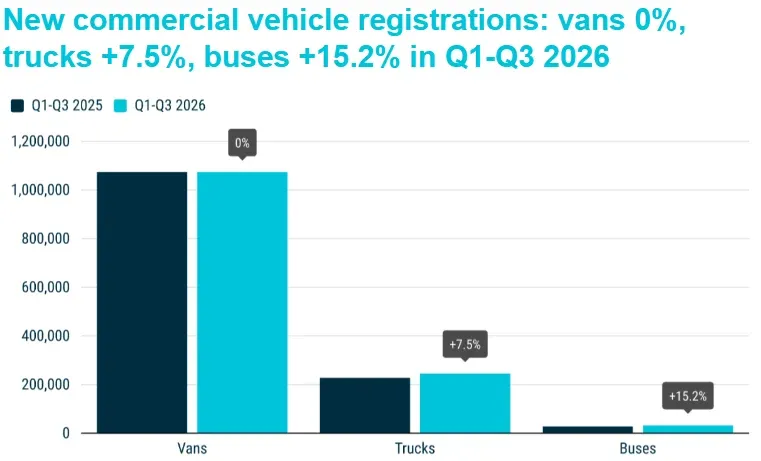
The situation in the truck segment looks much better, as registrations in the European Union increased by 7.5 percent, reaching 245,079 vehicles. The ACEA report authors note that this growth was driven primarily by demand for heavy trucks, whose sales rose by 8.5 percent. According to the organization, “the increase reflects a recovery in the market after a previous weak period” as well as improved demand for road transport.
Poland at the Top in Europe
The most interesting figures from the perspective of the Polish market relate to trucks. According to ACEA, the number of new truck registrations in Poland increased by 20.5 percent year-on-year. In Spain, the increase was 13.2 percent, while Germany recorded a modest 2.5 percent growth, and France saw a 1.6 percent decline — according to ACEA.
The figures for buses are even more impressive. Across the European Union, registrations of new buses rose by 15.2 percent, reaching 32,695 units. Meanwhile, Poland recorded a staggering 68.6 percent increase, with 3,107 new registrations. As a result, it became the fifth largest bus market in the Community.
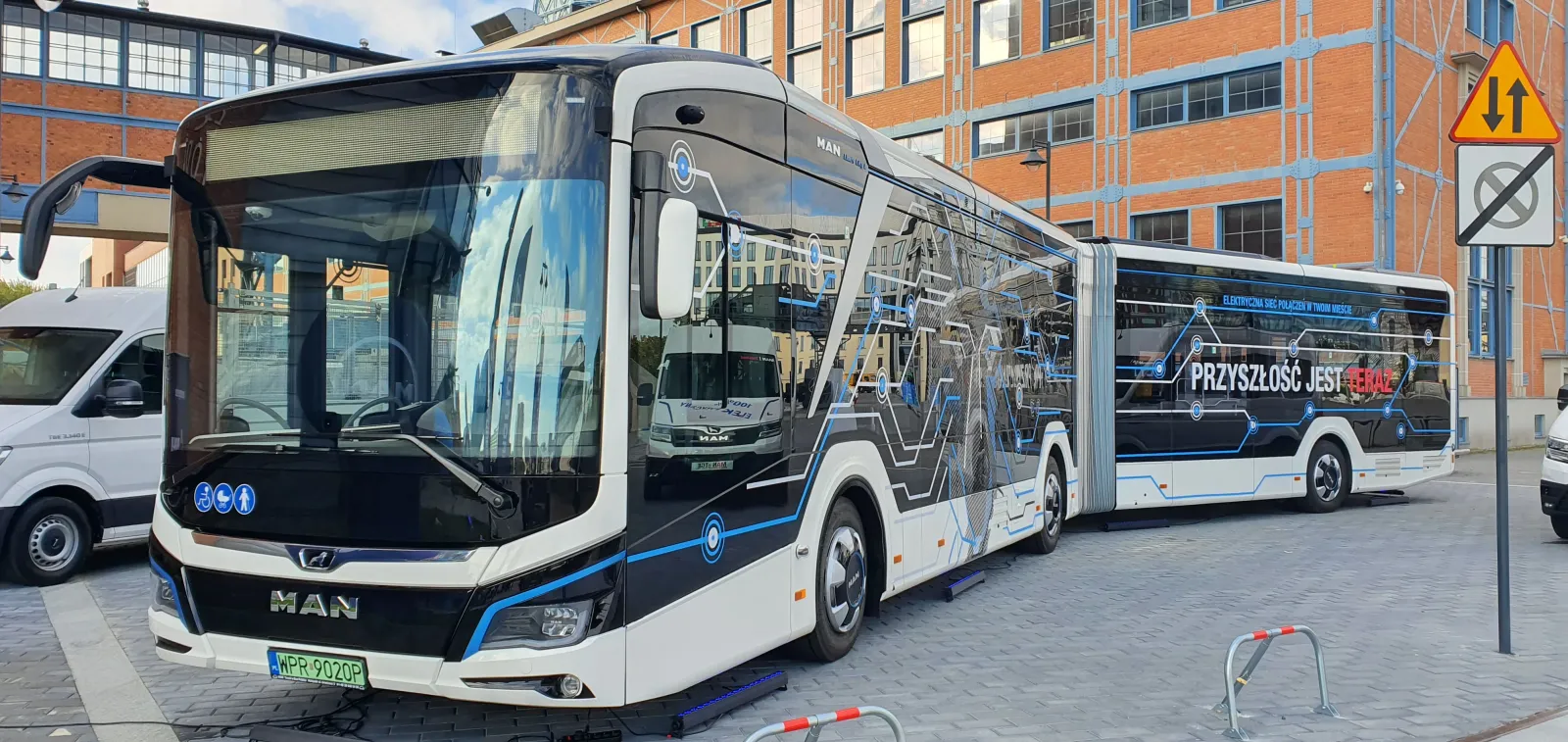
According to ACEA, this figure illustrates the scale of investments being made by local governments and public transport operators, as just a few years ago Poland was primarily a significant bus manufacturer. Today, it is also becoming one of the most important buyers of modern urban transport vehicles.
Electromobility is gaining momentum, but…
…diesel engines still remain the dominant power source in transportation, while the share of electric vehicles is increasing. In the commercial vehicle segment, registrations of plug-in models rose by 38.2 percent, and their market share increased to 14.1 percent in the European market.
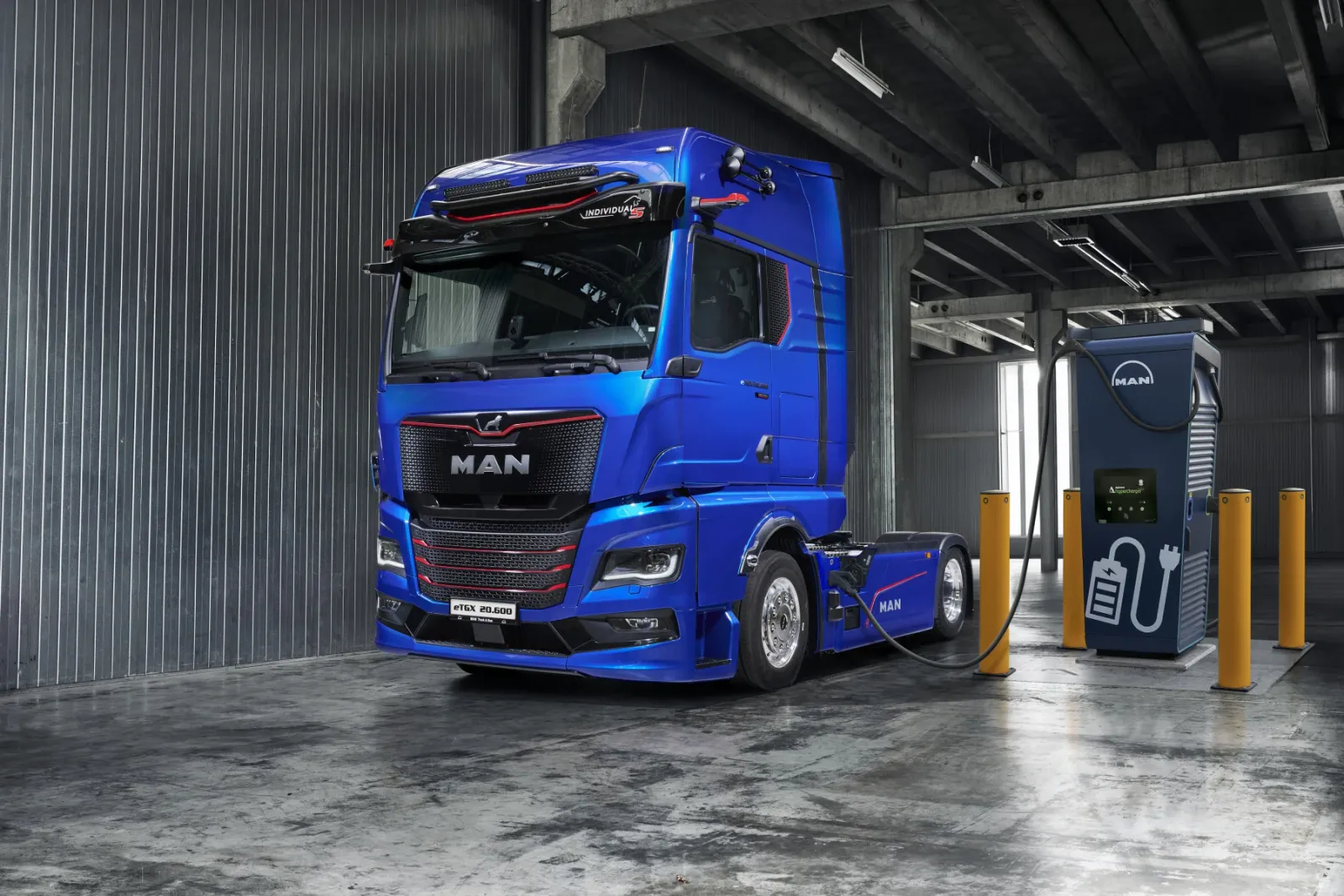
A faster growth rate can be seen in trucks. Registrations of electric trucks increased by 49.8 percent, with their market share reaching 5.3 percent. Germany, France, and the Netherlands remain leaders in electrification, accounting for nearly three-quarters of all registrations of such vehicles in the European Union.
The market for electric buses is developing just as dynamically. ACEA reported a 37.6 percent increase in registrations, with such vehicles accounting for 22.1 percent to 26.4 percent of the total bus market.
Diesel still holds the advantage
Well, despite the growing popularity of alternative drives, a revolution has not yet occurred on a large scale. In the case of trucks, diesel still accounts for 91.7 percent of all new registrations in the European Union.
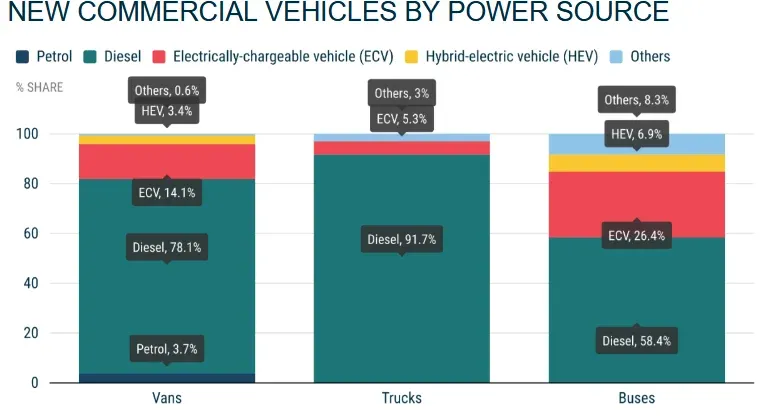
In buses, diesel engines account for 58.4 percent, while in delivery trucks it’s as high as 78.1 percent. This shows that although manufacturers are accelerating energy transition efforts, transport companies still prioritize proven technologies. But this is also changing, just slowly.
Oskar Włostowski