
The Range Rover Evoque and Velar will be discontinued in 2027
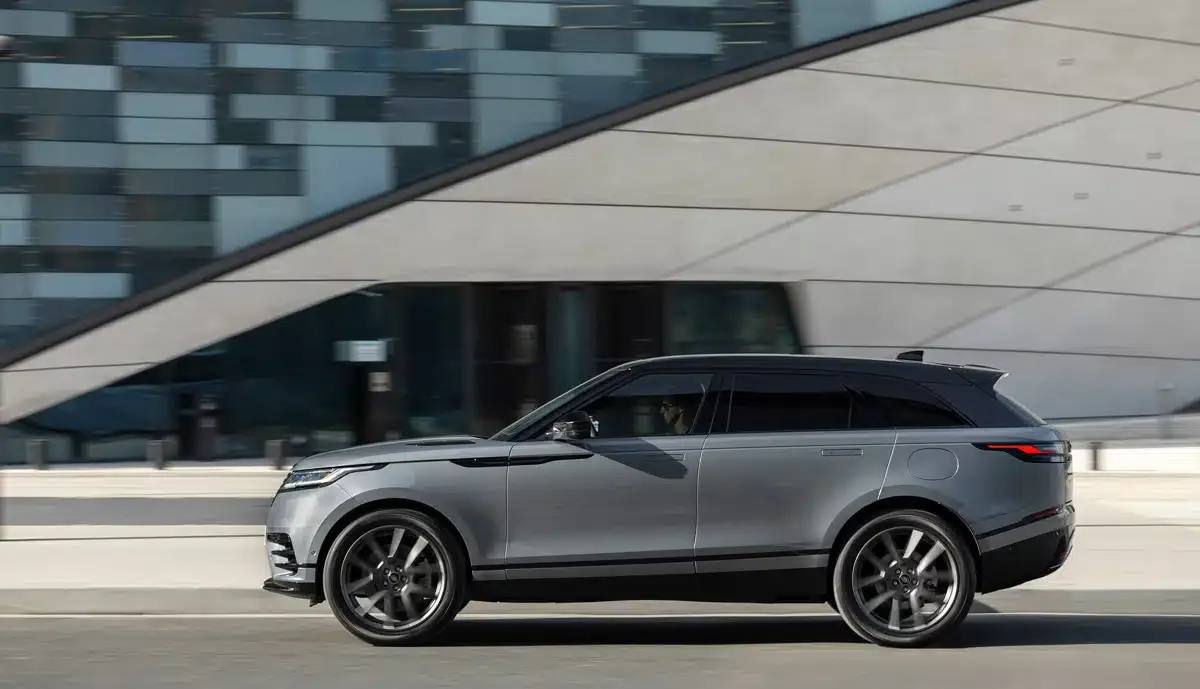
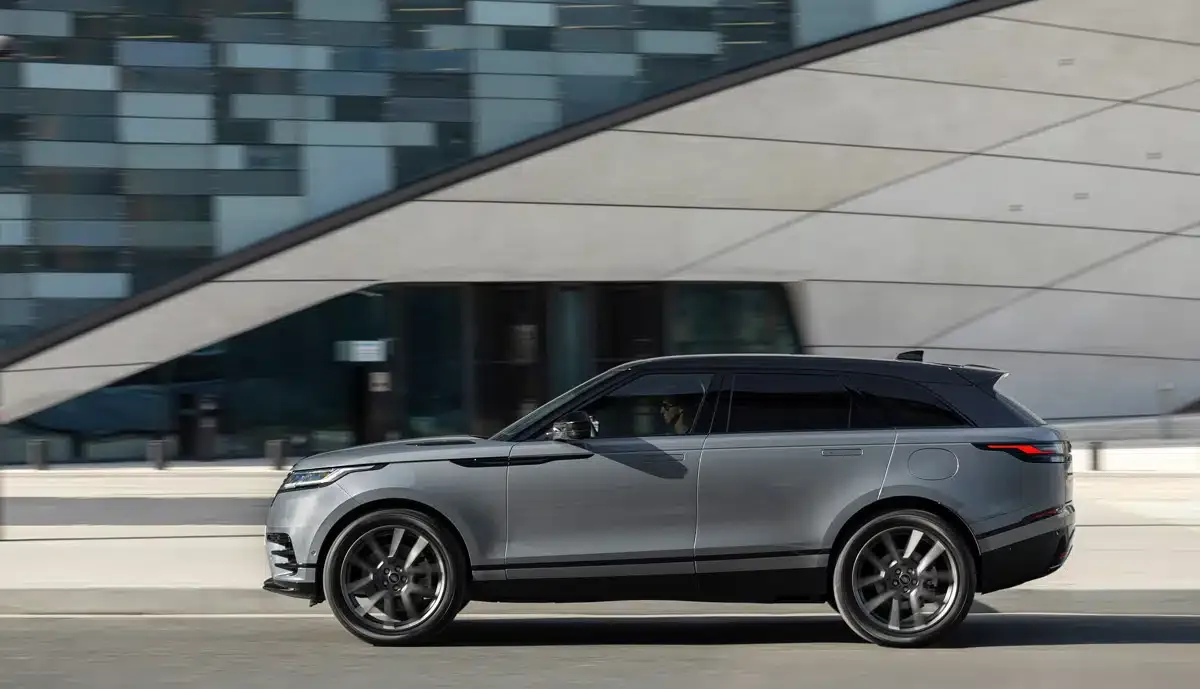
Image: Land Rover
JLR (Jaguar Land Rover) will cease production of the Range Rover Evoque and Range Rover Velar (featured in this article) by mid-2027. The company confirmed this to the U.S. automotive magazine Car and Driver. Both SUVs will continue to be sold in selected markets with strong demand throughout the coming year. According to Range Rover CEO Martin Limpert, no direct successors are planned for these models.
With the Evoque and Velar, the two most affordable models in the Range Rover portfolio are being phased out. The Evoque was introduced in 2011 and has been available in its second generation since 2018, while the Velar launched in 2017. Electric powertrains were also introduced later on. According to Limpert, the discontinuation of these two models is part of Range Rover’s repositioning as a standalone luxury brand within the JLR group. Under the so-called House-of-Brands strategy, the Defender and Discovery brands are intended to focus more on smaller and more affordable vehicle segments in the future.
The future Range Rover lineup is set to focus on the classic Range Rover, Range Rover Sport, and the new Range Rover GT. The GT will be positioned as a separate model with a stronger emphasis on road use and is expected to launch first with a fully electric powertrain. Limpert told Autocar that the vehicle was not designed as a direct successor to the Velar. According to the British industry magazine, launch is scheduled for early 2027, with later hybrid versions set to complement the powertrain options.
The technical foundation of the new Range Rover GT is the Electrified Modular Architecture (EMA), which JLR has developed for its next generation of vehicles. Production is planned at the Halewood plant in the UK, which is being upgraded to manufacture new electrified models. Another model from the Defender family is also set to be produced there using the same architecture. In June, JLR confirmed that in the future, in addition to battery-electric powertrains, full hybrid powertrains will also be offered on the EMA platform.
The reorganization of the model lineup is taking place alongside a changed electrification strategy by the British company. Last summer, the manufacturer stated it intends to continue offering mild hybrids, full hybrids, plug-in hybrids, and battery-electric vehicles in the future, depending on the brand and market. Fully electric versions of the Range Rover and Range Rover Sport have already been introduced based on the existing MLA architecture. The end of production for the Evoque and Velar is thus part of a broader shift in the model portfolio, with the Range Rover being geared more toward the upper luxury segment.
Did you spot any errors? Please let us know
by email
about them. Thank you!
Also interesting
About the author
Thomas Langenbucher is an expert in electromobility with professional experience in the automotive industry and finance sector. Since 2011, he has been covering electric vehicles, sustainable technologies, and mobility solutions for ecomento.de. Learn more.
Reader interactions