
What do the Renault 4CV and E-Tech technology have in common? 75 years of history in Spain holds the answer.
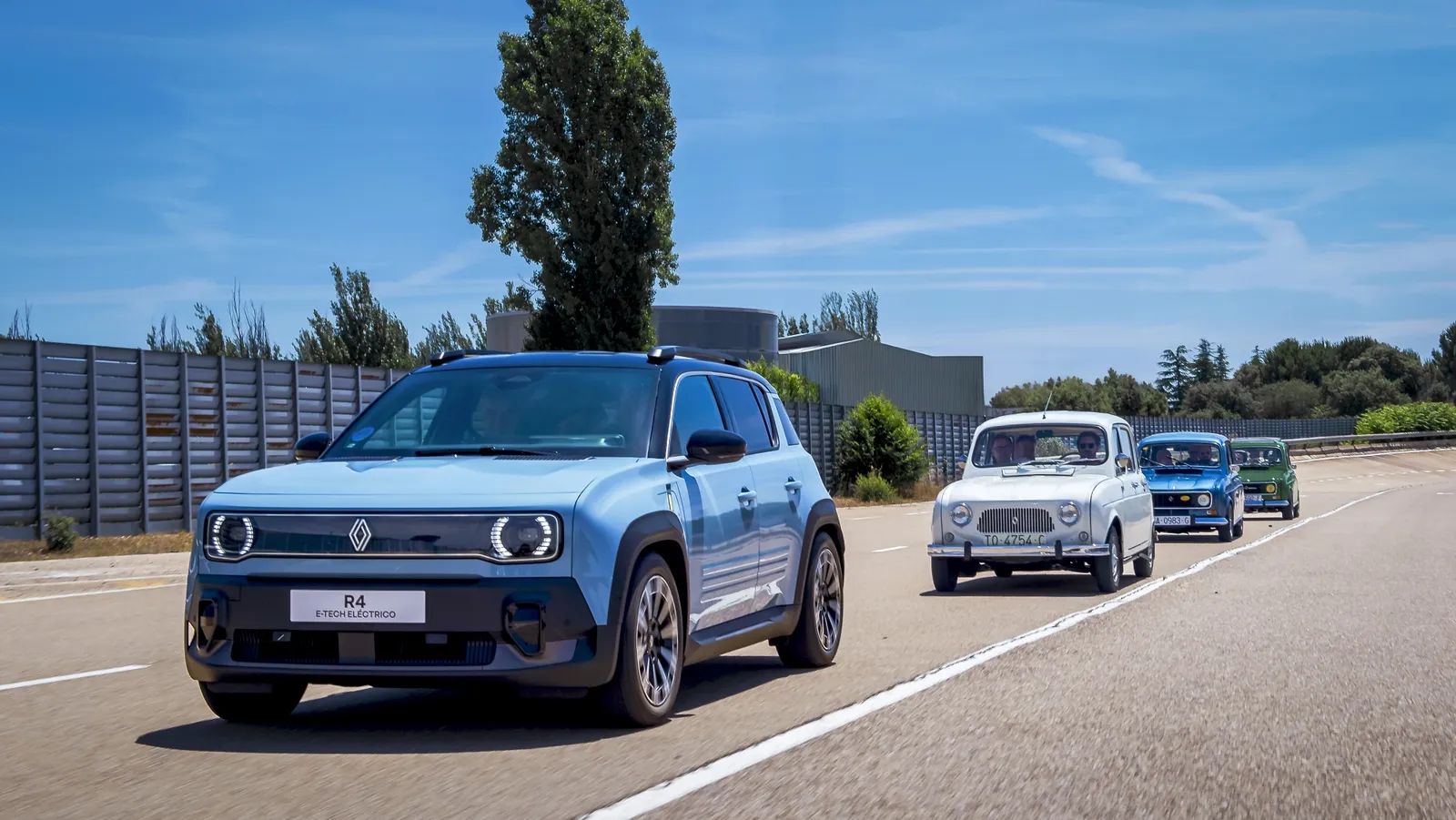
There are car brands that are sold in Spain and others that, over time, become part of its history. Renault belongs to the latter group.
Its relationship with our country began in 1951 with the creation of FASA and took one of its first major industrial steps in 1953, when Valladolid started manufacturing the Renault 4CV. Since then, cars, factories, and technologies have changed, but Spain has continued to hold a strategic position for the company.
The scale of this story is better understood with some figures. The factory in Valladolid has produced over eight million vehicles, while Palencia reached seven million by 2018. These numbers reflect industrial scale but also continuity, as they represent decades of technological advancement, changes in products, and a very close relationship with Spain’s industrial sector.
From the Renault 4 and Renault 5 to today’s hybrids
Models such as the Renault 4, Renault 5, Renault 8, Renault 12, Renault 18, Renault 21, Clio, Megane, and Captur have passed through Spanish factories. These vehicles from very different eras not only filled production lines but also became part of the roads, memories, and daily lives of several generations of Spaniards.
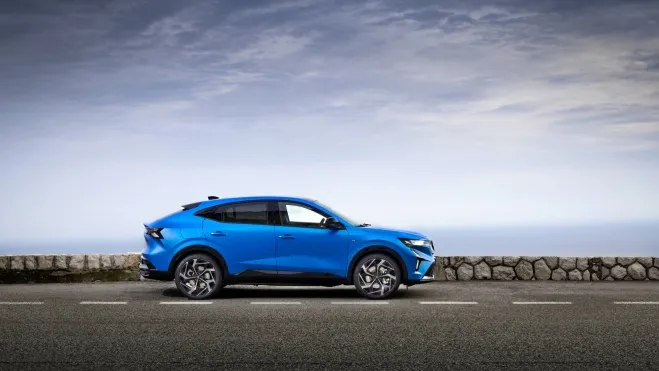
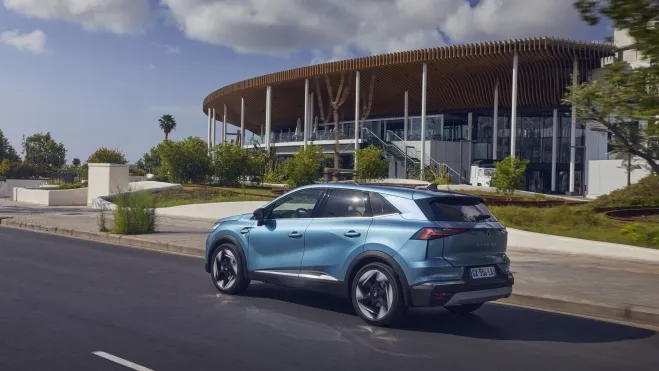
Today, those same facilities produce entirely different vehicles. Captur and Symbioz are manufactured in Valladolid, while Palencia produces Austral, Espace, and Rafale. All five models come in full hybrid E-Tech versions, which has made Spain the global hub for Renault Group’s hybridization efforts and given these factories a central role in the company’s technological strategy.
That is precisely the bridge between that 4CV and today’s hybrids. The technology could not be more different, but beneath it lies the same industrial framework that has been adapting to every change in automobiles for over seven decades, from the most basic mechanization to today’s electrification and digitalization.
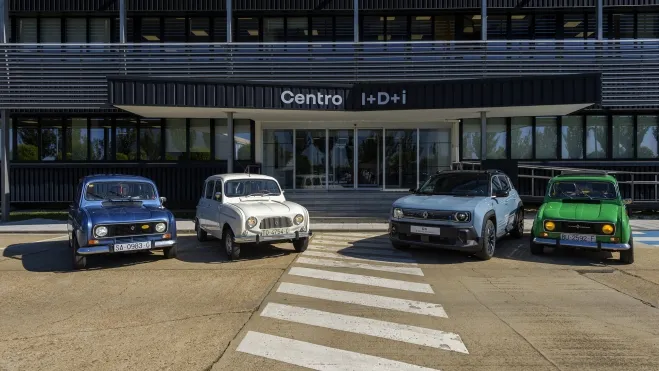
Captur is one of the best examples of that evolution. It has been manufactured in Valladolid since 2013, with over 2.6 million units produced at these facilities. In just over a decade, the model has evolved to include the full hybrid E-Tech technology while maintaining its Spanish production, which is a clear indication of how the plants have changed alongside the cars themselves.
Renault’s future is also designed in Spain
One of the less well-known aspects of Renault’s presence in Spain lies not only in its assembly lines. Valladolid houses one of the company’s five international engineering centers, and the most important of them, second only to Renault’s Technocentre in France, which places Spain at the forefront of development as well as production.
From there, work is carried out in engineering, development, and international competitiveness, with direct involvement in the evolution of future products and processes. This activity ensures that part of Renault’s added value in Spain is not limited to assembly but also extends to innovation and industrial improvement efforts that ultimately impact other markets.
Spain's role also extends to another major challenge in the industry: the circular economy. Renault operates two Refactory centers in our country dedicated to refurbishing and extending the lifespan of vehicles and components. These are two of the six such centers the company currently has worldwide, a proportion that reflects Spain's significance in this industrial sector as well.
Transformations have also reached the manufacturing processes themselves. Digitalization, data analysis, artificial intelligence, and reduced resource consumption are now part of manufacturing plants that have had to evolve at the same pace as the cars they produce. This modernization allows connecting an industrial history that began over seven decades ago with an era characterized by electrification and new production methods.
75 Years Celebrated with a Look to the Future
After 75 years of manufacturing cars in Spain, Renault not only celebrates its legacy but also looks toward the future. This vision includes recognizing the models that represent the brand’s industrial and technological evolution today, especially those still coming out of Spanish factories.
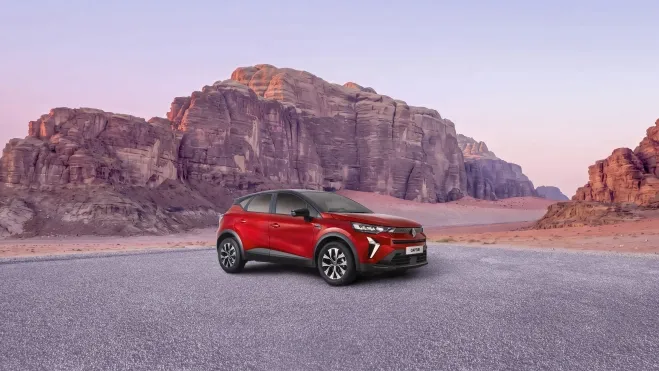
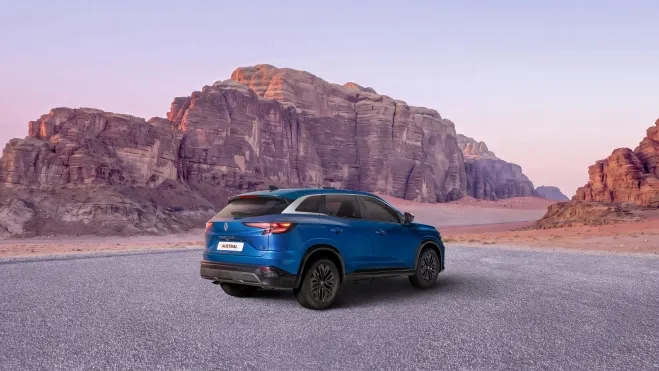
That is why Renault has chosen the Captur GLP and the full hybrid Austral E-Tech to feature in two limited editions as a tribute to seven and a half decades of domestic production. Manufactured in Spain, both models reflect an industrial commitment that belongs not only to the past but remains a key element of the brand’s present and future.
Available starting in November, these limited editions highlight the industrial expertise, innovation capacity, and human talent that have made and continue to make Spain one of Renault’s strategic pillars in Europe.
From Building Icons to Shaping Renault’s Future
The story began with manufacturing cars and creating well-known models such as the Renault 4, Renault 5, and Renault 12, but it continues today with hybrids, engineering innovations, circular economy practices, and future electric vehicles. This blend of industrial heritage and technological transformation is likely the best way to understand what these 75 years truly mean.
Three-quarters of a century later, Spain is not just part of Renault’s history. It remains one of the key locations where the company builds its future, through new investments, new models, and a strategy that keeps its Spanish factories in a prominent position within the group.