
How much does an electric battery lose in value after 5 years? Ford answers
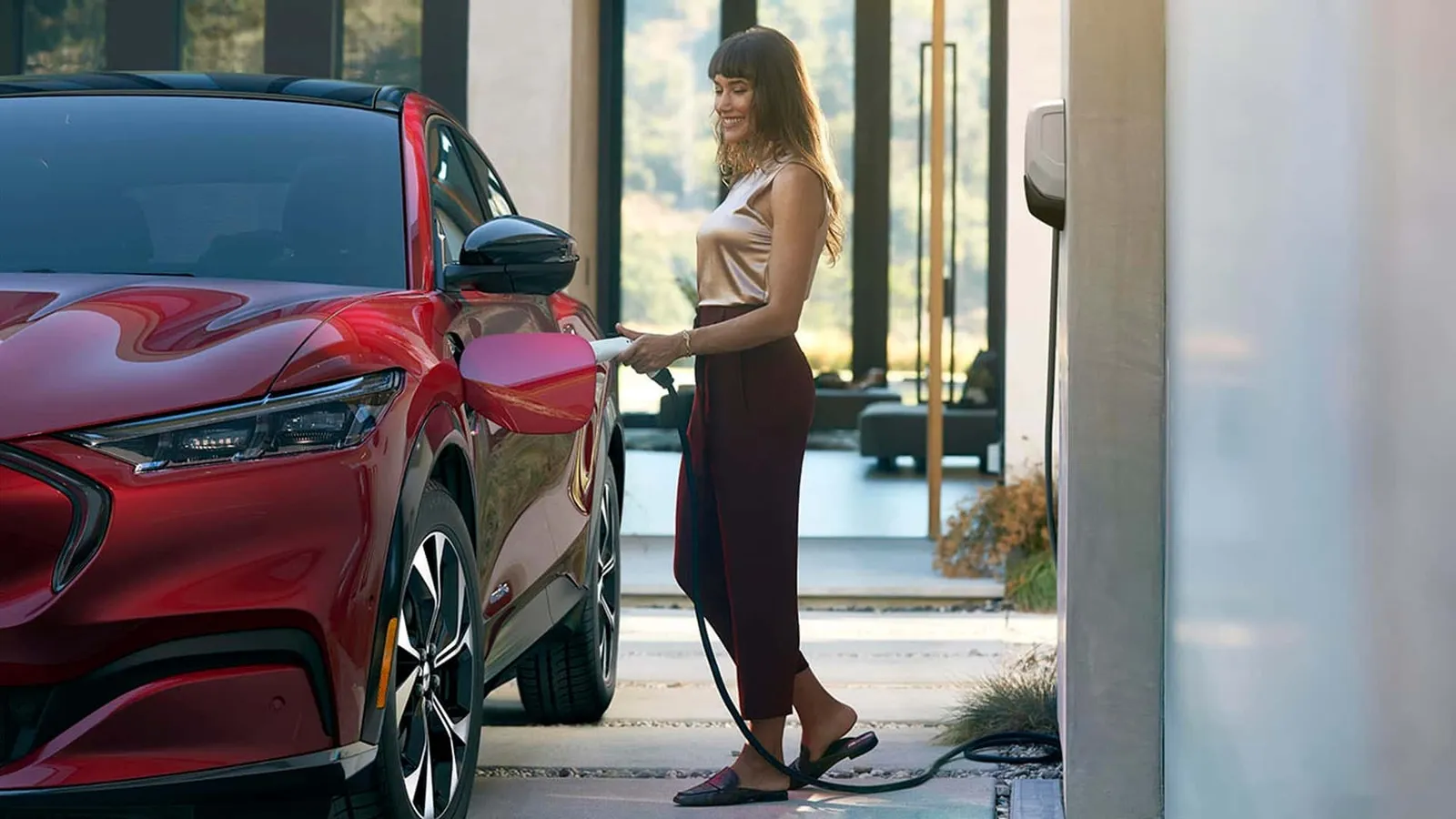
How long does the battery in an electric car last? It is one of the most common questions among those considering buying a zero-emission vehicle, especially given the cost of the car and concerns that the battery may lose a significant portion of its capacity over time.
A new study conducted by Ford on 36,000 Mustang Mach-E models sold in the United States and Canada provides interesting insights into battery longevity over time.
The research examined 2021 SUVs, analyzing their battery health after about five years of use. The results showed an average remaining capacity of 92%, despite an average driving distance of around 88,500 kilometers.
In other words, a 2021 Mustang Mach-E with an EPA-rated range of 491 kilometers could theoretically cover about 450 kilometers on a full charge today.
All the vehicles analyzed were equipped with NCM (nickel-cobalt-manganese) batteries. Ford didn’t start using LFP (lithium-iron-phosphate) batteries in the Mustang Mach-E until 2023.
Ford’s batteries also hold up under long distances
One of the most interesting aspects of the study relates to the relationship between mileage and battery degradation. Even vehicles that had accumulated significantly more mileage than average showed encouraging results. In fact, over 2,000 Mustang Mach-E models with more than 160,000 kilometers on them still retained over 91% of their original capacity.
Data on vehicles with even higher mileage confirms this trend. The over 30 models that have exceeded 320,000 km have maintained an average battery health of 88%. Overall, 95% of vehicles fall within a range of 87% to 97% of their initial capacity.
According to Kevin Vander Lann, Ford’s technical lead for high-voltage battery cells and systems, these results serve as confirmation of the assessments conducted during development.
The automaker conducts laboratory tests on battery cells and uses computer models to predict their aging, but data collected after several years of road use allows for verification of the actual performance of the batteries.
Temperature and charging affect battery life
The results of this study represent average values and do not necessarily reflect what each owner can expect. Battery degradation actually depends on various factors, including weather conditions.
For example, extremely high temperatures can accelerate the aging of battery cells compared to areas with milder climates.
Charging methods also affect battery life. Frequent use of fast charging with direct current, keeping the battery at 100% for long periods, or frequently dropping the charge level to very low values can actually speed up its degradation.
Ford Mustang Mach-E
Photo by: Ford
To limit wear and tear, Ford recommends keeping the battery level between 20% and 80% whenever possible, using AC charging for daily use, and reserving DC fast chargers mainly for longer trips.
The automaker also suggests limiting exposure to extreme temperatures by parking in the shade on hot days and using the cabin pre-conditioning while the car is still connected to the power grid.
On durability