
Pulsa aims to make private charging stations available to electric vehicle drivers.
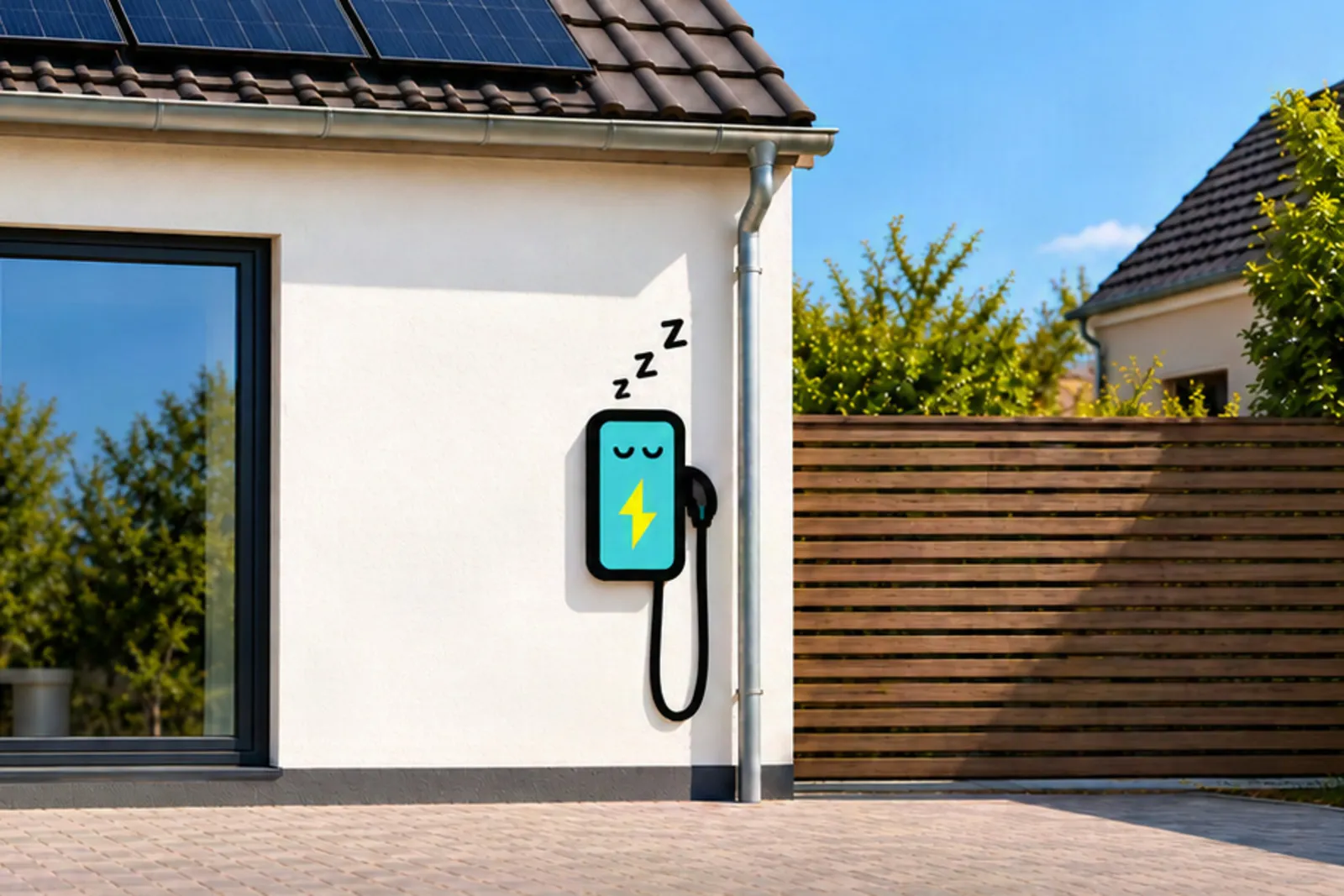
Through Pulsa, private wallboxes can be made available temporarily for other electric vehicle drivers. Three weeks after its launch, the platform claims to already have 250 registrations.
Hosts determine the price, availability, and reservations themselves.
Image: pulse B.V.
The principle is simple to explain. Owners of private wallboxes can set aside specific time slots and define their own charging rates. Electric vehicle drivers can see the price in advance, reserve a time period, and then charge through the platform. No charging card or subscription is required for this.
Upon confirming the reservation, 30 euros are initially deducted from the driver’s payment card. Only the actual amount of electricity charged is billed afterward. Payments are processed through Stripe. The charging process can only be initiated by the driver for whom the reservation was confirmed. In addition to the electricity price set by the owner, Pulsa charges a platform fee of 0.05 euros per kilowatt hour, including VAT. There is also a starting fee of 0.35 euros per charging session.
Technically, the platform is based on Charger360 and supports Wallboxes with OCPP 1.6J and 2.0.1, allowing connection to compatible charging stations from various manufacturers. Pulsa mentions models from Alfen, EVBox, Easee, Zaptec, Wallbox, Smappee, ABB, KEBA, ABL, Mennekes, and Elli as well as Volkswagen. However, whether a specific device will work depends on the model, firmware, and configuration.
A unique feature is Charger360’s OCPP proxy function, which, with appropriate configurations, enables Pulsa to be used in addition to the existing charging platform. The owner can thus temporarily make their Wallbox available to other drivers while continuing to use their current app or other functions for private charging. However, Pulsa does not guarantee full compatibility with all existing systems.
This approach differs from traditional public charging networks. The wallbox is not permanently open to any users. The owner decides on availability and reservations, and only the confirmed driver gains access for the booked time slot.
Pulsa also sees this as an opportunity to market excess solar power. However, whether and how attractive this model will be to owners depends not only on electricity prices but also on how many drivers are willing to use private properties or driveways for charging. After all, this market is not entirely new. The Netherlands already has other services for sharing private charging points, including Charge Circle and Monta. They differ somewhat in terms of technical access, billing, and whether an existing charging platform can be continued to be used.
According to the founder, the platform already had 250 registrations in the first three weeks. The key now will be whether Pulsa can attract enough active Wallbox owners and drivers to create a functional network.