
First tests of the 7,000 euro electric car that will serve as the basis for the next EBRO built in Spain
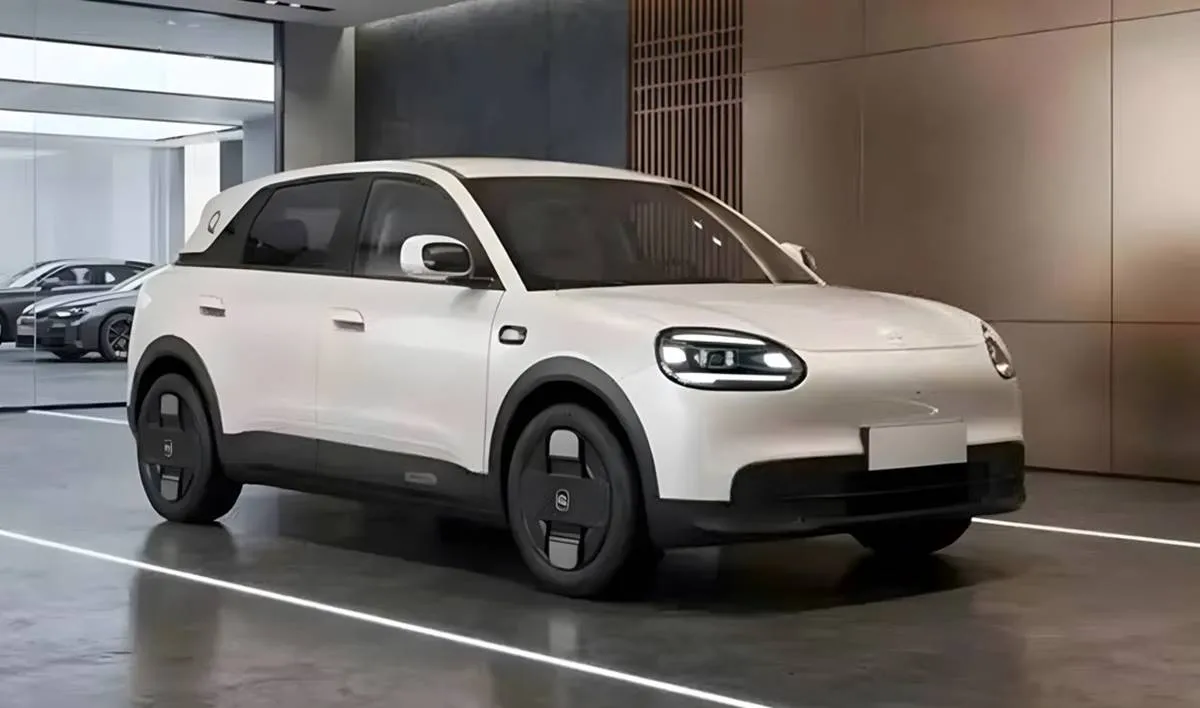
The French media outlet Frandroid had the chance to test the new Chery QQ3 in China, which serves as the base for the future EBRO model. This vehicle has been on the market for a few months and has impressed in early press tests, especially considering its price.
The new Chery QQ3 adopts a historical name for the Chinese manufacturer, which launched the first QQ3 in 2003. However, this new generation has little in common with that original compact city car.
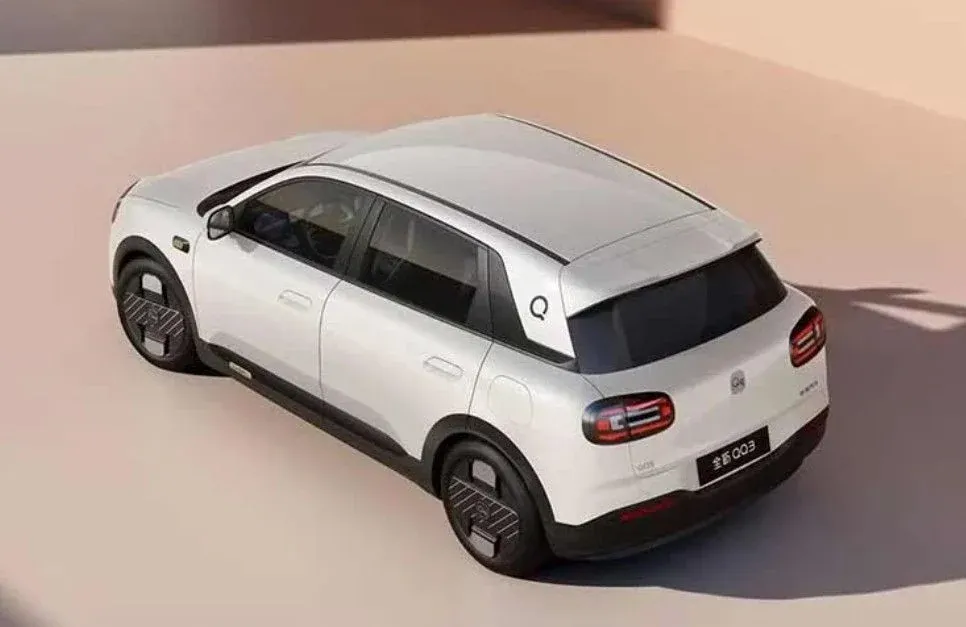
With a length of 4.20 meters, width of 1.81 meters, and height of 1.57 meters, it is even larger than models such as the Peugeot E-208 or the future Volkswagen ID. Polo, placing it in the same category as the Geely E2 or the new BYD Seagull. Its 2.70-meter wheelbase allows for optimal use of the available space.
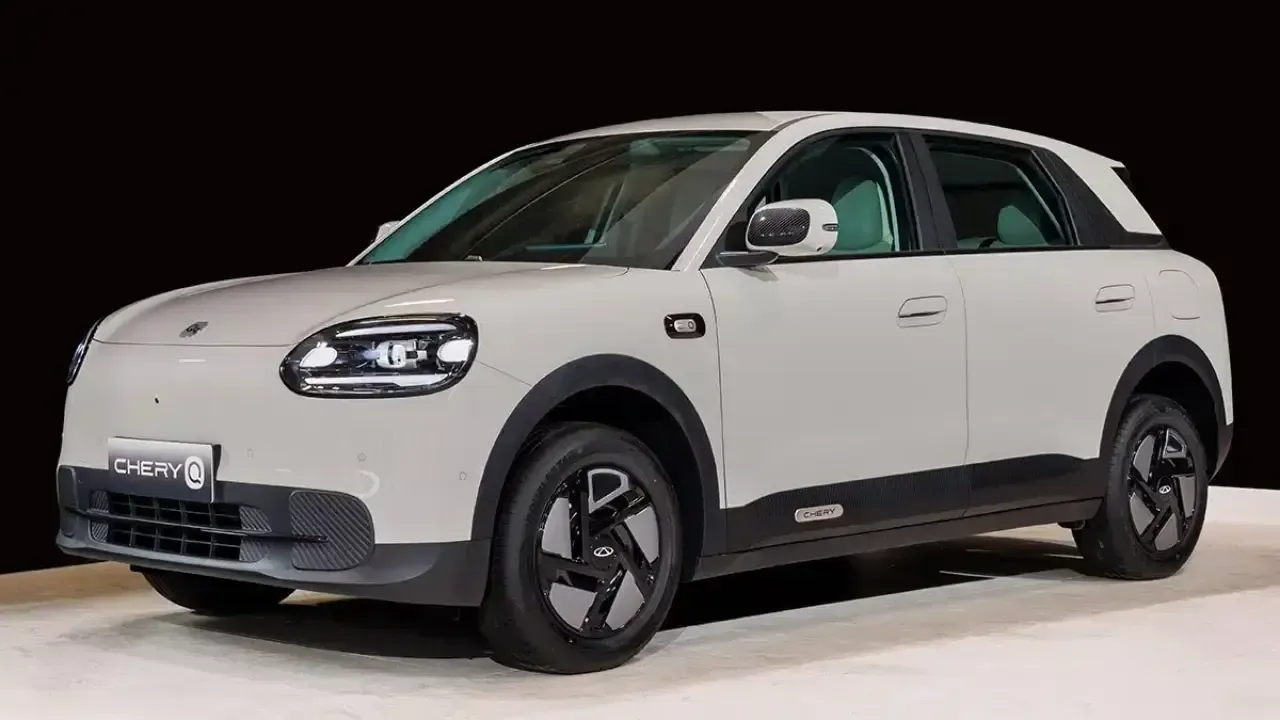
The design features rounded shapes, oval headlights, and an aesthetic that blends modern elements with subtle retro touches. The reviewer notes that while it isn’t particularly eye-catching, it manages to convey its own distinct personality and set itself apart from other budget-friendly options.
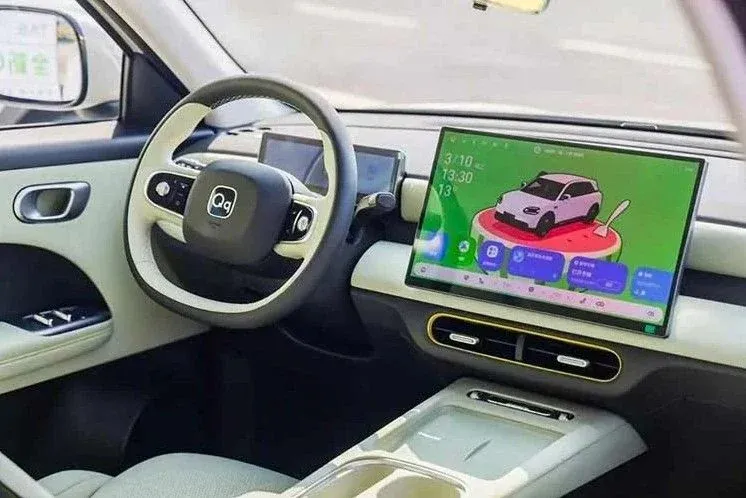
Inside, the surprises are even greater. Higher trims come equipped with a 15.6-inch central screen, an 8.8-inch digital dashboard, and a Qualcomm Snapdragon 8155 processor. It also features Apple CarPlay, various connectivity functions, and a voice assistant.
The tester notes that the perceived quality and speed of the multimedia system exceed what one would expect from a car at this price point. He also praises Chery for retaining physical controls to adjust the temperature and fan of the climate control system.
However, he criticizes the fact that features such as mirror adjustment or certain lighting controls rely on the central screen.
Another strength is its cargo capacity. The rear trunk offers 375 liters, expandable up to 1,450 liters, plus a front trunk of 70 liters and an additional 35-liter compartment under the rear seats.
These specifications make the QQ3 an especially interesting option for those looking for an affordable electric car that is large enough to serve as a primary vehicle.
Up to 420 kilometers of range and fast charging in 16.5 minutes
The Chery QQ3 uses a rear-wheel drive platform and is available in China with two powertrains. The entry-level version produces 58 kW (79 hp), while the more powerful version delivers 90 kW (122 hp). The claimed top speed is 125 km/h.
Both models use LFP batteries with capacities of 29.48 and 41.28 kWh respectively. The certified ranges are 310 and 420 kilometers under China’s CLTC cycle. These figures can be estimated at around 250 and 340 kilometers under the WLTP standard.
Fast charging also shows interesting figures. Chery claims the battery can reach 30% to 80% charge in just 16.5 minutes. Additionally, some versions come equipped with V2L technology, which allows powering external electrical devices with 3.3 or 6.6 kW of power.
Regarding safety and driving assistance, higher trims may feature the Falcon 500 system, which includes highway driving assistance functions and automated parking.
A pleasant driving experience, but with areas for improvement
During the dynamic test, the QQ3 gave generally positive impressions, though it is still far from matching the refinement of some European models.
The tester notes that the accelerator response is sufficient for everyday use, and the car is agile in turning. It also demonstrates reasonable stability in maneuvers like slalom driving.
However, the suspension is one of its weakest points. The damping system is somewhat basic and fails to smooth out irregularities as effectively as some of its competitors.
The brake feel also requires adjustments, as its initial response can be too abrupt. Additionally, the steering loses precision when driving at higher speeds.
In any case, the media believes these shortcomings should be assessed considering the vehicle’s positioning. The QQ3 is not intended to be a sports car, but rather an affordable, spacious, and well-equipped alternative for daily commuting.
And it performs quite well in that regard.
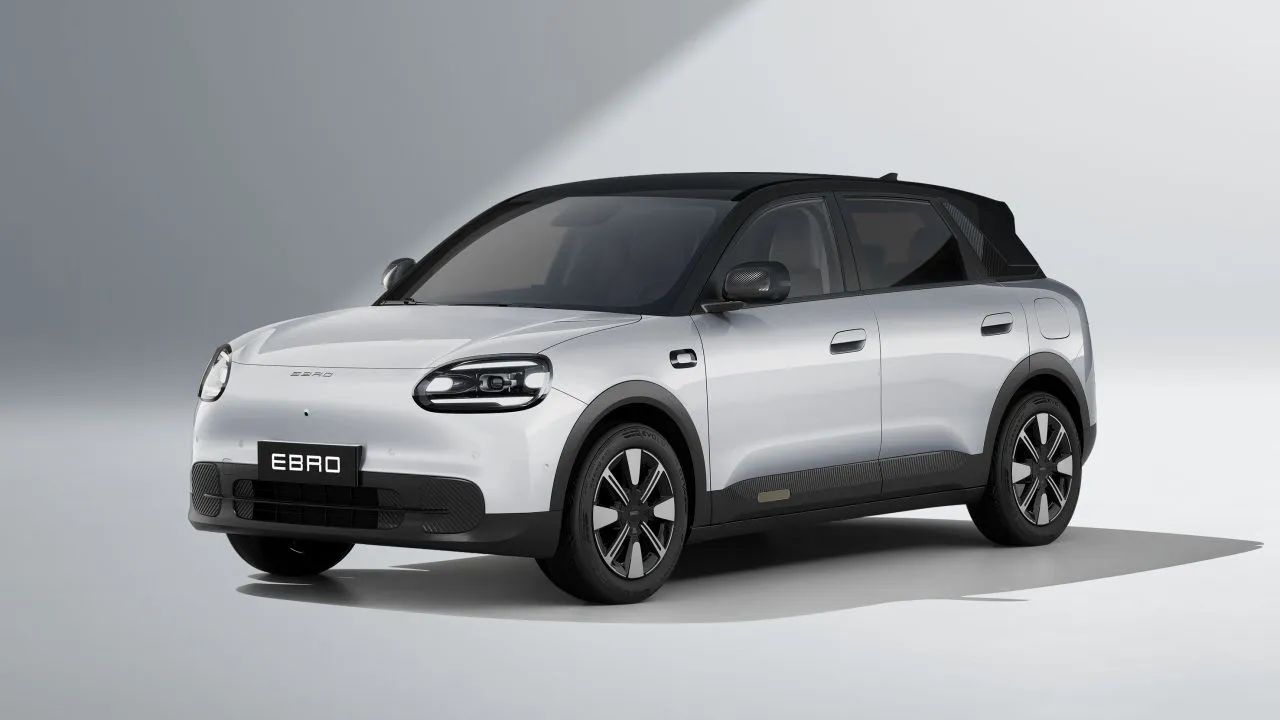
This model holds special significance for our market because EBRO has already confirmed that its first electric car will be based on the Chery QQ3. As we reported in Forococheselectricos last April, the Spanish brand will use the Chinese manufacturer’s platform and technology to develop a model that will be produced at the EBRO Factory in Barcelona, in the former Nissan facilities.
The European version of the QQ3 was also unveiled at the Paris Motor Show under the name Chery Q. Although the final commercial name for the EBRO model remains unknown, one possibility is that it will be called the s300, positioned below the current s400.
EBRO’s proposal will retain most of the features of the Chinese model, adapted to meet European market needs. Among the details revealed is a rear electric motor with 90 kW (122 HP), two battery options, and a range of around 300 kilometers under WLTP conditions in its highest-capacity configuration, pending final approval.
It was also announced that AC charging will reach up to 11 kW, with DC charging capable of filling 30 to 80% of the battery in an estimated 20 to 30 minutes.
The interior will retain features such as the 15.6-inch central screen, digital instrumentation, and a relatively comprehensive suite of technologies for a model aimed at competing among the most affordable options on the market.
Spanish manufacturing will be another of its selling points. The goal is to utilize facilities in Barcelona and the industrial partnership between EBRO and Chery to offer an electric car with Chinese technology but produced in Europe.
This could also be important for government purchase subsidies, especially those that consider the vehicle’s place of manufacture.
For now, EBRO has not announced the final price of its first electric vehicle, but it has emphasized that it will be an affordable model designed to make electric mobility more accessible. If nothing stands in the way, sales of this model are set to begin in Europe in 2027, although the exact launch timeline remains to be determined.