
First interview with Autoeuropa’s new director. What’s changing in Palmela?
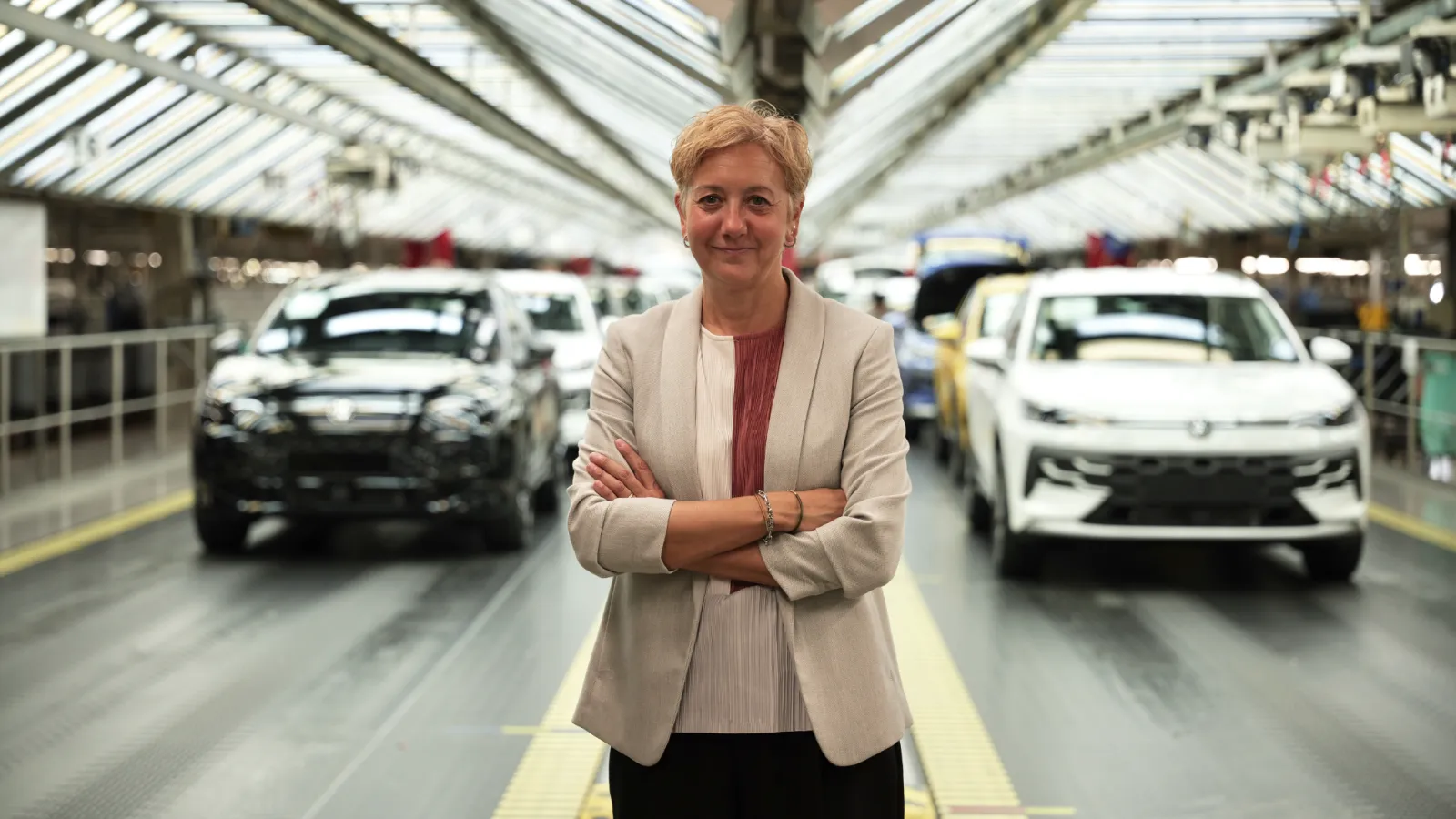
Volkswagen Autoeuropa is preparing for one of the most important chapters in its history. In 2027, it will begin producing the first fully electric car on its assembly lines, at a time when Europe’s automotive industry faces enormous challenges.
And to lead this transformation, Anabel Andión has taken charge—she is the first woman to become CEO of Portugal’s largest automobile factory.
A trained engineer with 25 years of experience at the Volkswagen Group, she arrives in Palmela with a reputation as someone who “gets things done.” She certainly lacks no experience. She has worked at the SEAT/CUPRA factories in Martorell and the Audi factory in Ingolstadt, having closely followed some of the German group’s major industrial transformations. Now she faces a new challenge, one that is by no means small.
In an industry where plans for the future are usually kept closely guarded, Anabel Andión opened the doors of Autoeuropa to us and granted Razão Automóvel her first interview with a Portuguese media outlet since taking office.
We discussed the factory’s future, the nearly 600 million euros invested in its transformation, the arrival of Volkswagen’s 20,000 euro electric vehicle, and Chinese competition. But we also talked about a fundamental issue: how to continue producing cars in Portugal and ensure that Palmela remains among the group’s most competitive factories?
Nearly 600 million euros to prepare for the future
Anabel Andión arrived in Palmela in March 2026, following a long career at the Volkswagen Group, and faces a particularly demanding challenge: preparing one of the group’s most important factories to produce an affordable electric car that must also be profitable.
As she revealed to Razão Automóvel in an interview conducted by Joaquim Oliveira, investments of nearly 600 million euros are involved, spread across almost all production areas. The factory has received a new painting infrastructure, changes to the bodywork area, and various automation processes in the assembly lines.
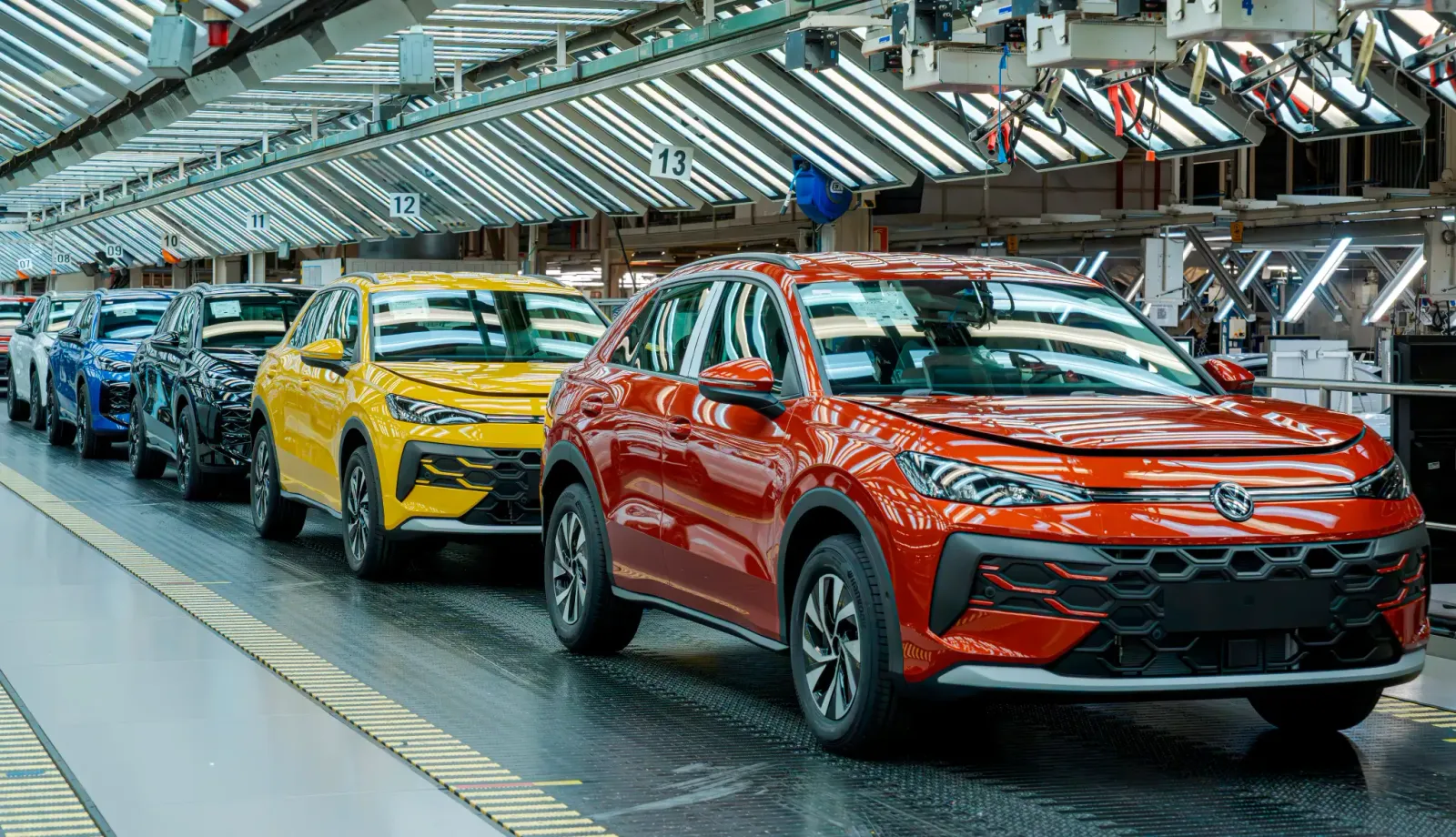
The changes are profound. According to the official, around 80% of the specific body parts for the future electric vehicle are new. But there’s a particularly interesting detail: the new electric vehicle and the Volkswagen T-Roc will be produced on the same assembly line.
Anabel Andión explained to us that once the new model is integrated into production, it is expected that one in three cars manufactured in Palmela will be electric.
Producing a 20,000 euro electric vehicle and still making a profit
The price of the new ID.1 (or ID.Up!) is another major challenge. The German brand aims to sell its compact electric vehicle for around 20,000 euros, an especially ambitious goal at a time when batteries still account for a significant portion of production costs.
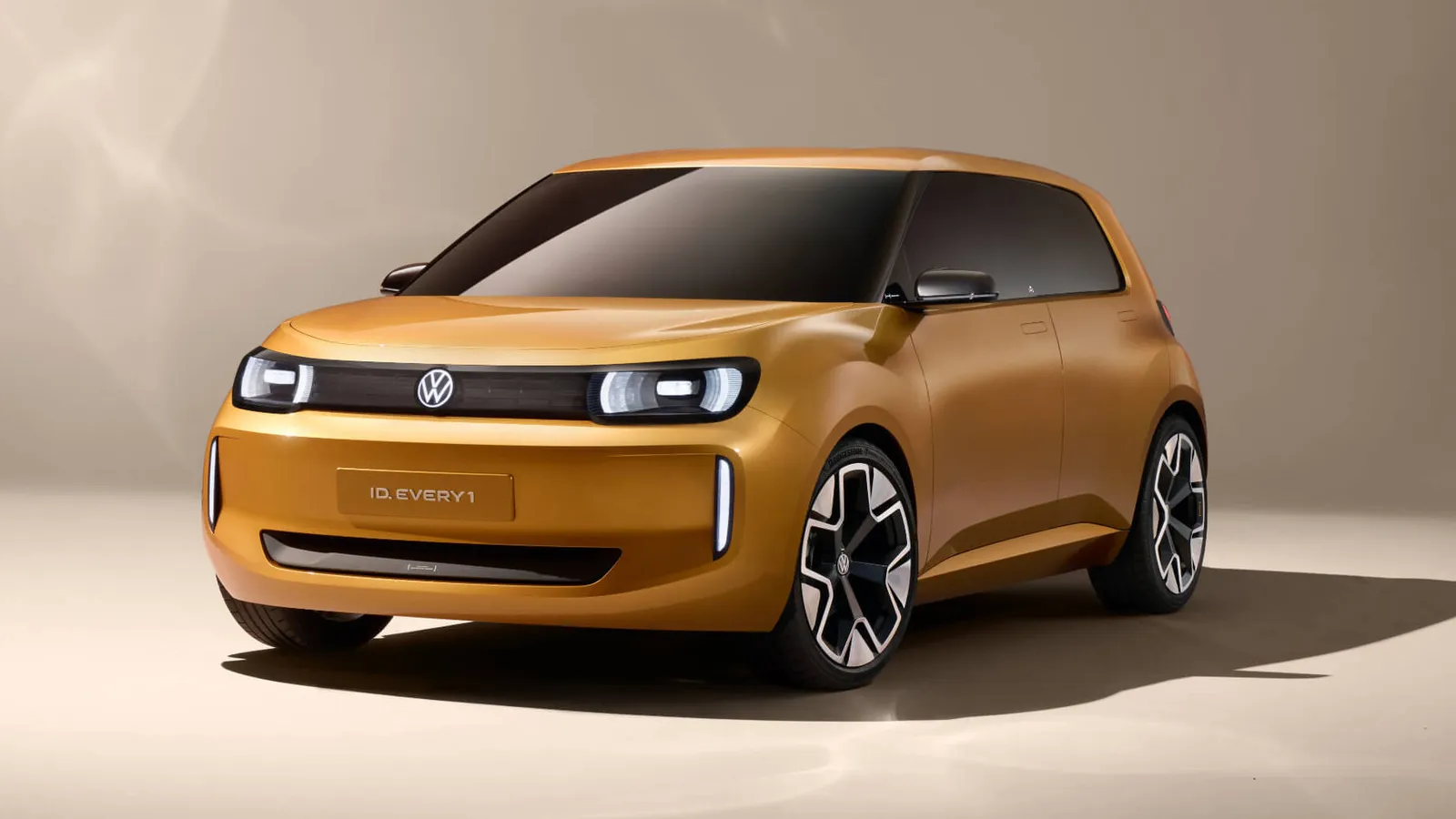
Producing a cheap car doesn’t necessarily mean it can be done at a profit. We asked Anabel Andión about this challenge, and she didn’t hide the importance of industrial efficiency.
The goal is to manufacture the new electric vehicle at costs competitive enough to ensure the project’s profitability. For this, every improvement in production processes matters. It is also within this pursuit of efficiency that Volkswagen Group’s new industrial structure fits in, which will give greater autonomy to the factories in the Iberian Peninsula.
Palmela will now work more closely with the facilities in Martorell and Pamplona, Spain, allowing for the identification of solutions and the making of certain decisions without constant reliance on the group’s headquarters in Wolfsburg.
But there is another issue that will inevitably shape the future of the European automotive industry: Chinese competition. It was precisely this topic that we discussed with Autoeuropa’s new CEO.
At a time when Chinese manufacturers are able to develop and produce cars at highly competitive costs, we asked Anabel Andión why it has become so difficult to compete with them.
And the response was particularly interesting. Rather than viewing Chinese manufacturers as a nightmare for the European industry, the official argued that it’s time to learn from them.
“We were a reference for China, and many people from Europe went there to teach them, in a way, how things should be done. Now it’s our turn to learn from them,” she said.
READ ALSO:
Autoeuropa announces new Gigaliner line to save millions
According to Anabel Andión, speed, organization, and the ability to work with clearly defined goals are some of the characteristics that the European automotive industry should strive to adopt.
However, faced with the possibility that Autoeuropa might transfer production capacity to Chinese manufacturers, as is being considered in other European plants, the response was clear: “no.” The reason is simple. The Palmela factory continues to operate at high occupancy levels and is preparing to launch another model.
Discover your next car:
From Palmela to the world
When it comes to Autoeuropa, we must mention the three monovolumes that began production there in 1995: Volkswagen Sharan, Ford Galaxy, and SEAT Alhambra. Later, the Eos and Scirocco were added, and in 2017, the T-Roc arrived, completely transforming Palmela’s role within the Volkswagen Group.
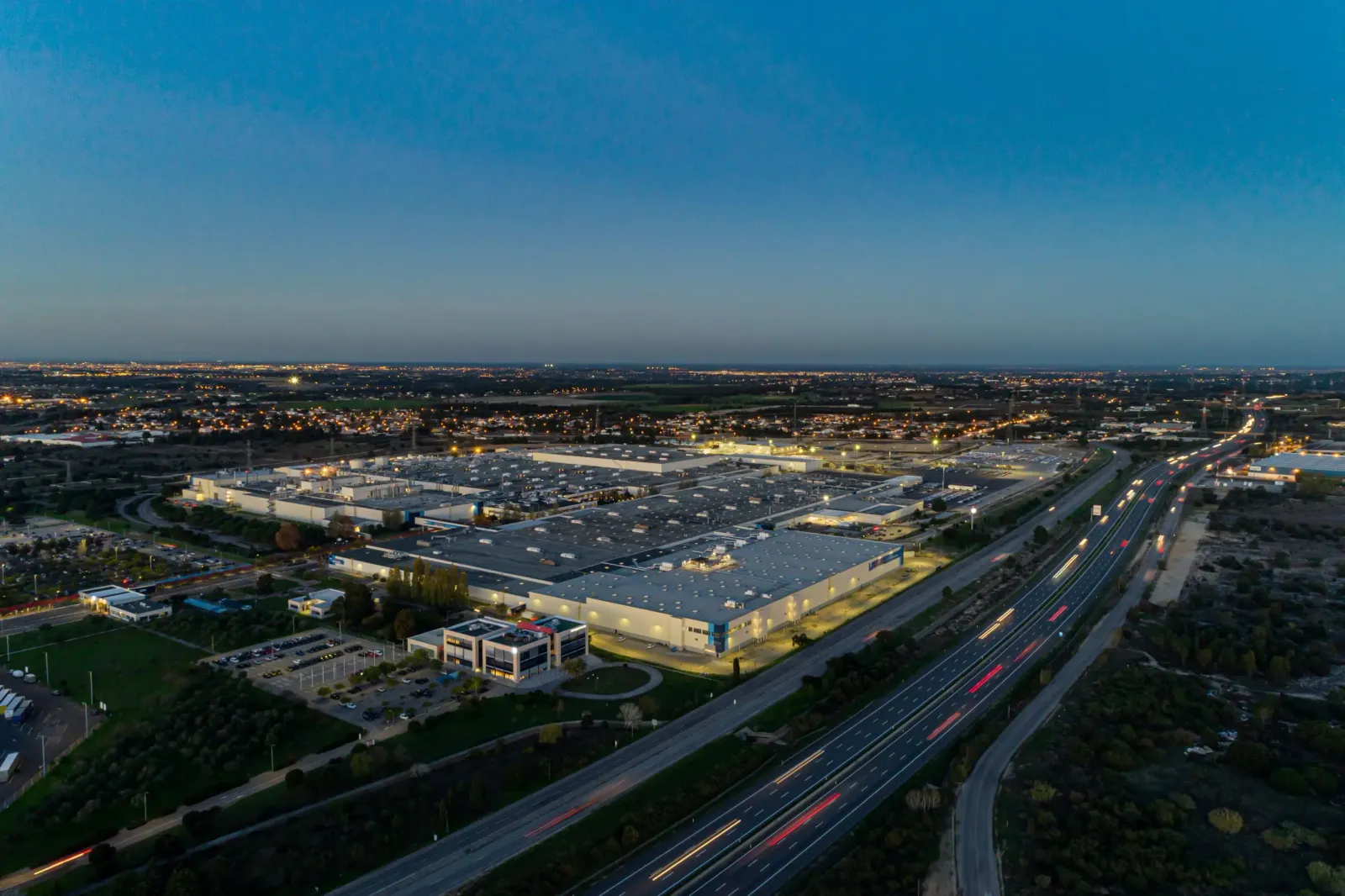
Now, Autoeuropa is preparing for a new phase with the production of the first 100% electric car in its history. And it won’t be just any model. The ID.1, or whatever name it ends up being called, is one of the most important models in the brand’s recent history from Wolfsburg.
It represents a significant challenge for a factory that exports 99% of the cars it produces and that, more than 30 years later, remains one of the pillars of the national industry. From Palmela to the world. Made in Portugal.