
Subscriptions in new cars. Why does this annoy drivers so much?
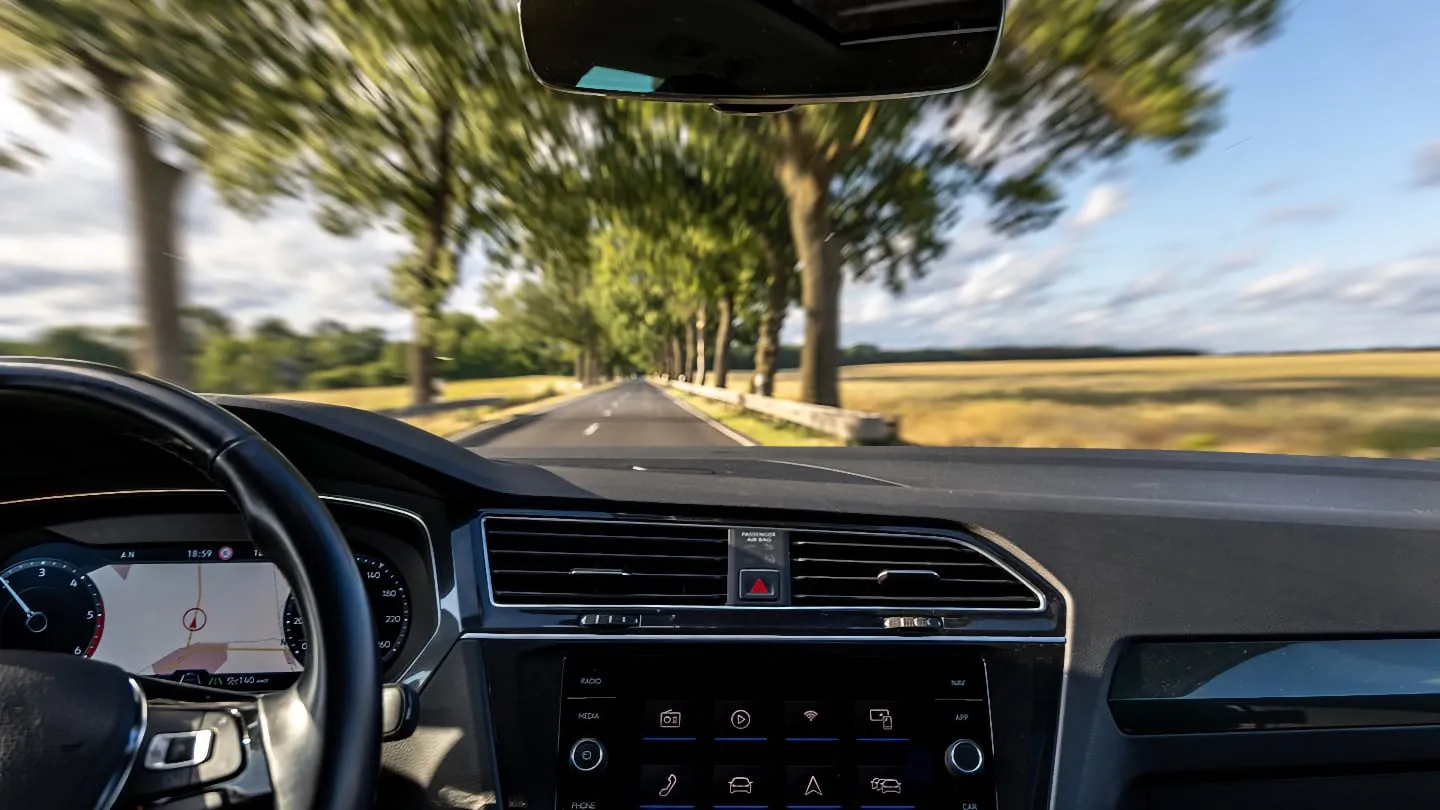
Until recently, buying a new car from a dealership meant that all the features equipped on the vehicle remained available to the owner throughout its use. And today? Automakers are increasingly adopting a completely different approach, where access to certain features requires paying a monthly or annual subscription. Worse still, this doesn’t apply only to online services but also to features related to driving comfort. Although such a model can generate additional revenue for manufacturers, it sparks growing controversy among drivers and, understandably, significant frustration as well.
What Does One Have to Pay For in New Cars?
The advancement of electronics and software has made modern cars increasingly resemble computers on wheels, where many functions can be activated remotely without the need to visit a service center or install additional equipment.
Depending on the manufacturer and model, the subscription may include, for example:
access to advanced navigation features and traffic information,
additional driving modes and performance-enhancing functions,
advanced voice assistants and multimedia systems,
remote control of selected vehicle functions,
access to internet applications and entertainment services.
One of the most controversial examples was a German automaker that offered a subscription for seat heating, even though the relevant components were already installed in the vehicle. The manufacturer eventually abandoned this approach in 2023 but continues to develop additional digital services.
Infographic: Subscriptions in New Passenger Cars
What arouses fewer emotions?
Not all subscriptions necessarily provoke negative reactions, and some drivers are willing to pay for services that require constant internet connectivity or access to external databases. Modern multimedia systems can provide access to the latest news, stock market information, weather forecasts, BTC analysis and predictions, as well as other financial data.
From the driver’s perspective, it is important to distinguish between services that require continuous delivery of new data and functions that are already technically built into the car. In the first case, the subscription cost may be justified by the expenses of maintaining the infrastructure, while in the second case, its necessity is much more questionable.
Example subscription pricing from a leading car brand
Function
Monthly price
Annual price
Heating for front seats
450 CZK
4,495 CZK
Heating for steering wheel
240 CZK
—
Remote Light Assistant
210 CZK
—
Driving Assistant Plus
980 CZK
—
Premium Connectivity
199 CZK
2,388 CZK
Why don’t drivers like subscriptions?
The biggest dissatisfaction stems mainly from the need to pay again for car features that already required a significant expense when purchased. Drivers also point out several other issues:
rising costs for vehicle operation and maintenance,
the possibility of losing some features after the subscription ends,
the dependence of feature availability on the manufacturer’s decisions,
difficulty in determining the actual costs of using the car over several years.
Additional concerns arise when purchasing a car from the used car market. Buyers of used cars will now also need to verify which functions demonstrated during the test drive will remain active after the vehicle changes hands.
Will subscriptions become the standard?
From manufacturers’ perspective, subscriptions mean the ability to generate revenue even after the car is sold. They also allow them to offer customers new functions without the need to replace the vehicle. For drivers, it can instead offer greater flexibility, especially if they only need certain features for a few months.
The future of this model will, however, depend on customer reactions. If automakers limit subscriptions primarily to digital services, drivers may be more willing to accept additional fees. But if paid activation is required for other basic features, dissatisfaction is likely to increase. After all, a car remains one of the most expensive purchases in a household, and its owners expect to be able to use the purchased features without extra charges at the price they paid.
Don’t miss
Lidl cuts price on driver accessory. Magnetic phone holder now costs only 129.90 CZK
Škoda Octavia to lose TDI engine. Diesel production will end in mid-2027
Carbon fiber, 100 Nm of torque, and automatic transmission. Honda unveils new electric bike