
Polestar Formula 2030 previews next Polestar 2 and 7
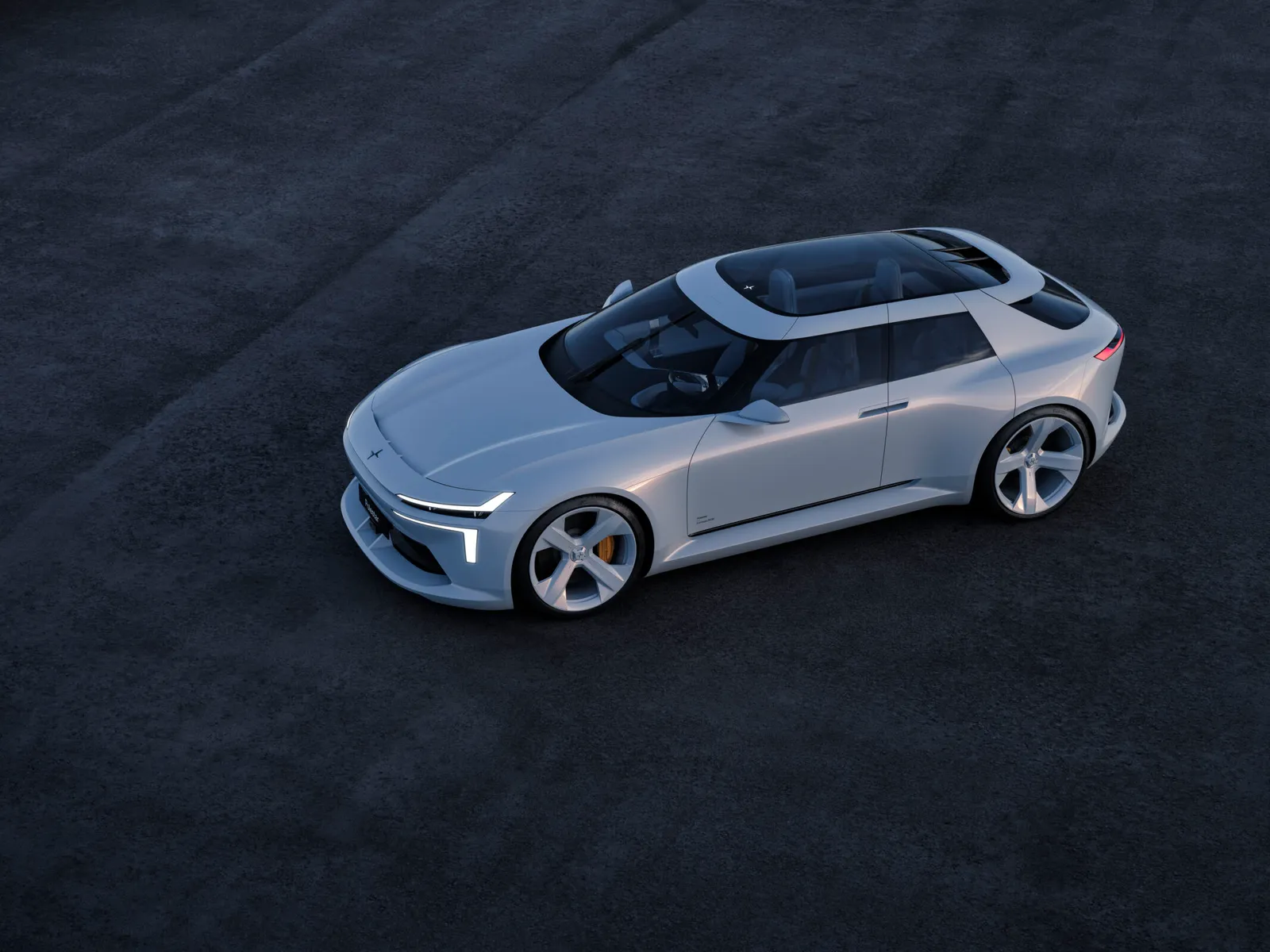
Polestar has revealed an electric sports car concept that previews the design of its next Polestar 2 and forthcoming Polestar 7, combining a low, four-door body with a cockpit featuring configurable physical controls.
The Formula 2030 is the first concept developed under head of design Philipp Römers. Polestar says various design features will reach the next Polestar 2, planned for 2027, and the Polestar 7 compact SUV, due to be introduced in 2028.
The four-seat show car is intended to express the Swedish manufacturer's Formula 2030 strategy. Polestar has not announced plans to build it, and there are no battery capacity, range, charging, power or pricing figures in the announcement.
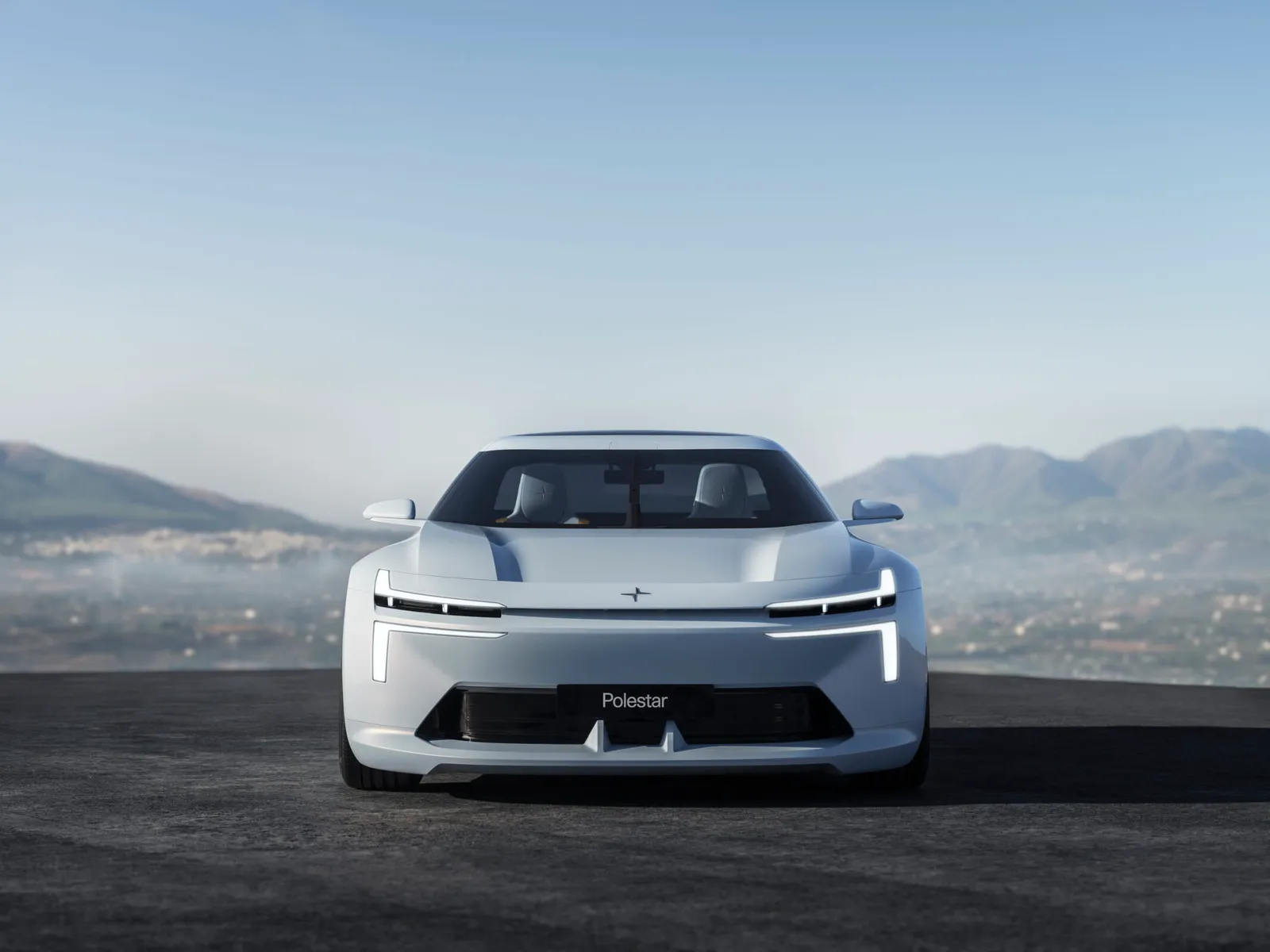
The clearest link to an upcoming road car is at the front. Polestar's familiar Dual Blade headlights are integrated into an aerodynamic wing, previewing the face of the next Polestar 2. A new Single Blade rear lighting design replaces the lightbar, although Polestar has not specified which production model will receive it first.
Römers said the concept showed how the company would apply its priorities to future production cars, describing the approach as a “bold evolution of our already well-established design DNA” with “performance at its heart”.
“Design should always reflect the values and mission of a brand and that is exactly what we did with Polestar Formula 2030 concept,” he said.
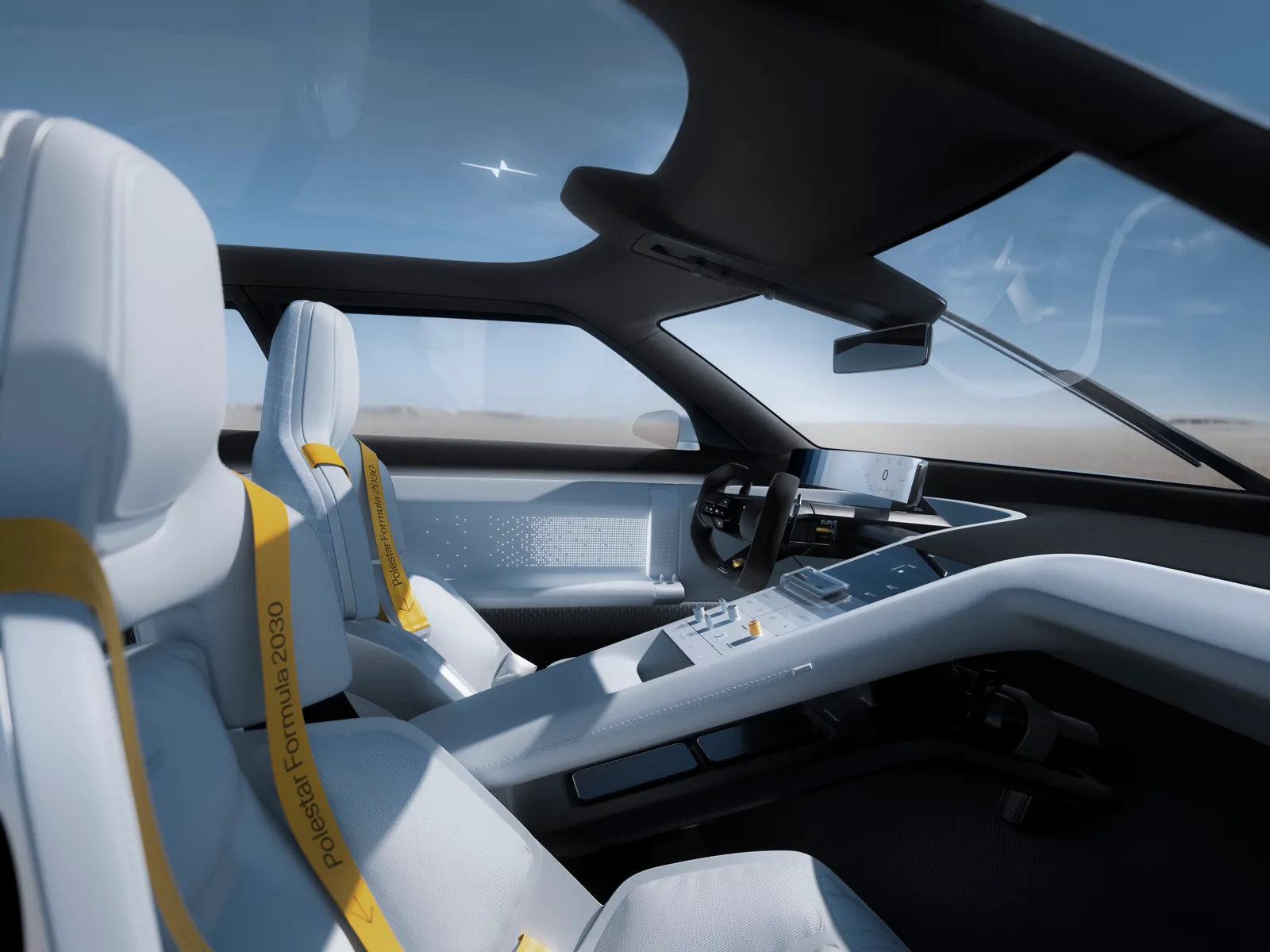
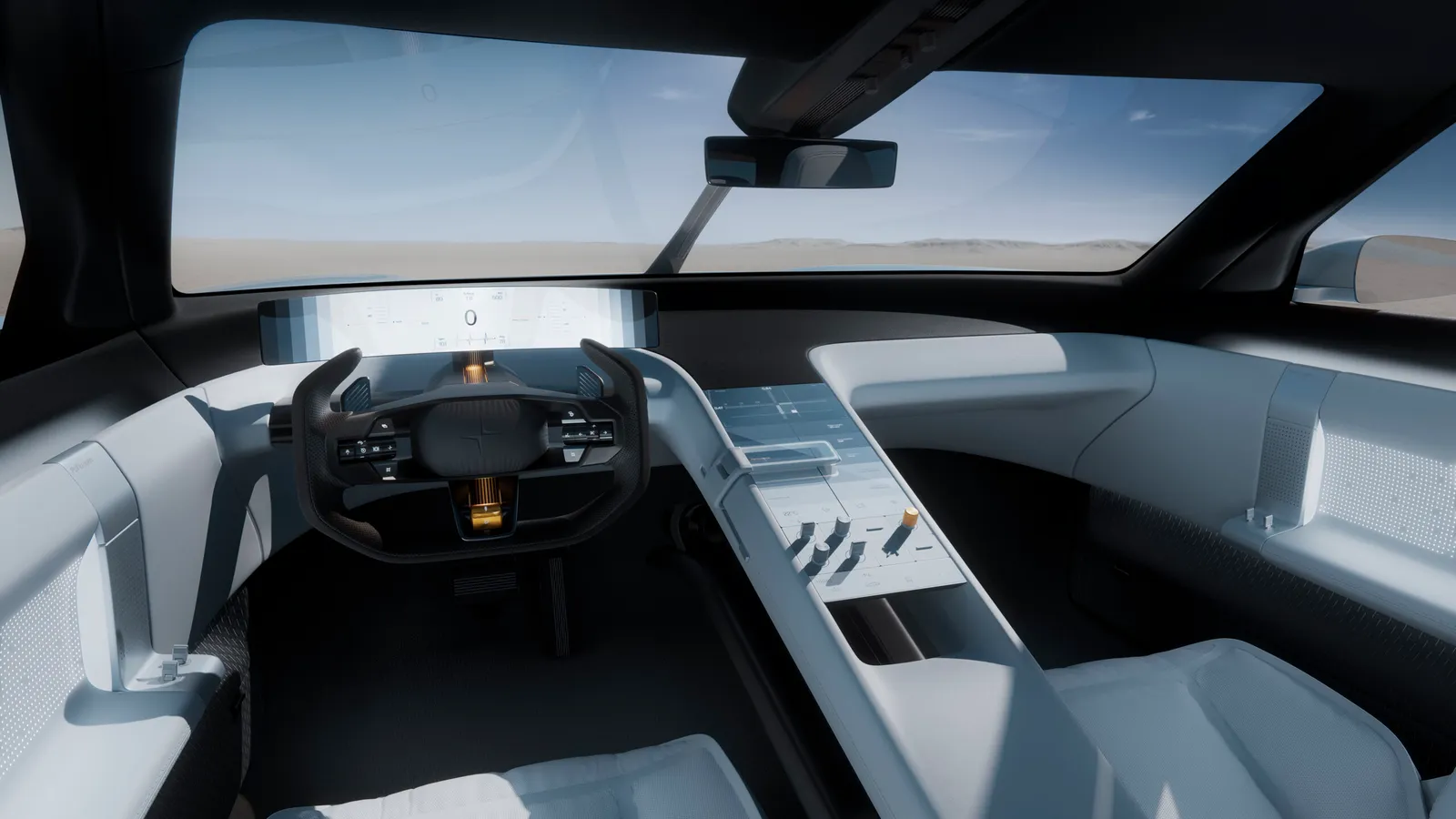
Inside, eight physical controls below the central display form part of a commitment to rebalance digital and mechanical operation. Users can choose different control types, including rocker switches and rotary controllers, and assign functions digitally. Programmable shortcut keys provide access to functions selected by the driver.
Juan Pablo Bernal, Polestar's head of interior design, said: “As a performance brand, we see a renewed focus on the driver, and so we re-balance the digital and physical.”
The driver faces a curved 20in information display called HyperDIM, attached directly to the steering column. A separate 12.2in central screen sits within a rising centre tunnel. A horizontal band wraps around the driver and continues through the cabin, with indirect lighting across the interior.
Google built-in includes Gemini, providing a conversational voice interface for occupants. Polestar says the screen graphics use its own typefaces and icons, continuing the restrained colour treatment used throughout the car. The displayed information and controls are designed to remain clear and usable while driving.
Selecting Performance, Normal or Autonomous mode changes the physical arrangement of the cockpit. The mode selector slides forwards through the centre console, adjusting the relationship between the driver, steering wheel and central screen.
In Performance mode, the central display lowers until it sits flush with its surrounding surface. The steering wheel and attached instrument display move closer to the driver's chest. In Autonomous mode, the central screen stands upright while the seat and steering wheel move farther apart.
Polestar describes autonomous driving capability for the concept but gives no automation level or operating conditions. Its autonomous mode has not been confirmed for production.
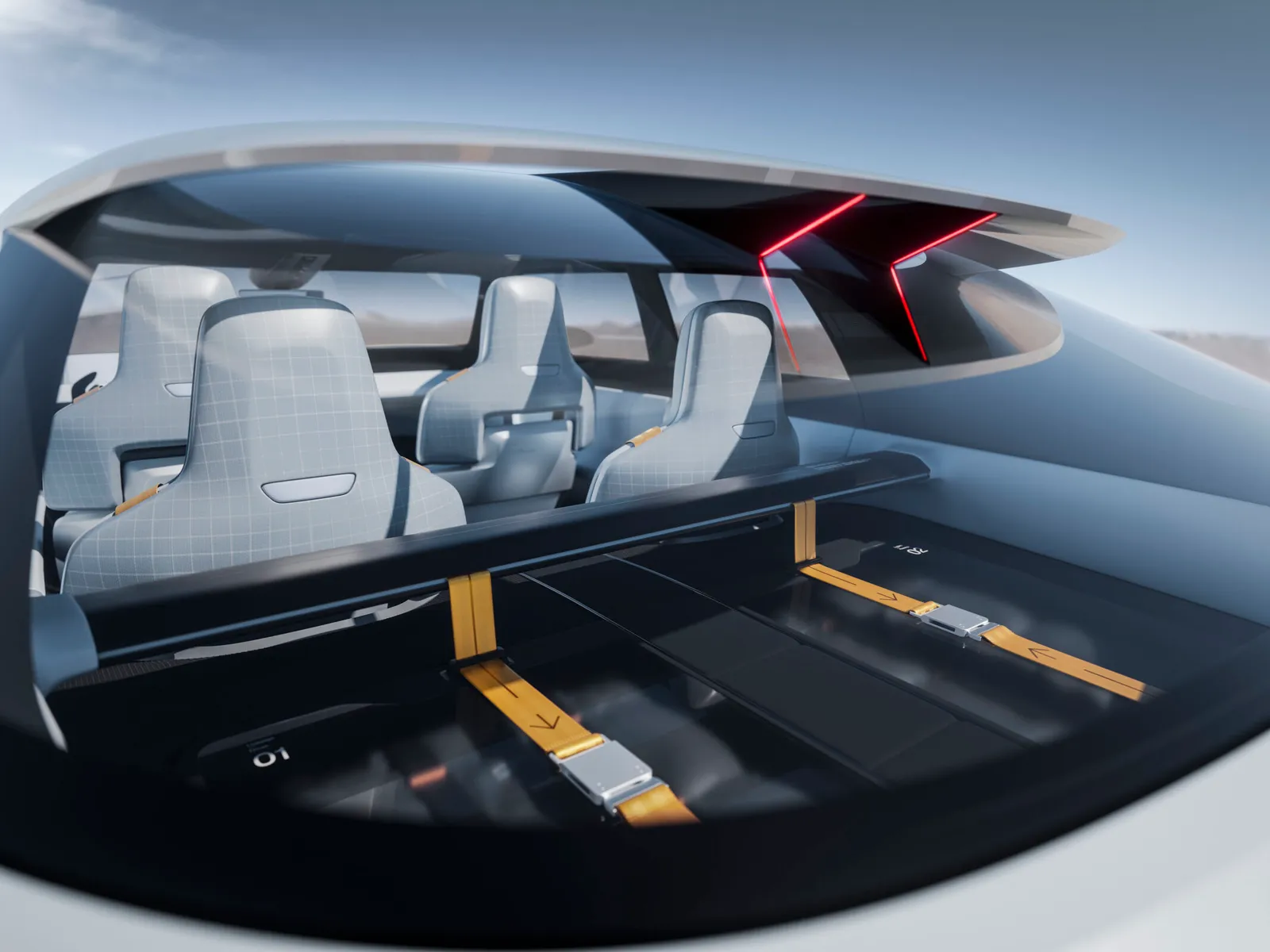
Four individual seats sit low in the cabin. Inflatable bolsters and cushions are designed to adapt to each occupant, providing support through corners and under acceleration or braking. Opposing doors open without a central pillar between them to ease access to both rows.
At 4,680mm long, 2,021mm wide and 1,350mm high, the concept is lower than the Polestar 5 grand tourer. Its wheelbase measures 2,780mm. Polestar positions it dimensionally between the forthcoming Polestar 2 and Polestar 7, while citing the Polestar 4 SUV as an influence on its proportions and practicality.
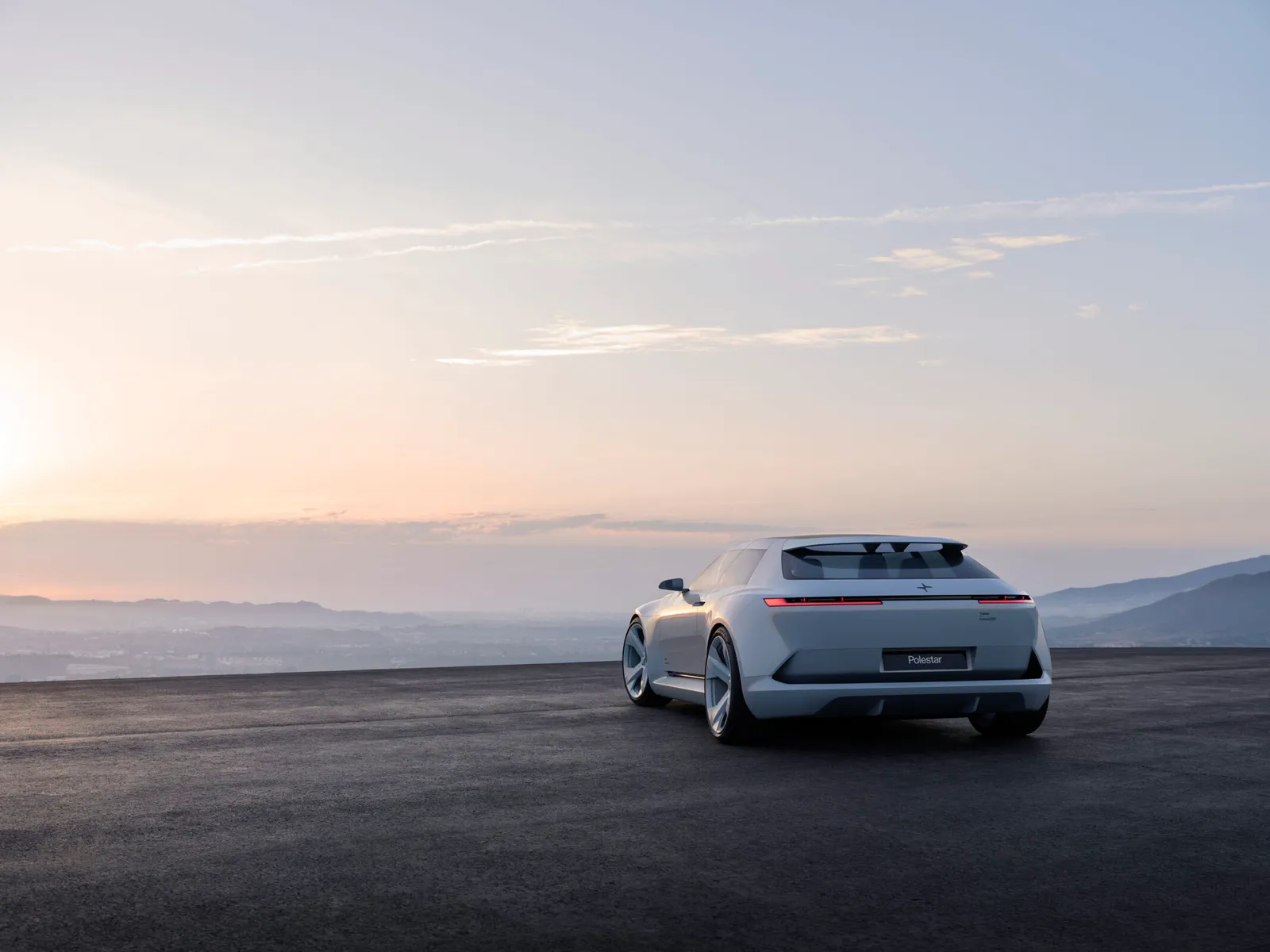
The front lighting also draws on the Polestar 3, while the overall body shape keeps the brand's familiar narrowed waist and broad rear quarters. Nahum Escobedo, head of exterior design, said the aim was to evolve the appearance while retaining recognisable features from earlier models.
The long bonnet, short overhangs and rearward cabin give the body a pronounced sporting stance. Broad rear haunches and 22in wheels reinforce that appearance, while a deep front splitter is joined to the body by a central spine. The wheels have four spokes and centre-lock fittings.
A single vertical windscreen wiper continues the line of that spine. The wraparound windscreen recalls the original Polestar 2, with a panoramic glass roof above the cabin. Polestar's star emblem is projected into the glass. A lidar sensor is concealed beneath an aerodynamic cover when not in use and revealed when the concept's autonomous driving function is selected.
At the rear, shallow glazing wraps towards the sides, interrupted by substantial roof pillars. A centrally mounted wing and lower diffuser complete the aerodynamic treatment. The wing's mounts are illuminated, adding another lighting detail alongside the new rear lamps.
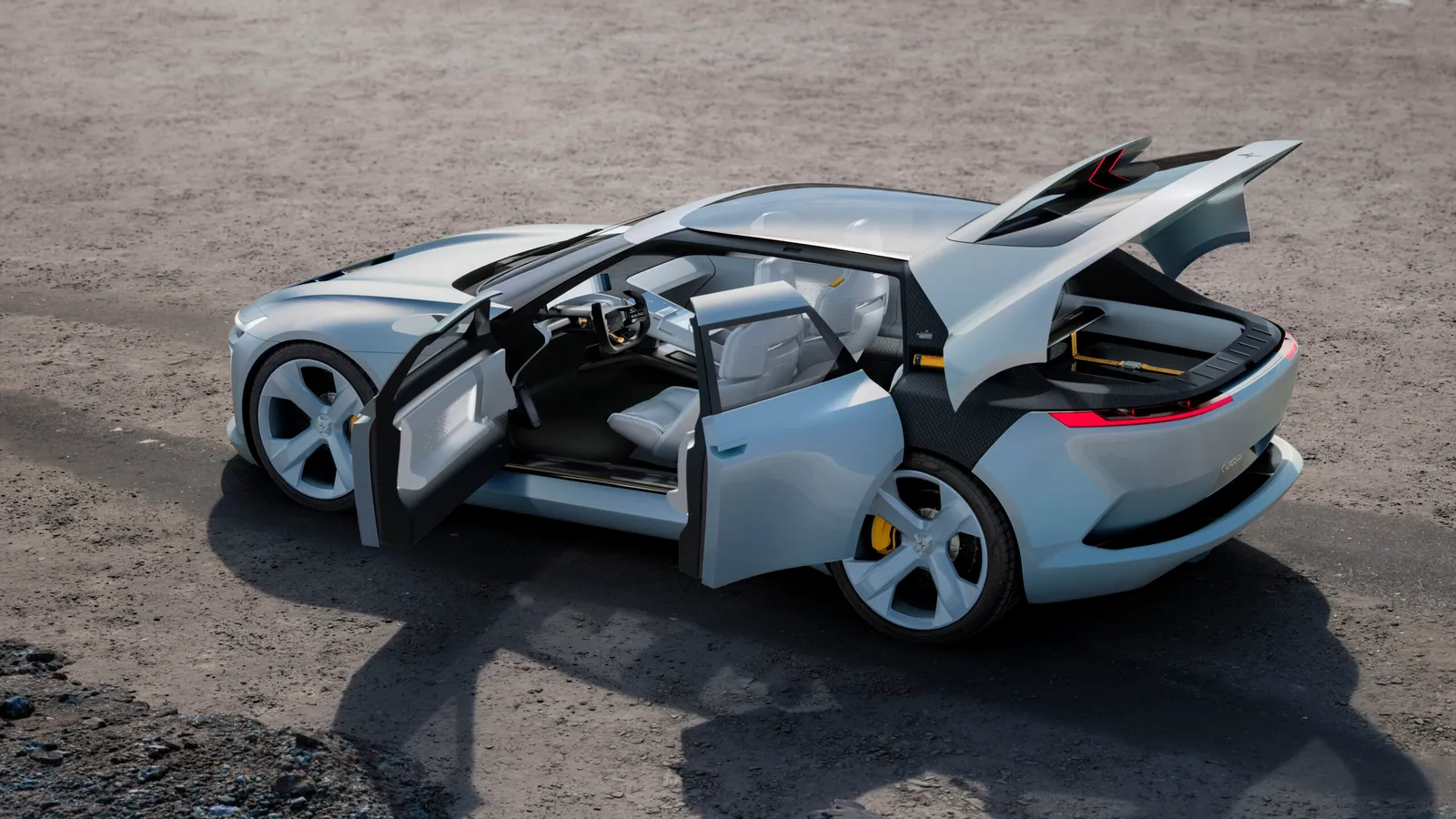
Materials account for another part of the concept's brief. Polestar says the door interiors use its approach of designing with a single material to make those components fully recyclable.
Exposed seat frames and the beam running across the cabin use galvanised steel made with recycled raw material and renewable energy. Polestar describes this as steel with lower production emissions.
The seat backs combine European flax with bio-based polypropylene in a woven composite, replacing conventional virgin plastics. Their colour takes inspiration from the fields supplying the raw material, with a grid pattern visible in the weave. Opening the rear clamshell exposes body structure made from Bcomp natural fibre composite, using a weave developed for Polestar.
A new exterior colour, Nitrogen, covers the bodywork, wheels, side cladding, front splitter and rear diffuser. Developed specifically for the concept, it is intended to change its appearance in natural light. Gloss, matt and satin finishes distinguish individual parts finished in the same colour. The approach continues inside, with changes in texture separating surfaces.
Swedish Gold details provide the principal accent, appearing on the Brembo brake callipers, tyre valve caps, seat belts and interior trim. The concept also displays its Öhlins dampers beneath the rear bodywork.
Bespoke luggage is strapped beneath a transparent boot floor, while a front compartment has dedicated space for racing helmets and a fire extinguisher. A gold strut brace frames that compartment.
The Formula 2030 made its global debut during a recent media drive of the Polestar 4 SUV. Alongside the Polestar 2 successor and Polestar 7, the company's planned models include the Polestar 6 roadster. Polestar intends to manufacture the 7 in Europe, extending a production footprint that currently spans North America and Asia.
The manufacturer has set a target to halve greenhouse gas emissions per vehicle sold by 2030 and become climate neutral across its value chain by 2040. It places the concept's materials work within that broader effort, although the announcement contains no overall carbon footprint for the show car.