
Omody’s broken axle and thousands of cars in repair. Chery fights to save its reputation

A single case of a detached rear axle in Malaysia triggered a wave of actions. Chinese automaker Chery has just announced one of the largest recall campaigns in recent months, covering 53,882 vehicles of the Tiggo and Omoda brands. The manufacturer claims the issue affects a specific batch of components, but the matter has reignited discussions about the quality of rapidly growing Chinese brands that are increasingly entering European markets, including Poland.
In this article:
- Chery has decided to recall 53,000 vehicles.
- What consequences might the rear axle issue have for the brand?
- What other recall campaigns have affected Chinese automakers?
Omoda’s problem started with a single vehicle
The Chinese National Market Regulation Administration announced the start of a repair campaign covering 53,882 units of the Tiggo 5x and Omoda models produced between June 2022 and December 2023. The reason is a suspected defective weld connecting the rear axle swing arm to the suspension bushing.
There is one issue that car manufacturers are particularly concerned about. It involves a scenario where a defective weld could lead to a crack in the suspension component, and in extreme cases, even loss of vehicle control. Chery has stated that owners will be notified via SMS and registered mail, and all repairs will be carried out free of charge, according to Asian automotive news outlets.
The Malaysian incident triggered the company’s response
Recall that the immediate catalyst for initiating widespread inspections was a high-profile incident on October 6, 2026, in Johor Bahru, Malaysia. On a client-owned Omoda 5, the rear axle detached while the vehicle was in motion. As a result, the local transportation authority temporarily suspended the model’s approval and halted the registration of new units.
The issue proved particularly troublesome for the manufacturer because a similar case had already been reported earlier. In 2024, Chery recalled around 600 vehicles from the Malaysian market after issues related to the welding process were detected. The company explained at the time that the cause was improper calibration of the equipment following maintenance work.
In response to the October incident, the company’s president publicly apologized to customers and promised to conduct thorough inspections of all vehicles from the same production batch. The manufacturer admitted that some welds might not have had sufficient strength.
Not all vehicles are defective
It is worth emphasizing that a recall does not automatically mean that each of the nearly 54,000 vehicles has a defect. Chery intends to verify the production numbers and replace only those components from potentially faulty batches. This is a standard procedure followed by car manufacturers worldwide. A recall is a preventive measure aimed at eliminating risks before failures occur. Recall that last year alone, car manufacturers announced 370 recall campaigns in Poland covering over 532,000 vehicles.
Chinese brands are increasingly adopting a European approach
Interestingly, as Chinese manufacturers’ sales grow, so does the number of officially announced service actions. Just a few years ago, manufacturers from China were criticized for a lack of transparency. Today, they increasingly operate according to standards known from Europe, Japan, or the United States.
BYD is an example; in recent years it has launched campaigns related to software updates for driver assistance systems. MG has also reported several times on inspections of electronics and safety systems in selected markets. NIO, Leapmotor, and Geely have taken similar actions. In most cases, these were preventive measures rather than failures that posed a threat to users.
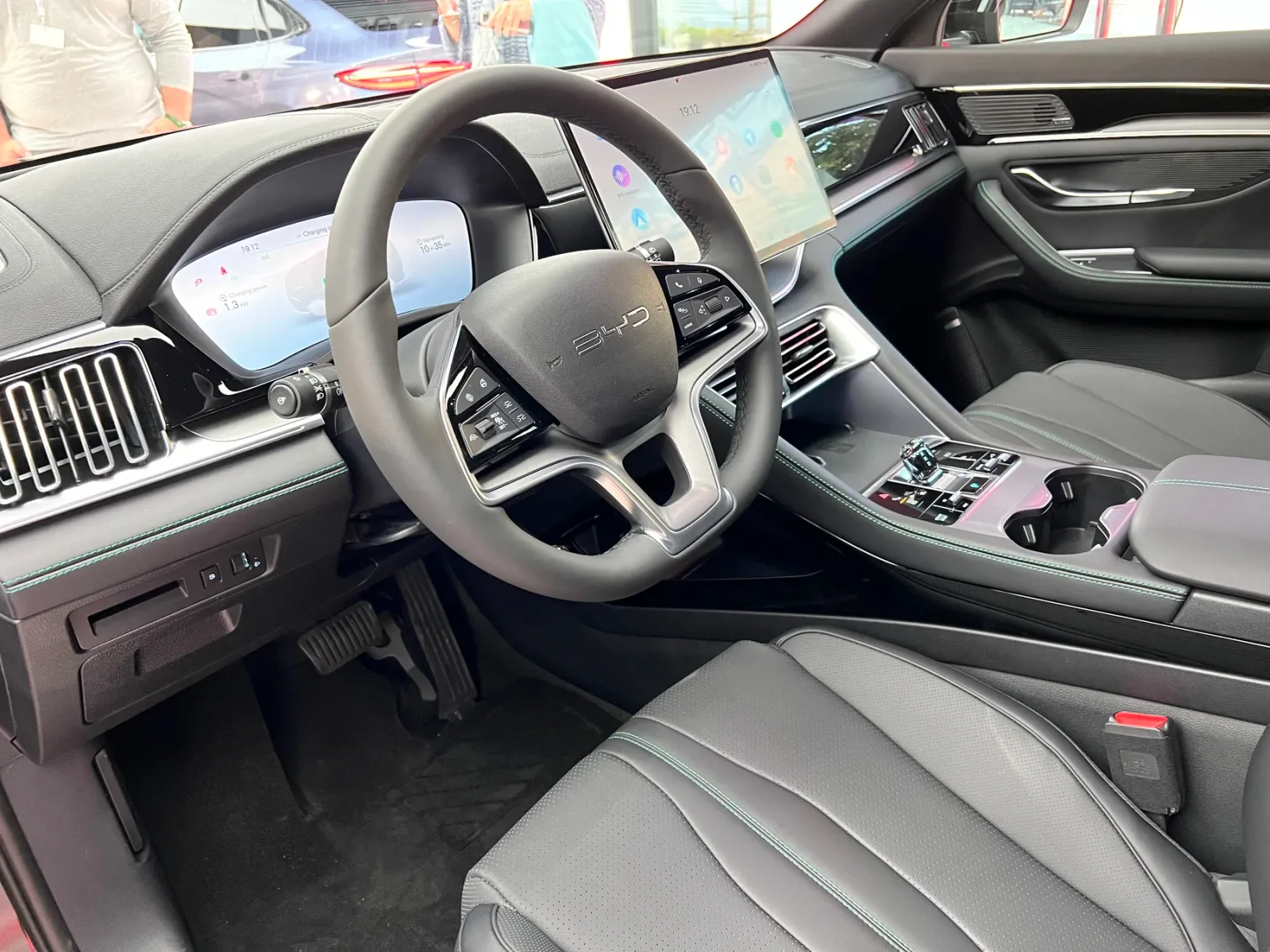
Paradoxically, the number of official service actions does not necessarily indicate a decline in quality. On the contrary, industry experts say that as manufacturers mature and expand their sales in export markets, they are more likely to disclose identified issues and fix them at their own expense.
Reputation as important as sales
For Chery, the stakes are particularly high. The company is currently one of the largest exporters of cars from China, and its brands Omoda and Jaecoo are gaining increasing popularity in Europe, including in Poland — these Chinese brands already account for several percent of the entire new passenger car market!

The situation isn’t improved by videos posted on social media. Recently in Malaysia, there was widespread discussion about a Tiggo Cross losing its wheels after a road accident, while in Indonesia similar photos appeared regarding the Jaecoo J5 model. Manufacturers emphasized that these were consequences of accidents, not design flaws. However, for the public, such images often blend together into one story.
Oskar Włostowski