
The new Toyota Corolla is expected to come with a particularly flexible powertrain concept
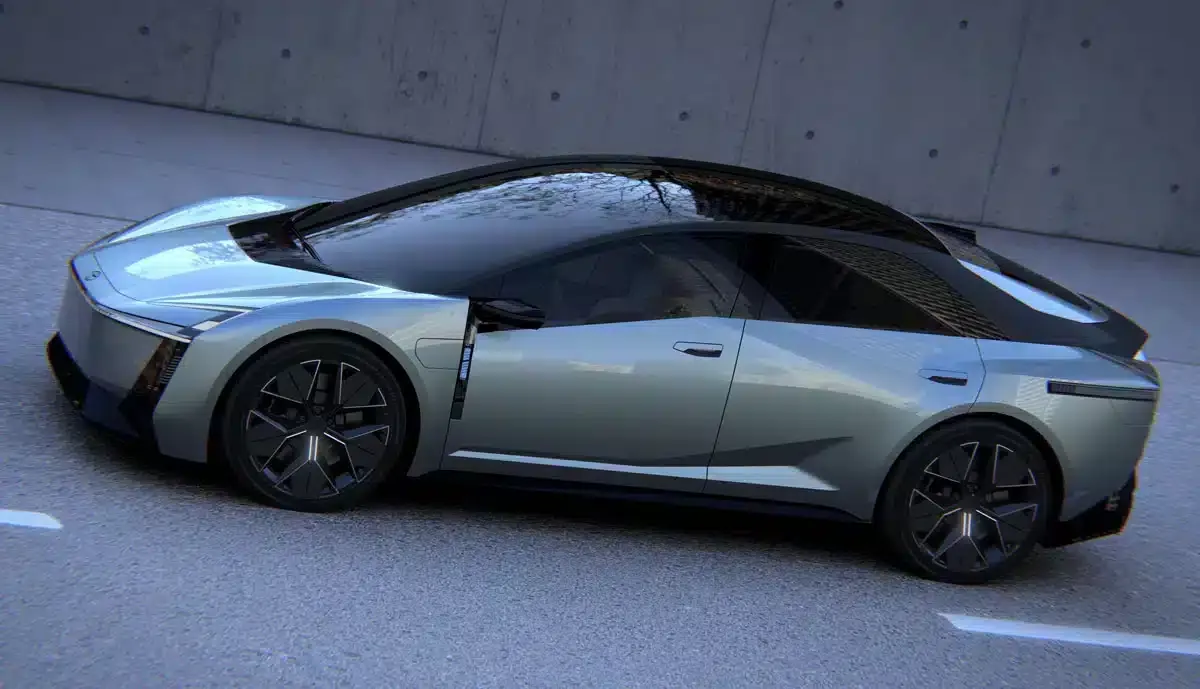
Image: Toyota
Toyota plans to introduce the 13th generation of the Corolla by 2030, which is expected to differ significantly from the current model in terms of technology and design. A futuristic concept car (featured in the article image) displayed at last year’s auto show in Tokyo provided a glimpse of the new vehicle. For the first time, the Corolla will be based on a modular platform that supports traditional combustion engines, hybrid and plug-in hybrid powertrains, as well as fully electric drives.
A key innovation, according to Autocar, is a completely revamped hybrid system designed to be particularly efficient in everyday use. Improvements in space requirements are also promised compared to Toyota’s previous systems. The new powertrain is based on a 1.5-liter four-cylinder gasoline engine that can be used with or without turbocharging, aiming to reduce fuel consumption by 15 percent.
According to the report, the new gasoline engine is 10 percent smaller than the previous 1.5-liter unit in the Aygo X and Yaris, despite having an additional cylinder. The electrical components have also been reduced in size, thanks in part to a new electric motor with a more compact inverter and smaller power control unit. This reduced size is intended to enable hybrid drives to be integrated into future vehicle platforms designed primarily for electric cars.
Thanks to the more compact combustion technology, models with gasoline engines are expected to offer the same interior space as their all-electric versions. At the same time, this design allows for lower and more aerodynamic body shapes that aim to reduce air resistance and thus energy consumption. These advantages are intended for both electric vehicles and models with internal combustion engines.
The new platform also allows vehicles with different drive types to be manufactured on the same production line. This is intended to enable Toyota to invest less money in upgrading its factories and to respond more flexibly to changing demand. Thiebault Paquet, Toyota Europe’s head of research and development, explained to Autocar that the architecture is focused on electric vehicles because they place particularly high demands on efficiency, aerodynamics, and space utilization.
In addition to using it in its own vehicles, Toyota plans to offer the new hybrid system to other automakers as well. By doing so, the Japanese car manufacturer aims to recoup part of the substantial development costs associated with the new platform and powertrain. Timothy D’Herde, head of powertrain development, sees the compact design and high efficiency as key factors that make it possible to integrate this system into vehicle platforms from other manufacturers.
Have you found any errors? Please let us know
by email
about them. Thank you!
Also interesting
About the author
Thomas Langenbucher is an expert in electromobility with experience in the automotive and financial industries. Since 2011, he has been covering electric vehicles, sustainable technologies, and mobility solutions for ecomento.de. Learn more.
Reader interactions