
New methods for upcycling rare earths from magnets
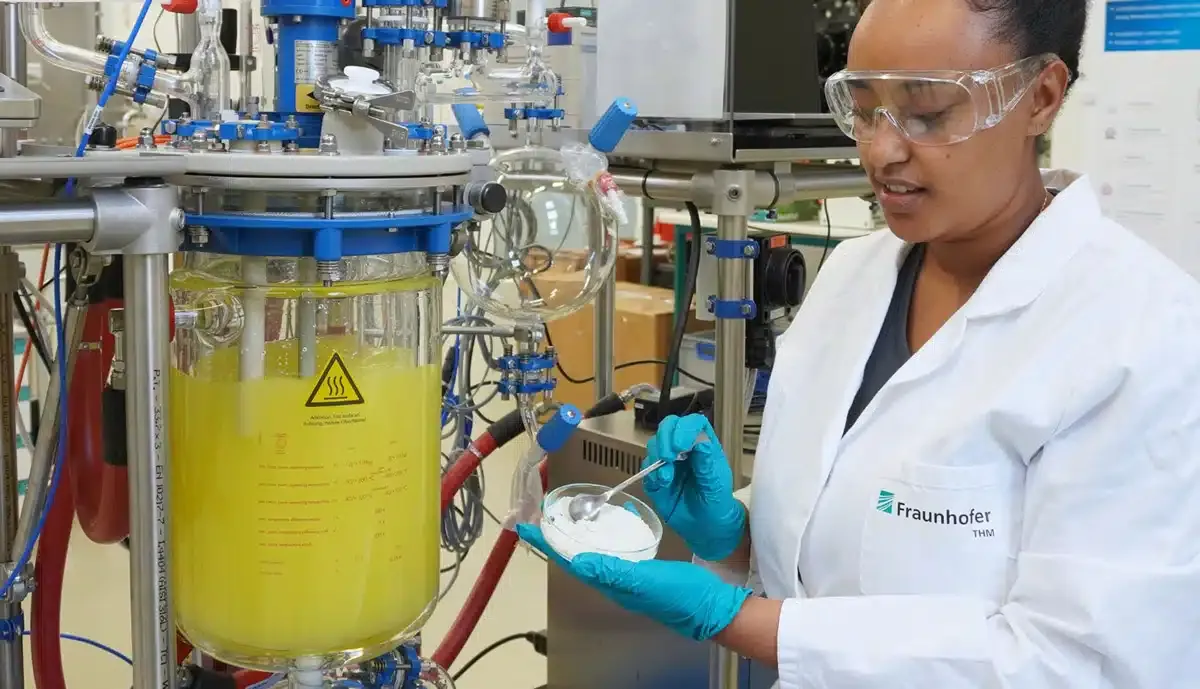
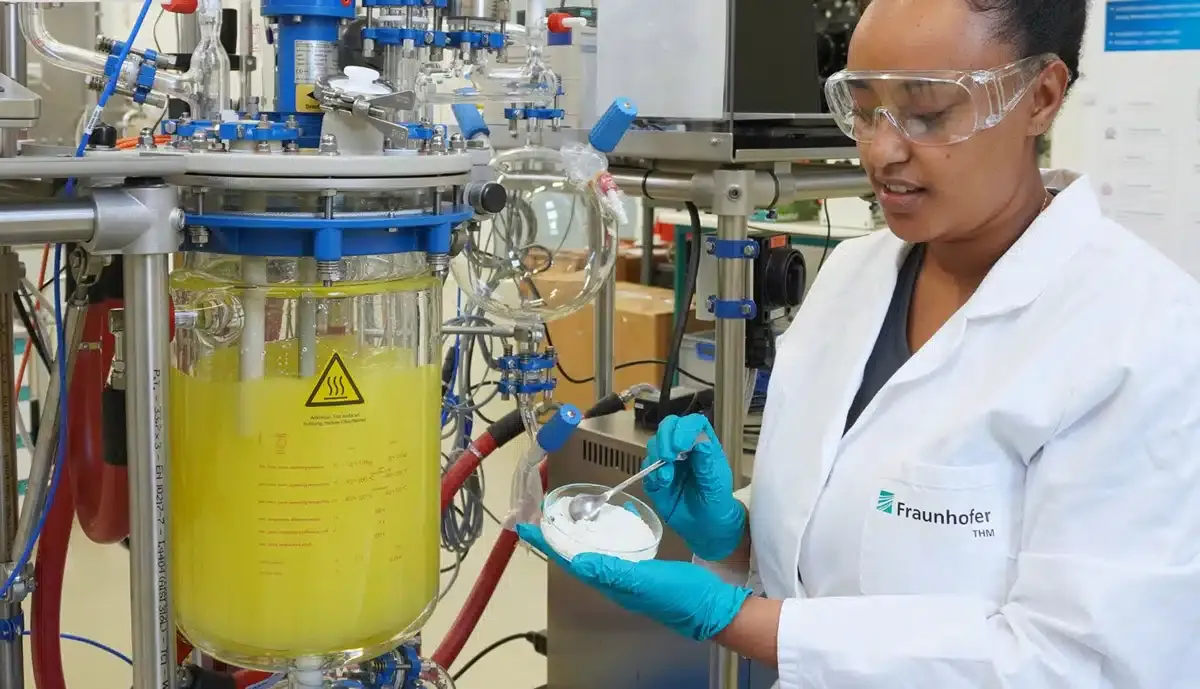
Image: Fraunhofer IKTS
Magnets are used in electric vehicles, wind turbines, and numerous electronic products. Neodymium magnets, in particular, are made of neodymium, iron, and boron and belong to the strongest permanent magnets in the world. As global demand for permanent magnets grows by up to 8.3 percent annually and about 90 percent of neodymium is imported from China, recycling these raw materials is becoming increasingly important.
The Fraunhofer Institute for Ceramic Technologies and Systems IKTS is developing methods to recover rare earth elements from electronic waste in the EU project Neo-Cycle, in collaboration with the TU Bergakademie Freiberg. Currently, magnets in Europe are rarely recycled; instead, they are often collected, transported to China, and processed there. The goal of the project is to recover valuable raw materials in Europe and make them available for high-quality products and various industries.
"We want to recover rare earth elements from electronic waste and use them for high-quality products such as green fertilizers or in the production of pharmaceuticals," explains the head of the Group for Hydrometallurgical Recycling and Raw Material Chemistry at Fraunhofer IKTS in Freiberg. "In this way, we create a closed loop for materials, protect the environment, and also enhance global independence from strategic resources."
The focus is on neodymium magnets derived from used hard drive drives in computers and laptops. To achieve this, researchers are examining two processing methods: solid-state chlorination and electrochemical processes. In solid-state chlorination, ammonium chloride is added to the neodymium-boron-iron mixture, which is then thermally converted into metal chlorides and a highly pure ammonia solution. According to the scientists, initial results show that metal chlorides can be separated from the magnetic material much more efficiently using this method, allowing for nearly complete extraction of the metals with relatively low chemical consumption.
In the second process, powdered magnetic waste is fed into an electrochemical cell. Using an electrolyte such as diluted sulfuric acid, a boron solution is first extracted, which can then be concentrated. This solution is useful for the chemical and pharmaceutical industries. Fraunhofer IKTS also handles the further separation of the obtained products. Through a selective hydrometallurgical process, neodymium and iron are first extracted before the metal salts are obtained in pure form.
The separated materials are intended to be further processed by project partners and supplied to the chemical, pharmaceutical, hydrogen, and fertilizer industries. The project, funded by the European Union under Horizon Europe, has a duration of four years. A pilot plant has already been planned. Sandra Pavón cites a zero-waste concept as the goal, in which end-of-life products become raw materials for four different industrial sectors.
Have you found any errors? Please let us know
by email
about them. Thank you!
Also interesting
About the author
Thomas Langenbucher is an expert in electromobility with professional experience in the automotive industry and finance sector. Since 2011, he has been covering electric vehicles, sustainable technologies, and mobility solutions for ecomento.de. Learn more.
Reader interactions