
Possible bottleneck in electric vehicle subsidies: Government wants to prioritize funding allocation
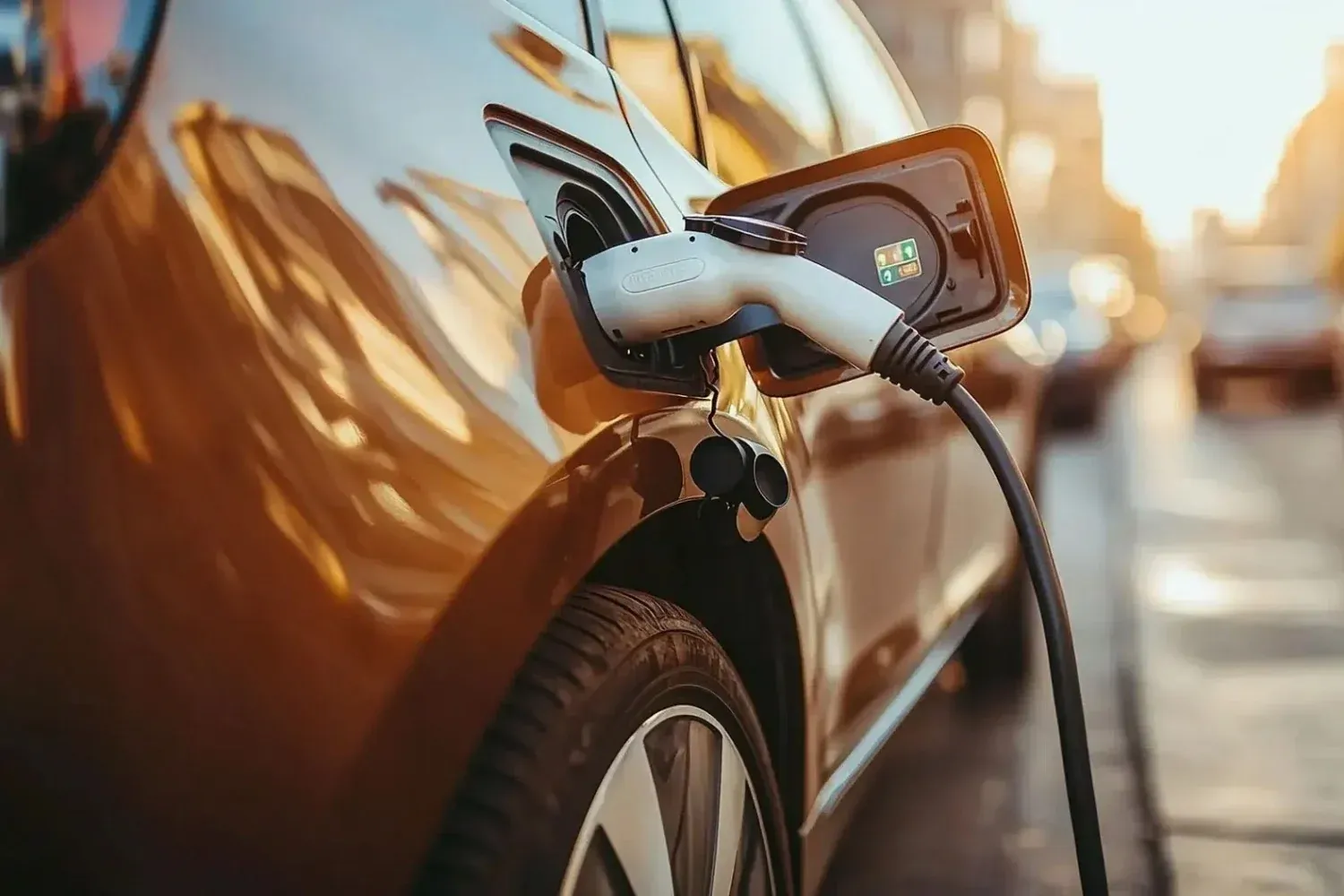
The federal government plans to reallocate funds in the budget to address a financial shortfall in subsidies for electric cars. By 2027, the available subsidy amount in the federal budget is set to increase by 917 million euros, bringing the total available for the coming year to 1.72 billion euros. The budget adjustment is not yet final.
Image: Mercedes Germany
In the autumn of 2026, the share of electric vehicles in new car registrations in Germany rose to a record high of 37 percent. As a result, demand for current electric vehicle subsidies has also increased significantly since spring 2026. Approximately 200 million euros in subsidies are withdrawn monthly through the Federal Agency for Economic Affairs and Export Control (BAFA).
The budget allocated for the coming year now risks running out early. According to media reports from the budget committee’s review meeting in November 2026, the federal government is responding to this financial strain by attempting to advance funds within the program ahead of schedule.
The total budget from the Climate and Transformation Fund remains unchanged for the period from 2026 to 2029 at three billion euros overall. However, to avoid a looming funding gap, funds from later years are intended to be brought forward. The annual budget for 2027 is set to be increased by 917 million euros, bringing the total available for that year to 1.72 billion euros. Initially, 803 million euros were planned for 2027.
“The support for electric cars is developing much more dynamically than assumed in its conception and initial needs assessment,” Spiegel quotes the federal government from what is known as the draft document for the review meeting. This adjustment still requires formal approval from the budget committee of the Bundestag.
The reallocation is intended to ensure short-term funding for car buyers. However, industry experts such as consulting firm EY warn about the long-term consequences. By drawing funds ahead of schedule, the overall pool will be depleted much faster than planned, meaning the subsidy could end definitively by 2027 or 2028, rather than continuing until the end of 2029 as originally intended.
Meanwhile, a political debate has emerged over the fact that a significant portion of tax money goes to imported vehicles from foreign manufacturers, prompting calls to tie the subsidy more closely to European value creation in the future.
The amount of the subsidy would not change due to the reallocation. For pure electric vehicles, claims of up to 6,000 euros can still be made depending on income and family size. However, an early depletion of the funding pool would create a new timing risk. Since the application can only be submitted after the vehicle’s initial registration with BAFA, buyers of models with long delivery times bear the financial risk of receiving nothing if delivery is delayed due to the funding pool already being exhausted.