
MG IM6 comparison: A newcomer with 300 kW, 625 km range, and 800 volts.
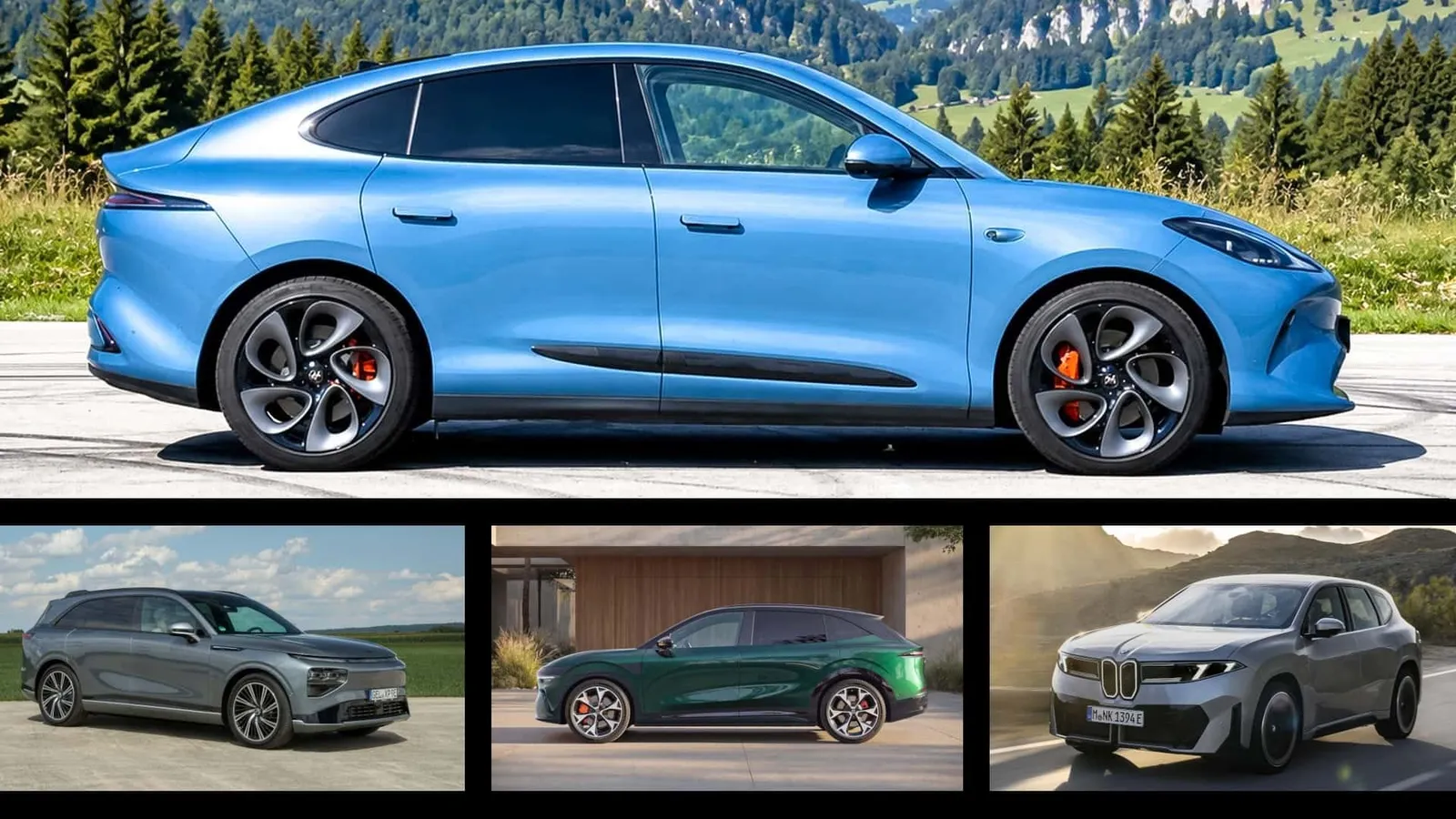
The MG IM6 is currently only known to insiders, but this electric SUV is truly interesting: it features 800-volt technology, powerful engines, and a range of up to 625 km according to WLTP standards. Prices for the rear-wheel-drive version start at 56,990 euros. That doesn’t sound bad for a model 4.90 meters long, does it? But a proper assessment can only be made after comparing it with competitors.
Some of the most interesting rivals for the MG IM6 include the Xpeng G9, Zeekr 7X, and BMW iX3. We will compare it against these three 800-volt models. Let’s start with the exterior dimensions:
Length
Width
Height
Wheelbase
Trunk Space
MG IM6
4.90 m
1.99 m
1.67 m
2.95 m
665–1,640 liters
32 liters in front trunk
Xpeng G9
4.89 m
1.94 m
1.68 m
3.00 m
660–1,576 liters
71 liters in front trunk
Zeekr 7X
4.80 m
1.92 m
1.65 m
2.90 m
539 liters
66 liters in front trunk
BMW iX3
4.78 m
1.90 m
1.64 m
2.90 m
520–1,750 liters
58 liters in front trunk
The Xpeng G9 has almost the same dimensions as the MG IM6, although it appears much bulkier. In contrast, the Zeekr 7X and BMW iX3 are about 10 and 12 cm shorter respectively. The IM6 has a larger trunk space, but the gap compared to the G9 isn’t very large. Zeekr only specifies the volume with the rear seats upright; in this aspect, the model falls far behind. It’s not surprising that the BMW offers even less storage space due to its smaller size.
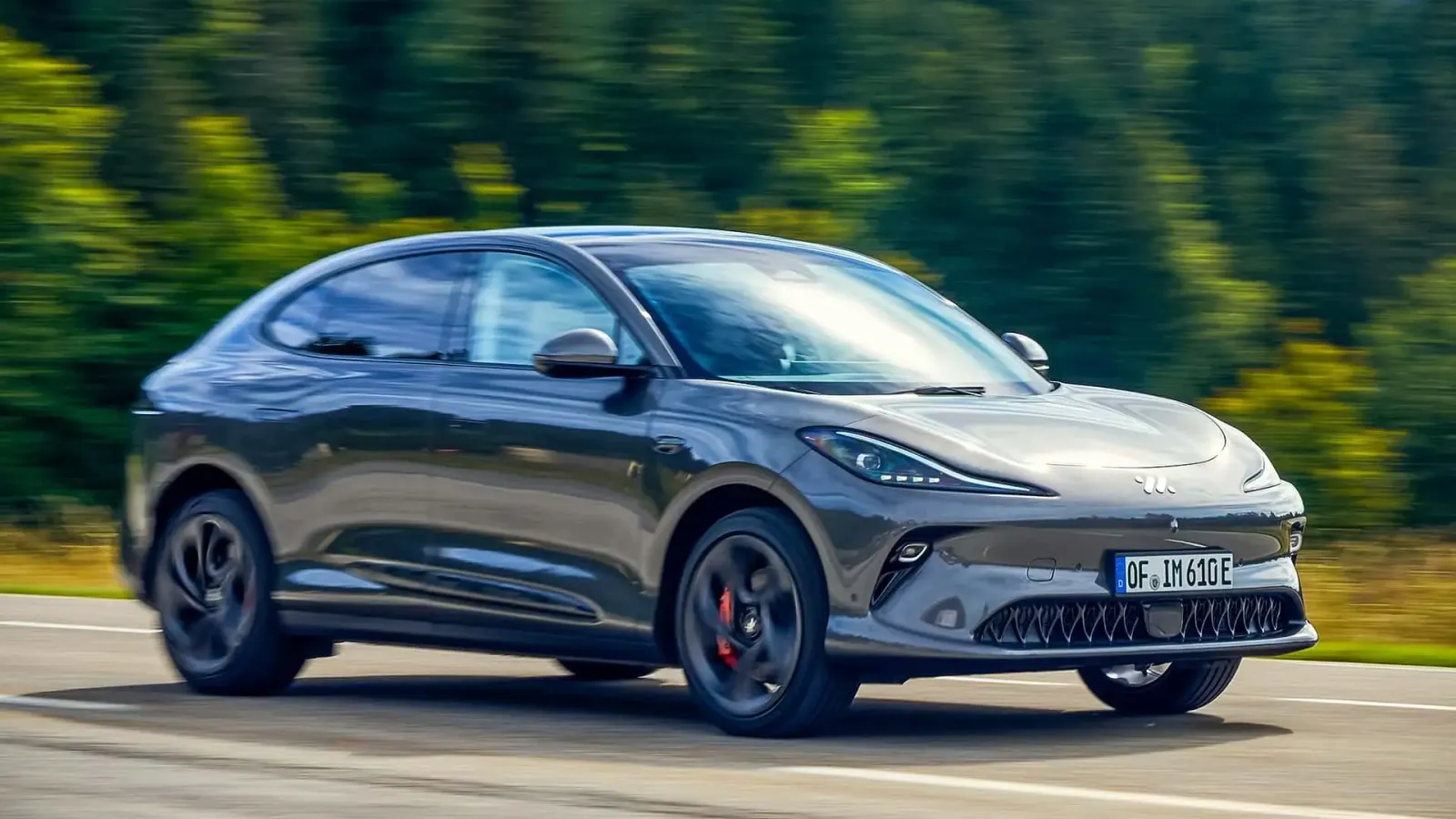
More of a coupe-SUV: The MG IM6
Image by: MG Motor
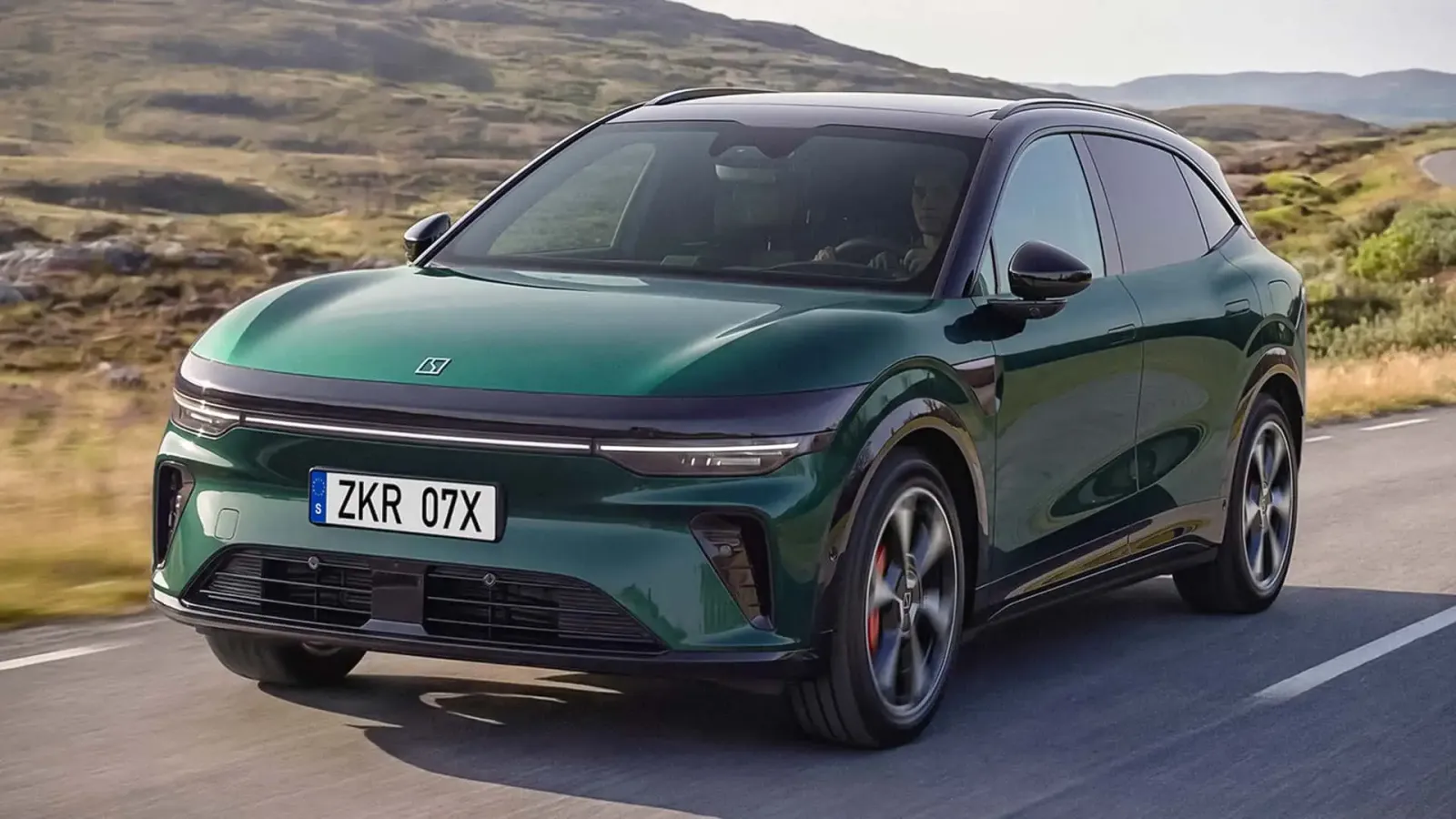
Zeekr 7X: Between a standard SUV and a coupe SUV
Image by: Zeekr
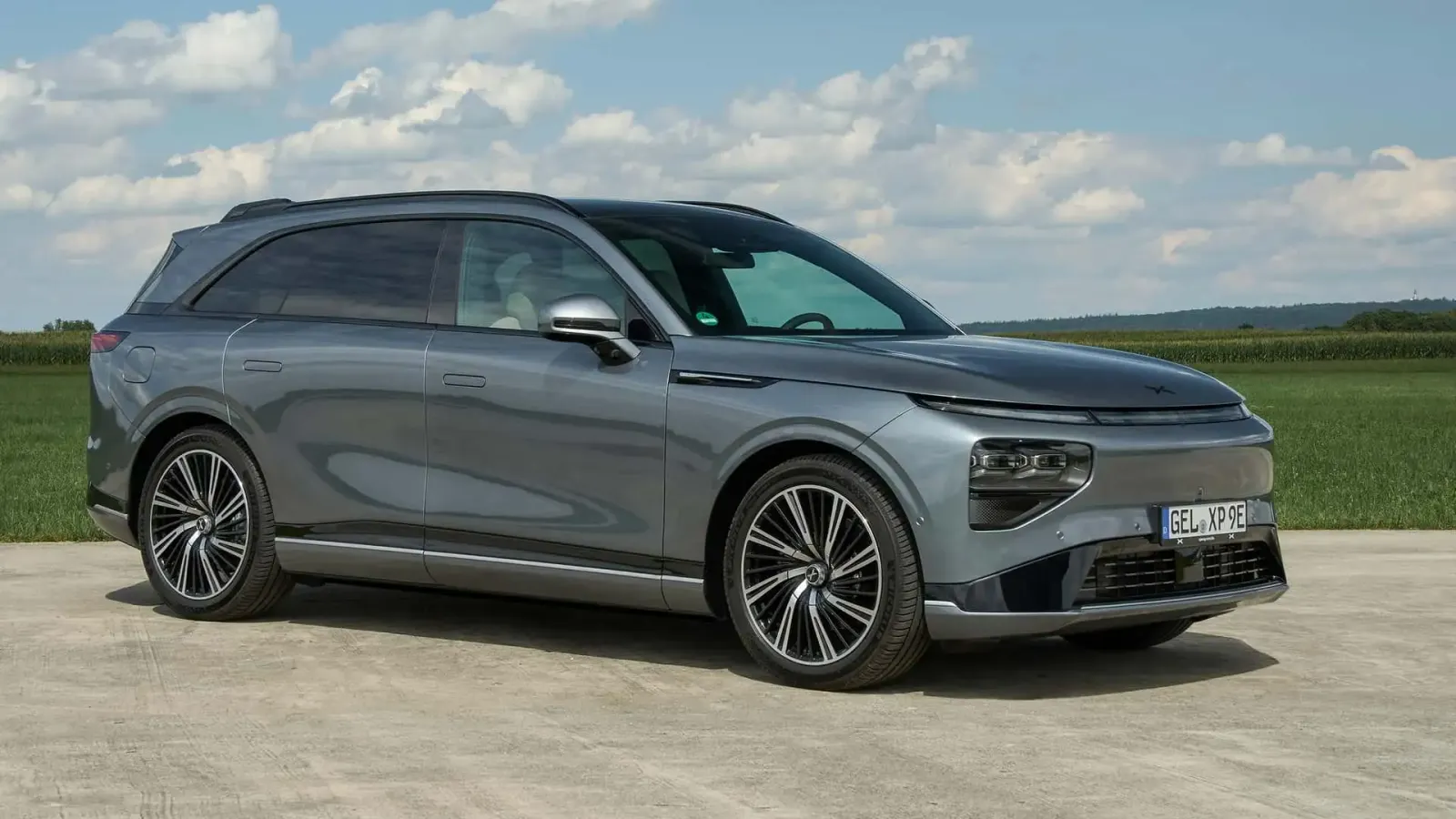
The Xpeng G9 is a "true" SUV
Image by: Xpeng
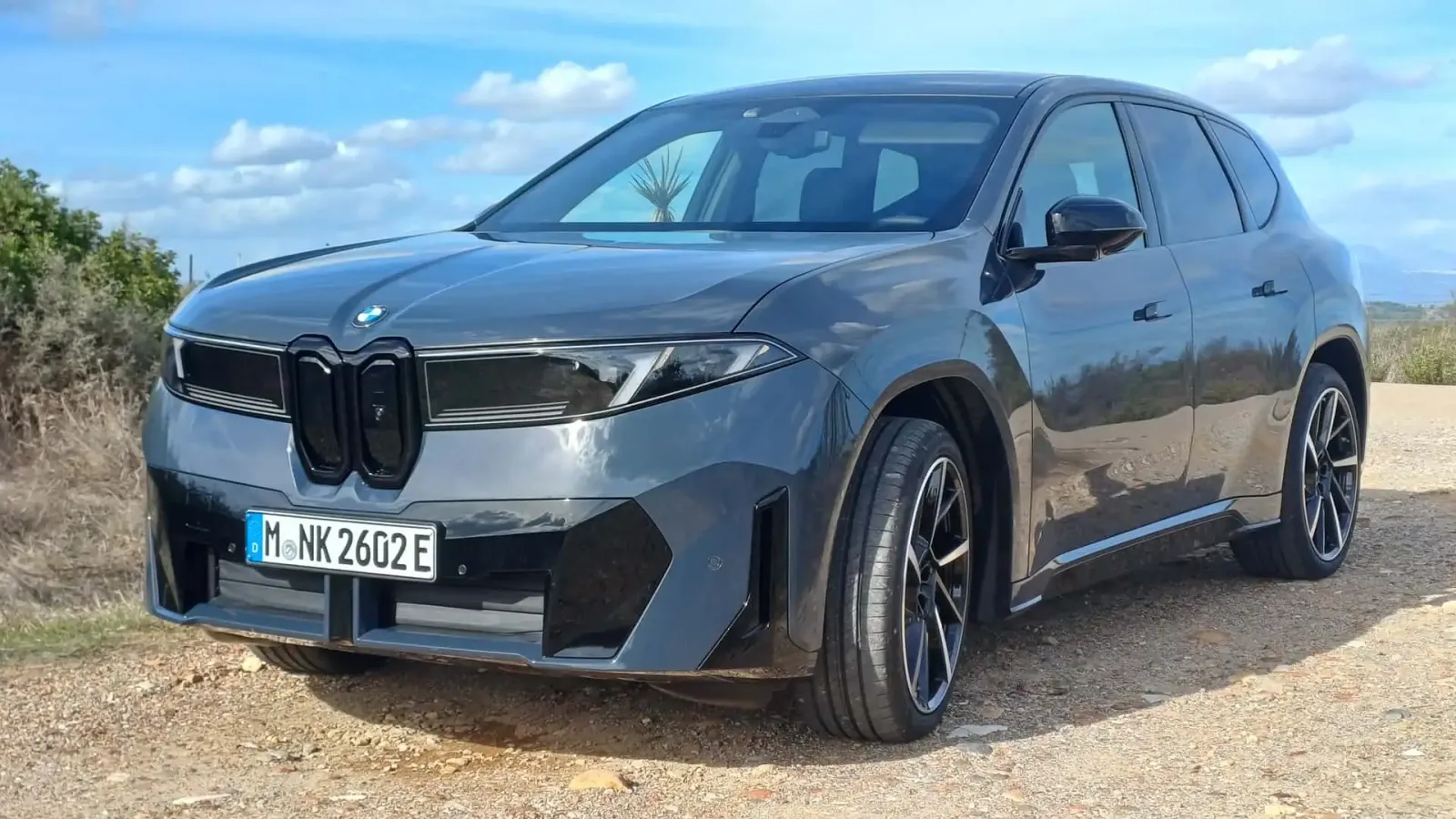
The BMW iX3 is also angular but smaller
Image by: InsideEVs
In our opinion, the Zeekr 7X and the BMW iX3 have the most stylish appearance, while the Xpeng G9 features a subtle design. The MG IM6 looks very sporty from the side but appears somewhat dull when viewed from a slight front angle. All four models come with five seats, although the Xpeng seems capable of accommodating seven seats.
The IM6 comes standard with a huge 26.3-inch dual display in the cockpit, along with a 10.5-inch touchscreen for settings. In contrast, the Zeekr 7X offers a relatively modest 13-inch instrument display and a 16-inch touchscreen. The Xpeng G9 features a more extensive display setup: it includes a smaller instrument display (10.25 inches) and two 15-inch screens placed side by side. Finally, the iX3 comes standard with a parallelogram-shaped touchscreen (17.9 inches) and a row-based Panoramic Vision display on the windshield.
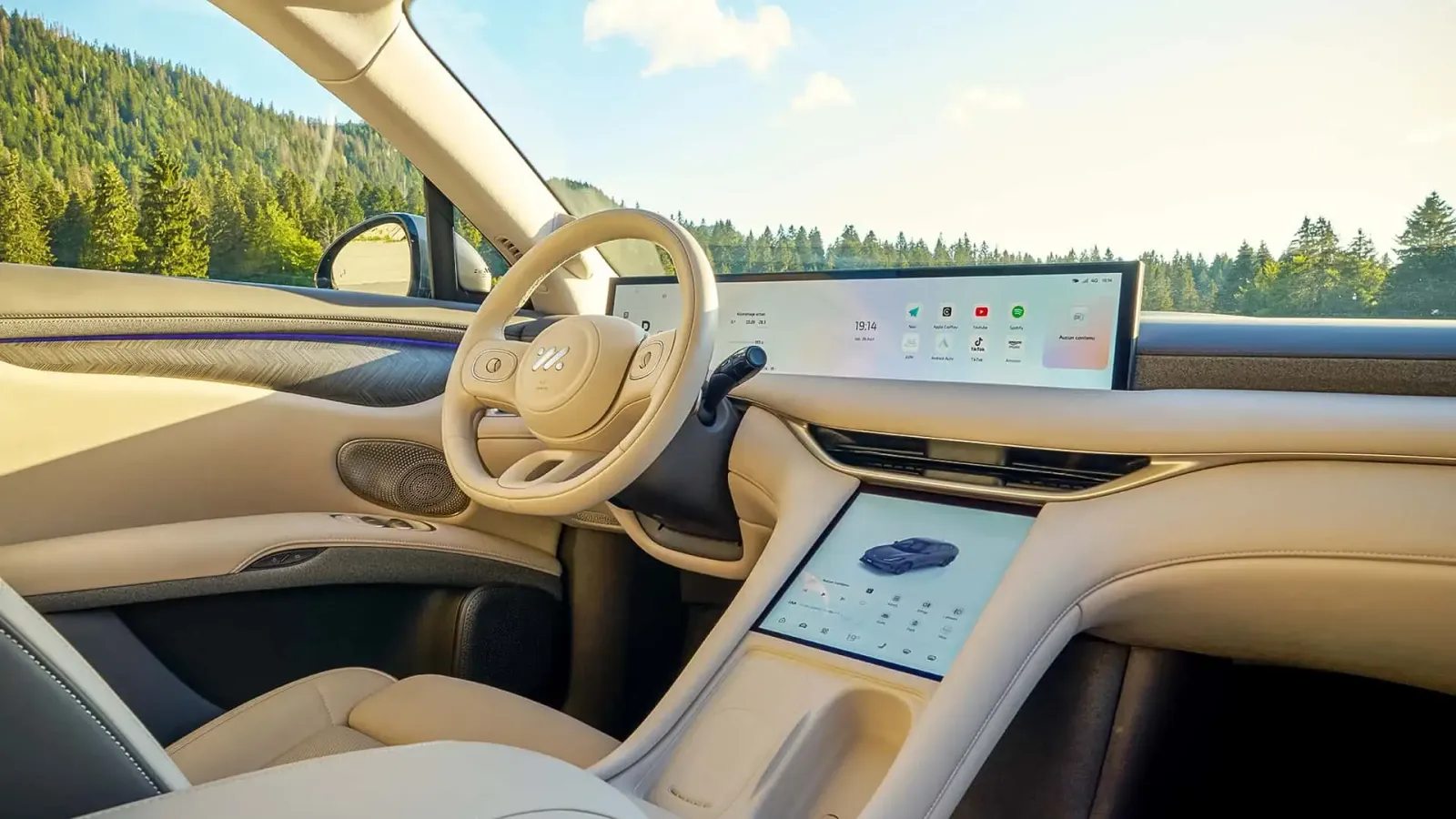
MG IM6: A very wide display plus a screen for settings
Image by: MG Motor
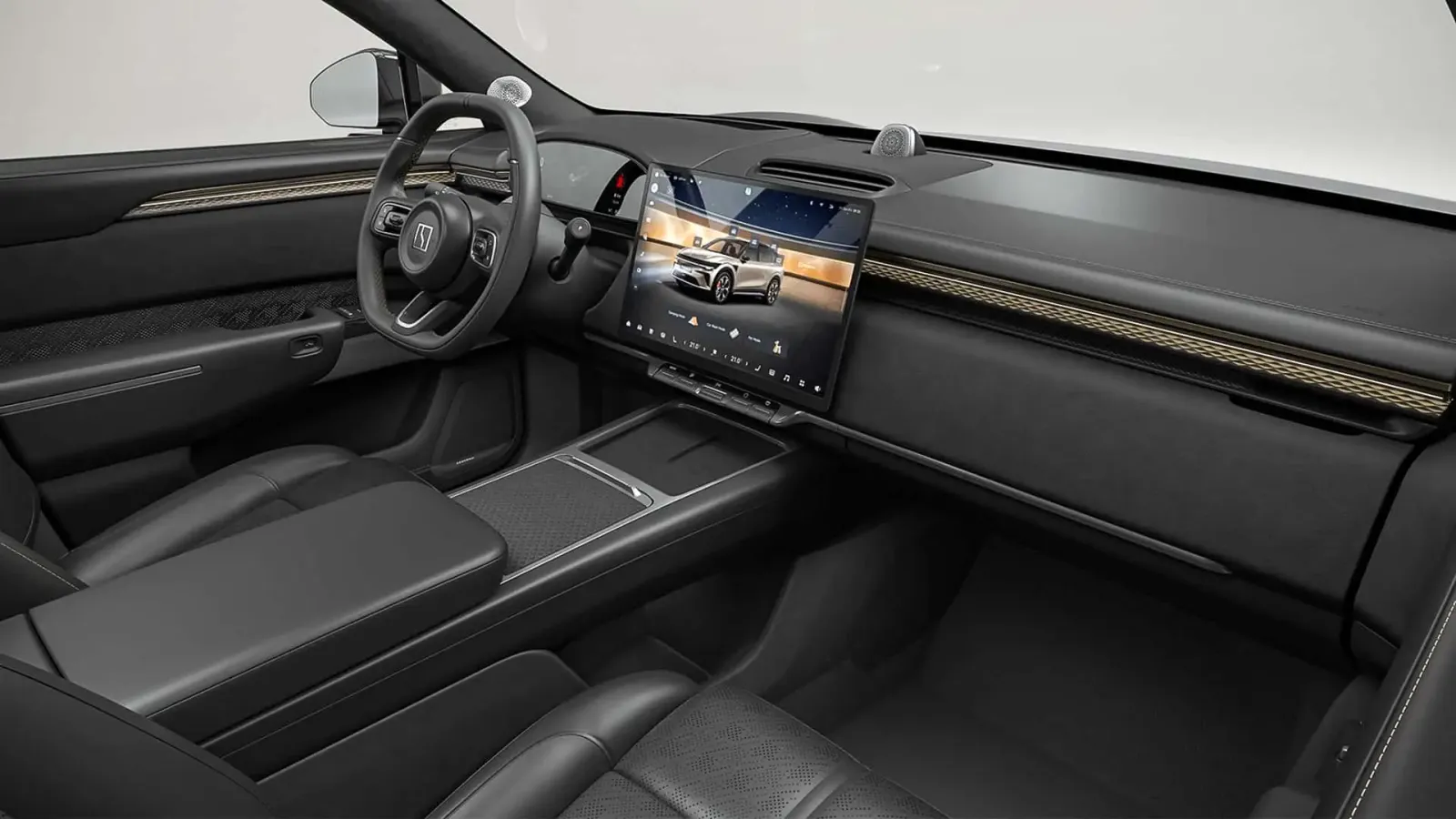
Zeekr 7X:
Image by: Zeekr
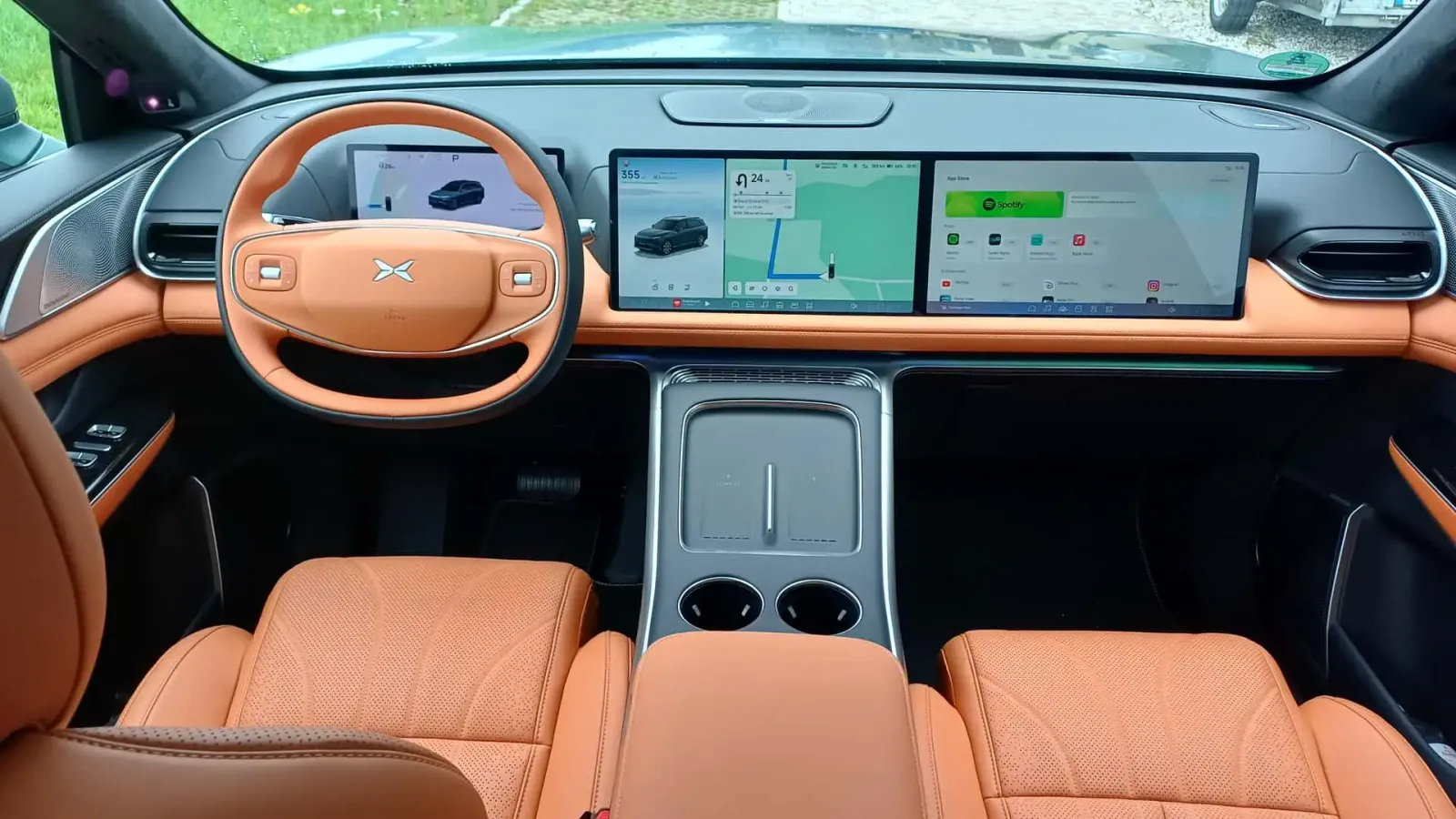
Xpeng G9: Small instrument display plus two large touchscreens
Image by: InsideEVs
BMW iX3: Touchscreen in parallelogram shape plus panoramic vision display
Image by: BMW
In our test of the MG IM6, colleague Chris criticized its somewhat unique control system. He was dissatisfied, among other things, with the fact that doors must be opened from the inside using a button. If you’re interested in details about the controls, we recommend the following (English-language) video from Pan Monitoring:
Let’s now turn to the powertrain and battery. What’s most interesting about the IM6 for us is not the all-wheel-drive version but the rear-wheel-drive model with 300 kW of power and a range of 625 km. It competes against the Xpeng G9 RWD Long Range, the Zeekr 7X Long Range RWD, and the BMW iX3 40. Here are the key specifications:
MG IM6 RWD
Xpeng G9 RWD Long Range
Zeekr 7X Long Range RWD
BMW iX3 40
Powertrain
RWD 300 kW
RWD 258 kW
RWD 335 kW
RWD 235 kW
0–100 km/h / Top Speed
5.4 seconds / 235 km/h
6.4 seconds / 200 km/h
5.5 seconds / 210 km/h
5.9 seconds / 200 km/h
WLTP Fuel Consumption
18.2 kWh/100 km
18.6 kWh/100 km
17.8 kWh/100 km
15.7–18.9 kWh/100 km
Net Battery Capacity
96.5 kWh NMC
92.2 kWh LFP
100 kWh NMC
82.6 kWh NMC
WLTP Range
625 km
585 km
627 km
532–645 km
Empty weight
2,395 kg
(EU standard)
2,290 kg
2,385 kg
2,160 kg
(EU standard)
Max. towing capacity
1,500 kg
1,500 kg
2,000 kg
2,000 kg
The Zeekr has the highest performance, but the MG offers the best driving dynamics. However, the BMW performs best in terms of fuel consumption: when configured appropriately, the iX3 40 uses less than two kWh per 100 km compared to the other three competitors. The three Chinese models compensate for this with large batteries. Still, the Xpeng has a relatively low range of 585 km. A advantage of both the BMW and Zeekr is their high towing capacity: they can pull two tons, while the other models can only handle 1.5 tons.
Now, onto the charging specifications:
MG IM6 RWD
Xpeng G9 RWD Long Range
Zeekr 7X Long Range RWD
BMW iX3 40
Charging port
Rear driver’s side
Rear passenger’s side
Rear driver’s side
Rear passenger’s side
AC/DC charging capacity
up to 11 / 396 kW
up to 11 / 525 kW
up to 22 / 420 kW
up to 11 (opt. 22) / 300 kW
DC charging time 10–80%
about 17 minutes
12 minutes
15 minutes
21 minutes
DC charging speed 10–80%
about 4.0 kWh/min
5.4 kWh/min
4.7 kWh/min
2.8 kWh/min
Average DC charging capacity 10–80%
about 238 kW
323 kW
280 kW
165 kW
Recharging range
about 25.7 km/min
34.1 km/min
29.3 km/min
up to 21.5 km/min
According to the data, the Xpeng charges clearly the fastest; however, this requires finding a charging station with over 500 kW. In that case, the charging speed we calculated here is the highest (calculation: 92.2 kWh × 0.7 / 12 minutes). It also leads in terms of range replenishment (585 km × 0.7 / 12 minutes).
The MG also ranks among the top ten fastest-charging electric cars at around 4.0 kWh per minute, or an average of about 238 kW (96.5 kWh × 0.7 / 17 minutes × 60 minutes/hour). However, this does not hold true for range replenishment: 25.7 kilometers per minute is certainly not bad, but it’s not a top-tier figure. Here, the car’s relatively low efficiency becomes a drawback. The BMW charges significantly slower than its Chinese competitors; the base iX3 model is much slower than the iX3 50 xDrive, which performs better in this regard.
The Norwegian colleague Bjørn Nyland has already conducted a charging test with the MG IM6. He only achieved a maximum charging power of around 340 kW, which is significantly lower than the promised 396 kW. However, this shouldn’t be overemphasized — the results of a single charging test are always limited. The test does show that the MG charges very quickly. Even at 70% SoC, the charging power was still around 200 kW, and at 80% it was over 150 kW. The charging time, however, was not 17 minutes but 18 to 19 minutes. And the Zeekr 7X, tested simultaneously, charged much faster.
Prices remain to be discussed. They might surprise some people, as they are all roughly at the same level. The IM6 is the cheapest, costing about 6,600 euros less than the Xpeng, which at 63,600 euros is actually the most expensive model in the comparison — it’s even slightly more expensive than the BMW. The Zeekr falls in price between the MG and the Xpeng:
MG IM6 RWD
Xpeng G9 RWD Long Range
Zeekr 7X Long Range RWD
BMW iX3 40
Price
56,990 euros
63,600 euros
59,990 euros
63,400 euros
The standard equipment of the IM6 is very comprehensive. It includes LED lighting, 20-inch alloy wheels, electrically adjustable, heated, and foldable exterior mirrors, as well as synthetic leather seats that are electrically adjustable and ventilated in the front, with memory and massage functions available for the driver’s seat. Standard features also include a two-zone automatic climate control, front and rear seat heating, a navigation system, a glass roof, a sensor-controlled trunk lid, a heat pump, a parking assistant, a distance control cruise control, a lane keeping assistant, and a blind spot assistant. Special features include rear-wheel steering and an assisted lane change function.
In his test of the IM6’s four-wheel-drive version, colleague Chris praises the all-wheel steering and the good noise level. He was less impressed by the controls, the door openers, and the poor rear visibility. The latter is typical for a coupe-SUV. Additionally, the car does not offer true one-pedal driving.
More large electric SUVs:
In summary
Last-minute surprise: We had this comparison almost finished, and the MG IM6 seemed almost unbeatably attractive to us. But then we came across the Zeekr 7X and added it to our comparison later on. And lo and behold, it’s even a bit better. It has practically the same range as the IM6 and very similar driving performance, but it charges a bit faster and can pull heavier trailers. Additionally, we find it more stylish. The disadvantages of the Zeekr include a smaller trunk and a slightly higher price—although we haven’t compared the equipment specs.
The Xpeng G9 charges extremely fast but has a shorter range. The BMW iX3 offers the greatest range with the right configuration, but it charges much slower than its Chinese competitors.