
Mercedes halts all its investments in Germany and threatens to close factories
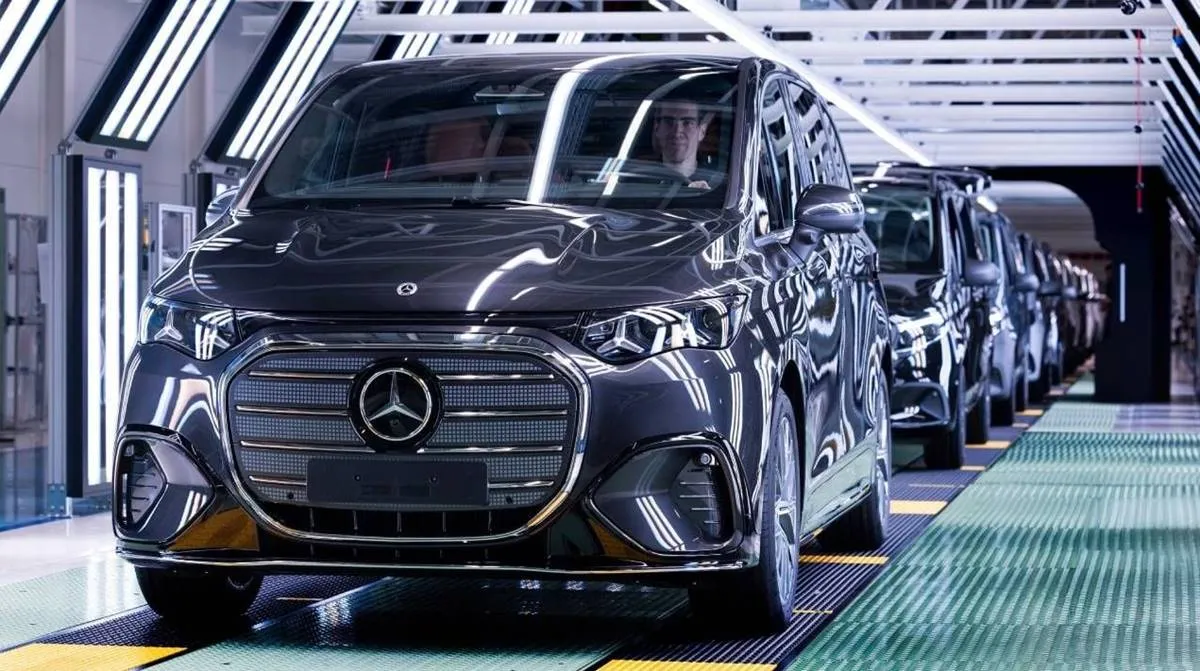
Mercedes-Benz has made a decision that serves as a serious warning to Germany’s automotive industry. The Stuttgart-based manufacturer has announced a halt to new investments in its plants in Germany and has raised a quite alarming prospect for Germans: closing some of its most important factories. This move comes at a time of rapid transition toward electric vehicles and highlights the growing difficulties in producing cars competitively in Europe’s industrial heartland.
The decision comes after months of unsuccessful negotiations between Mercedes’ management, workers’ representatives, and the IG Metall union. The company believes its production costs in Germany are too high and demands significant changes to ensure the viability of its facilities. Meanwhile, much of its new industrial investment is going to countries with lower costs, such as Hungary, where the manufacturer is expanding its capacity to produce electric cars.
Most strikingly, Mercedes is not merely talking about cutting costs or adjusting staff levels, but questioning the continuation of certain German factories. This is a particularly delicate situation for a country that has built much of its prosperity over decades on the strength of its automotive industry.
Mercedes warns: manufacturing in Germany costs up to five times more than in Eastern Europe
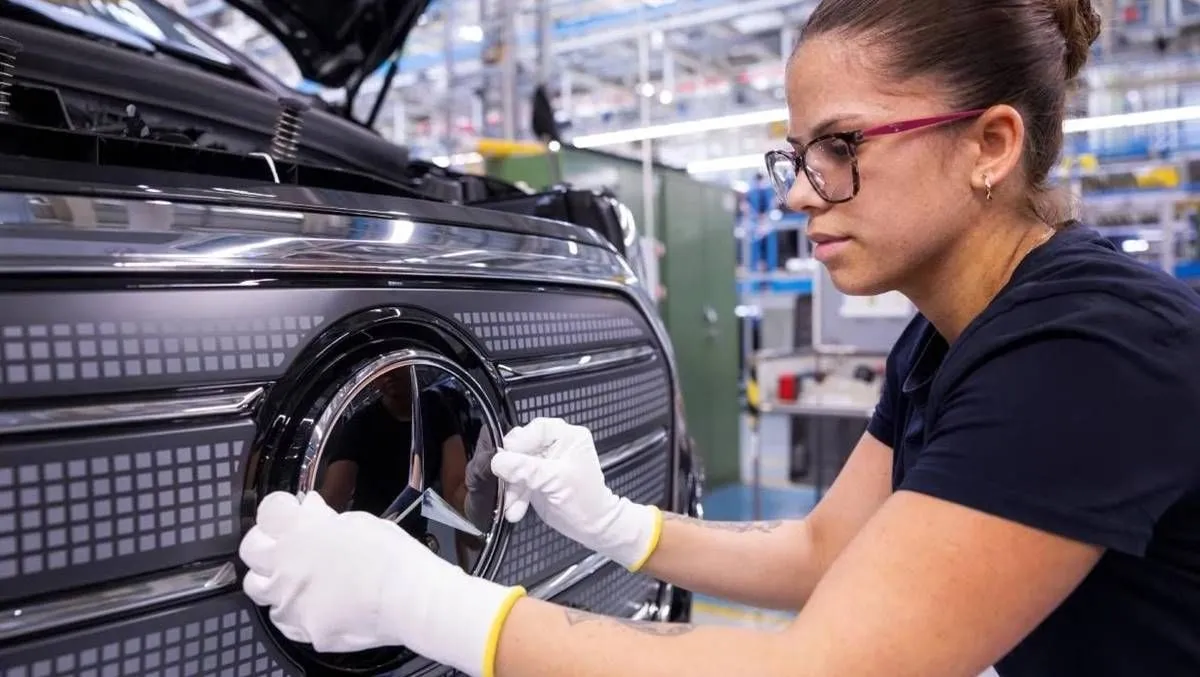
Michael Schiebe, head of production at Mercedes-Benz, confirmed in an internal memo that the board has decided to halt all new investments in German facilities. The reason is the lack of progress in talks to reduce labor costs, which the company considers incompatible with the current needs of the industry.
The difference compared to other factories in the group is particularly significant. According to management, the cost of one hour of production work can be up to five times higher in Germany than at certain facilities in Eastern Europe. This gap also exists in administrative areas and is influencing decisions about where to manufacture future models.
Mercedes aims to have its German workers work more hours while keeping their current salaries. This proposal faces strong opposition from IG Metall, which defends the labor conditions established over decades, including a 35-hour workweek. The conflict has reached a point where management believes it is necessary to explore much more drastic alternatives.

Britta Seeger, the group’s human resources director, has admitted that the company needs to carefully assess which facilities it can still maintain in Germany. Although Mercedes claims it wants to avoid closures, this possibility is already part of the scenarios being considered. The facilities potentially affected could include an automobile assembly plant and another dedicated to manufacturing mechanical components.
Mercedes-Benz CEO Ola Källenius has also directly pointed out Europe’s competitiveness issues. In his recent statements, he warned that Europe has become too expensive and complex for investing and manufacturing, citing high energy costs, bureaucracy, and regulatory requirements as some of the main obstacles.
The problem arises at a time when Mercedes is facing commercial weakness. The company is experiencing declining results, particularly due to difficulties in China, one of its most important markets. In the third quarter of 2026, its passenger car division’s adjusted operating profit dropped by roughly half, to around 560 million euros. This situation increases pressure on management to cut costs and restore profitability.
While investments remain frozen in Germany, Mercedes continues to develop its manufacturing capacity in other European countries. Its plant in Kecskemét, Hungary, has become one of the key focuses of its expansion strategy, with an investment of about 1.000 million euros under the industrial program planned for 2022 to 2026.
The Hungarian facilities have acquired new production lines, battery assembly areas, and additional capacity to manufacture electric models. Among the projects underway is the new electric generation of the Mercedes Class C, which is part of the brand’s technological transformation. Hungary offers the manufacturer a combination of lower labor costs and industrial capacity that is increasingly influencing its production decisions.
The contrast is hard to ignore. While Germany faces a decline in industrial activity and skilled jobs, other European countries such as Hungary or Spain are attracting investments related to electric car manufacturing. It’s not that Mercedes is leaving Europe, but rather that it is relocating its production within the continent to places where it believes it can manufacture more competitively.
This situation is not unique to Mercedes. Volkswagen and other German manufacturers and suppliers have long been announcing adjustments, cost cuts, and industrial reorganizations. Competition from Chinese manufacturers, pressure on profit margins, and the need to fund new technologies are forcing a review of production structures that seemed untouchable for decades.
Mercedes’s decision currently means a suspension of new investments rather than a confirmed closure of its German factories. The outcome will largely depend on negotiations with the workers. But the message is clear: even one of Germany’s most recognizable symbols of the industry is willing to reconsider where it manufactures its cars.
For Germany, the risk extends far beyond Mercedes. Every new investment made in another country represents an industrial opportunity that could be very difficult to regain in the future.