
Mercedes-Benz has halted its investments in Germany and threatens to close factories if it fails to reach a cost-cutting agreement.
14/11/2026 10:00
Updated to
14/11/2026 10:00
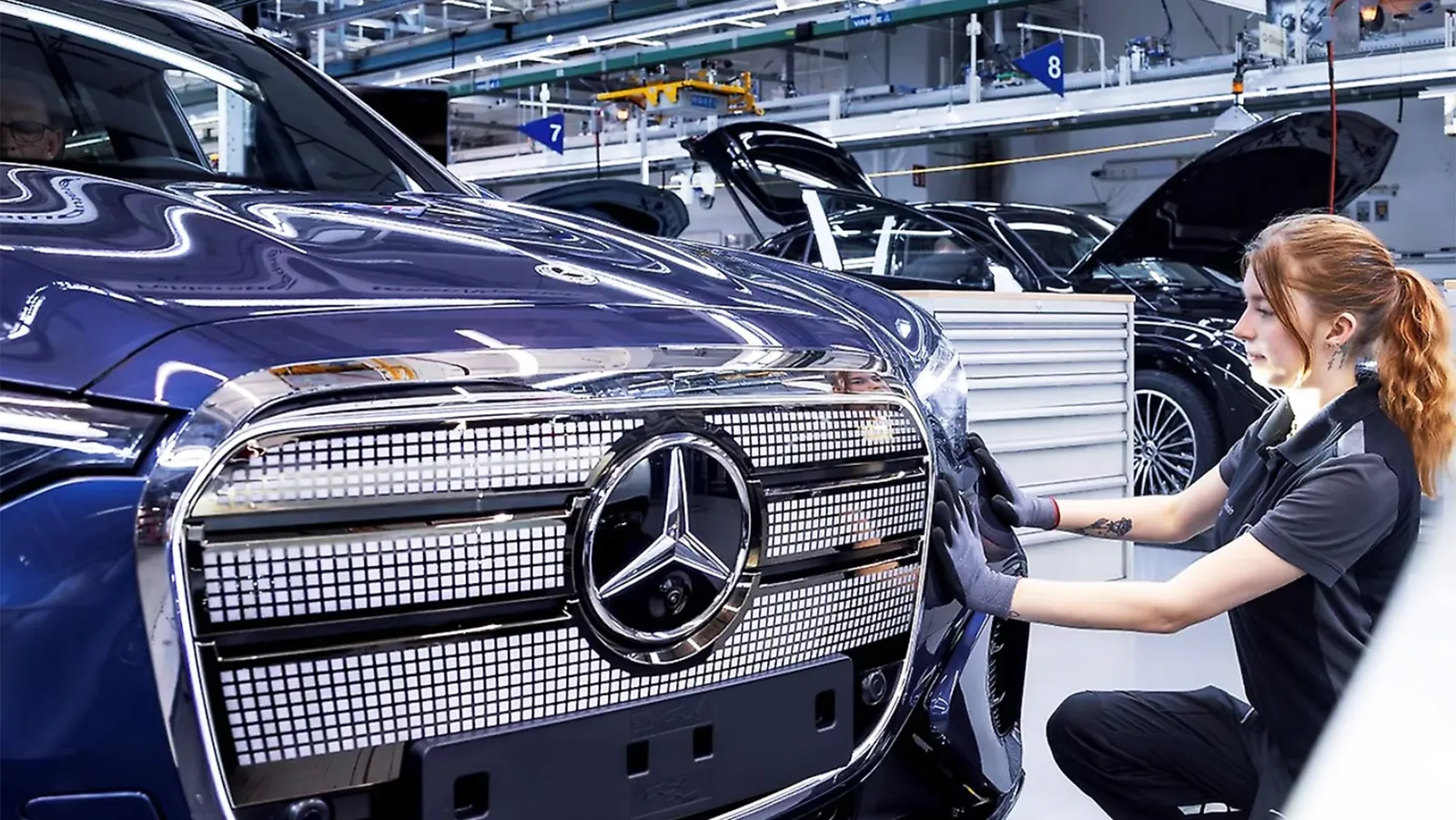
Mercedes-Benz has decided to temporarily suspend new investments in its German manufacturing plants and has considered closing some factories if it fails to reduce labor costs. This decision, announced internally by Production Director Michael Schiebe, follows several months of unsuccessful negotiations with union representatives. Management aims to extend working hours from 35 to 40 per week without raising salaries and by cutting certain benefits. No plant closures have been approved yet, but the company will explore this option.
Mercedes-Benz wants its employees to work five more hours for the same salary
The decision was revealed through an interview published on November 12 on Mercedes-Benz’s intranet, to which the German newspaper Handelsblatt had access.
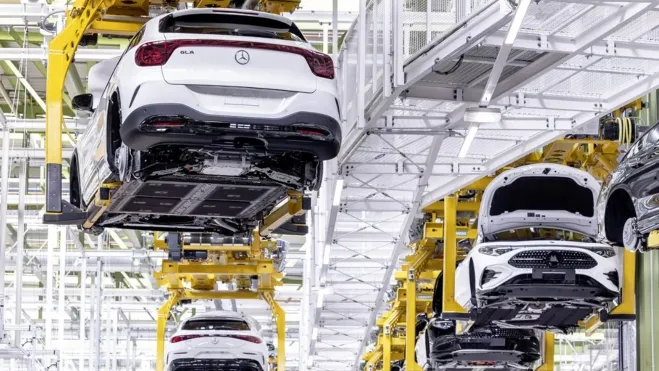
In it, Michael Schiebe confirmed that the board of directors had agreed to halt further investments in German facilities due to lack of progress in negotiations.
The main dispute relates to labor costs. Mercedes-Benz wants certain workers to work 35 to 40 hours per week without a salary increase. It is also considering reducing bonuses, performance incentives, and other benefits.
According to Handelsblatt, the manufacturer aims to save approximately 800 million euros per year through these measures. The proposal faces opposition from the IG Metall union, which views the 35-hour workweek as a labor achievement that must be preserved. Schiebe claims that the cost of one hour of work in some German factories can be up to five times higher than that in certain plants in Eastern Europe, based on comparisons provided by the management.
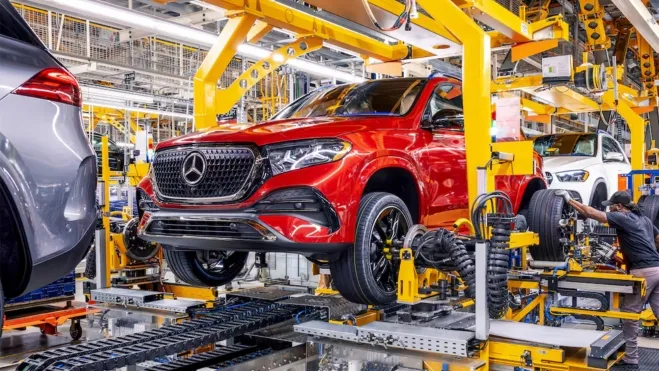
Mercedes’s next cars might be manufactured outside Germany
The warning goes beyond wage negotiations. Mercedes-Benz is assessing which German facilities can remain competitive and where it should manufacture its next generations of vehicles. The company has major vehicle production centers in Sindelfingen, Bremen, and Rastatt, along with numerous component factories.
Britta Seeger, head of Human Resources, said the intention is to avoid closures, but admitted the company will need to examine this option more closely. The manufacturer is also considering moving the production of future models abroad if it fails to adjust its cost structure.
This possibility could affect the investment decisions needed to manufacture the next generations of electric and internal combustion vehicles. However, Mercedes-Benz has not officially identified any plants that will close nor announced the cancellation of any specific production program.
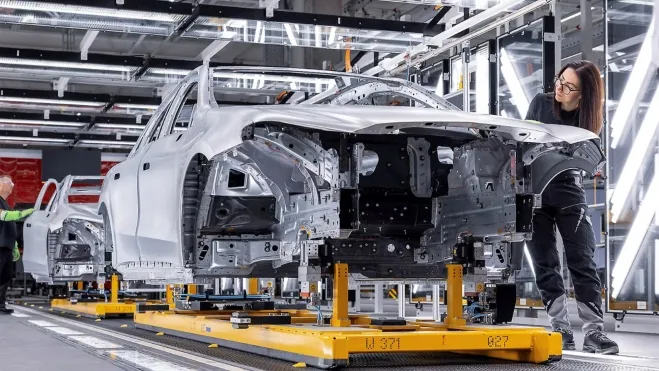
Falling sales in China increase pressure on Mercedes-Benz
The industrial conflict coincides with a challenging business environment for the German manufacturer. The company is facing reduced demand in China, increasing competition from local manufacturers, and the impacts of U.S. tariffs.
These factors have pressured their results and increased the need to review industrial costs. Management believes that manufacturing in Germany is becoming less competitive compared to other international locations.
The issue also reflects the challenges faced by the European automotive industry, which needs to fund new technologies and electric vehicles while trying to maintain its traditional factories. For Mercedes-Benz, the upcoming decisions will be particularly important: they will determine where its future cars will be produced and what role the German facilities will play in its industrial strategy.
As reported by Handelsblatt, a suspension of new investments has been decided for now, but potential closures remain a measure dependent on the outcome of negotiations.