
Over 4,100,000 units sold in 20 years: the historic ‘hybrid’ SUV that succeeds thanks to a technology different from Toyota’s.
12/11/2026 16:00
Updated to
12/11/2026 17:41
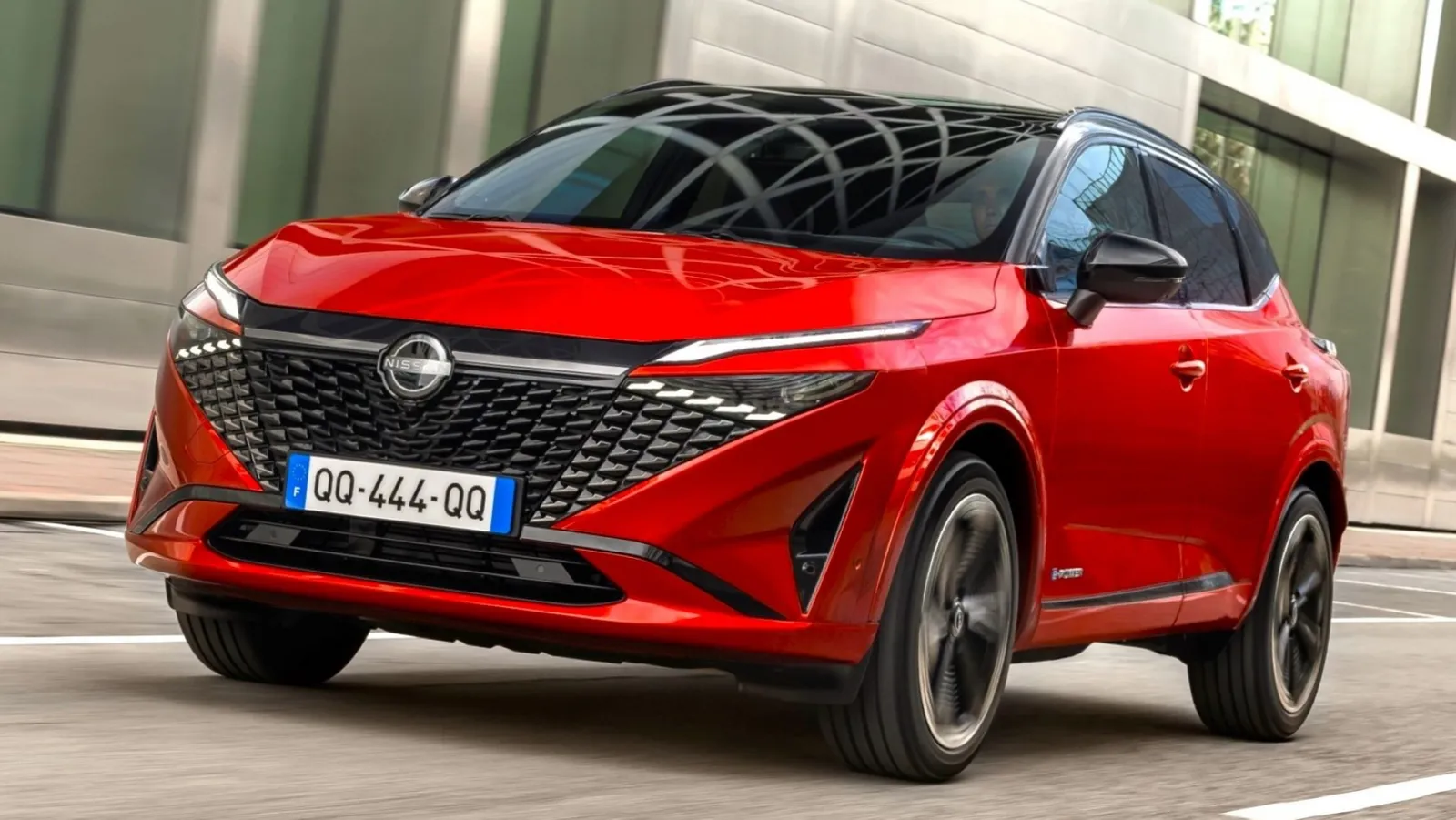
If you think of an SUV, it’s likely that due to its history and huge success—it was launched just 20 years ago and has sold over 4,100,000 units, with more than 420,000 in Spain—the Nissan Qashqai comes to mind. But if you think of a hybrid SUV, you’re probably thinking of the Toyota Yaris Cross—read our review—or the Toyota RAV4, which we’ve also tested in HybridsandElectricCars.
Well, since the fall of 2022, Nissan has wanted to combine these two concepts with the “hybrid” version of its best-selling SUV. It launched the Qashqai equipped with e-POWER technology—we explain how it works—and while it carries the hybrid label, it’s actually very different from the technology used by the world’s largest automaker, which has recently achieved record sales and profits.
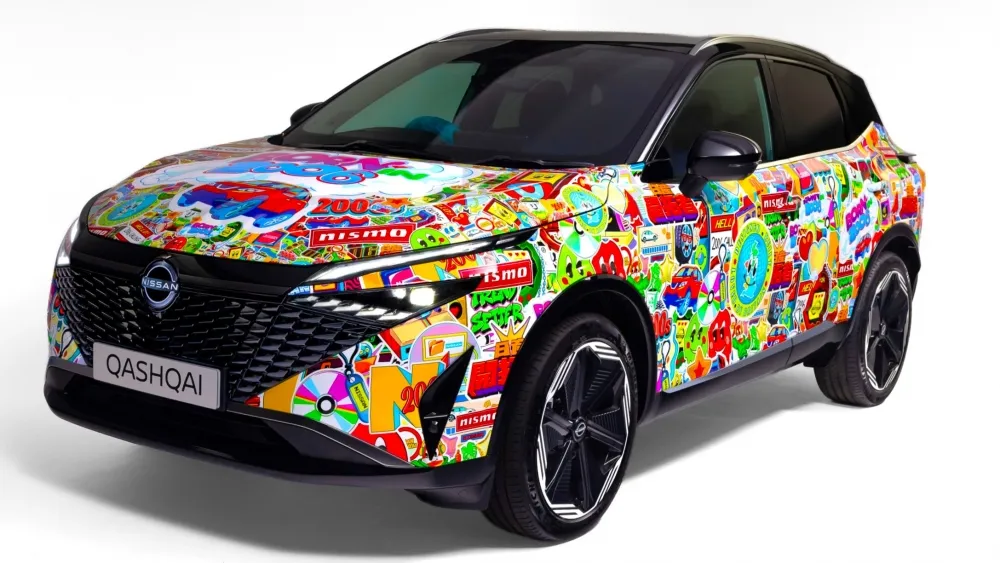
4.3 L/100 km and nearly 2,000 km between refuels: the success of this SUV’s hybrid technology
The e-POWER hybrid system is the latest technology that has contributed to this SUV’s tremendous commercial success over the past few years, during which time Nissan has achieved nothing less than 4.1 million sales. Of these, nearly 250,000 sales in Europe over the past four years were of vehicles equipped with this e-POWER technology.
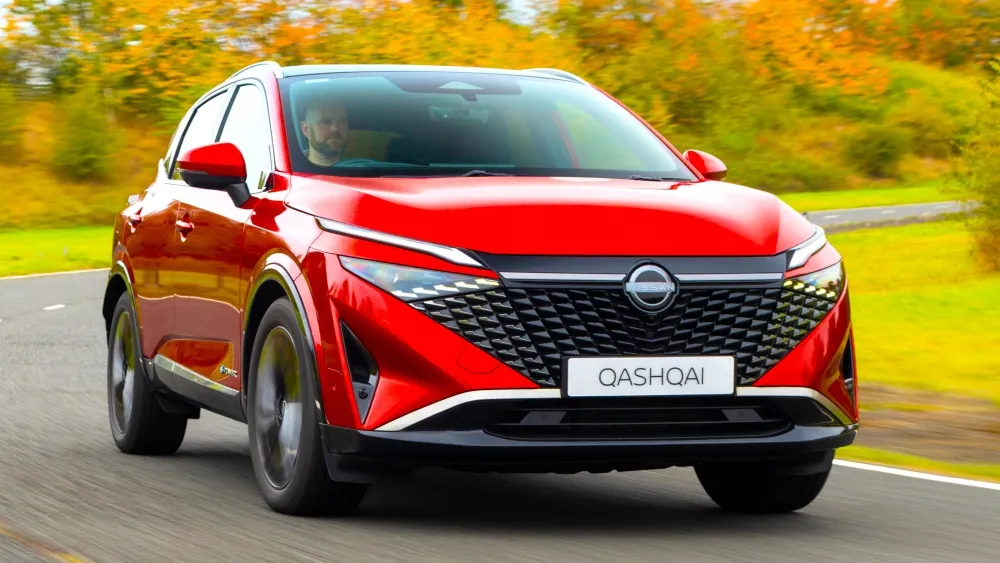
But the balance of this SUV also plays a key role; in its third generation, it features a 4.42-meter-long body that allows it to enter the compact SUV segment—the best-selling category in Europe—along with a spacious interior and a trunk capacity of 479 liters.
However, the most significant aspect is its current hybrid system, which enables it to travel nearly 2,000 kilometers without refueling. This represents the third and final generation of the e-POWER technology, allowing fuel consumption figures as low as 4.3 L/100 km for an SUV weighing over 1,700 kg.
A technology that sits between conventional non-rechargeable hybrid engines—dominating Toyota’s global sales—and electric engines... How? We explain.
How does the hybrid technology work that has nothing to do with Toyota’s?
First, you should know that up to three types of such vehicles fall under the name ‘hybrid.’ The first type are those with a ‘parallel’ hybrid engine, a technology in which both engines—the thermal and the electric—can directly drive the car’s wheels.
The second type is the ‘series’ hybrid system, in which the internal combustion engine only generates electricity and acts as a generator for the electric motor, which is what drives the vehicle’s wheels. The last type is the ‘series-parallel’ or ‘combined’ hybrid system, which, as the name suggests, combines both systems, allowing the internal combustion engine to drive the car’s wheels or merely act as a generator for the electric motor, depending on what is most appropriate at any given moment.
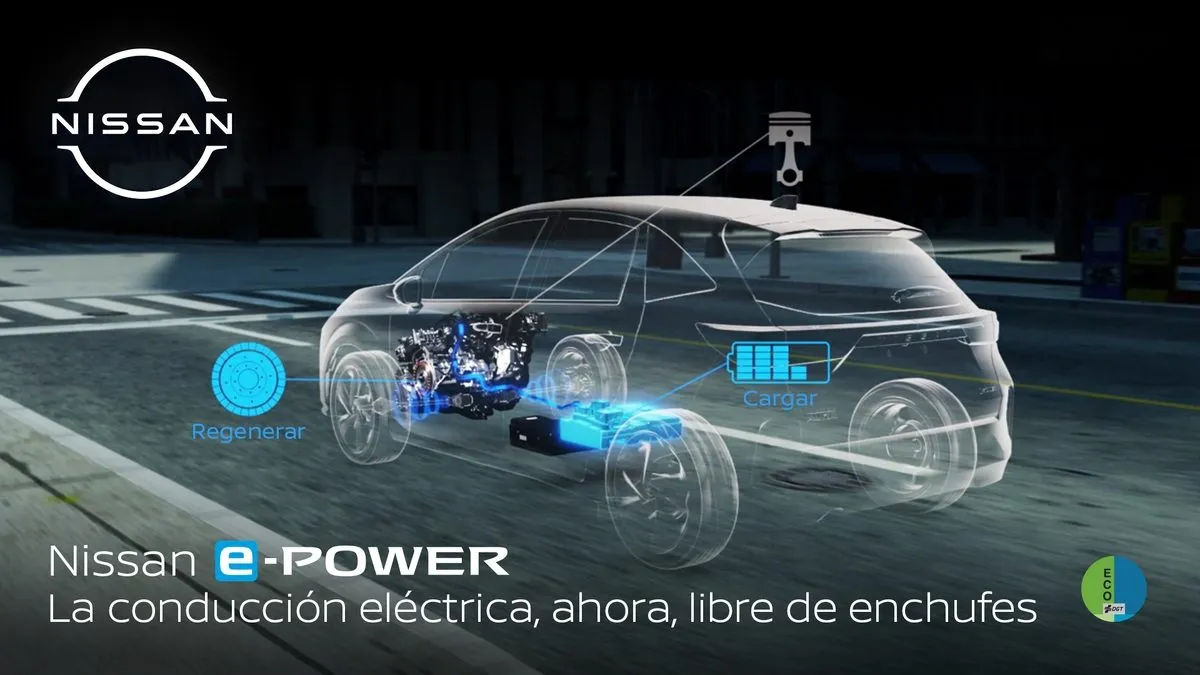
Well, Toyota’s hybrid system is this third type, the ‘combined’ type, while the e-POWER technology used in this Nissan SUV — which offers a combined power of 205 HP — is of the ‘series’ hybrid type: a system very similar to extended-range electric vehicles or EREVs, like the new Xpeng that aims to dominate Europe.
Specifically, the hybrid system in the Nissan Qashqai — as well as the Nissan X-Trail — is of the ‘series’ type, and it does not have a direct connection between the internal combustion engine and the wheels. As a result, it is the electric motor that always drives the wheels... which is why its operation and the driving experience of the vehicle equipped with it are very similar to those of an electric car, emphasizing smoothness and silence.
In addition, this e-POWER technology setup allows the gasoline engine to operate always within its most efficient range—between 1,500 and 4,800 rpm—explaining the low fuel consumption of this SUV, which has just celebrated 20 years.