
Chinese manufacturers are stockpiling thousands of cars in Europe in case of potential import restrictions
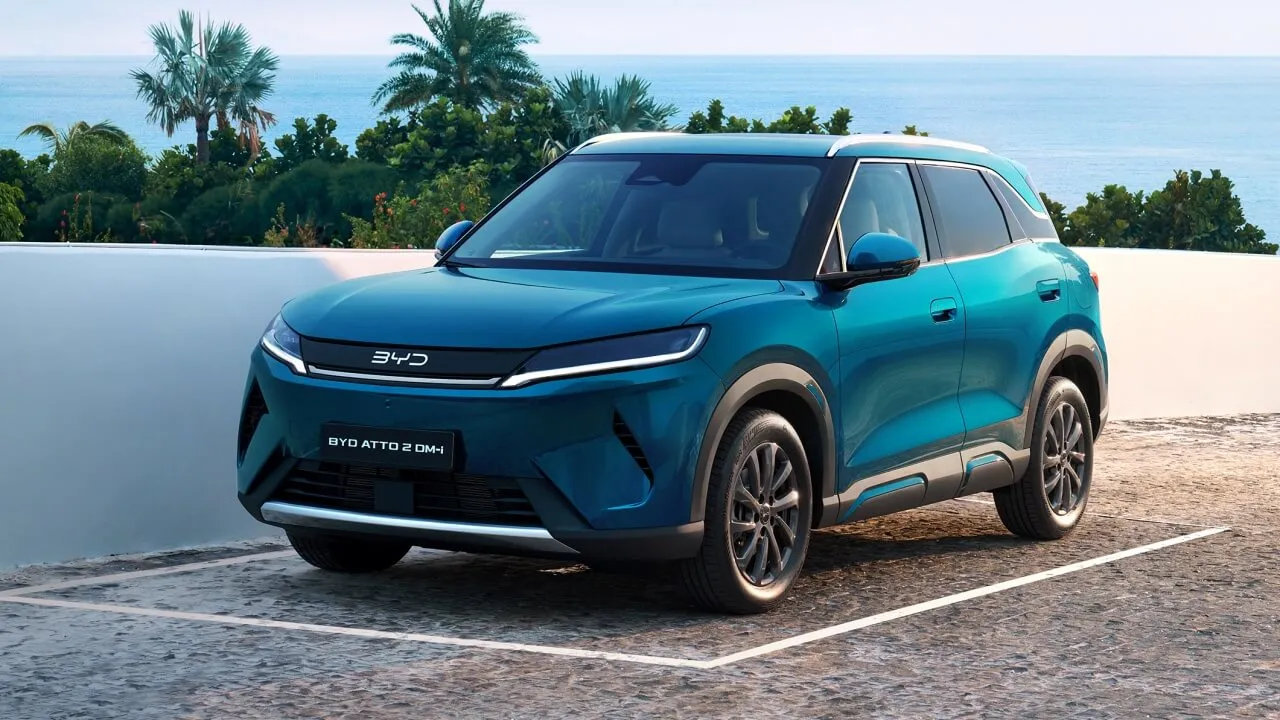
Chinese manufacturers are accelerating their exports to Europe, but not solely because their sales are growing. The possibility that Brussels will impose restrictions on the import of hybrid cars is prompting Asian brands to take preemptive action, accumulating large quantities of vehicles in European territory before the new rules take effect. This strategy aims to ensure they have sufficient stock to maintain their sales in the coming months.
After additional tariffs were imposed on electric cars manufactured in the Asian giant, it is now hybrids that could become the next target of European trade measures. This situation threatens to complicate the expansion plans of manufacturers such as BYD, MG, Chery, and other groups that have found in this technology a way to grow rapidly in our market.
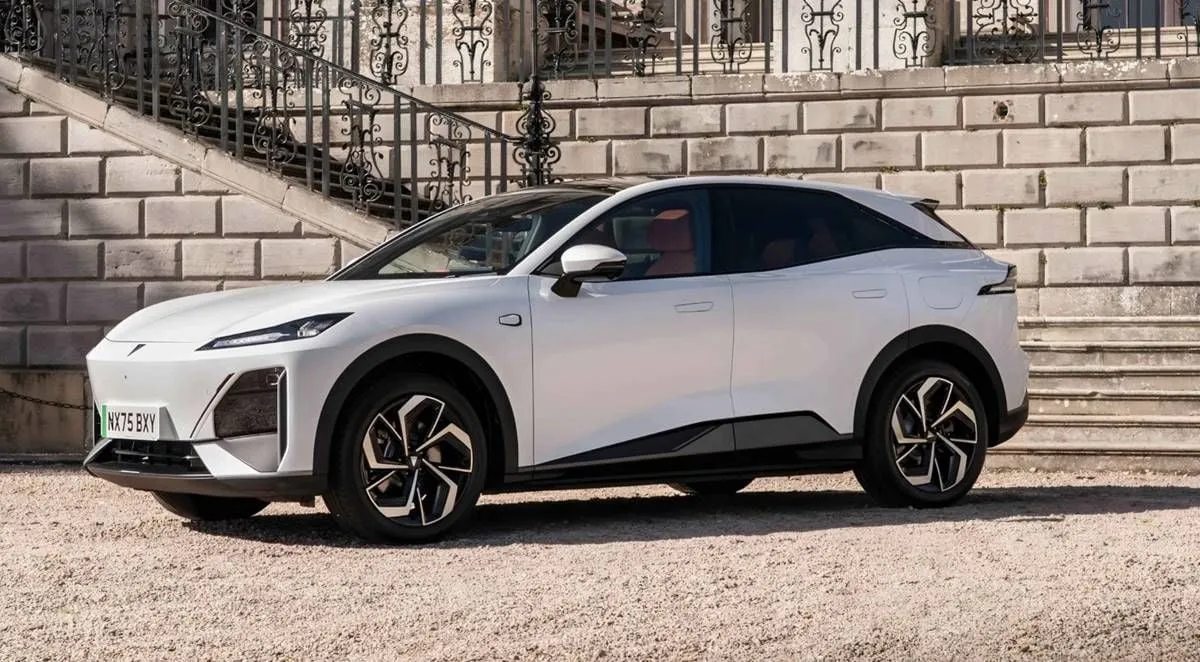
Until now, plug-in hybrids have had a significant advantage over electric cars imported from China. While the latter are subject to additional compensation tariffs, models equipped with internal combustion engines have not been affected by such measures. This has allowed Chinese manufacturers to offer plug-in hybrids at competitive prices and expand their commercial presence in Europe.
But this situation could change by 2027. According to reports from Automotive News Europe and analyst firm Bernstein, the European Union is working to establish a quota system to limit the number of Chinese hybrid cars that can enter the common market.
The possibility that these restrictions could take effect next year is prompting manufacturers to react in advance, aiming to stock up on as many cars as possible before business conditions change.
Up to 350,000 Chinese hybrids per year: a quota that could drastically reduce imports
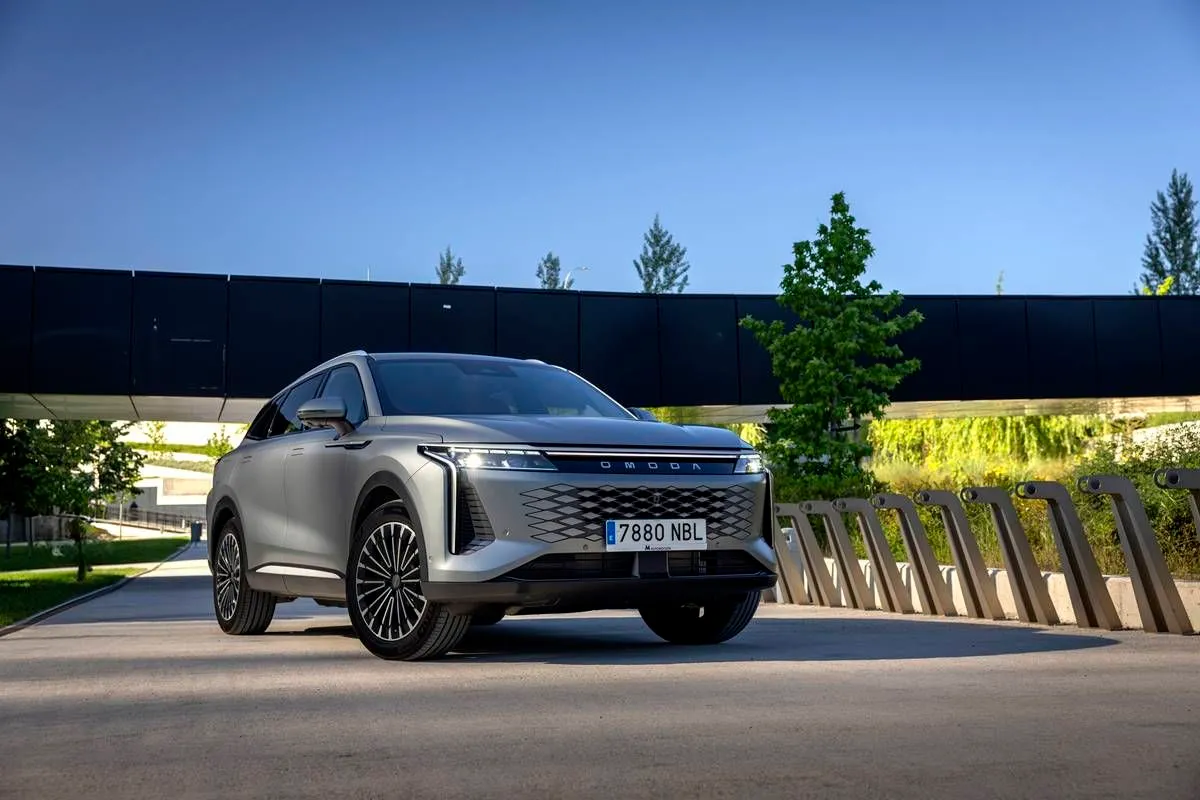
The figures being discussed are significant. Reports suggest the European Union might set an initial limit of 350,000 hybrid cars imported from China in 2027. This amount would represent less than half of the units Chinese manufacturers could sell in Europe without these restrictions.
The system would include an annual 6% increase in the allowed volume, gradually raising the authorized imports. However, even with such growth, quotas could become a significant obstacle for brands that rely on plug-in hybrids as one of their main expansion tools.
It is worth noting that all the details of this potential regulation have not yet been finalized. It is also unclear how quotas would be distributed among manufacturers or which specific vehicle categories would be included. For now, the figures published are based on proposals under consideration, not on regulations that have been officially approved.
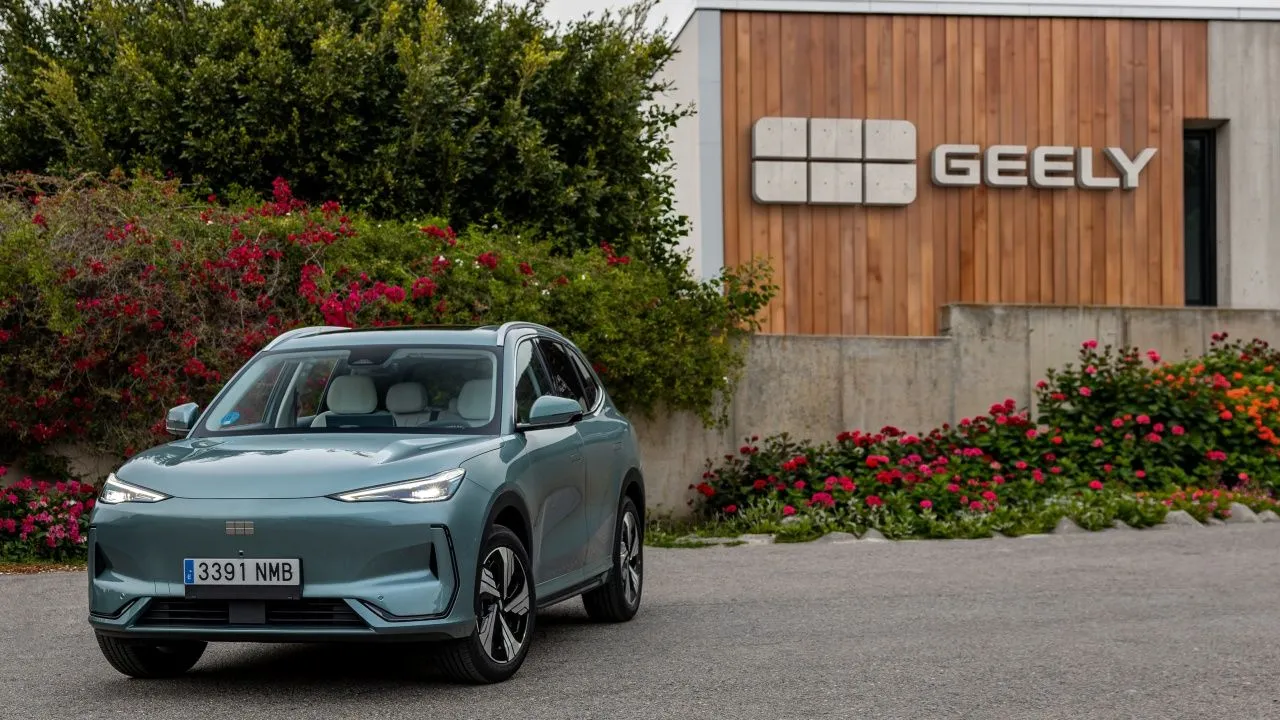
Faced with this uncertainty, Chinese manufacturers are choosing to take proactive steps. Rather than waiting to know the final terms, they are accelerating the shipment of cars to Europe to have units in stock that can be sold later.
Export data helps illustrate what is happening. According to figures compiled by Bernstein and Automotive News Europe, China’s exports of plug-in hybrids to Europe rose by 172% year-on-year during the third quarter of 2026.
This represents growth even higher than that seen in electric cars, whose exports increased by a whopping 135% during the same period. Overall, China’s car exports grew by 72%, indicating that plug-in hybrids are gaining prominence in Asian manufacturers’ international expansion efforts.
The strategy makes considerable commercial sense. If new regulations restrict imports starting from a certain date, having vehicles that have already been legally introduced into the European market could allow deliveries to continue for some time without relying on new shipments from China.
A formula that will strain inventory levels and may lead to dangerous stock accumulations for Chinese brands, forcing them to launch promotions if, as is beginning to happen, sales of hybrid and plug-in hybrid cars start declining in Europe just as they have in China.