
Dealers are turning away from diesel as used electric cars see rising prices
For years, one of the main arguments against buying an electric car has been its depreciation. However, recent data from the used car market is showing a quite different picture. Electric vehicles are regaining value, selling faster, and beginning to become one of the most attractive segments for dealers. Meanwhile, diesel models are starting to experience the opposite effect.
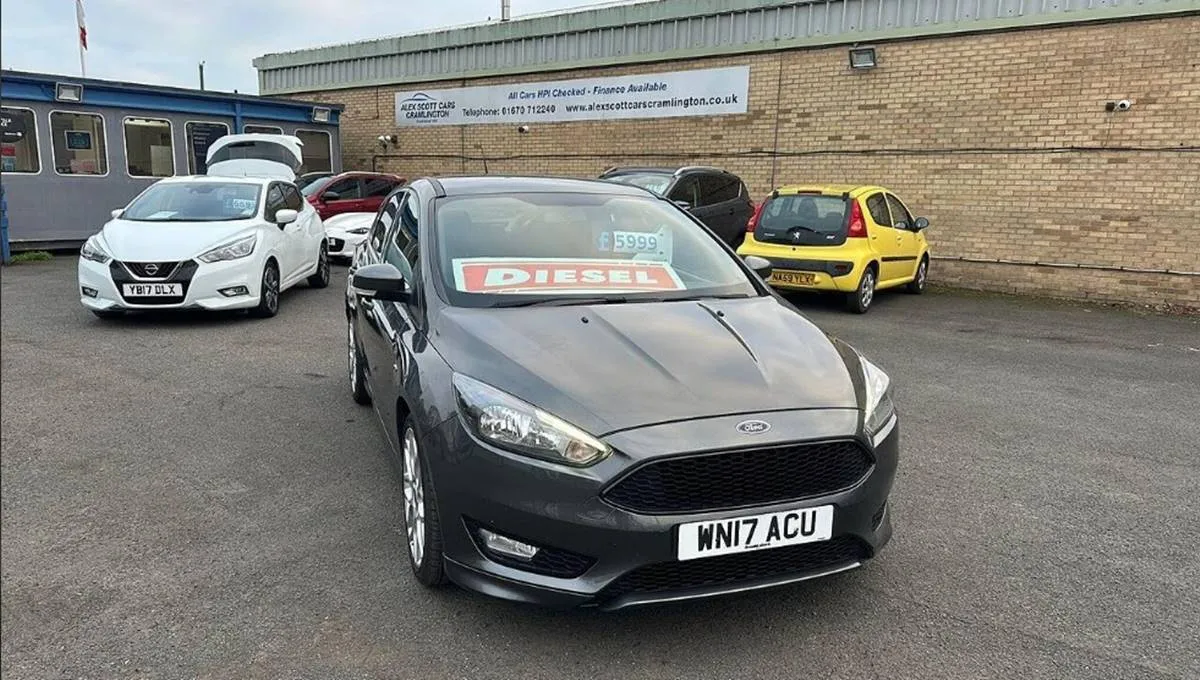
Just a few weeks ago, we saw a quite remarkable situation in the United Kingdom. Some dealers began refusing diesel vehicles as part of payment for their used cars. The reason was simple: more and more drivers wanted to get rid of their internal combustion engines, but sellers were afraid of ending up with warehouses full of vehicles that would be difficult to sell.
Now, data from October shows that movement was not merely a brief reaction to rising fuel prices. The British used car market is undergoing a change that directly affects one of the main concerns for buyers: how much value a car loses from leaving the dealership to being put up for sale again.

The interesting thing is that electric cars, which for years have made headlines due to their steep depreciation, are now showing a much more favorable trend compared to internal combustion engine models. This trend cannot yet be automatically applied across all of Europe, but it is worth keeping a close eye on.
Recent data from Cazana, one of the companies specializing in the analysis of the British used car market, shows that three-year-old electric cars saw their value increase by 2% in October. This is a significant rise in a market where it is usual for cars to lose value as they age.
But the most interesting thing is that this isn’t an isolated trend. As of October, electricity prices have seen seven consecutive months of increases, with a total appreciation of over 11% since the start of the year. Economically speaking, this translates to an average increase of around 2,750 euros per vehicle for the models analyzed.
Meanwhile, cars with internal combustion engines are moving in the opposite direction. During October, gasoline-powered models lost 0.3% of their value, hybrids lost 0.5%, and diesel engines lost 0.6%. These differences may seem small, but they reflect a very different trajectory in a market where purchase price and the ease of reselling a car are crucial factors.
In fact, Cazana notes that without the behavior of electric vehicles, the average value of used cars would have dropped by 0.3% during October. In other words, electric vehicles are helping to keep prices stable across the entire British used car market, something that would have been hard to imagine just two years ago.
Used electric cars are not only selling faster now; they are also gaining in value.
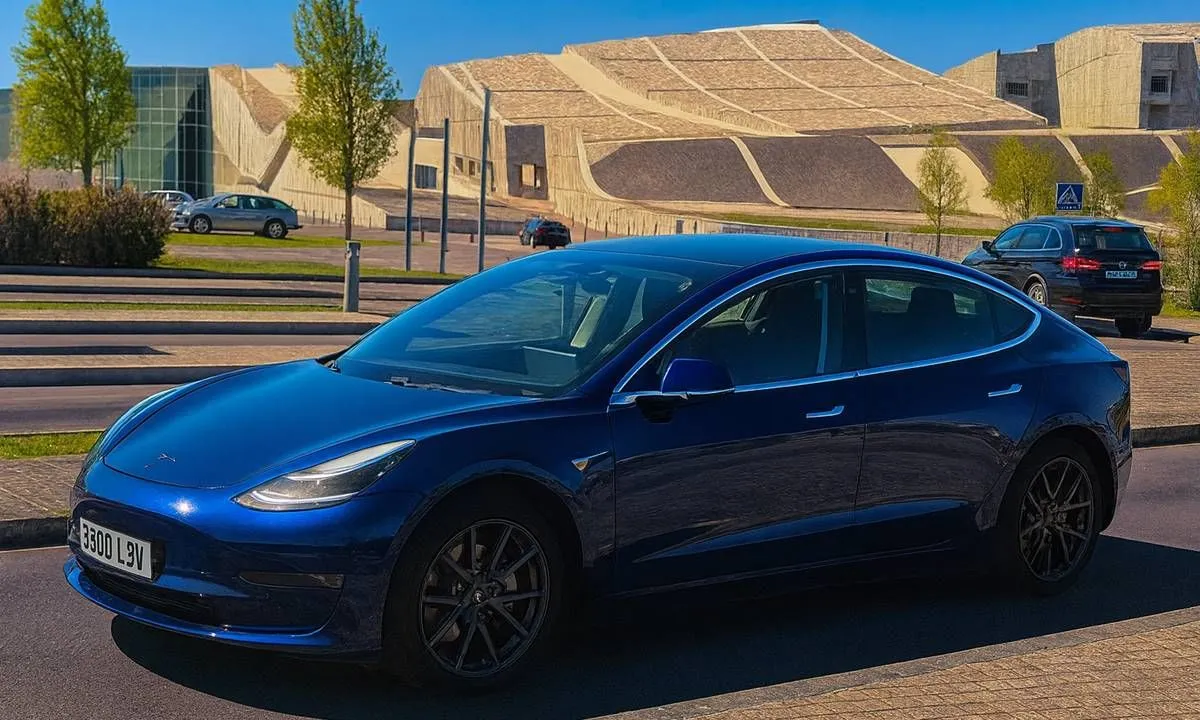
The change isn’t limited to prices. Data published by AutoTrader shows that retail sales of used electric cars rose by 56% year-on-year in October, accounting for about one in ten used car sales recorded on its platform.
The figure becomes even more striking when we focus on cars under five years old. In this segment, electric cars already make up around a quarter of sales. This number demonstrates how technology is gaining ground among those looking for a relatively modern car without having to pay the price of a new one.
These figures are supplemented by those published on November 9 by the British manufacturers’ association SMMT. During the third quarter of 2026, 97,625 used electric cars were sold, a 23.2% increase from the same period the previous year. Their share of the total market reached 4.8%, up from 3.9% a year earlier.
The difference between AutoTrader’s figures and those of SMMT stems from their use of different methodologies. The former analyzes transactions recorded on its platform, while the latter covers transactions across the entire market. In any case, both agree on a significant increase in demand for used electric cars.
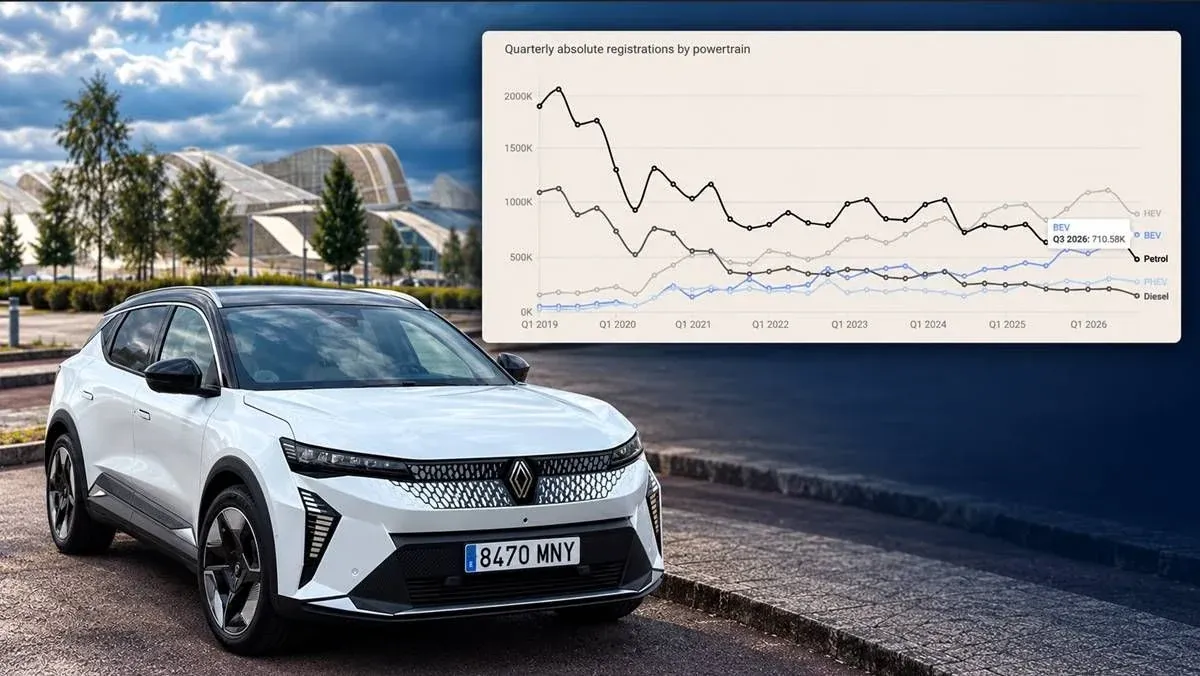
Diesel cars, on the other hand, still hold significant market share. Over 623,000 units were sold in the UK during the third quarter, accounting for nearly a third of the market. However, their sales dropped by 5.3% compared to the previous year, while electric car sales continued to grow at double digits.
Another important factor is the selling speed. Data from AutoTrader in September showed that a used electric car took an average of 28 days to find a buyer, compared to 34 days for a diesel car. For electric cars aged three to five years, this time dropped to 25 days.
For a dealership, this difference can be even more significant than the price itself. A car that remains on display for several extra weeks represents tied-up capital, storage costs, and a higher risk of having to offer discounts. Therefore, when a technology starts selling faster and retaining its value better, it also changes professionals’ interest in incorporating it into their fleets.
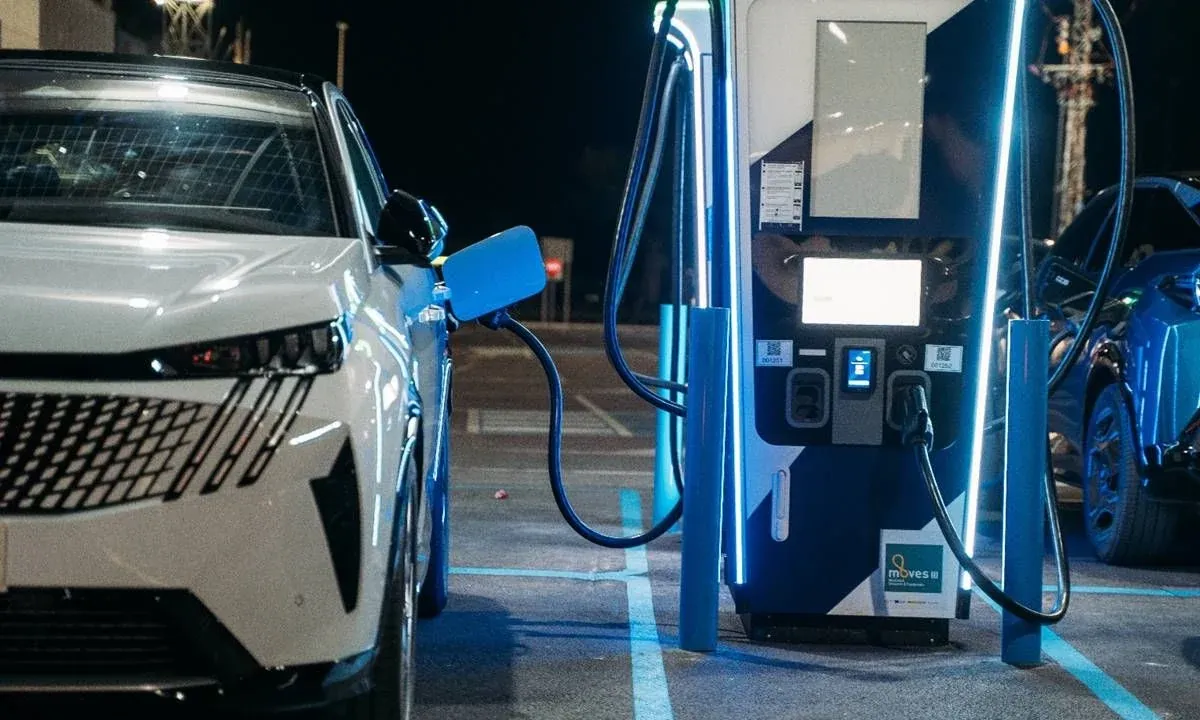
There is another particularly interesting aspect. Derren Martin, one of the analysts in the British used car market, believes that independent dealers should pay more attention to used electric cars, especially those priced around 11,500 to 23,000 euros. This is a segment where the supply starts to become sufficiently large, and where the savings compared to a new car can be very attractive.
Not all sellers have responded yet. Some professionals still show a certain distrust toward electric vehicles, even when it comes to popular models like Teslas. But the data is beginning to challenge the idea that adding these cars to inventory necessarily entails greater business risk.
And here lies one of the keys to this development. For years, the used electric vehicle market suffered from steep discounts on new models, the introduction of batteries with longer ranges, and many buyers’ uncertainty about their durability. All of this caused significant price drops, especially among certain high-end models.
Now, part of that adjustment seems to have taken place. Buyers can find electric vehicles with ranges sufficient for their needs at much more reasonable prices, while the rise in fuel costs, especially for diesel, brings the operating expenses of diesel or gasoline cars back into focus.