
Electric cars are putting pressure on repair shops: what drivers save is money that mechanics stop earning.
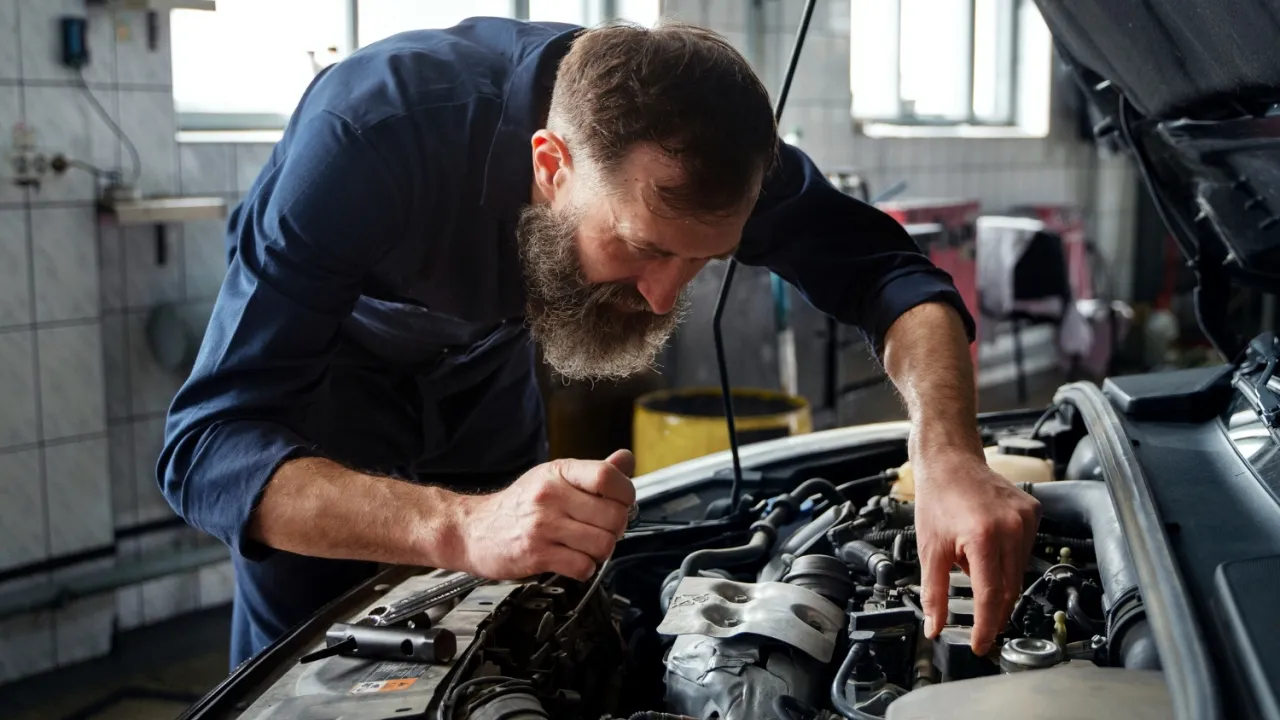
For decades, repair shops have relied on a long list of regular tasks that any driver with a gasoline-powered car is well familiar with. Oil changes, filter replacements, timing belt replacements, clutch repairs, exhaust system fixes, or work related to fuel injection and turbochargers. These tasks generate continuous business and, in many cases, constitute a major part of the shops’ revenue.
But with the advent of electric cars, much of these operations disappear. An electric motor has many fewer moving parts than a combustion engine; it doesn’t require engine oil changes, lacks a conventional clutch, and also doesn’t include components such as spark plugs, injectors, or an exhaust system. The result is a much simpler mechanics setup in terms of regular maintenance, although there are other components that require specialized knowledge.
According to the French publication L'Auto-Journal, various analyses show that electric cars save between 20% and 40% on maintenance costs compared to equivalent combustion engine models. This significant difference accumulates over the years and can amount to hundreds or even thousands of euros over the vehicle’s lifetime.
Fewer mechanical failures and fewer visits to the shop
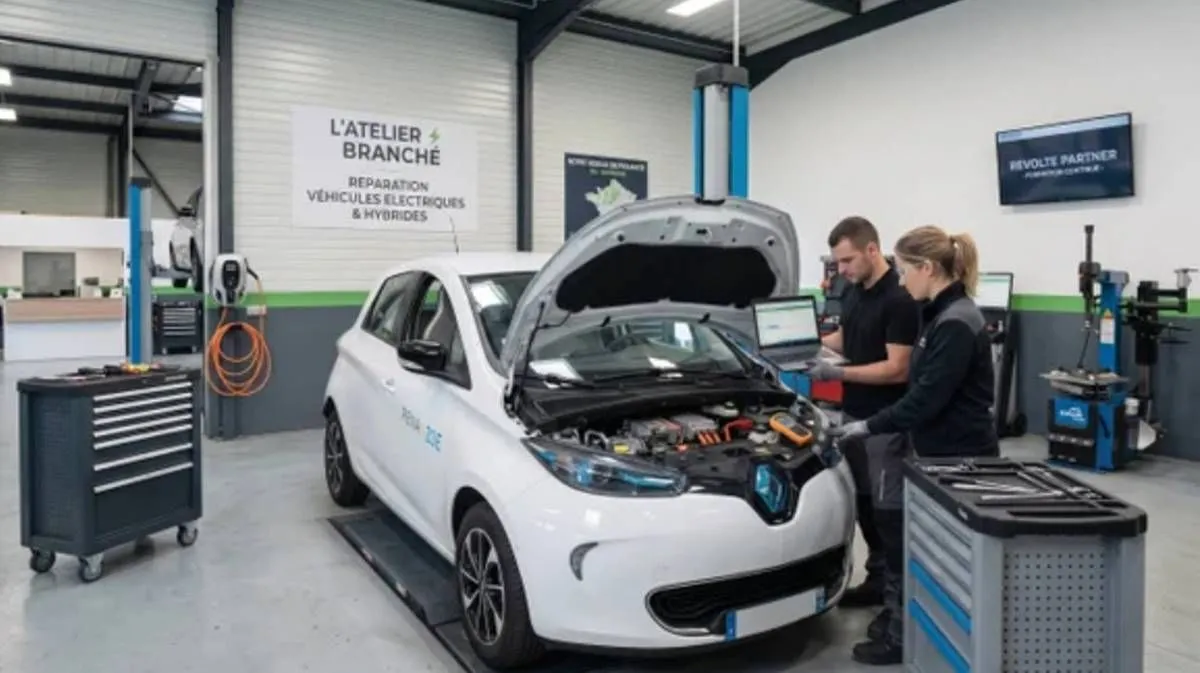
One of the main advantages of electric cars is that they eliminate some of the most common and costly repairs required in conventional vehicles. There’s no need to replace the timing belt, change engine oil, or worry about issues related to the turbocharger, fuel injection, or particle filter. Nor do they have an exhaust system that can corrode or require repairs.
The braking system is another area where significant differences exist. Thanks to regenerative braking, the electric motor recovers some of the energy during deceleration, greatly reducing the workload on the mechanical brakes. This allows the brake pads and discs to last much longer than in a gasoline car, although they still require inspections and maintenance.
Inspections can also be spaced out more frequently. While many gasoline models require a visit to the shop every year or every 20,000 kilometers, some electric vehicles have intervals of two years or 30,000 kilometers. However, the frequency depends on the manufacturer and model, with some brands requiring annual inspections or specific checks.
That doesn’t mean electric cars are free from maintenance. Tires, shock absorbers, bearings, climate control systems, cooling systems, and other components still require attention. Additionally, the greater weight of some models and the immediate delivery of torque can accelerate tire wear, especially when aggressive driving is practiced.
There are also batteries, inverters, onboard chargers, and other high-voltage components. These systems usually require few regular interventions, but they can be expensive to repair when a fault occurs after the warranty period ends.
In the case of batteries, manufacturers typically offer warranties of around eight years or 160,000 kilometers, with minimum capacity guarantees usually around 70%. This provides some peace of mind for buyers, though it doesn’t eliminate the need to check their condition when purchasing a used electric vehicle.
For drivers, the conclusion is quite clear. Although the purchase price remains a barrier for certain models, the lower maintenance requirements represent an economic advantage that should be considered when calculating the total cost of ownership. This is compounded by energy savings, especially when there is access to home charging at competitive prices.
Garages will need to reinvent themselves to survive
The other side of this transformation affects repair professionals directly. Every oil change that disappears, every clutch that is no longer replaced, or every exhaust system that no longer requires repair means one less service to bill for.
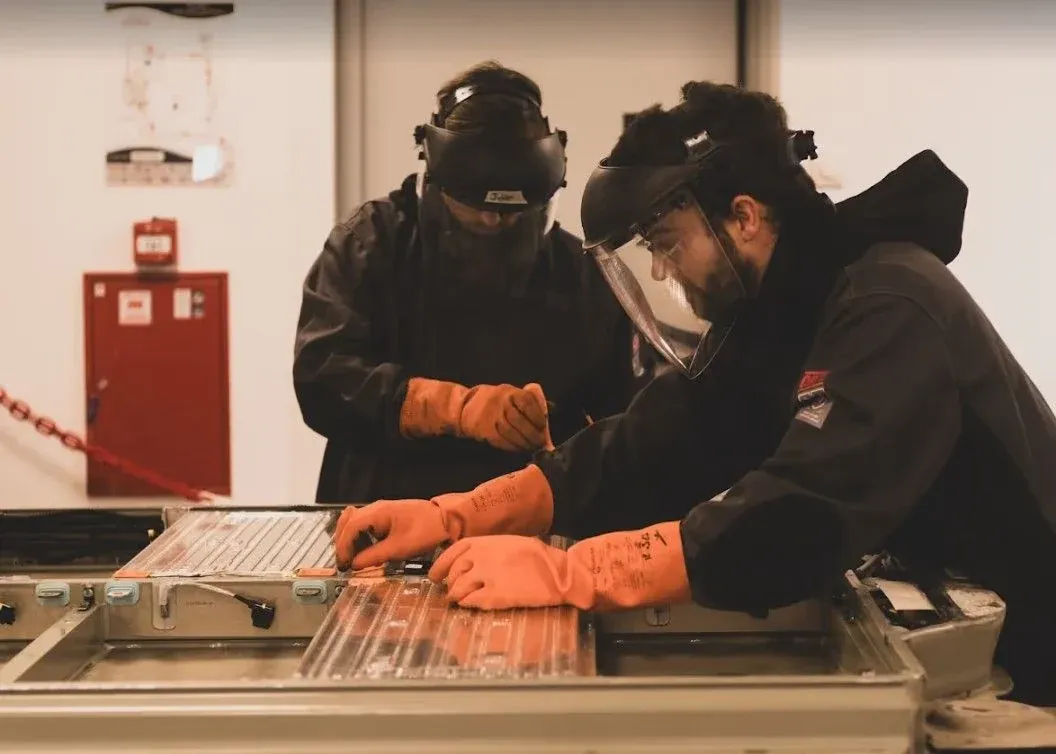
For large groups of dealerships, the transition involves adapting their facilities and training their staff. But for small independent workshops, the challenge can be greater, especially when they lack sufficient resources to invest in diagnostic tools, protective equipment, and specialized training for working with high-voltage systems.
Electric cars also require different knowledge. Repairing an electric motor, inverter, or battery management system has little to do with replacing a clutch or fixing a diesel engine. Electronics, software, and advanced diagnostics are becoming increasingly important, forcing professionals to update their skills.
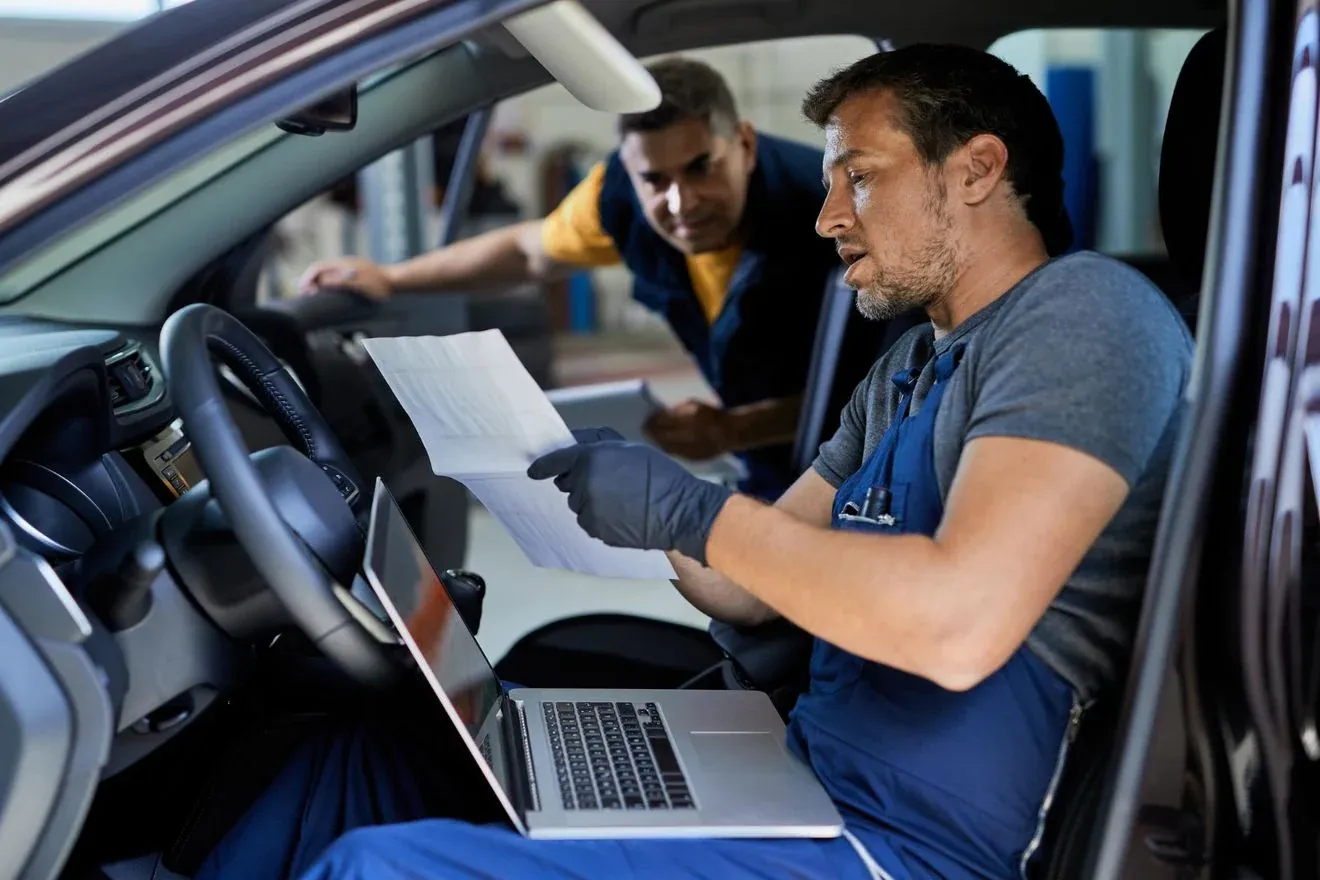
The National Association for Automotive Training in France (ANFA) has warned that electric cars result in less traditional maintenance and repair activity, especially beyond tasks such as tire changes. As their presence grows, this trend could reduce the demand for labor in certain after-sales services.
However, the change will not be immediate. Europe’s vehicle fleet remains mostly composed of gasoline cars, many of which are over ten or fifteen years old. These vehicles still require frequent repairs, and as they age, they may need increasingly costly interventions.
This will allow traditional repair shops to maintain much of their business for years. But it will also force them to prepare for a scenario where routine mechanical inspections will carry less importance.
At the same time, the transition opens up new opportunities. Battery repair, electronic diagnostics, charging issues, climate control, and thermal management are areas where specialized repair shops can find new business lines.
The risk is that independent professionals who fail to adapt will end up losing ground to official services, which usually have access to tools, documentation, and manufacturer-specific training.
For drivers, the balance remains positive. An electric car may require less maintenance and allow for significant cost savings over its lifetime. But for the repair industry, it represents a profound change that will force a reevaluation of a business model built over decades around increasingly complex combustion engines.
The arrival of electric cars does not mean that repair shops will disappear, but rather that they will need to change the way they work and generate income. Those who manage to adapt to new technologies will have opportunities for growth, while those who rely solely on traditional maintenance may face an increasingly smaller market.