
Lollobrigida provides (her) figures regarding energy.
"We have produced triple the solar energy predicted by previous governments, invested 3 billion in resources, and tripled our investments," said Agriculture Minister Francesco Lollobrigida in Bologna, while visiting a fruit and vegetable market with one of Europe’s largest solar panel installations, in response to our question about the ban on ground-mounted photovoltaic panels. This reflects a government highly active in promoting renewable energy. But the numbers don’t add up. Just a few meters away and almost at the same time, Emilia-Romagna Region President Michele De Pascale told a different story: "They took away a gigawatt of offshore wind power off the coast of Emilia-Romagna that would have been approved, but the government decided against it."
A decree aiming for monthly bills of just a few euros, yet still tied to foreign fossil fuel sources
While Minister Lollobrigida praises the billions invested in rooftops, a decision undoubtedly worthy of applause, the overall picture remains quite different: Italy still lacks a significant amount of investment in renewable energy and electrification across various sectors, from manufacturing to transportation. Europe is already falling behind the trajectory needed to achieve a 55% reduction in emissions by 2030, and according to the European Commission, Italy is among the countries hindering progress toward these goals, criticized for insufficient efforts in transportation, construction, agriculture, industry, and waste management (read here). We still produce too little clean energy in our country and continue to rely on imports. Thus, there is little energy sovereignty. And the cost of this delay ends up burdening especially the most vulnerable families. De Pascale recalls a decree setting utility bills at «1.4 euros per month» and criticizes the inaction of the government led by Giorgia Meloni.
“He bears tremendous responsibility for everything he failed to do since 2022. That year we faced a severe crisis, prices soared, and the whole of Italy talked only about energy. As soon as prices dropped, the energy issue was downplayed. The decree on suitable areas, which was supposed to be issued, took four years to be approved by Meloni’s government, and that is where, in my view, lies the greatest responsibility.” More specifically: “The decree was meant to guide the installation of renewable energy sources, but they took four years to act. We kept our regional law on hold for a year and a half because we were waiting for government regulations.”
There is a shortage of renewable energy installations, yet 1 billion is spent supporting agricultural diesel.
The slow progress is also confirmed by the numbers of projects that have been rejected or stalled for years. These facilities, if operational today, would help reduce dependence on foreign energy sources and exposure to market fluctuations. Instead, we face fuel prices over 2 euros per liter, higher bills, and constant government interventions to address the crisis, from reducing taxes to allocating billions for agricultural diesel. These are valuable resources for citizens and businesses, but they fail to tackle the root cause: every billion spent mitigating the effects of the energy crisis is a billion that does not eliminate the underlying causes.
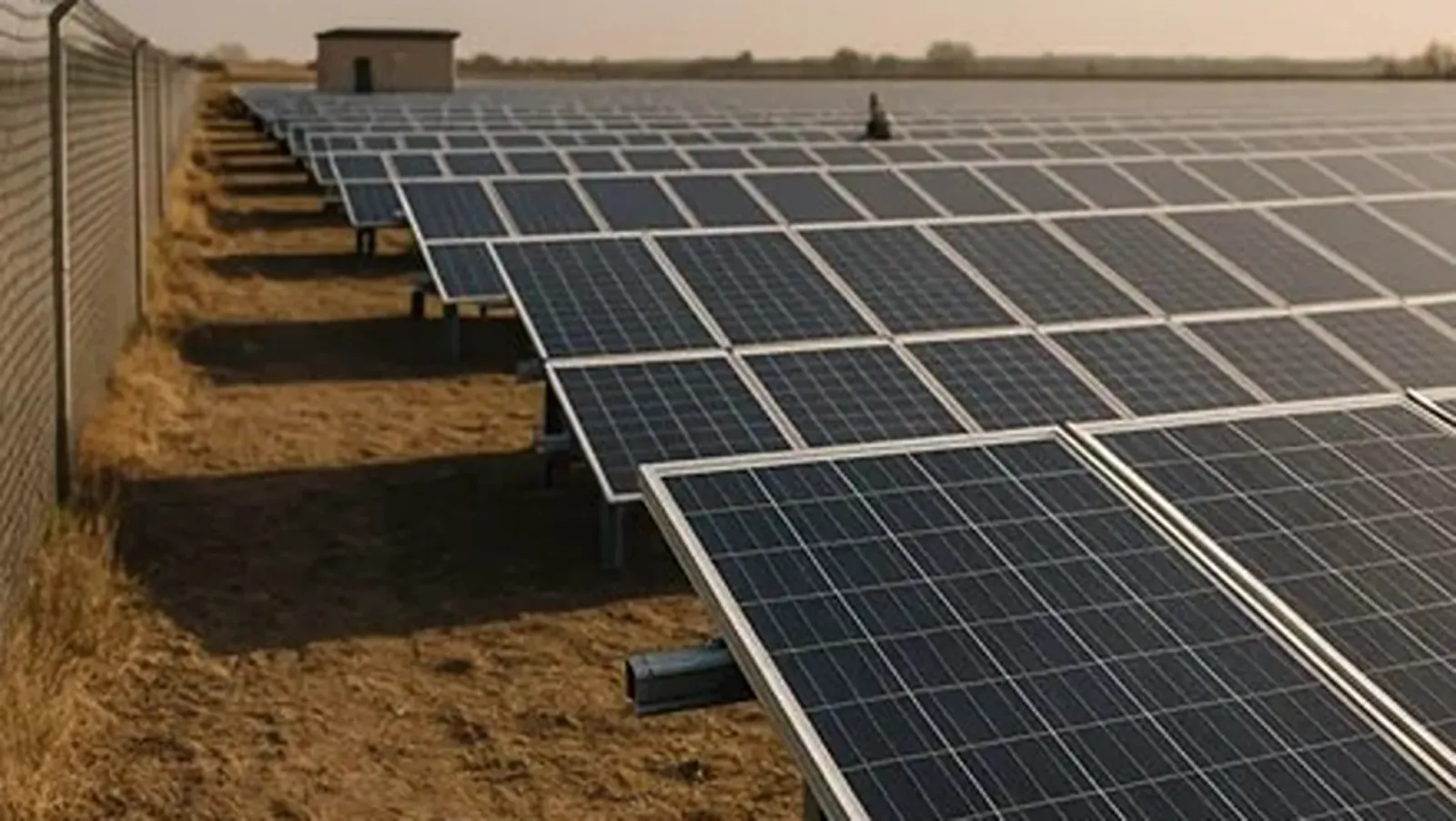
Yet the minister has no doubts and, backed by the latest ruling from the Constitutional Court, defends his Agriculture Law, which bans ground-mounted photovoltaic panels—thus eliminating the most cost-effective and scalable method for solar energy production today. “We must use our 12 million hectares of arable land to produce food to ensure stability for vulnerable supply chains. We have also proven that there is no need to speculate on agricultural land, as some multinational companies, often foreign ones, have done for years. Industrial facilities, related structures, and greenhouses are sufficient for producing clean energy.”
There are 4 million hectares of uncultivated land, but Lollobrigida will not back down.
It’s a shame that this energy source is insufficient and comes with higher costs compared to onshore installations. Especially since, according to satellite surveys by Agea, the agency under the same Ministry of Agriculture, between 3.7 and 4 million hectares of potentially arable land are currently abandoned or unused.
Offshore wind: government cuts funding, Emilia Romagna and Puglia protest
In response to our observation, the minister stated that the ColtivaItalia program includes tools to bring young people back to farming. “We need to repopulate the countryside. With Coltiva Italia, we have introduced important regulations to reclaim uncultivated land. Uncultivated land should be farmed, not abandoned or turned into something other than what it was intended for.”
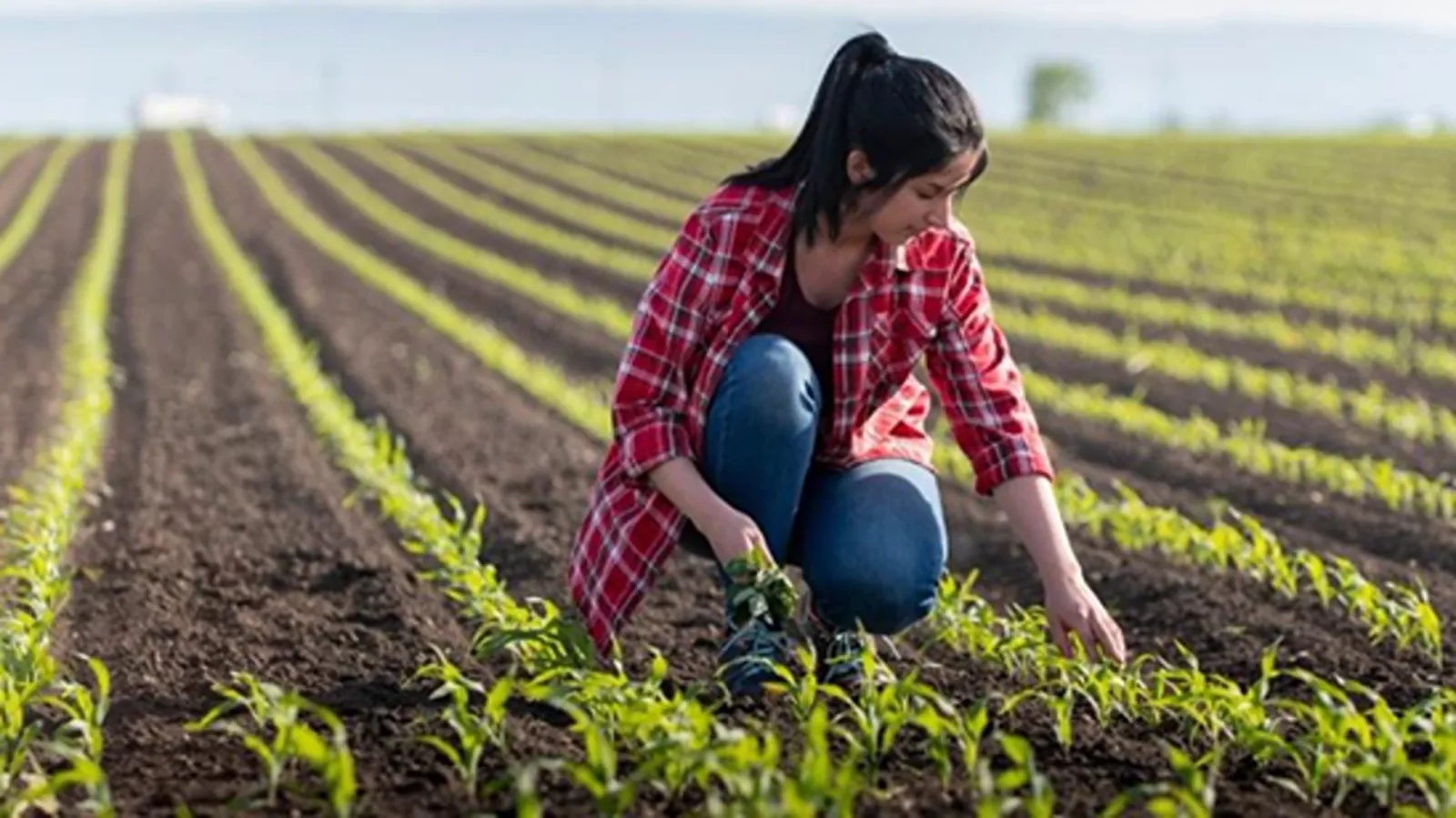
The intentions are commendable, but they clash with a much more stubborn reality: the chronic shortage of labor and the gradual aging of Italian farmers. Moreover, there is interrow photovoltaics, which could allow agricultural production to continue while generating additional income from energy. This approach could make many farms more sustainable, prevent land abandonment, and produce the electricity the country needs without giving up on crops.
READ ALSO: Sardinia, buffalo festival against renewables and watch the VIDEO
Previous Article
YoYo stopped since September: “They won’t fix it for me...”