
The arrival of FSD in Europe could bring an unpleasant surprise for Tesla buyers: goodbye to basic Autopilot
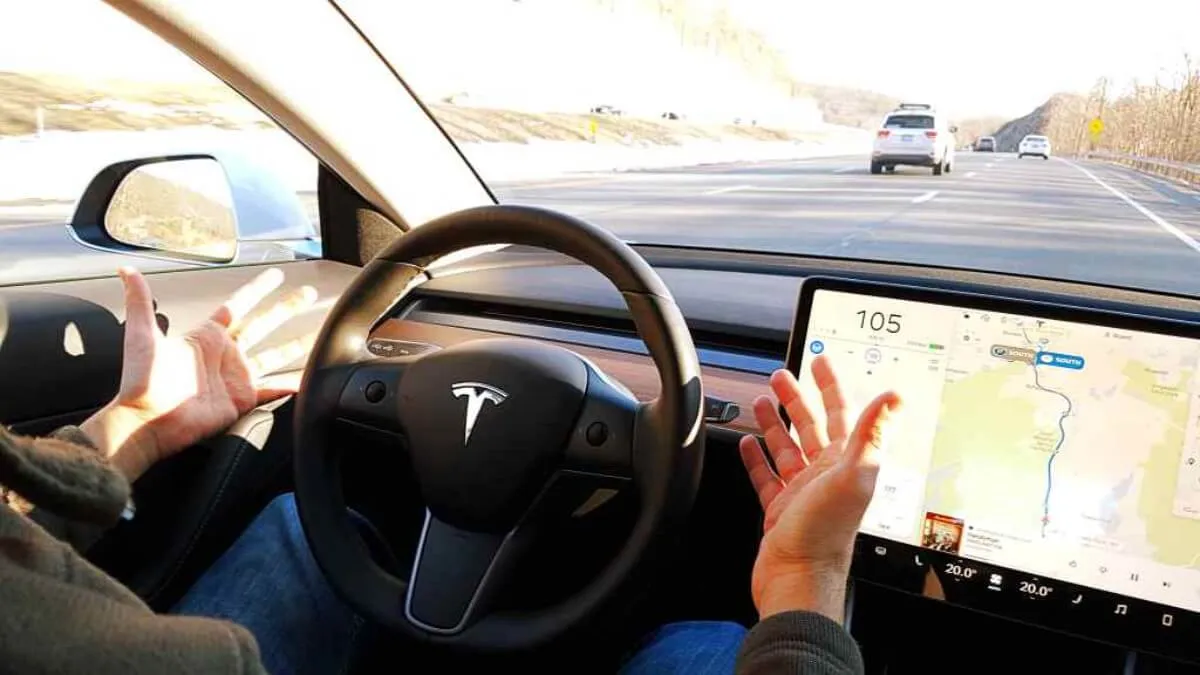
For years, one of the arguments in favor of buying a Tesla has been having Autopilot, a fairly comprehensive driving assistance system that comes included in the car’s price. Standard since 2019, it combines adaptive cruise control with automatic lane centering. This is a particularly useful feature that I have used extensively over the past few years, both for trips and in everyday driving.
However, Tesla has decided to change this strategy. Starting in January 2026, new cars sold in the United States and Canada will no longer include the basic Autopilot as we knew it. Instead, buyers will only receive adaptive cruise control, which maintains speed and adjusts distance from the vehicle ahead but does not keep the car centered in its lane.
Those who want to regain that feature must purchase the Full Self-Driving system. Additionally, Tesla removed the option to buy it permanently in North America in February, leaving only a monthly subscription as an alternative. In other words, a feature that was part of the standard equipment for years now depends on a paid service.
What initially seemed like a decision limited to the North American market could end up affecting European drivers as well. And the most interesting part is that Tesla has already begun testing this business model in Europe, specifically in the Netherlands.
Elon Musk wants to increase FSD subscriptions, and Europe could be the next step.
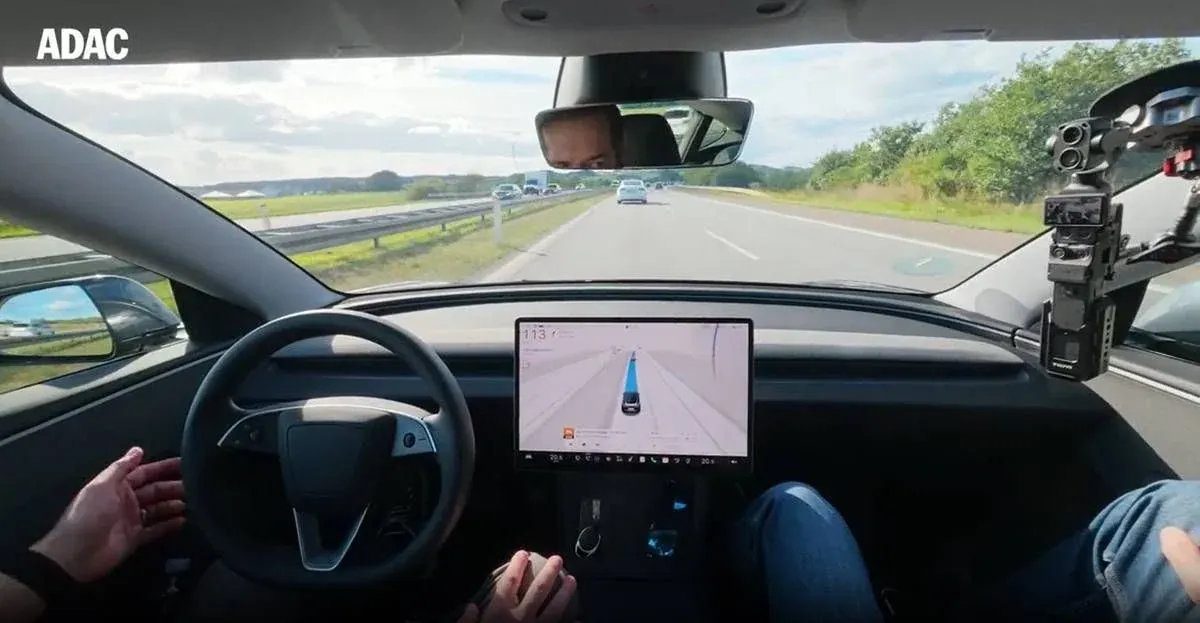
According to a report by the industry outlet Not a Tesla App, which cites a source familiar with the decision, it was Elon Musk himself who ordered the removal of basic Autopilot from new cars sold in North America. The goal is to increase the number of customers who subscribe to FSD and turn this technology into an increasingly important source of recurring revenue.
This decision is also directly related to the compensation package approved by Tesla’s shareholders in November 2025. Among the operational goals set for Musk is to achieve 10 million active FSD subscriptions or purchases, in addition to other requirements related to the company’s stock valuation and performance.
The timeline is quite striking. Just two and a half months after these goals were set, Tesla removed the basic Autopilot from new cars in the United States and Canada. A month later, it also eliminated the option to purchase FSD permanently, opting instead solely for monthly subscriptions.
Until then, many owners believed that the basic Autopilot was sufficient for their needs. To drive on highways, maintain a safe distance, and follow the road’s path, they didn’t need to pay for a much more advanced system. But by removing automatic lane keeping, Tesla turns a routine feature into one of the main arguments for choosing FSD.
And it seems the strategy is working. According to figures from the third quarter of 2026, Tesla had 1.74 million active FSD users, including those with subscriptions and one-time purchases, with over half using monthly plans. Additionally, the company reported that the system was included in 75% of new car orders in North America during that quarter.
During the results presentation, Tesla also backed an estimate suggesting FSD’s annual recurring revenue would be around $1 billion. A significant figure, though still far from Musk’s goal of 10 million users set in his compensation plan.
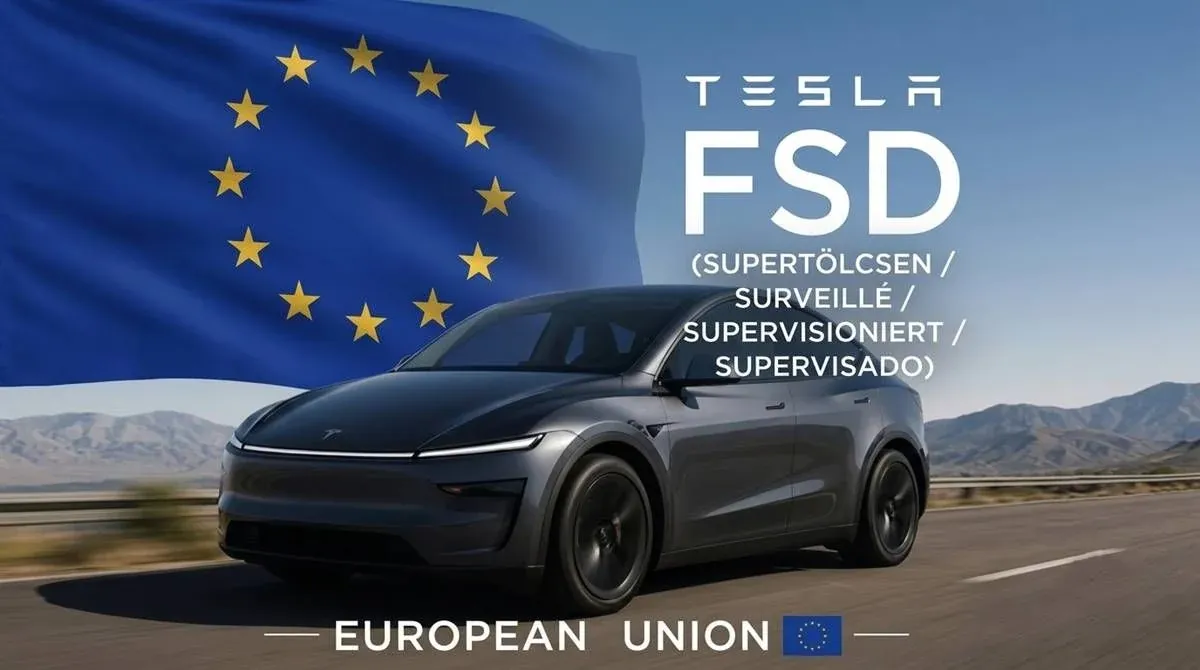
But there is one detail that is particularly important for us. This strategy is no longer exclusive to North America. In May 2026, Tesla removed the basic Autopilot from the configuration tool in the Netherlands. In that market, the company began offering supervised FSD via a monthly subscription of 99 euros, while also retaining a one-time purchase option for 7,500 euros for now.
This move is especially significant because it shows that Tesla is willing to adjust its equipment policy even within the European Union. Although the commercial conditions are not identical to those in the United States, the Netherlands has set a precedent that allows us to imagine what might happen in other markets once FSD becomes more widely available.
For a Spanish buyer, for example, this could mean that a future Tesla Model 3 or Model Y will no longer include automatic lane-keeping as standard, a feature that is currently part of its standard equipment. Instead, the driver would receive adaptive cruise control and would have to pay a fee to access a more comprehensive assistance system.
The financial difference would not be small either. Based on the 99 euros per month announced in the Netherlands, this would amount to 1,188 euros per year, or nearly 6,000 euros over five years, just to keep a subscription active that also includes other more advanced functions.
Europe, awaiting TAD approval
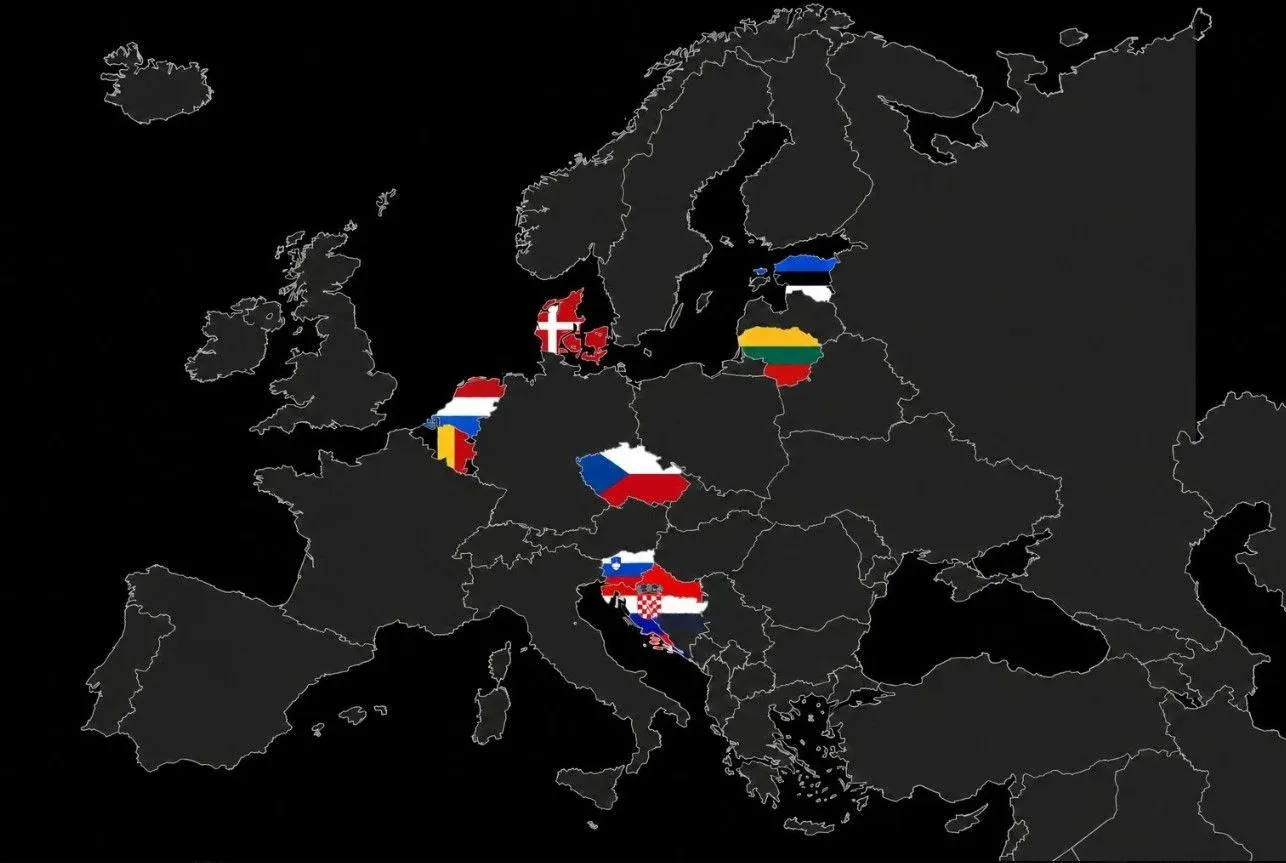
The European homologation of the TAD, as it is now called in our market, will be one of the factors determining the company’s next steps. Tesla is working to extend the homologation of its system to the entire European market, which is already available in 11 markets, including Finland, the latest to adopt it.
Given this, it seems inevitable that in its push for AI and autonomous driving, Tesla will also extend the policy of ending free basic autopilot to the rest of the EU. It is a risky move, and we will see how well it resonates with the European public.