
Euro 7 seemed to be a standard only for internal combustion engines: its major innovation now lies in the brakes and batteries of electric cars.
14/11/2026 15:00
Updated to
14/11/2026 15:00
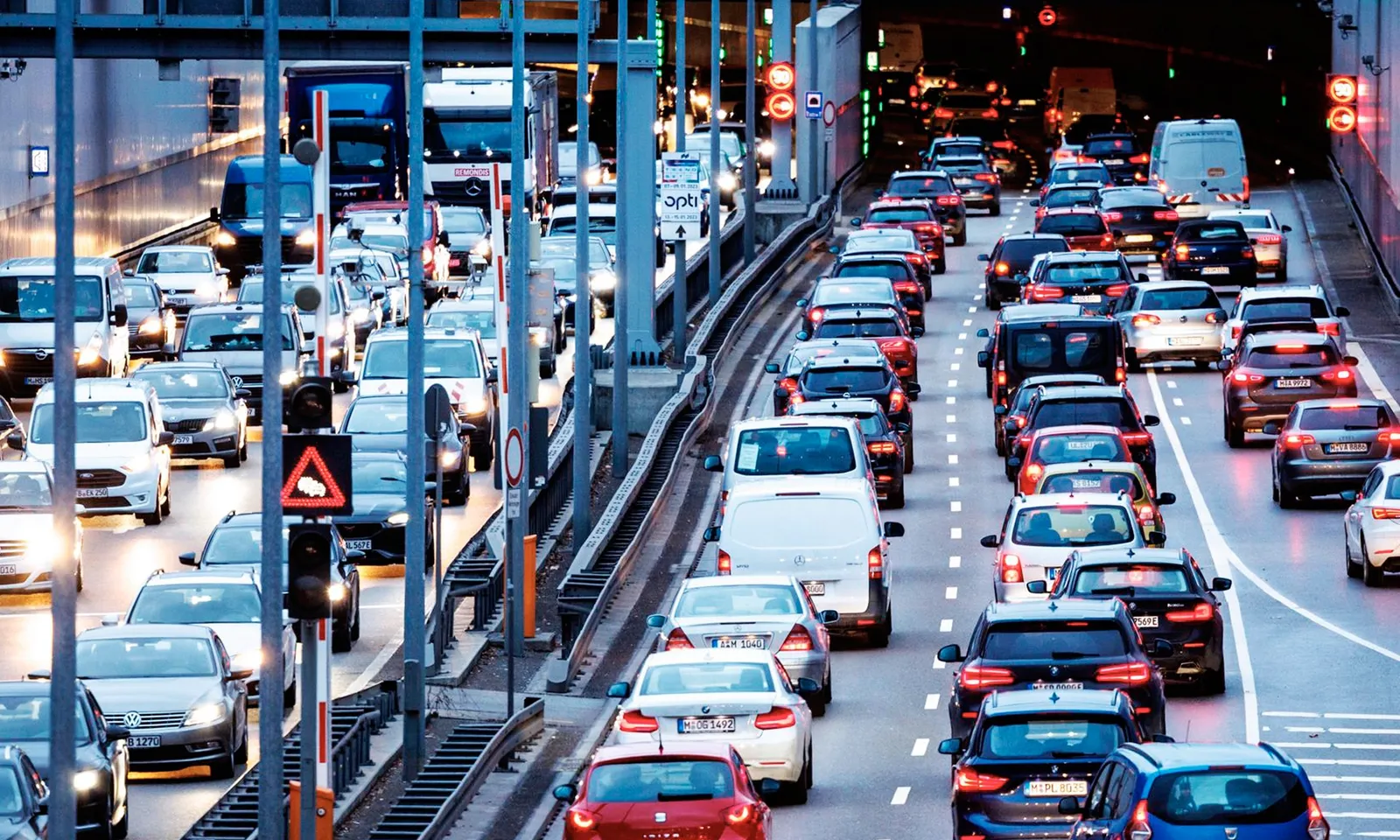
The European Union will launch a new phase in vehicle pollution control on November 29th. The implementation of Euro 7 standards will introduce requirements that go beyond the gases emitted by engines, focusing particularly on particles generated during braking and tire wear. For the first time, electric cars will also be subject to specific limits on such emissions.
The change will initially affect vehicles that receive new homologation, while models already on Spanish roads will not need to adapt to these requirements. This measure is part of Regulation (EU) 2024/1257, approved in April 2024, and it establishes significant differences between various propulsion technologies, as well as introducing new obligations related to battery lifespan.
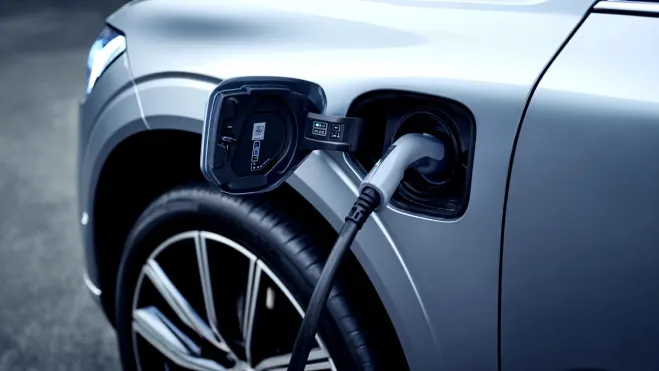
Euro 7 will impose stricter requirements on electric car brakes
One of the main changes relates to PM10 particles emitted by braking systems. Fully electric cars will have a limit of 3 milligrams per kilometer, compared to 7 mg/km allowed for gasoline, diesel, and hybrid vehicles. This difference also applies to plug-in hybrid and fuel cell models, while certain heavier vans will have limits of 5 and 11 mg/km respectively.
The distinction is based on the operating characteristics of each technology. Electric vehicles typically use regenerative braking to recover energy during deceleration, which reduces the need for conventional brakes and thus their wear. However, starting from January 1, 2035, the limit will be unified at 3 mg/km for all passenger cars and vans, regardless of their propulsion system.
This new regulation has led some media outlets, such as El Economista, to suggest that electric vehicles will lose their status as zero-emission vehicles. However, Euro 7 does not change their classification as zero-exhaust-emission vehicles nor does it remove the CERO label from the DGT. What changes is the scope of pollutants monitored, as particles produced by elements common to both electric and combustion vehicles will now also be taken into account.
Batteries will need to meet new durability requirements
The regulations will also set minimum standards for maintaining the energy capacity of batteries in electric and plug-in hybrid vehicles. For passenger cars, they must retain at least 80% of their capacity within the first five years or 100,000 kilometers, while the required percentage drops to 72% after eight years or 160,000 kilometers. For vans, the corresponding figures are 75% and 67%, respectively.
Monitoring of pollutant emissions from internal combustion engines will also be strengthened, although the nitrogen oxide limits will remain at 60 mg/km for gasoline and 80 mg/km for diesel. Among the new requirements are the measurement of particles as small as 10 nanometers, as well as higher standards for the durability of emission control systems. A digital environmental passport containing information on emissions and, where applicable, battery status will also be introduced.
Regarding deadlines, November 29, 2026, will be the first date for applying new homologations for cars and vans, but it will be necessary to wait until November 29, 2027, for these requirements to apply generally to all new vehicles in these categories. Trucks and buses will have a different schedule, with dates set for May 2028 and May 2029, depending on whether it is for new homologations or new vehicles.
Finally, there are still aspects pending development, especially those related to the particles emitted by tires. Their limits will need to be defined through subsequent regulations, with July 1, 2028, set as the first date for applying these requirements to new types of passenger car tires. In this way, Euro 7 will gradually expand control over road transport pollution without imposing new adaptation requirements on cars already registered before those dates.