
The world's 5th largest economy is slowing down: its target for electric cars by 2030 might drop from 80% to 60%.
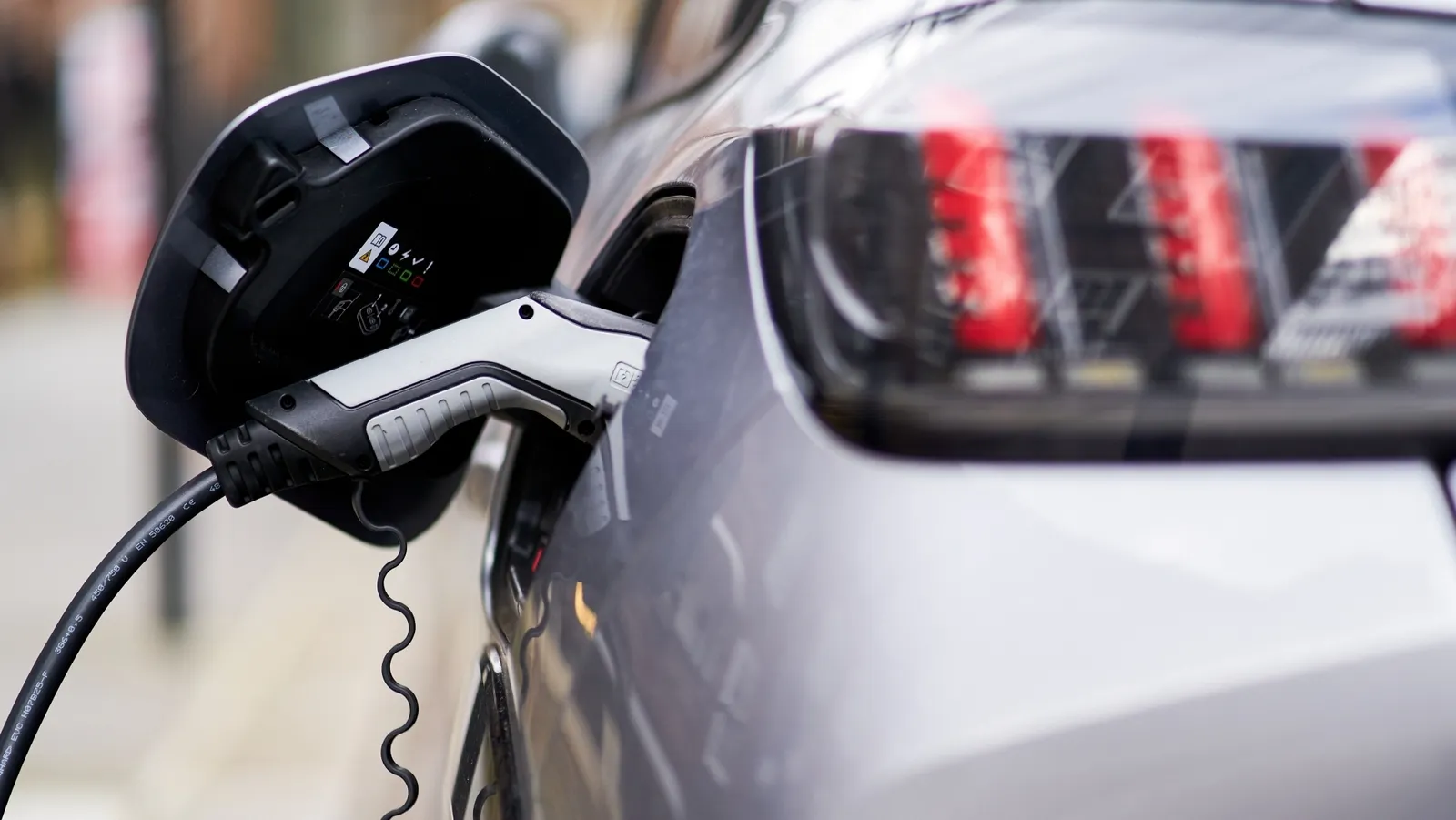
According to current rules, eight out of ten new cars sold in the UK by 2030 would need to be electric. That target, outlined in the ZEV mandate (short for zero-emission vehicle), could drop to around 60%, a quarter reduction, according to British government sources cited by local media.
The UK is one of Europe’s major markets, and its system functions differently from the EU’s. While the European Union sets CO2 emission limits for each manufacturer, London requires each brand to ensure a minimum proportion of its sales consist of zero-emission cars. Automakers have been saying for months that the standard is too high given what customers are seeking today.
How the mandate works and what would change
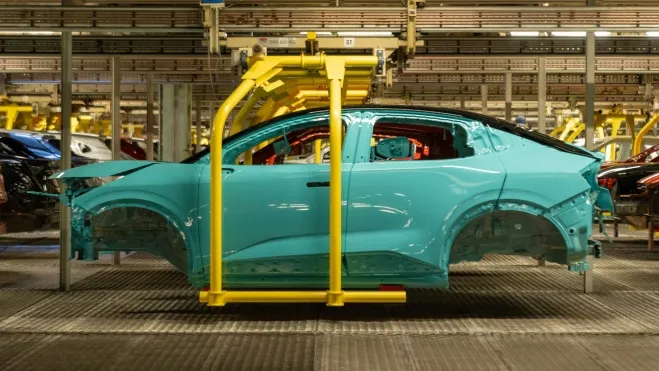
The current regulations require that zero-emission cars account for 33% of each manufacturer’s sales by 2026, with that percentage rising to 38% in 2027, 52% in 2028, and 66% in 2029, reaching 80% by 2030 and 100% by 2035. Manufacturers that fail to meet these targets must pay 12,000 pounds, or about 14,400 euros, for each car that falls short.
To ease the impact, brands already have some flexibility. They can carry over excess quotas from one year for later use, purchase quotas from other brands, or borrow quotas from future years, which they must return by 2030 under current rules. The proposed plan would set a target of around 60% by 2030 and extend these allowances until 2034.
The Government Talks About Speculation
According to information published by The Guardian, Deputy Prime Minister Louise Haigh plans to close the scheme this Wednesday. However, the Prime Minister,
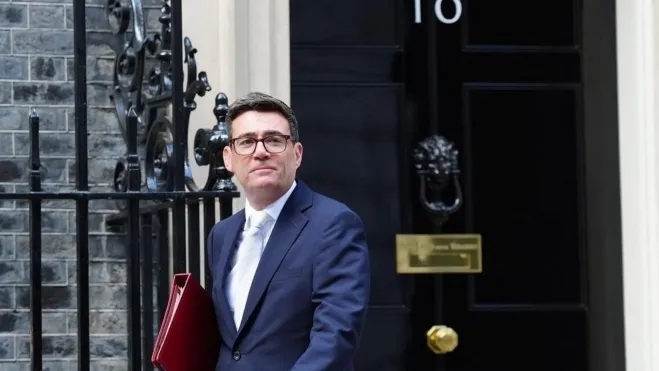
downplayed its significance on Monday. “No decision has been made yet,” he told British media, calling it “speculation” since the government is still reviewing responses to the public consultation it launched in August.
A government spokesperson emphasized that by 2030, the sale of new cars equipped only with gasoline or diesel engines will be halted. They also noted that the review of the mandate will not affect the goal of making all new cars and vans zero-emission by 2035. Starting in April 2025, hybrids can continue to be sold until 2035, so the 2030 cutoff will apply to cars with only internal combustion engines, although the exact definition is also part of the consultation process.
Sales are rising, but not enough
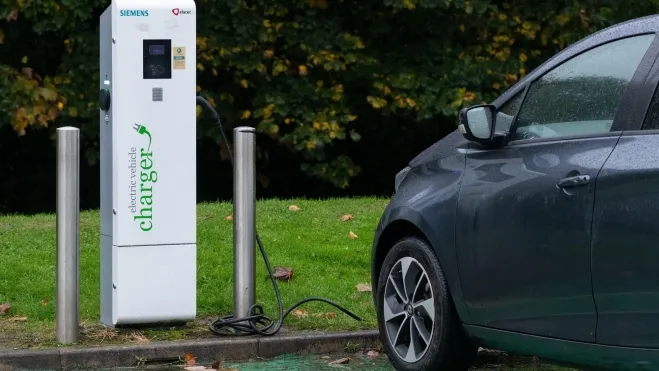
The problem lies in the figures. Battery electric vehicles accounted for 26.6% of new car sales so far this year, below the 33% target set for 2026. The UK’s automakers’ association called last week for “substantial” changes to the targets to align them with actual demand, with brands blaming supply chain issues and weak demand.
The gap remains unfilled despite these efforts. From January to October, 503,805 electric vehicles were registered, 30.4% more than a year earlier, with the proportion rising to 32% in October, the highest figure of the year. Still, the industry expects to reach 32% by 2027, short of the 38% target, and 37.5% by 2028, while the law calls for 52%. For reference, so far this year the proportion of electric vehicles is 28.2% in Germany and 32.5% in France, two markets without mandatory brand quotas. Given the distance between sales figures and targets, a 60% requirement by 2030 seems more like an adjustment to reality than a waiver of the 2035 goal.