
Hyundai is exploring entering Posco’s graphite project in Vietnam.
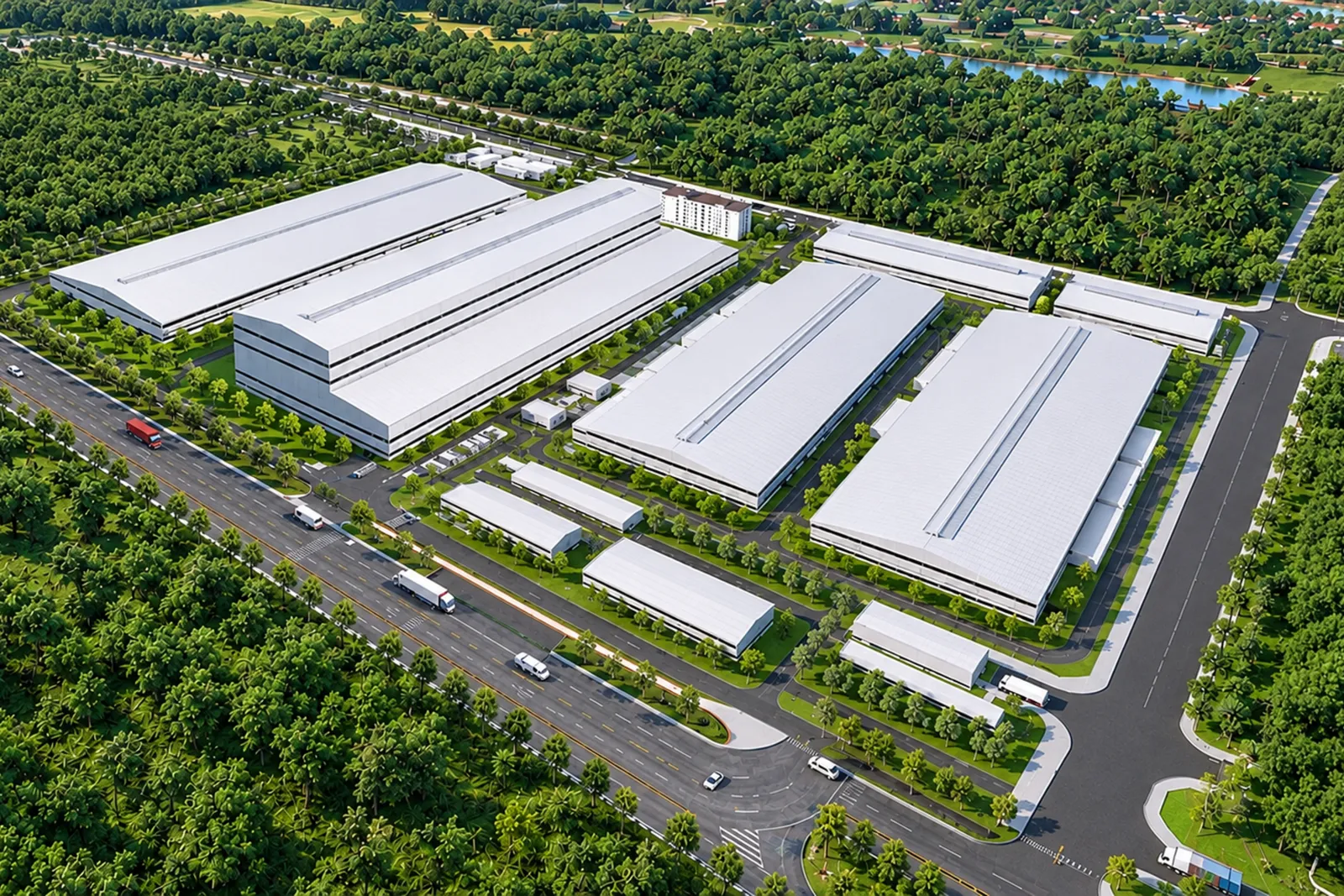
Hyundai Motor Group is considering an investment in Posco Future M’s planned business in Vietnam focused on synthetic graphite. The investment is expected to amount to 100 billion won (approximately 68 million euros). In return, Hyundai aims to secure preferential rights to purchase the anode material.
The graphite factory in Thai Nguyen will begin mass production in 2028.
Image: Posco Future M
Posco Future M and Hyundai Motor Group signed a corresponding memorandum of intent on November 3 to this end. According to it, Hyundai is considering a capital investment of 100 billion won in Posco Future M’s Vietnam project. Meanwhile, the automaker aims to secure priority access to the synthetic graphite produced there.
Both companies also intend to collaborate on the development and quality assessment of the material. The goal is to adapt synthetic graphite anode materials to the requirements of future electric vehicles.
This cooperation builds on an existing partnership between the two conglomerates. As early as April 2025, Posco Group and Hyundai Motor Group signed a memorandum of intent to collaborate in the fields of steel and battery materials.
Posco and Hyundai are also already collaborating on other key materials for electric vehicles. In July 2026, the two companies launched a research project with other partners on high-silicon-content electric wires designed to improve the efficiency of electric motors. The planned cooperation on synthetic graphite expands their partnership to another core area of the electric mobility value chain.
Posco plans production in Vietnam starting in 2028
Posco Future M is currently building a synthetic graphite factory in Thai Nguyen province, Vietnam. The company says it is investing around 357 billion won in the facility. Mass production is set to begin in 2028.
According to Posco Future M, it has already secured customer orders for the first expansion phase. Meanwhile, the company is preparing for the second investment phase, in which Hyundai could participate through its planned investment.
Synthetic graphite is used as an anode material in lithium-ion batteries. Posco Future M highlights its potential for high charging speeds and a long battery lifespan. Additionally, this material is gaining strategic importance as automakers and battery manufacturers seek to diversify their graphite supply chains. Posco Future M is working to cover the entire value chain for both natural and synthetic graphite, from raw materials and intermediates to the final anode material.
To this end, the company has signed several long-term supply contracts over the past years. In July 2025, Posco Future M agreed to supply natural graphite anode material to a major Japanese battery manufacturer. Another contract for natural graphite worth 671 billion won was signed in October 2025. In March 2026, the company also entered into a contract for synthetic graphite anode material worth around 1.015 trillion won with an unnamed global automaker.
The Vietnam project aims to further expand this strategy. For Hyundai, participating in this project could provide additional access to a strategically important battery raw material outside of its existing supply chains.