
Hybrids with Brussels barriers. The problem isn’t limited to Chinese cars
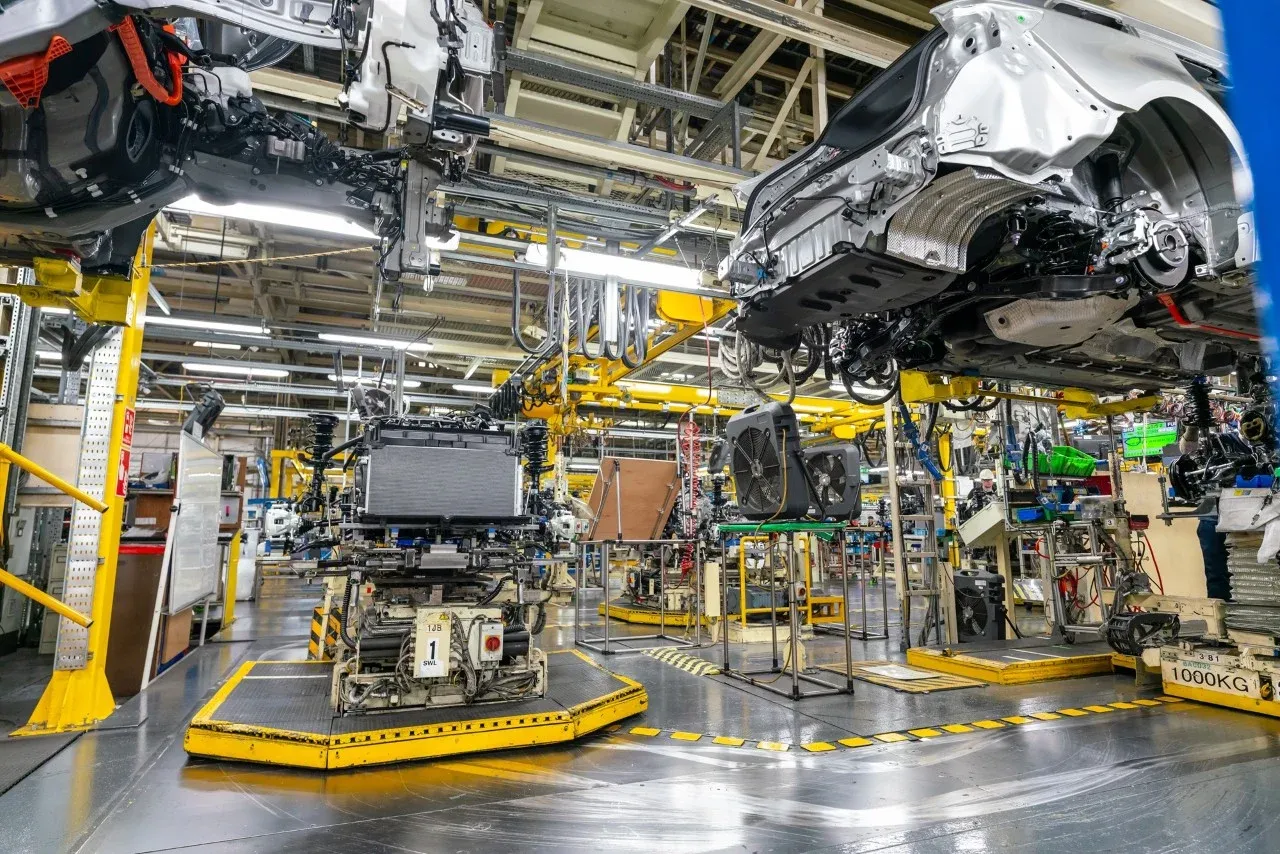
In the article:
- The European Commission is investigating the import of hybrid cars mainly from China, but the probe may also affect other brands.
- Consequences and new regulations – who else might be affected?
- What is the current status of plans to restrict hybrid imports?
Hybrids – the engine of the European market
The automotive industry in the Old Continent is undergoing a technological transformation. Just a few years ago, diesel-powered cars dominated sales, but today hybrid systems have taken their place. According to data from the European Association of Automobile Manufacturers ACEA, in the first nine months of 2026, HEV hybrids accounted for 36.3 percent of new registrations in the EU, with plug-in hybrids making up another 10.1 percent.
In total, this means that almost one in every two new cars sold on the EU market comes with some form of hybrid drive. Meanwhile, the share of cars with diesel engines dropped to just 7.1% of the market. And it is at such a time of boom that the European Commission decided to examine the increasing import of hybrids from outside the Community.
Imports are growing much faster than European production
On October 30, the European Commission officially launched a safeguard investigation into the import of new hybrid cars. The reason is the sharp increase in the supply of such vehicles to the EU market. According to data cited by the Commission, the number of imported cars rose from just under 958,000 units in 2023 to over 1.42 million units between July 2025 and June 2026. This represents an increase of nearly 49%.
The aim of the investigation is to determine whether imported vehicles are causing or could cause serious harm to manufacturers operating in the European Union. It is a similar mechanism to the one previously applied to electric cars produced in China, writes motoryzacja.interia.pl.
As Tomasz Bęben, president of the Association of Automotive Parts Distributors and Manufacturers, noted—cited by the portal: “EU manufacturers are under strong competitive pressure, and increasing imports of cars offered at significantly lower prices could further worsen their situation.” He also emphasized that modern automotive industry relies on global supply chains that European companies also benefit from.
It’s about China, but Japanese manufacturers could suffer as well
The discussion surrounding the European Commission’s actions focuses mainly on Chinese manufacturers, but the scope of the investigation is much broader. It covers all new hybrid cars imported from outside the European Union, regardless of their country of origin or brand. This is why Toyota and Nissan have also come under scrutiny. Both companies have been producing popular models for the European market outside the EU for years.
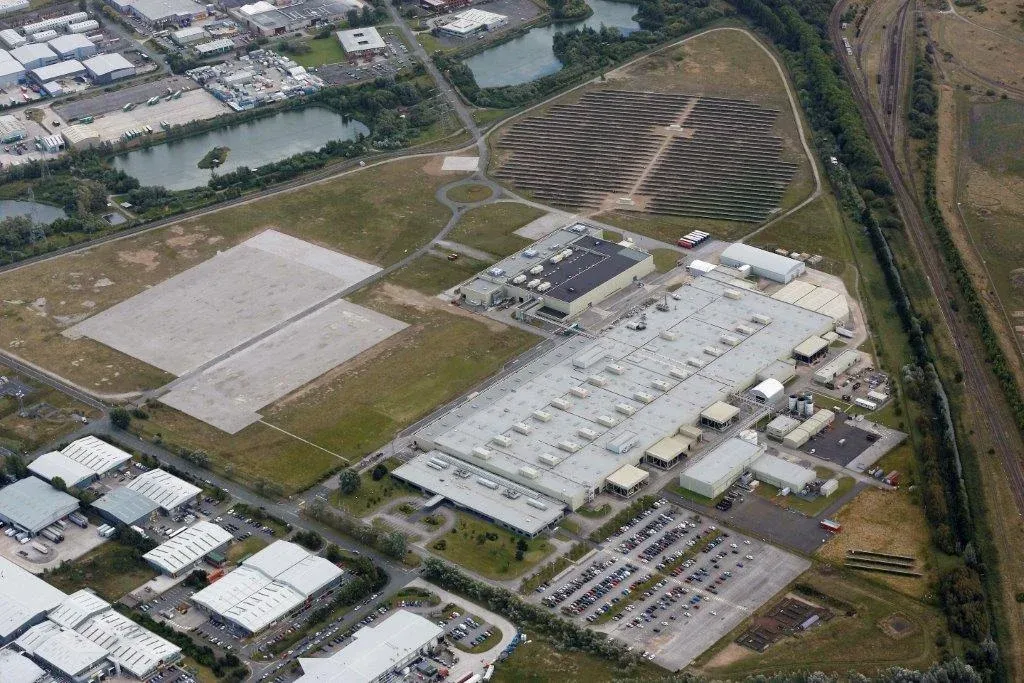
Toyota manufactures models such as the Corolla Hatchback and Corolla Touring Sports at its plant in Burnaston, UK. Nissan, on the other hand, produces the Qashqai model in Sunderland, including the e-POWER version, where the internal combustion engine functions as a power generator for the electric drive. After Brexit, the UK fell outside the Union’s customs territory, so cars leaving British factories are officially considered imports.
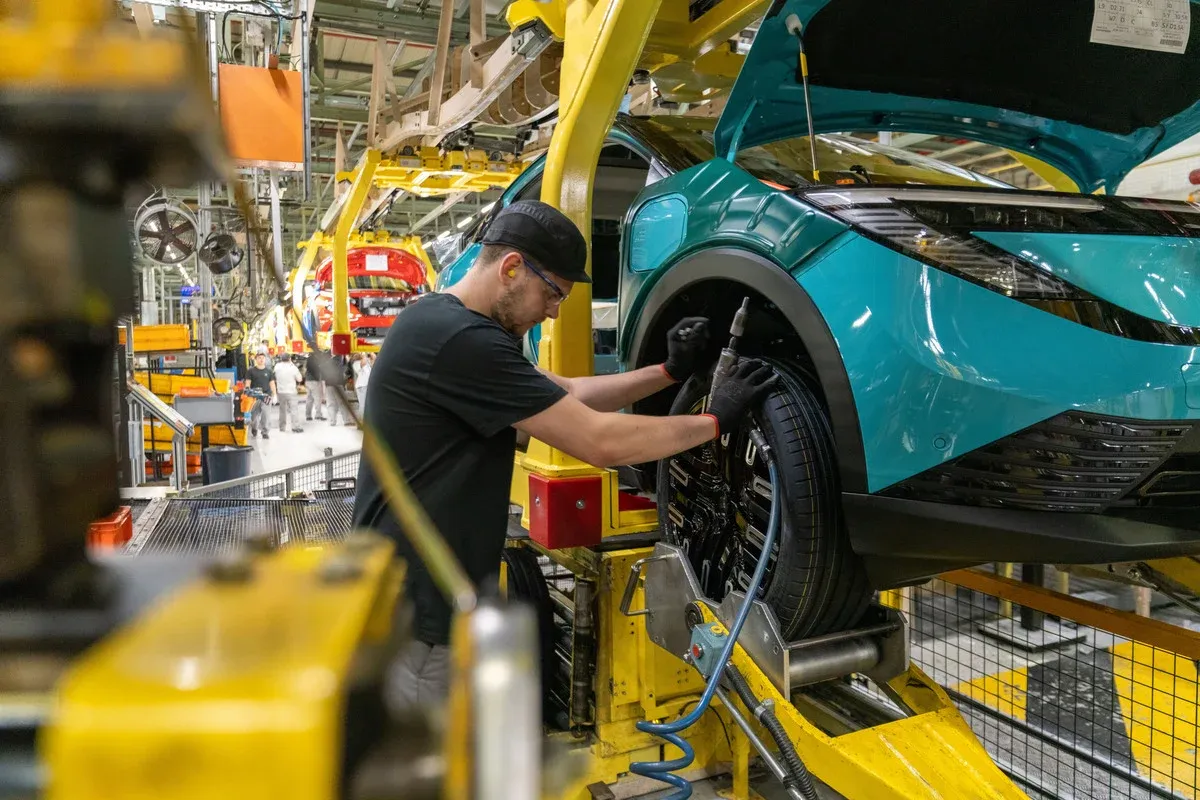
A similar issue affects Toyota’s plants in Turkey, where models such as the Corolla Sedan and C-HR are produced. Despite a customs union between the EU and Turkey, the country is not a member of the Community, which means it could also be affected by the new protective measures.
What is the status of the plan to impose tariffs on hybrids?
Contrary to some reports, no decision has yet been made to introduce new tariffs. Currently, a formal investigation by the European Commission is underway. Its goal is to gather data, analyze the impact of imports on the EU industry, and assess whether there are grounds to apply so-called protective measures — according to Bloomberg.
If the Commission determines that imports harm producers operating within the EU, it may propose various solutions. These do not have to be tariffs alone. Import quotas or other protective mechanisms provided for under World Trade Organization rules are also possible. This issue has already sparked international opposition. During a WTO Safeguards Committee meeting, Great Britain, Japan, South Korea, and Turkey raised objections to Brussels’ actions.
The market awaits Brussels’ decision
What does this mean for ordinary workers like Kowalski, Schmidt, or Rossi? At this stage, drivers do not need to worry about immediate price increases. The investigation has just begun, and the Commission has not yet presented any concrete proposals. It is no secret that this matter goes far beyond trade relations with China...
Oskar Włostowski