
Honda’s shift toward electric vehicles will cost 12 billion dollars
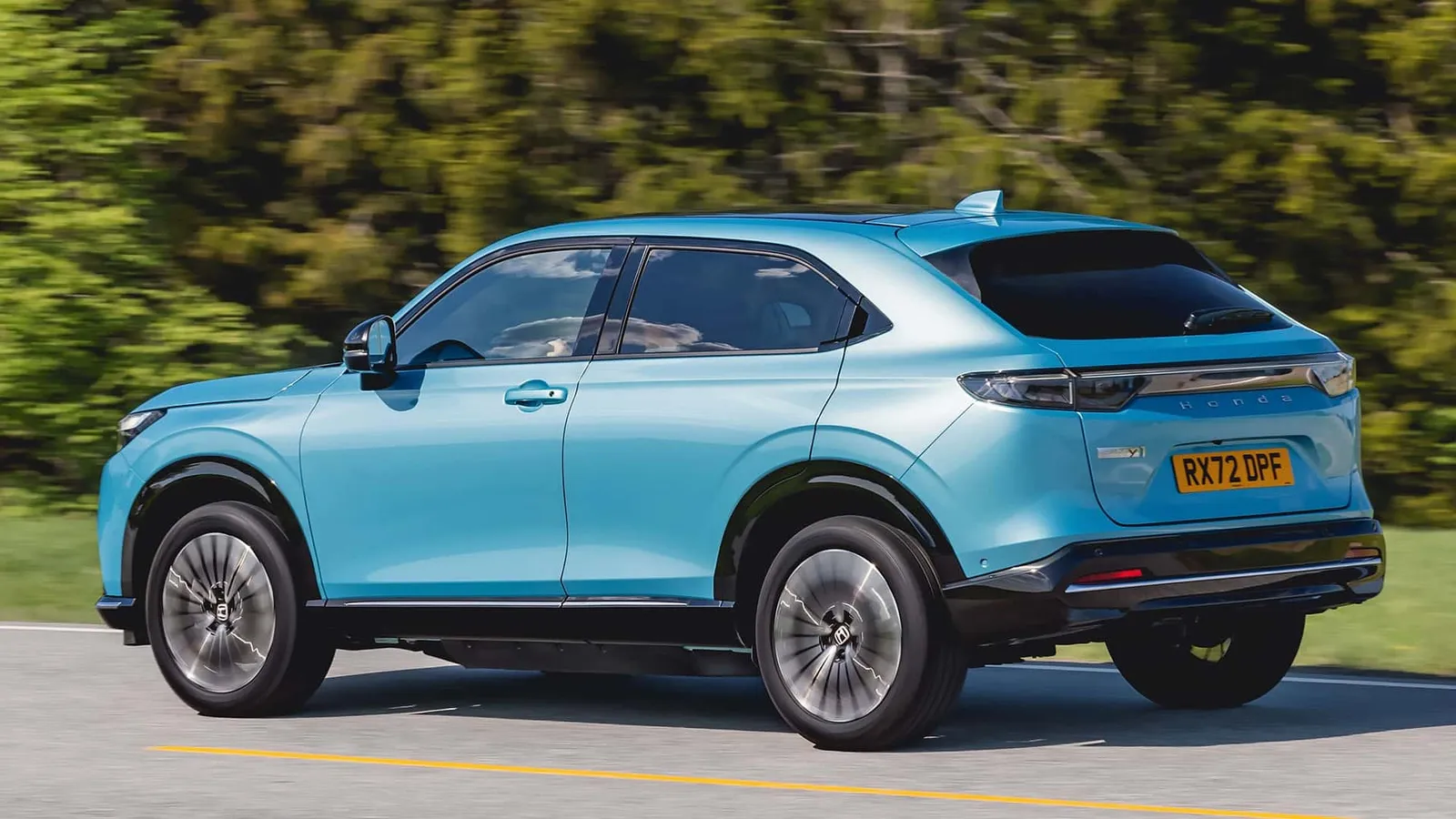
Honda is reconsidering its strategy regarding electric vehicles. In fact, cutting back on investments and revising development plans for battery-powered models has already resulted in costs of over 12 billion dollars, a figure that illustrates how costly it can be to change direction in an industry where industrial decisions are planned years in advance.
The news, reported by Reuters based on the automaker’s latest financial results, fits within a path already outlined by Honda through two official announcements issued in spring, in March and May, in which it announced the scaling back of electric vehicle programs and a review of industrial priorities. What makes it even more interesting is that, while reducing its ambitions in electric vehicles, Honda is benefiting from demand for hybrid cars, especially in the United States.
Three electric models canceled, factories also changing
Honda’s strategy review isn’t just about financial figures. It has already had concrete impacts on the manufacturer’s future lineup and industrial structure. Last March, Honda announced the cancellation of three electric models for the North American market: the Honda 0 Saloon sedan, the Honda 0 SUV, and the new Acura RSX. These three vehicles were supposed to play a significant role in the group’s new generation of battery-powered cars.
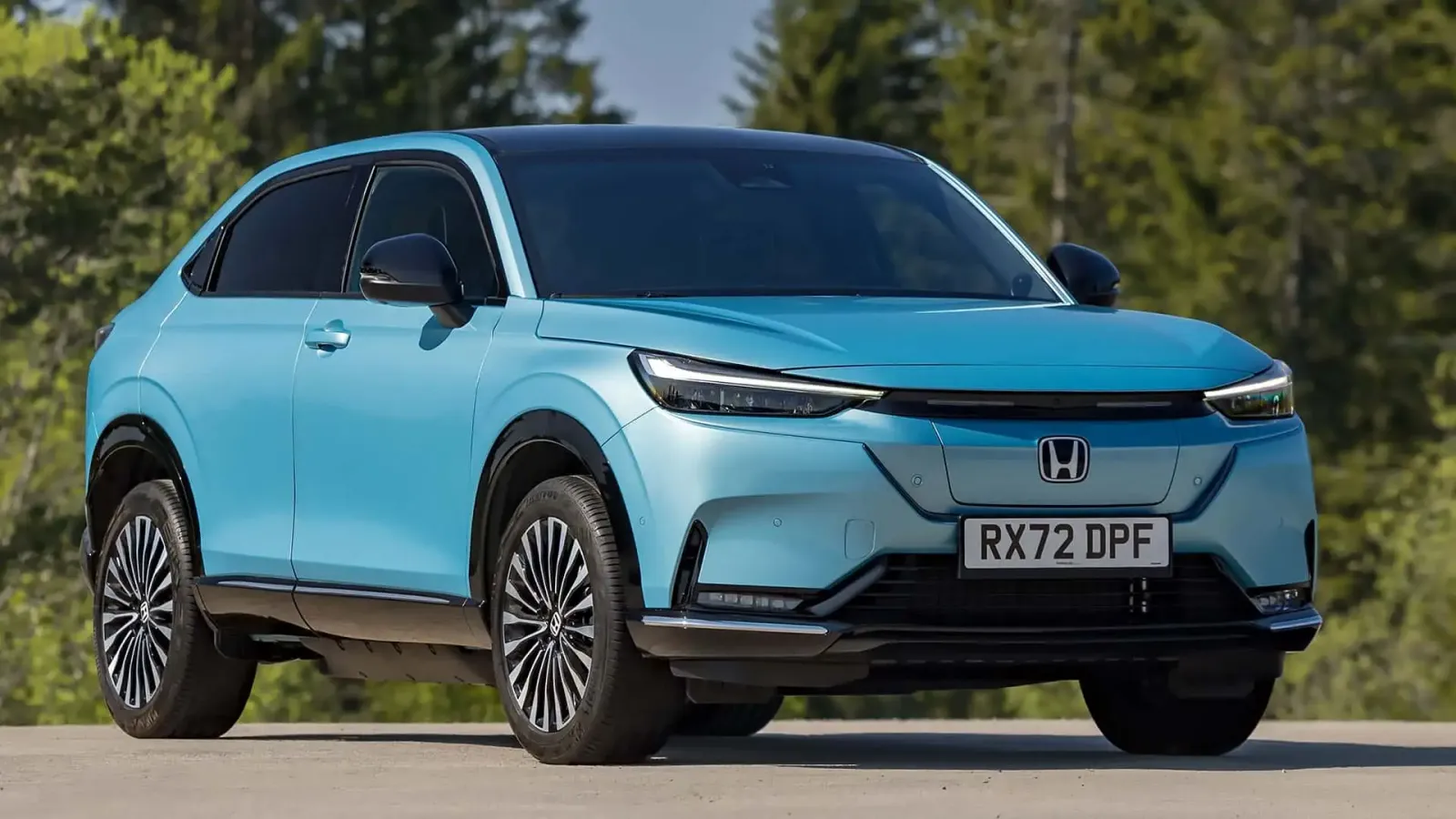
Honda e:NY1 (2024)
The decision also affects Honda’s facilities in Ohio, where the company had invested to set up production of new electric vehicles. The production capacity no longer needed for these models will be redirected to gasoline and hybrid cars. This change affects even the battery supply chain. Honda and LG Energy Solution plan to convert some of the production lines at their American joint venture to manufacture batteries for hybrid models.
The strong performance of hybrid vehicles, which are achieving particularly significant commercial success in North America, has contributed to improved financial forecasts for the current fiscal year, despite additional costs recorded in the latest quarter. Hybrid vehicles are now becoming the priority.
For this reason, Honda has planned to launch 15 new-generation hybrid models worldwide by the fiscal year ending in March 2030, with a particular focus on the U.S. market. The first new models will arrive in 2027, while larger mid-size hybrid models are set to debut in 2029.
The new generation of hybrid systems must also achieve a cost reduction of over 30% compared to the technology introduced in 2023, along with a fuel efficiency improvement of more than 10% thanks to advancements in the platforms.
This decision is reflected in the business results. In the July-September 2026 quarter, Honda’s sales in the United States increased by 9%, while demand for hybrid vehicles helped support the group’s financial prospects. The manufacturer actually raised its forecast for operating profit for the entire fiscal year by 20%, from 650 to 780 billion yen, despite the costs associated with reorganizing its electric vehicle operations.
How much does it cost to change strategy?
The results released on November 10 show the economic impact of this transformation. In the July-September quarter, Honda recorded additional costs of 484.8 billion yen, equivalent to about 3 billion dollars, related to the restructuring of electric vehicle programs. Combined with those already recorded in the previous fiscal year, the total costs exceeded 12 billion dollars. A significant portion of these expenses stems from project cancellations, revisions to industrial investments, and commitments made to suppliers.
Photo Gallery: Honda e Production Version
This restructuring also comes at a challenging time for the Japanese automaker, which must contend with fierce competition from local brands in China and changing market conditions.
North American. A choice that, as shown by the over 12 billion dollars already spent, involves high costs, but which Honda considers necessary to adapt to an automotive market very different from what was imagined just a few years ago.
Honda’s research on electric vehicles continues unabated.