
"There is a notable reduction in accident liability": with autonomous cars already on the roads in Madrid, several companies are already studying their insurance premiums
13/11/2026 11:30
Updated to
13/11/2026 11:30
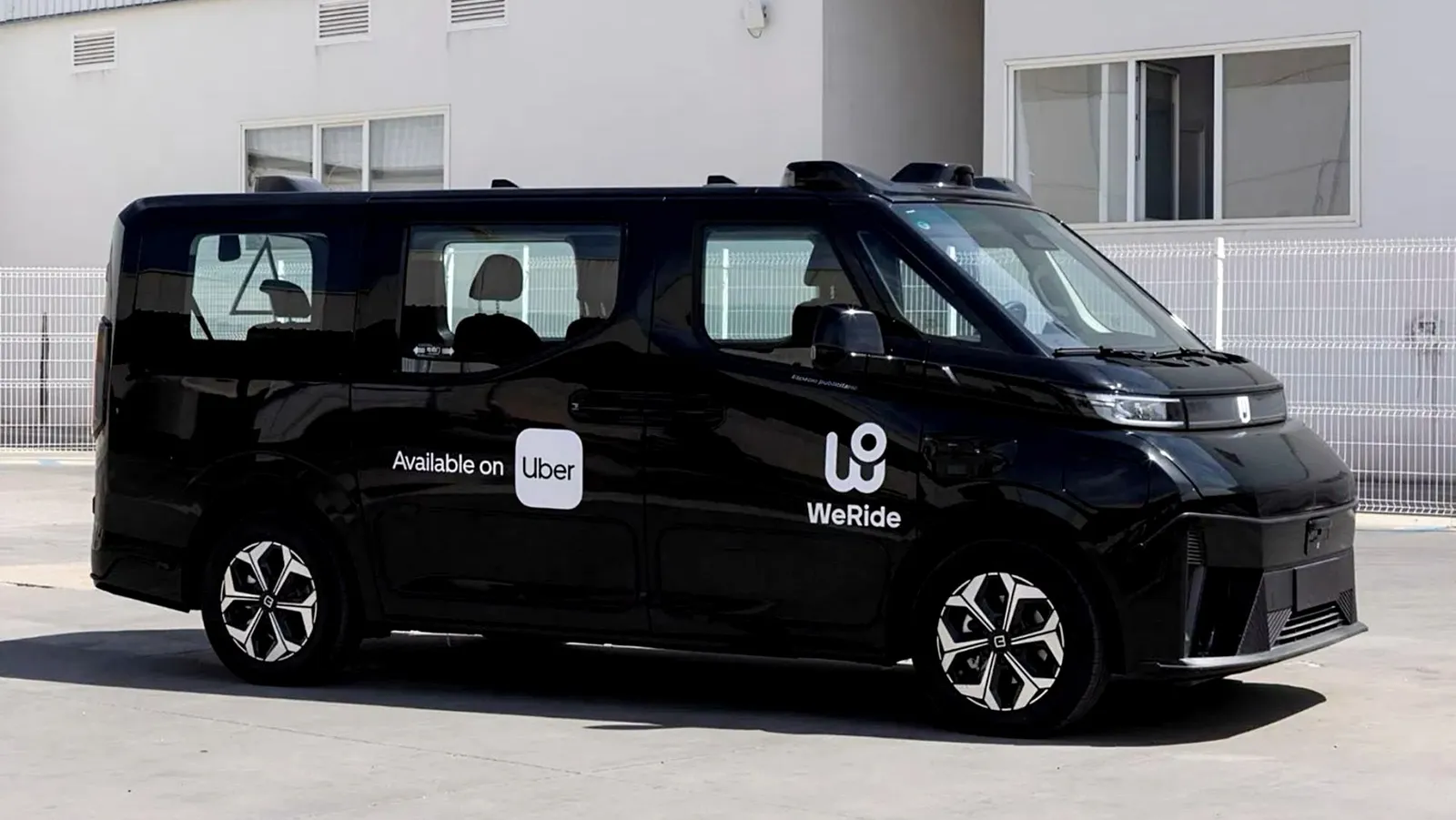
The arrival of autonomous vehicles on Spanish roads opens up new business opportunities for the insurance industry. As Uber and WeRide’s first robotaxis begin testing in Madrid, companies such as Mutua Madrileña, AXA, Marsh, and Aon are already exploring ways to adapt their policies to a mobility landscape where drivers will gradually cease to be the primary responsible parties for what happens behind the wheel.
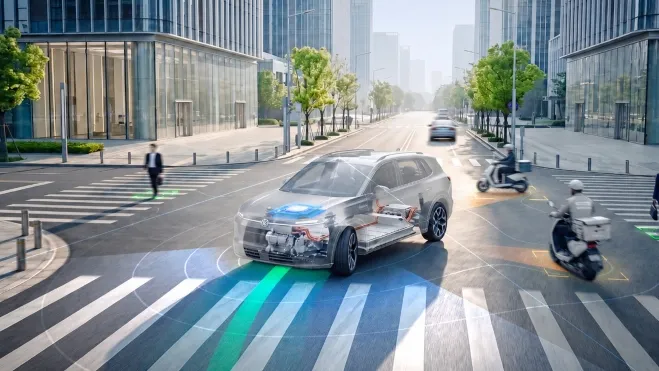
The expectation of a reduction in accidents caused by human error, one of the biggest advantages of autonomous vehicles, brings about changes in premium calculations. However, it also introduces new risks related to technology, software, and manufacturers’ responsibilities.
Madrid is the first site for this transformation
Mutua Madrileña has already partnered with Uber and the Chinese tech company WeRide to secure the 20 autonomous vehicles used in the pilot project taking place in the Community of Madrid. The cars began testing in October and currently have a safety operator on board. For the insurance company, this agreement represents an opportunity to gather real data on the behavior of these fleets and assess how their risk levels change under actual driving conditions.
Jesús del Río, deputy general manager of Mutua Madrileña’s insurance business, explained that “the main value of this pilot is that it will allow us to gain real-world experience to better understand how risk evolves and which insurance models will be most suitable for autonomous mobility.”
Reducing accidents caused by human factors is one of the key reasons insurers are interested, as autonomous systems can prevent accidents resulting from distractions, fatigue, drowsiness, or driving errors. In fact, data cited by industry experts show a significant difference: 0.37 accidents per million kilometers for autonomous vehicles compared to 1.72 for those driven by humans.
However, a lower frequency of accidents does not necessarily mean that policies will be cheaper. Repairing sensors, cameras, and electronic components can significantly increase the cost of each incident, while a software failure could cause more extensive damage, so insurers must weigh all these factors.
An international trend
The new landscape is also attracting international players, with Marsh being a clear example. Together with specialty insurer Apollo, it launched a specific program in March to facilitate the deployment of Uber’s autonomous vehicles on an international scale. Named the Autonomous Vehicle Insurance Program, it offers primary and supplemental liability coverage to technology developers, manufacturers, and fleet operators, with terms tailored to each participant’s safety record. The goal is to consolidate the risks of all parties involved in these services under one insurance framework.
Aon, for its part, is also analyzing how risk management is changing in autonomous mobility. The company believes that data collection and the assessment of new responsibilities will be crucial for designing products tailored to this technology, because the issue will no longer be solely about who was driving at the time of an accident, but rather whether it was caused by a vehicle defect, an algorithm error, a connectivity issue, or a flaw in the driving system.
AXA, on its part, has announced the issuance of its first policies for autonomous vehicles in Spain, specifically for Fiat 500e vehicles from the Niulinx company. These vehicles will begin testing in Zaragoza using level 4 technology with a safety operator on board. The insurer plans to expand this service to other parts of the country once the necessary approvals are obtained.