
Fleet Study: Electric share rises, average emissions continue to fall
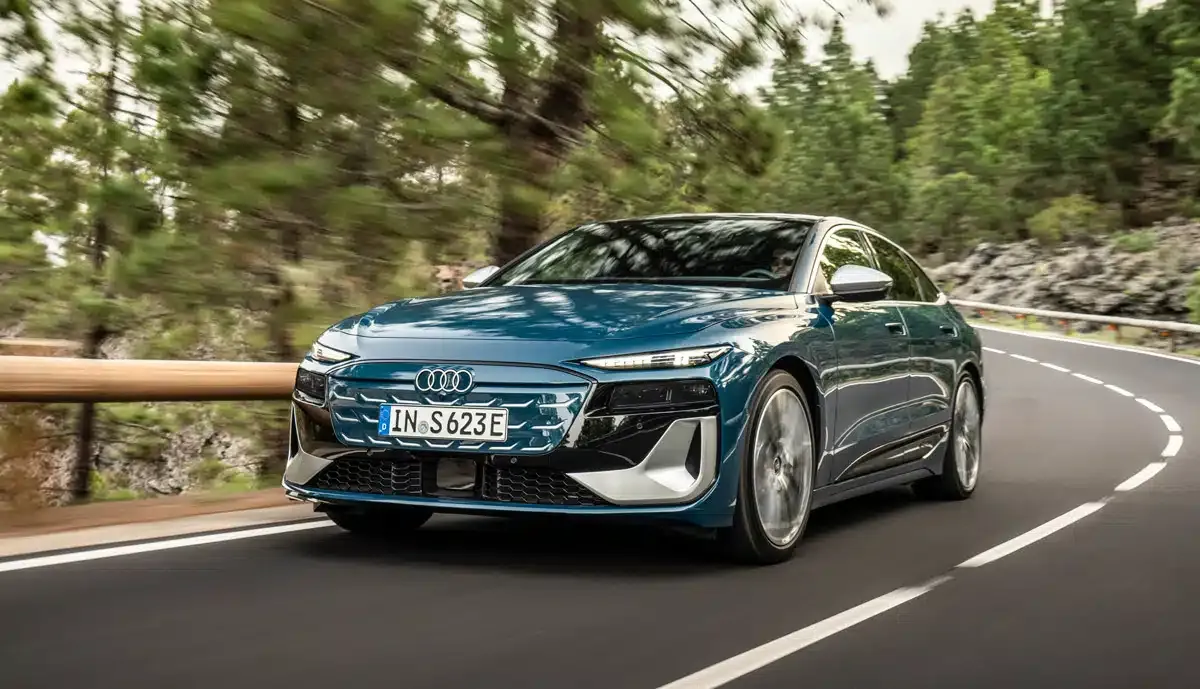
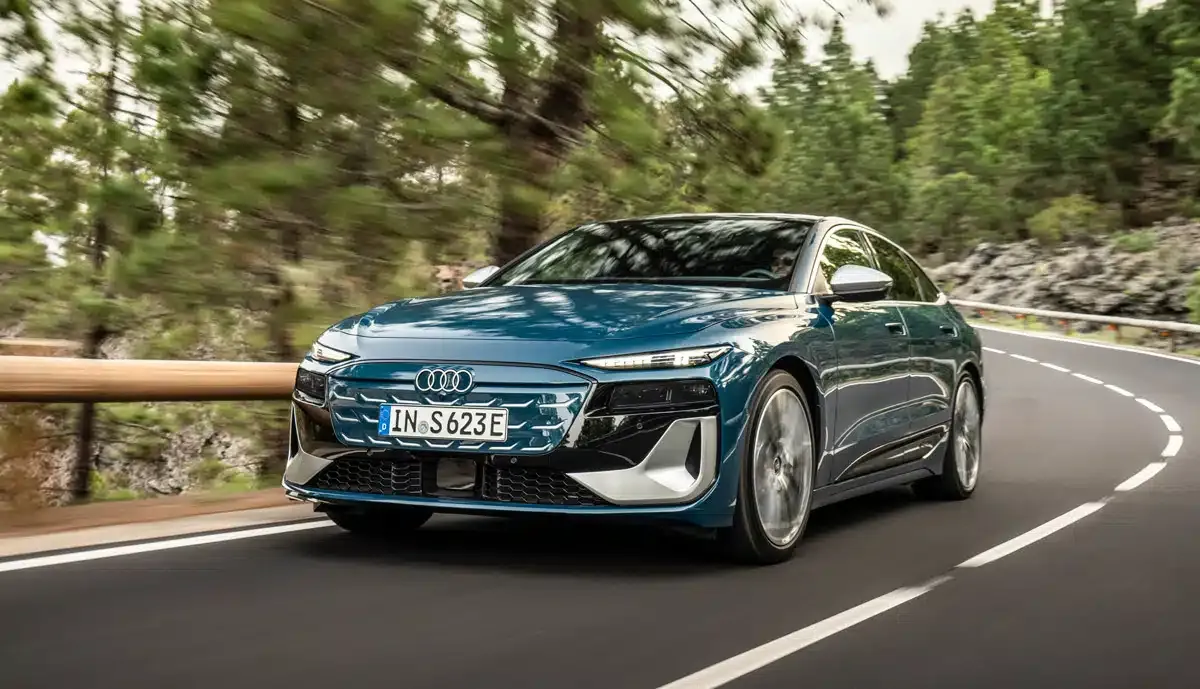
Image: Audi (illustrative)
Ayvens, a provider of car leasing and fleet management services, has released the third edition of the “Fleet Sustainability Ranking by Industry.” This study analyzes international fleet data from Ayvens in Europe between 2023 and 2025, showing progress in companies’ transition to fleets with lower emissions. The latest data indicate that electrification is accelerating across industries. The share of electric vehicles is rising, while average emissions continue to decline.
The evaluation of the “Fleet Sustainability Ranking by Industry” is based on four criteria: diesel proportion, electric and hybrid ratio, and average CO₂ emissions from new vehicle registrations in companies. Corporate fleets play a central role in the shift toward sustainable mobility: the purchasing decisions made there directly influence how quickly CO₂ emissions in road traffic can be reduced.
For the second time in a row, the finance and services sector ranks first in the corporate fleet sustainability ranking. This industry not only has the highest share of electric vehicles (52%), but also the lowest average CO₂ emissions (44 g/km). “This shows how significantly fleet emissions can be reduced through comprehensive electrification. The share of diesel vehicles remains among the lowest as well. Thus, this industry sets standards for sustainable fleet management,” said Ayvens.
Fleet Sustainability Ranking 2026:
Finance and Services Sector
Automotive Industry
Energy and Chemicals
Technology
Manufacturing Industry
Healthcare
Construction
Pharmaceuticals
Consumer Goods
The automotive industry has improved across Europe, rising from fifth to second place in this year’s ranking. According to the study authors, this strong result reflects the significant progress made in moving away from conventional engines and transitioning to vehicles with lower emissions. Additionally, companies throughout the vehicle development value chain — including vehicle manufacturers and those in the parts and service sector, with car rental companies excluded — have increasingly electrified their own fleets.
E-Vehicles on the Rise in Most Sectors
In all industries examined, the share of electric vehicles has increased. In most sectors, electric vehicles now make up the largest proportion of newly registered vehicles. The finance and services sector leads with an electric vehicle share of 52 percent, closely followed by energy and chemicals at 49 percent, and construction at 47 percent.
The growing electrification has a measurable impact on the CO₂ emissions of fleets. Between 2023 and 2025, average emissions decreased across all industries studied. The finance and services sector recorded the lowest value at an average of 44 g/km. Followed by technology at 53 g/km and the manufacturing industry at 54 g/km. Even sectors with traditionally higher emissions, such as consumer goods, healthcare, and pharmaceuticals, achieved significant improvements during the study period.
As the share of electric vehicles grows, the role of hybrid drives as a transitional solution is also changing. In most industries, the proportion of plug-in hybrids has declined as companies increasingly opt for fully electric vehicles. The share of conventional hybrid vehicles has also decreased in many industries. According to the analysis, the trend shows that many companies are now skipping this intermediate step and accelerating the shift to fully electric mobility.
The share of diesel vehicles has fallen in all industries listed in the ranking. In six industries, it is now below 15 percent. In the finance and services sector, as well as in the energy and chemical industries and the automotive industry, this share has even dropped to single-digit levels.
Have you found any errors? Please let us know
by email
Thanks for that!
Also interesting
About the author
Thomas Langenbucher is an expert in electromobility with professional experience in the automotive industry and finance sector. Since 2011, he has been covering electric vehicles, sustainable technologies, and mobility solutions on ecomento.de. Learn more.
Reader interactions