
Fraunhofer FFB and RWTH Aachen develop a model for evaluating battery recycling
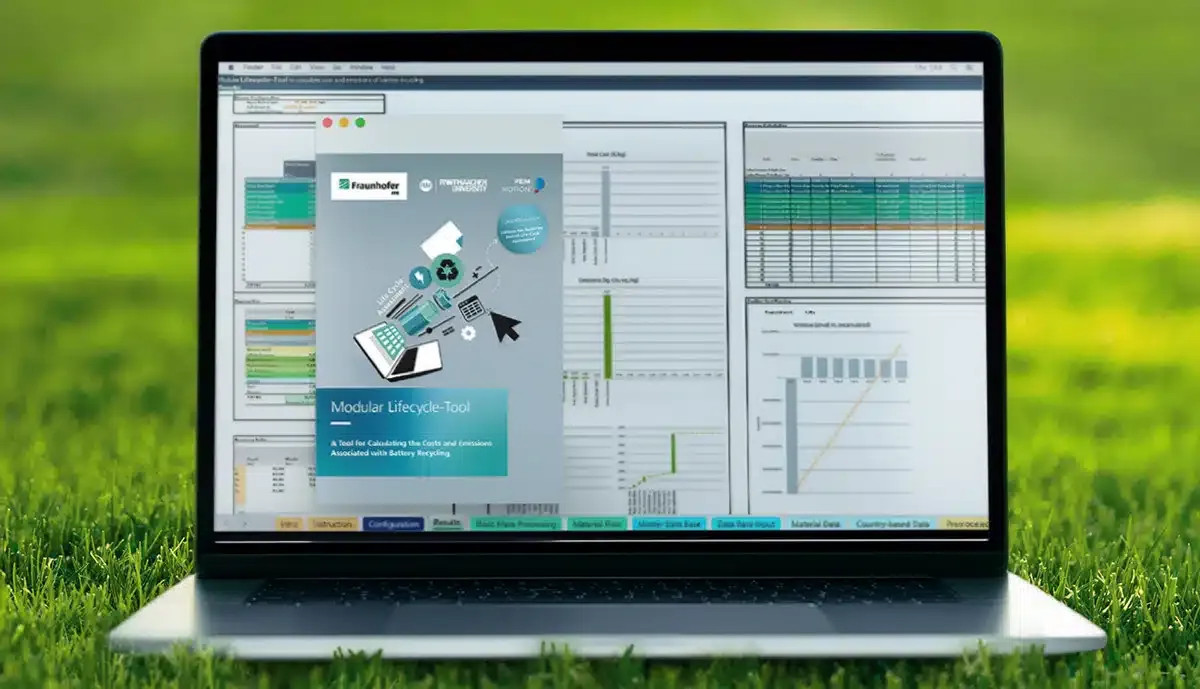
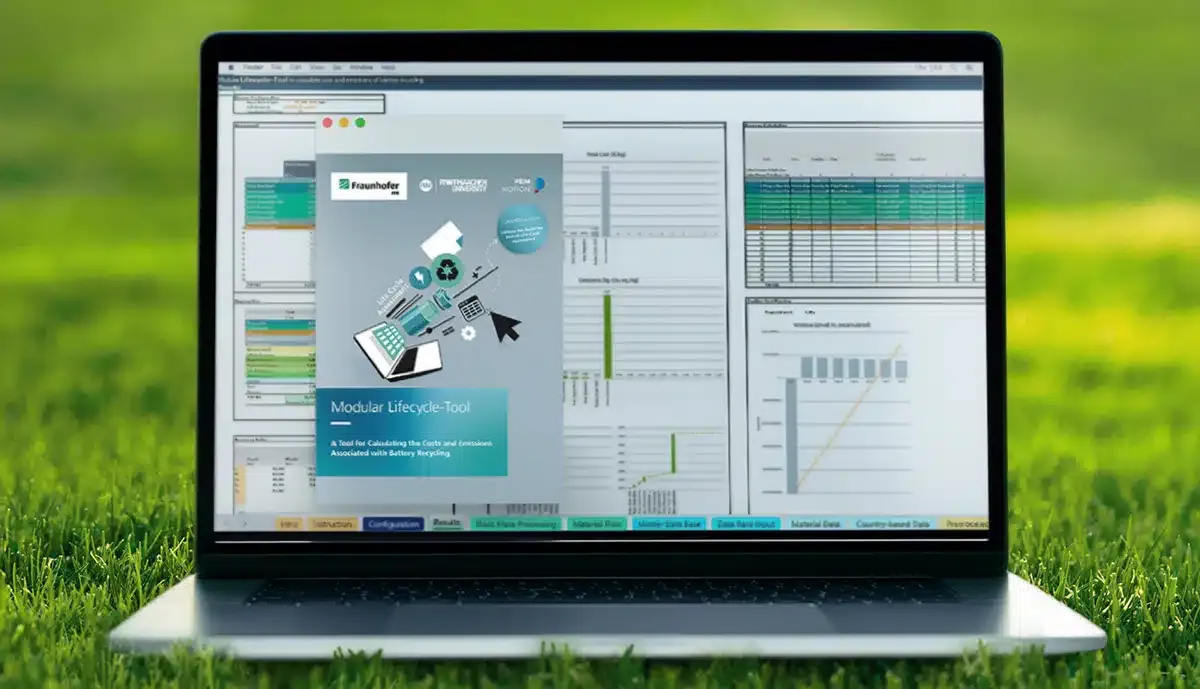
Image: Fraunhofer FFB
The Fraunhofer Institute for Research and Development of Battery Cells (FFB) and the Department of Production Engineering of E-Mobility Components (PEM) at RWTH Aachen, together with industry partners, have developed the “Modular Lifecycle Tool.” This computational model aims to enable systematic comparisons of various recycling methods for lithium-ion batteries using consistent assumptions regarding costs and CO₂ emissions. It was developed as part of a consortium study involving partners from the recycling, plant construction, and consulting sectors.
The model illustrates the entire recycling chain in a modular manner, distinguishing between the preparation and pre-treatment of recycled materials and the recovery of materials. Within these areas, individual functions, process steps, and technologies can be selectively combined and exchanged. This makes it clear how technological changes affect subsequent process stages and the whole recycling chain. “The modular structure allows us to compare different technologies within the same process logic,” explains Lucca Groß from RWTH Aachen.
The foundation is a database of individual process steps, which allows users to configure the throughput and material composition of the input stream and assemble custom process chains. The model tracks material flows and links them to economic and ecological indicators. Considered factors include energy demand, emissions, raw materials and auxiliary substances, operating costs, investment costs, material revenues, and disposal costs. Additionally, site-specific factors such as electricity mix and labor costs, as well as capacity and scale effects, can influence the evaluation.
The “Modular Lifecycle Tool” also allows for the analysis of various technical and economic parameters. Changes in separation efficiency, throughput, or recycling intensity are depicted in terms of their impact on material flows, costs, revenues, and emissions. Its intended applications include comparing alternative recycling concepts, identifying cost and emission hotspots, and evaluating scaling strategies and site-specific conditions.
The model is intended to assist recycling companies in optimizing existing processes, technology providers in evaluating new solutions, and battery manufacturers in comparing different recycling strategies. Sensitivity analyses of key technical and economic parameters are also possible. In the future, the evaluation framework is planned to be expanded to include additional battery chemistries, more regionally specific datasets, and future regulatory scenarios.
Have you found any errors? Please let us know
by email
about them. Thank you!
Also interesting
About the author
Thomas Langenbucher is an expert in electromobility with experience in the automotive and financial industries. Since 2011, he has been covering electric vehicles, sustainable technologies, and mobility solutions on ecomento.de. Learn more.
Reader interactions