
Foxconn is looking at Poland beyond just automobiles. Graphene is also part of the strategy for electric mobility.
In the article:
- Foxconn sees potential for a graphene center in Poland for the automotive industry
- How can graphene improve the performance of EV batteries?
- What connects the Jaworzno project with the development of Polish technology?
Foxconn going all out. Jaworzno is just the beginning
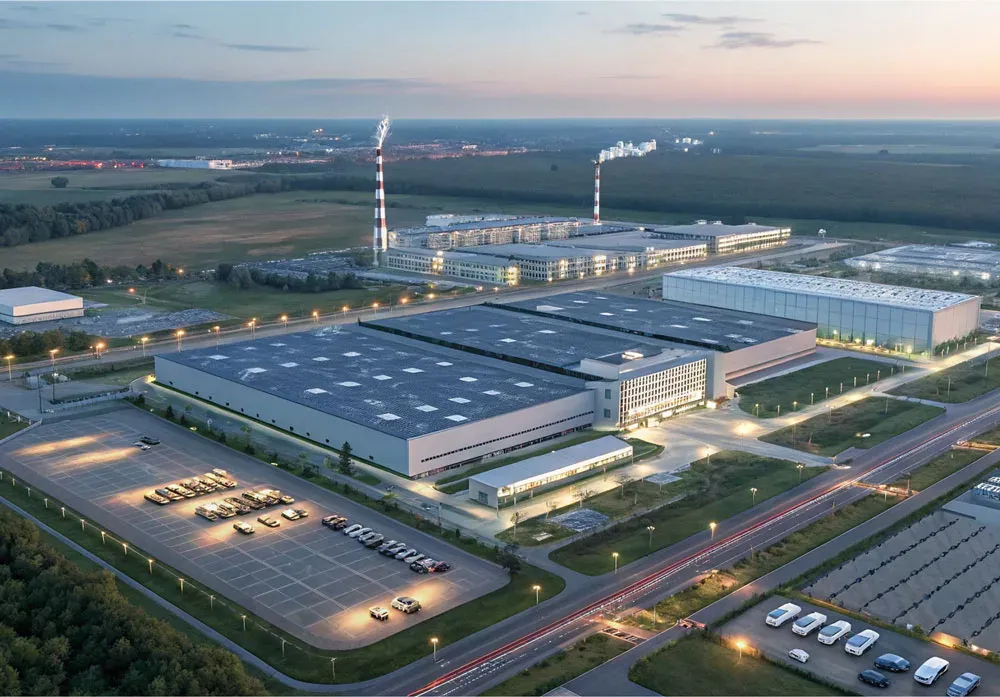
Foxconn is primarily associated with the production of consumer electronics, but today this Taiwanese giant is placing increasing emphasis on electromobility, with Poland becoming one of the key areas for its expansion in Europe. The company is considering two major investment projects: participating in the construction of a semiconductor factory in Miękini in Lower Silesia and developing an electromobility hub in Jaworzno in collaboration with ElectroMobility Poland.
It is around Jaworzno that the greatest attention from the automotive industry is currently focused. Foxtron, a Foxconn subsidiary responsible for developing electric vehicles, is preparing to test over 100 prototype vehicles on Polish roads. The goal is to adapt the design, software, and powertrains to European climate conditions and charging infrastructure – reports Rzeczpospolita.
However, during discussions held by Polish representatives in Taiwan, another topic emerged—one that was much less obvious: graphene. According to WNP, Foxconn representatives suggested that excess energy from renewable sources could be used not only for producing green hydrogen but also for manufacturing graphene.
Why is graphene interesting to the automotive industry?
Graphene has been dubbed the “miracle material” for years. In the automotive industry, however, the focus is not on futuristic visions of building entire cars from graphene, but rather on specific applications in batteries and electronics. Experts from the Łukasiewicz Institute of Microelectronics and Photonics emphasize that graphene materials can be used as additives to electrodes or as functional layers that improve certain parameters of cells. Depending on the battery design, the goal is to enhance conductivity, capacity, or operational stability.
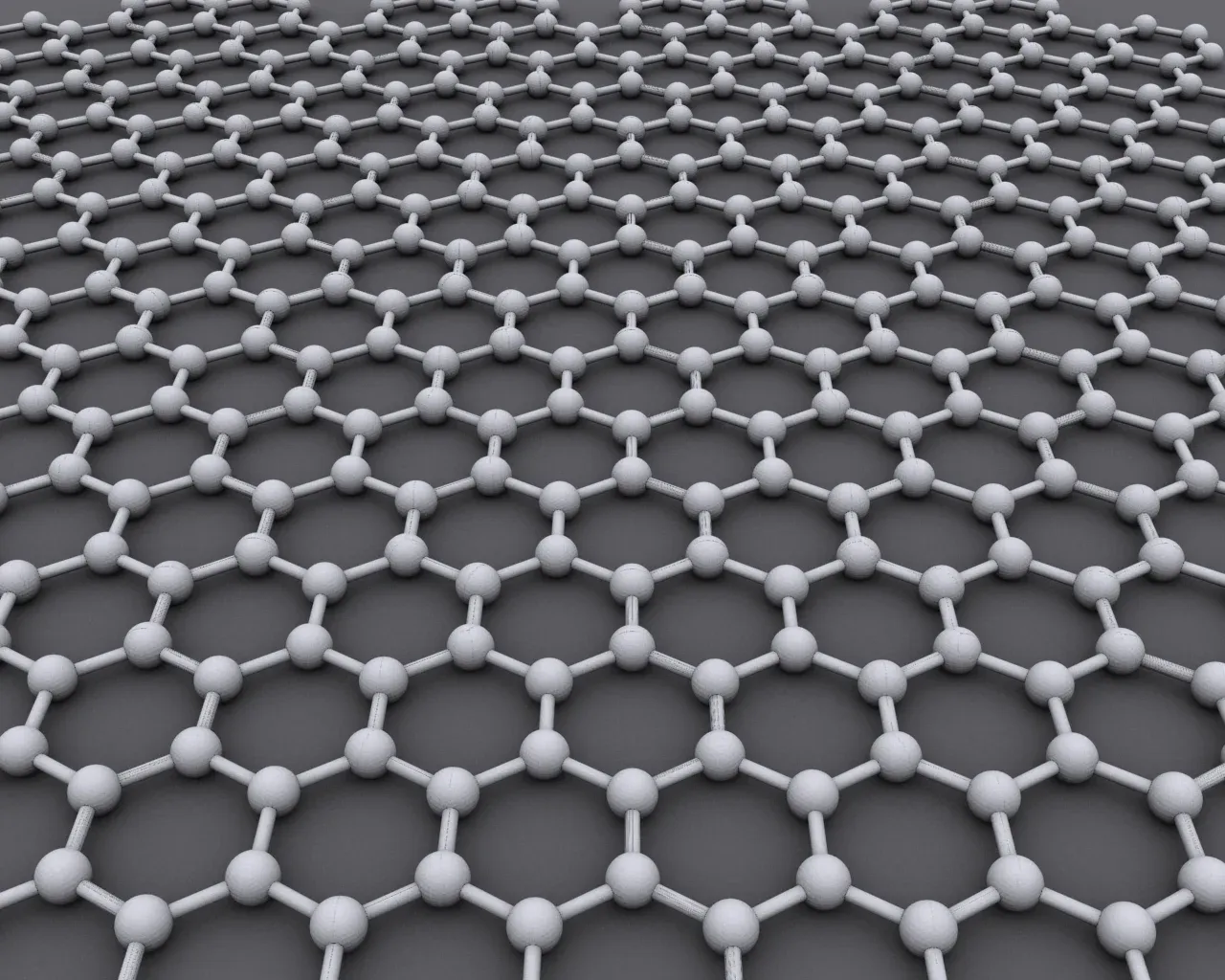
Equally important is graphene’s ability to conduct heat. This property is particularly valuable in electric vehicles, where managing battery temperatures directly affects their durability, safety, and charging speed. Graphene films can assist in cooling battery packs as well as electronic components.
Poland is already developing its own technologies
Although graphene has been discussed for many years, Poland is among the few European countries with its own expertise in its production and research. The Flake Graphene Laboratory at Łukasiewicz – IMiF is currently being modernized, funded in part by the National Recovery Plan. The goal is to transition from laboratory-scale production to semi-industrial production.
The institute emphasizes, however, that the path to mass production is still a long way off. As the scientists note, “Reproducibility of parameters, quality control, and verification of the material in specific products remain crucial.”
Interesting results were also obtained from research conducted jointly by Łukasiewicz – IMiF, the Academy of Mining and Metallurgy, and Warsaw University of Technology. The team demonstrated that properly prepared paper made from reduced graphene oxide can improve the electrochemical properties of lithium-ion batteries. The researchers also highlight the industrial potential of this technology, as it does not require the use of toxic solvents or binders.
Technological ecosystem
If the electric mobility project in Jaworzno is carried out as planned, Poland could gain not only a new battery vehicle factory. Creating an entire ecosystem of modern technologies around it—ranging from batteries and electronics to future materials—could prove equally important.
Oskar Włostowski