
Expert: Over 40 million electric cars in Germany are “energetically representable”
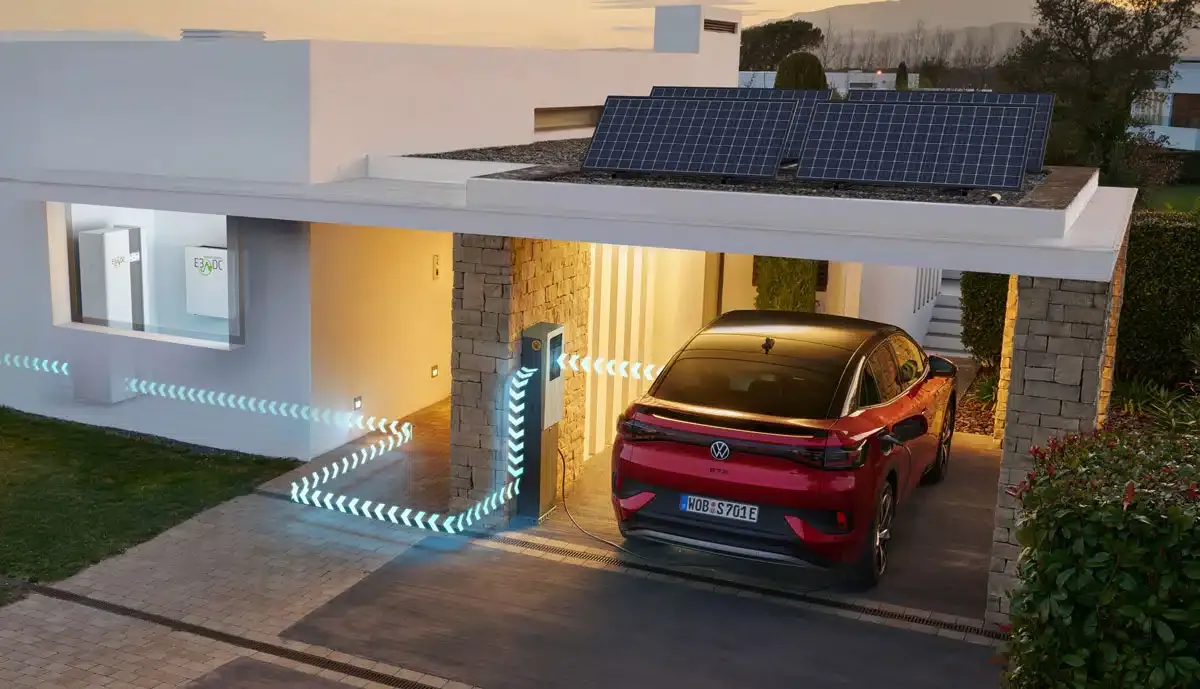
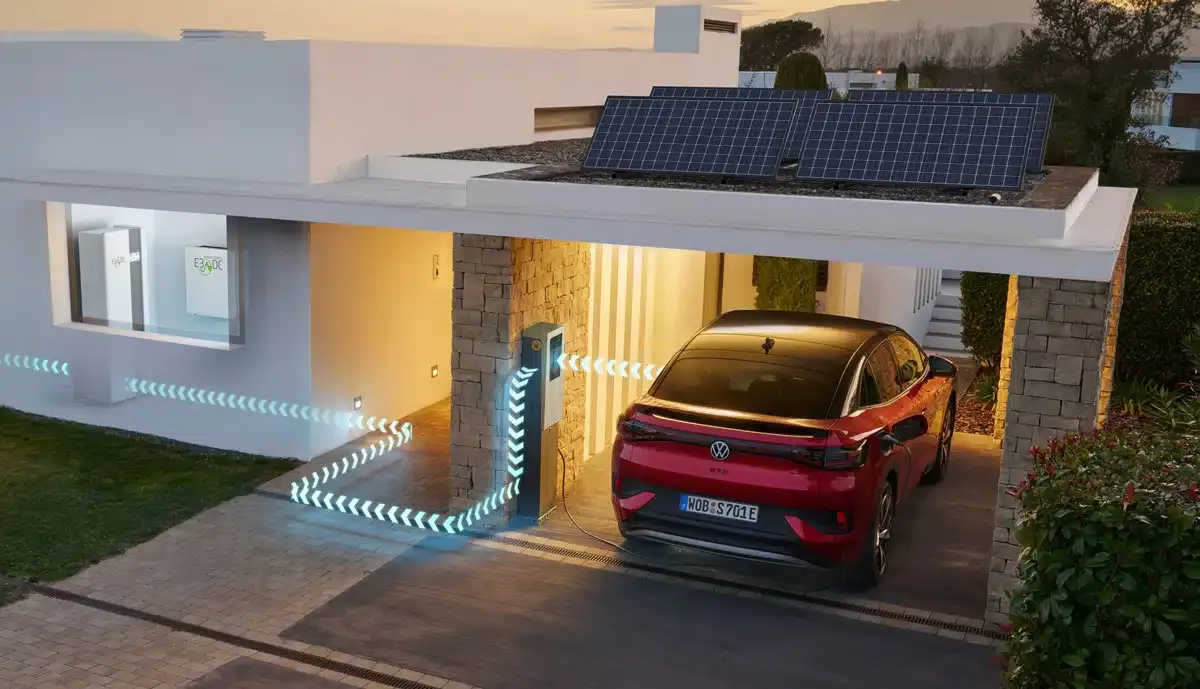
Image: VW (illustrative)
Dirk Biermann, Chief Operating Officer of 50Hertz Transmission GmbH, one of Germany’s four electricity transmission network operators, believes that having more than 40 million electric cars in Germany by 2045 is technically and “energetically feasible.” He stated that further expansion of renewable energy sources is a prerequisite for this goal, as he explained in an interview with the Association for Electrical, Electronic, and Information Technology (VDE).
Biermann explained that the additional electricity demand stems not only from electric vehicles but also from the decarbonization of heating and industry. Therefore, he sees the greater challenge in the overall electrification of the economy and society.
Two-way charging could play an important role in the future, allowing electric vehicles to contribute to grid flexibility and create new opportunities for market participants. Biermann describes the technology as technically promising and points to existing applications in home settings. He believes further development is needed for public charging, especially regarding dynamic pricing and market incentives.
At the same time, the manager highlights local peak loads that can arise from electric vehicles being charged simultaneously. Therefore, distribution network operators need appropriate control mechanisms to avoid unnecessary grid expansion, taking into account the requirements of the distribution networks.
In addition to two-way charging, Biermann emphasizes the importance of digitalization and automation for an efficient power grid. Significant development needs still exist, particularly at the interfaces between transmission and distribution networks. He cites the rollout of smart meters as another crucial factor. Without appropriate meter data, it is not possible to coordinate the interactions between consumers, generation facilities, and battery storage systems effectively.
Have you found any errors? Please let us know
by email
about them. Thank you!
Also interesting
About the author
Thomas Langenbucher is an expert in electromobility with professional experience in the automotive industry and finance sector. Since 2011, he has been covering electric vehicles, sustainable technologies, and mobility solutions on ecomento.de. Learn more.
Reader interactions