
European think tank network for transportation transformation established
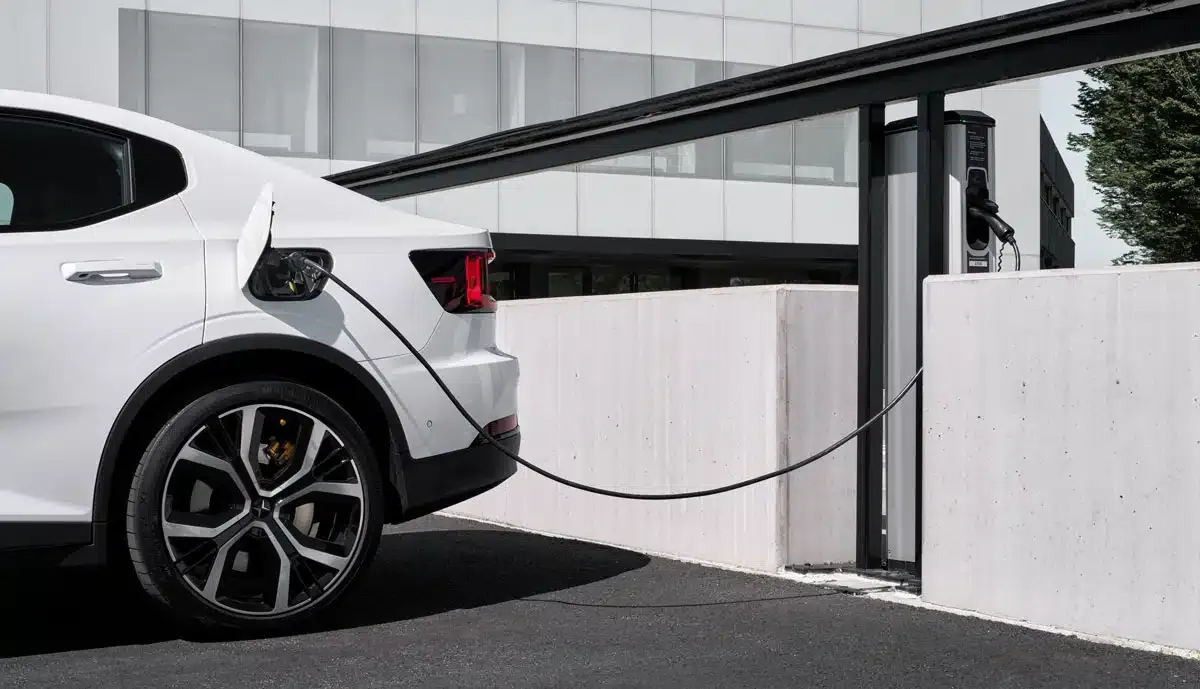
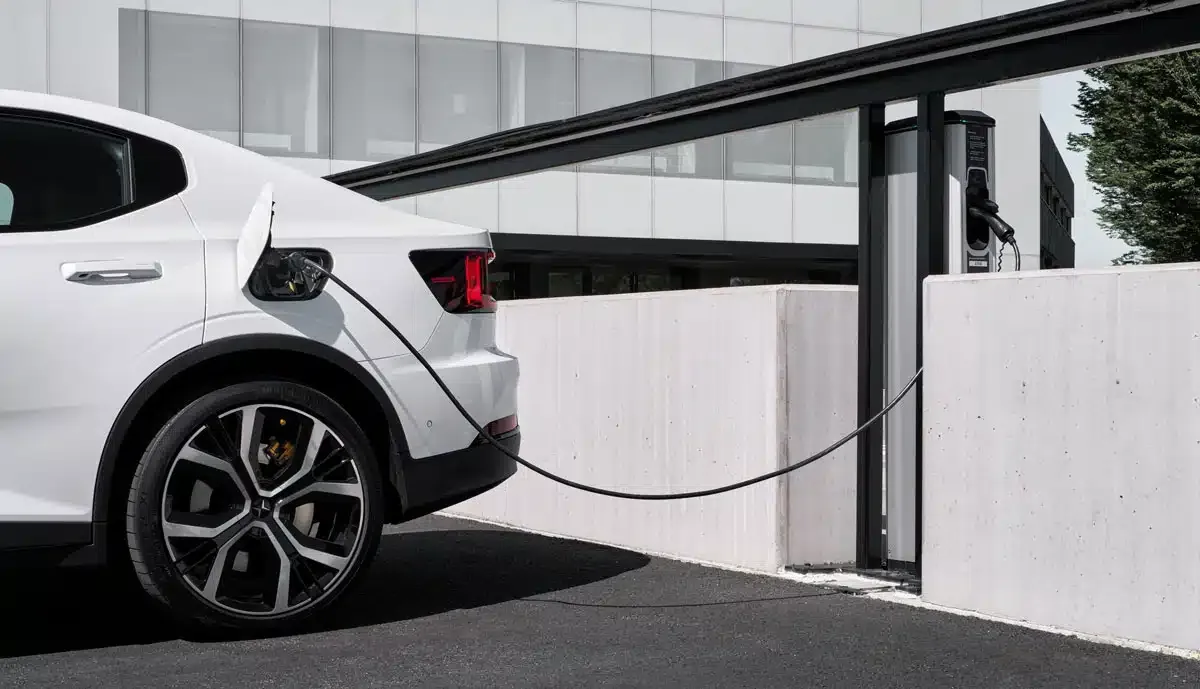
Image: Polestar (illustrative)
Eleven think tanks from ten European countries have joined forces in the network “Think Tanks for Transforming Transport in Europe” (4T for Europe). According to their founding statement, their goal is to assist policymakers in making transportation climate-neutral by the middle of the century.
To achieve this, the organizations intend to share their knowledge and experiences, particularly in the field of electric mobility, and develop recommendations for policy at both national and European levels. “The think tanks see the transformation process as an opportunity for economic prosperity, social justice, and geopolitical security,” it states.
The 4T-for-Europe network includes: Agora Verkehrswende (Germany), Alinnea (Spain), Centre for Transport and Energy / Centrum pro dopravu a energetiku (CDE) (Czech Republic), Concito (Denmark), Ecco (Italy); Institute Mobilités en Transition (France), International Council for Clean Transportation (ICCT) (Germany), Polskie Stowarzyszenie Nowej Mobilności / New Mobility Association (PSNM) (Poland), Norsk elbilforening / The Norwegian EV Association (Norway), New Automotive (United Kingdom), and Slovak Electric Vehicle Association (SEVA) (Slovakia).
The initial projects are intended to address the social aspects of electromobility, financing, tax regulations, and industrial policy. The network’s secretariat is located at Agora Verkehrswende in Berlin at the launch of the initiative.
Have you found any errors? Please let us know
by email
about them. Thank you!
Also interesting
About the author
Thomas Langenbucher is an expert in electromobility with professional experience in the automotive industry and finance sector. Since 2011, he has been covering electric cars, sustainable technologies, and mobility solutions on ecomento.de. Learn more.
Reader interactions