
Europe aims to produce electric motors without rare earths and using aluminum instead of copper.
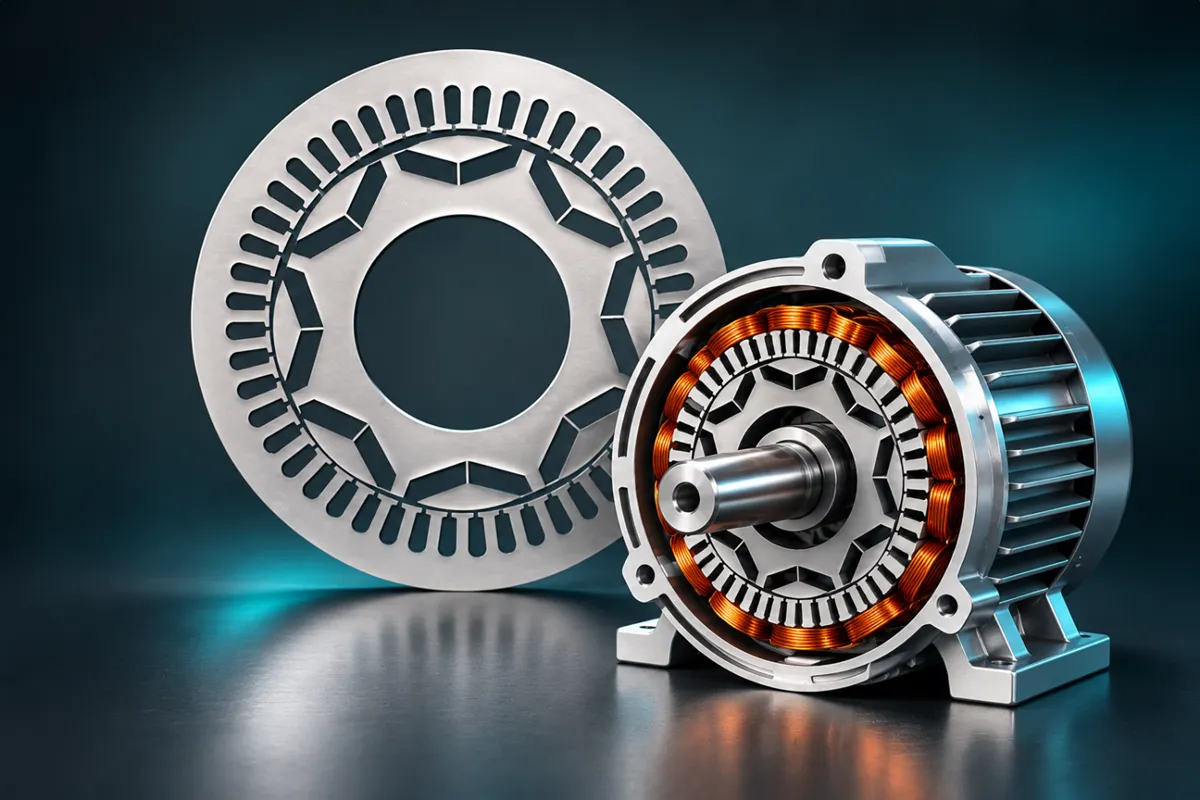
Europe wants to reduce its dependence on critical raw materials needed to manufacture electric cars. The German Fraunhofer IFAM institute has launched a project to develop new technologies for producing electric motors that can do without rare earth elements and replace some copper with aluminum. This initiative, funded by Europe, aims to strengthen the industry’s technological independence.
The research is being conducted in Dresden, Germany, as part of the SIREN project, an effort to transform the way electric motors are manufactured. Its goal is not only to reduce the use of strategic materials but also to develop more resource-efficient, compact propulsion systems capable of delivering high performance.
The project will receive over two million euros in public funding by the end of 2028, coming from the European Regional Development Fund and Germany’s Saxony state. With these funds, Fraunhofer IFAM will build a research infrastructure that will enable the development and production of functional prototypes using new materials and industrial processes.
This initiative comes at a time when Europe is seeking to reduce its dependence on foreign suppliers, especially for rare earths, whose production and processing are highly concentrated in a few countries. This is compounded by the growing demand for copper, a material essential for the electrification of transportation and industry.
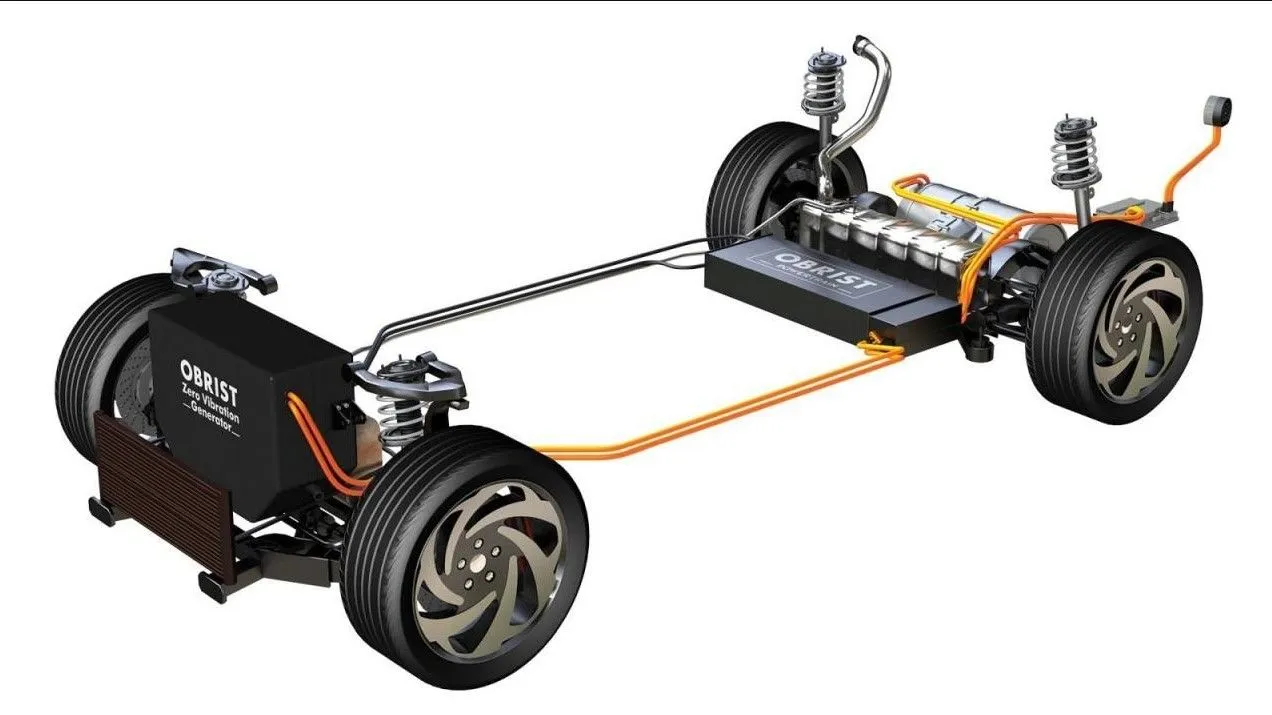
One of the main research directions is to develop electric motors that do not require magnets made from rare earth elements. To achieve this, researchers are working on new architectures for high-speed reluctance motors and permanent magnet motors based on ferrites.
These latter types use magnetic materials that allow the avoidance of elements such as neodymium or dysprosium, which are commonly used in certain high-performance electric motors. The challenge lies in creating designs that can deliver high power density without relying on these strategic materials.
To achieve this, Fraunhofer is developing new additive manufacturing processes based on sintering, a technique that allows the creation of complex metal components from powder materials. This technology enables the combination of different metals in a single piece and the production of geometries that would be difficult to achieve using conventional methods.
One of the most interesting innovations is the multimaterial laminated cores, which combine soft magnetic and non-magnetic materials. This solution opens the door to new motor configurations, particularly useful for applications that require operation at very high speeds.
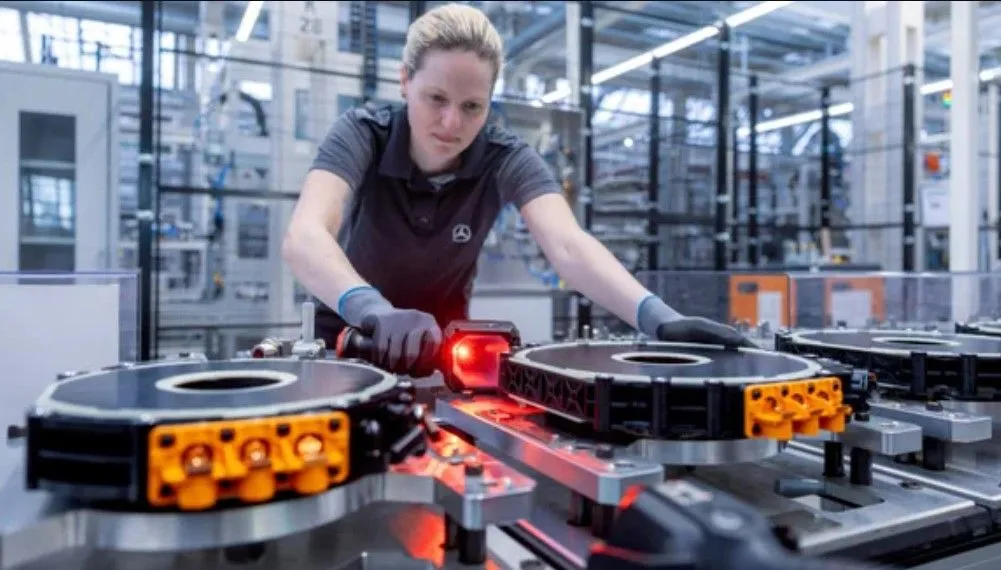
The second major research focus is on replacing copper in windings with aluminum, a lighter and less expensive material. Although aluminum has lower electrical conductivity than copper, researchers aim to overcome its limitations through specific designs that incorporate integrated cooling channels.
This solution could improve the thermal management of windings and enable the development of high-performance motors using more accessible materials. It represents a particularly interesting option for the automotive industry, where reducing weight, costs, and dependence on critical raw materials has become a priority.
The SIREN project is not limited to electric cars. Its technologies are also designed for aerospace applications, land and underwater vehicles, as well as various industrial uses that require compact, powerful, and reliable engines.
Fraunhofer aims to develop the entire technology chain, from researching new materials to manufacturing components and functional prototypes. Additionally, the infrastructure will be available to collaborate with industrial companies, especially small and medium-sized firms in Saxony.
The ultimate goal is for these technologies to be transferred to industrial production and help create a European supply chain that is less dependent on foreign sources. For now, it is a research and development project, but its results could aid in manufacturing future generations of electric motors with fewer critical materials and greater industrial autonomy for Europe.