
The EU is introducing a limit for brake dust. Rules will change starting at the end of November.
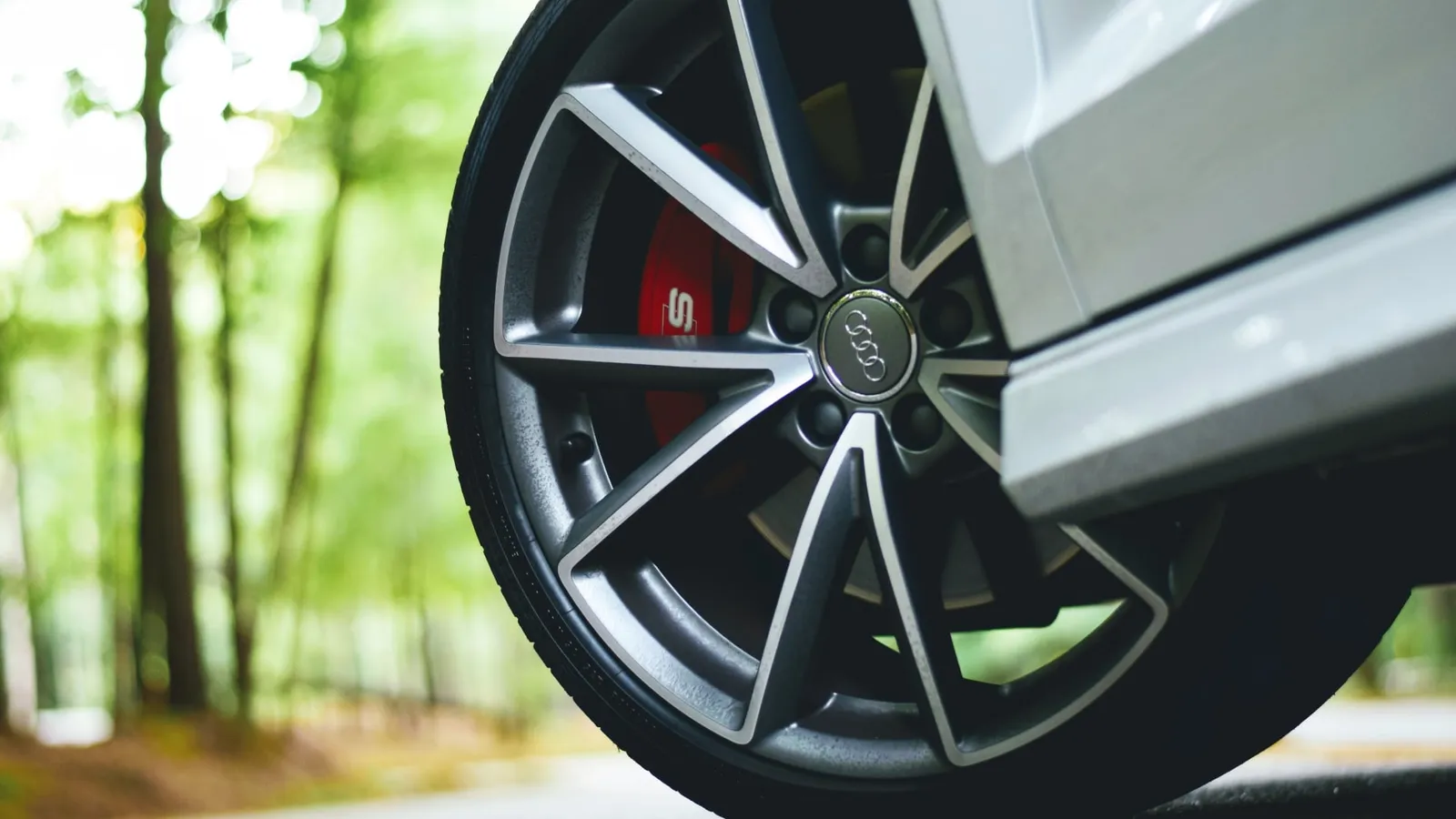
Euro 7 standard will limit particles generated by brake wear. As a result, manufacturers will replace brake discs and pads, and the requirements will apply to both internal combustion engines and electric vehicles.
First new models, all new cars in a year
Starting from November 29, 2026, newly approved models of passenger cars and light vans will need to meet the requirements of the Euro 7 emission standard. This standard introduces limits on brake dust for the first time. The requirement applies to vehicles with internal combustion engines, hybrids, and battery electric vehicles.
One year later, starting from November 29, 2027, the requirements will generally extend to all newly registered passenger cars and light vans. Owners of existing vehicles are not obligated to replace their braking systems after these dates.
The regulation focuses on PM10 particles generated during braking. Their levels are measured in a prescribed test cycle and converted to per-kilometer figures for the entire vehicle.
Power source for passenger cars
Limit for PM10 emissions from brakes
Battery electric vehicle
3 mg/km
Internal combustion engine vehicle or hybrid, including plug-in hybrid
7 mg/km
These values are set for the period until the end of 2029. The same limits apply to most light vans. For N1 category III vans, the limits are higher, at 5 mg/km for battery electric vehicles and 11 mg/km for other power types.
Brake dust is generated even without an exhaust system
When the brake pads rub against the rotors, both components wear down and some material is released into the surroundings. Electric vehicles and hybrids can reduce the use of mechanical brakes by utilizing regenerative braking. When slowing down, the electric motor acts as a generator, returning energy to the battery.
Brake manufacturers adjust the friction materials and rotor surfaces. Solutions include less abrasive pads, heat treatment of rotors, or hard coatings. The appropriate combination depends on the car’s weight, drive type, and braking system load.
Brembo, for example, combines special pads with a rotor equipped with a two-layer coating applied using laser technology in its Greentell system. According to its own laboratory tests, this reduces rotor surface wear by up to 80% compared to a standard uncoated cast iron rotor. The company claims a reduction of up to 90% in brake dust emissions when measured using the WLTP-Brake test cycle.
Replacement depends on the component combination
For low-emission brakes, the compatibility between the rotor and pads is crucial. Therefore, repairs must adhere to the approved replacement part combinations for the specific vehicle. A different pad can alter rotor wear and the amount of particles generated.
Suppliers for independent repair shops are also preparing for changes. ZF introduced TRW DTEC brake discs and pads, which, according to its own tests, achieved up to an 80% reduction in PM10 emissions compared to standard brake component combinations.
Some new disc surfaces are more expensive to manufacture, but they can reduce wear and corrosion. The final cost of maintenance will depend on the specific braking system, the price of replacement parts, and their lifespan.
Sources:
Original text / Elektrickevozy.cz
EUR-Lex – Euro 7 regulation and implementation timeline
EU Council – adoption of Euro 7 rules
Brembo – Greentell technology and laboratory test results
ZF – low-emission TRW DTEC brakes for the independent market
Don’t miss
Lidl reduces price of driver accessory. Magnetic phone holder costs only 129.90 CZK
The Škoda Octavia will lose its TDI version. Diesel production will end in mid-2027.
Carbon frame, 100 Nm of torque, and automatic transmission. Honda unveiled a new electric bike.