
The EU and the UK could once again delay mutual electric vehicle tariffs
The EU Commission appears to be considering delaying again the tariffs on electric cars planned for 2027 in trade with the UK. London is also said to support a postponement. The automotive industry warns of competitive disadvantages due to the impending 10 percent tax.
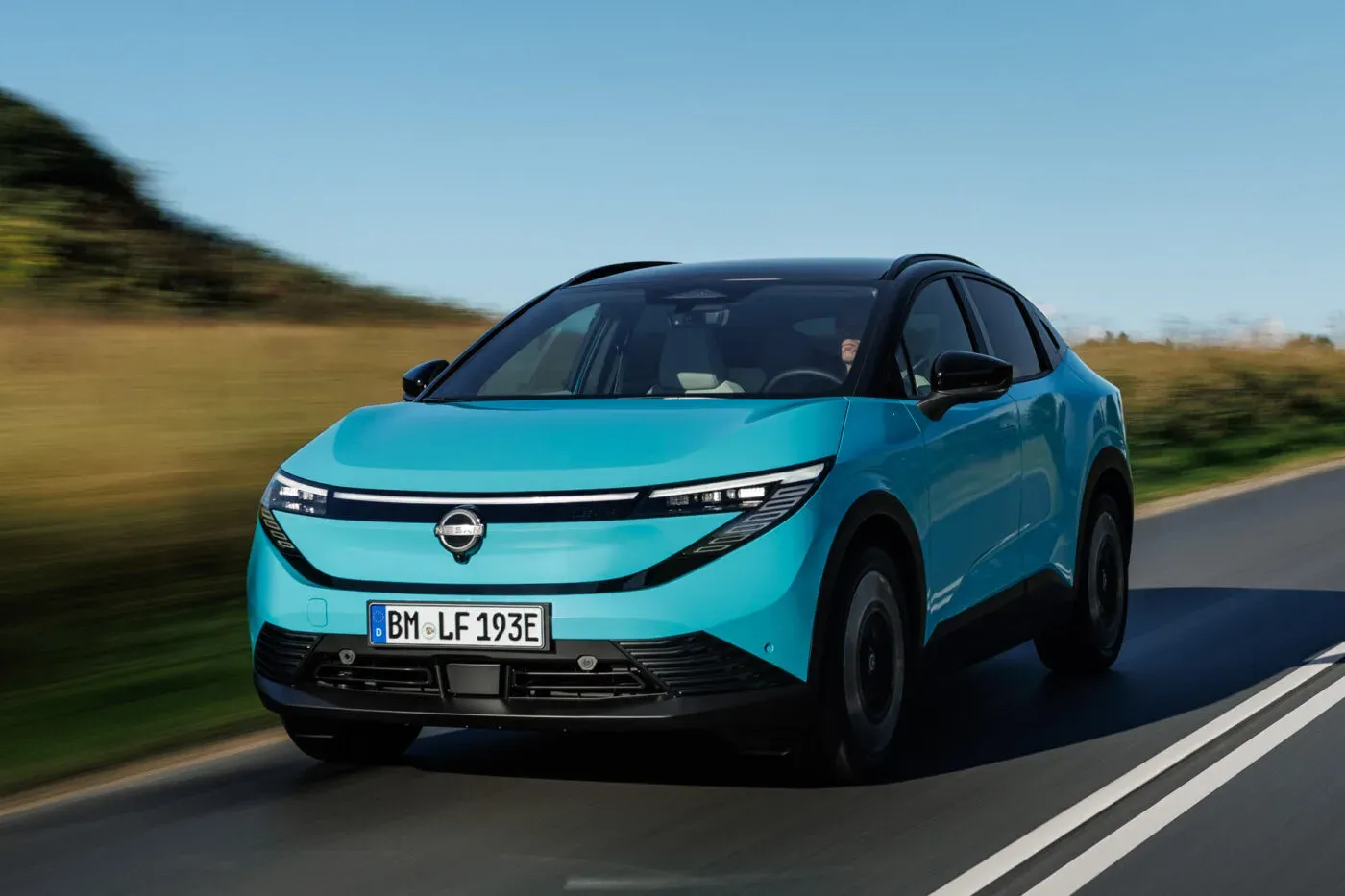
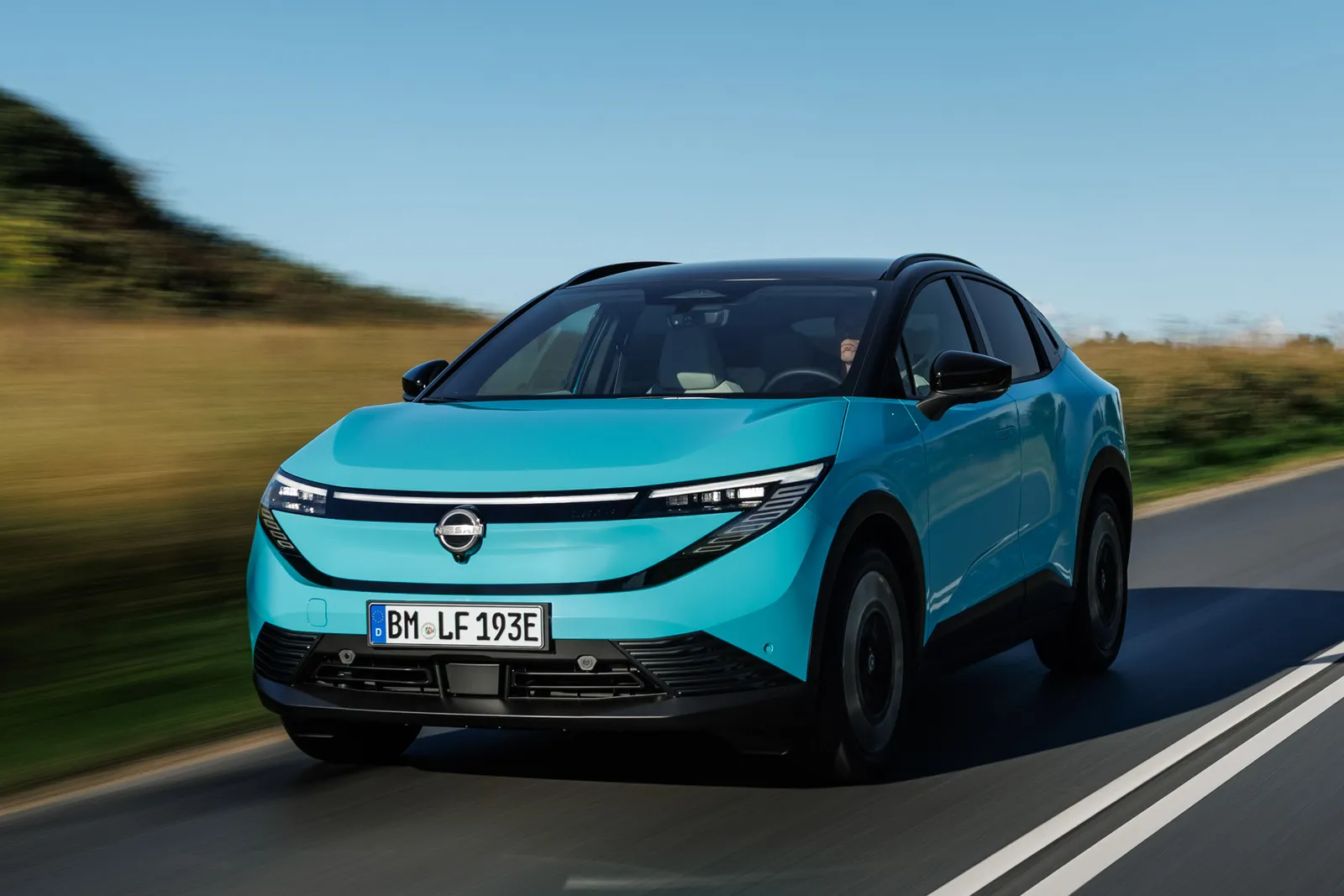
The Nissan Leaf manufactured in the UK could soon be subject to EU tariffs.
Image: Nissan
The EU and the UK appear to be moving toward another delay in implementing stricter rules regarding the origin of electric vehicles. According to the Financial Times, citing several people familiar with the matter, the EU Commission is currently consulting industry stakeholders for relevant proposals. The UK government is also said to support a postponement. Without an agreement, tariffs of 10 percent would apply starting January 1, 2027, to the import of certain electric vehicles from the EU to the UK and vice versa. While in the UK, vehicles such as the Nissan Leaf and several Stellantis electric vans are produced and exported in large quantities to the EU, the reverse direction involves a wide range of electric vehicles.
The background is the rules of origin agreed upon in the Brexit trade deal. These are intended to gradually ensure that a larger proportion of the value added to electric vehicles and their batteries comes from the EU or the UK. The current transitional rules will expire at the end of 2026. Starting in 2027, at least 55 percent of the vehicle’s value must originate from the EU or the UK. For battery cells and modules, the required regional value addition rises to 65 percent, and for battery packs to 70 percent. If these requirements are not met, the aforementioned 10 percent tariff rate will apply.
ACEA warns of billions in costs
The European auto industry considers these requirements premature given the slow development of domestic battery production. The manufacturers' association ACEA expects that by 2027, around 520,000 electric cars and vans from the EU will be exported to the UK. These vehicles are estimated to be worth 17.9 billion euros. Approximately 82 percent of them—about 426,000 vehicles—would not meet the tightened rules on origin, according to the association. This would result in additional customs costs of around 1.47 billion euros alone for 2027. Manufacturers fear this will further put them at a disadvantage compared to Chinese competitors in the UK market.
ACEA therefore proposed a phased delay in September. Until the end of 2029, the existing requirements should remain in force, under which it is sufficient for the battery pack to be assembled in the EU or the UK. Starting in 2030, battery cells would also need to originate from the region. Regarding the active cathode material, which is a key component of the positive electrode in a battery cell, the corresponding requirement is not set to take effect until 2032. However, according to the Financial Times, the EU Commission appears to be considering shorter transition periods than those proposed by ACEA.
EU Commission considers various models
According to the report, two options are under discussion. One involves a simple one-year delay. Another proposal would allow manufacturers, over a period of two years, to offset non-compliant vehicles with batteries from third countries by selling compliant models in their home markets. This would enable companies to offset their exports against sales in their own markets. An industry representative described this approach to the Financial Times as unusual but potentially practical.
The plans, however, do not enjoy unanimous support. In particular, the European chemical industry is resisting further delays. Companies have already invested substantial amounts in European production of active materials for battery cathodes and fear that a postponement could further delay demand for their products. The EU Commission is thus faced with a conflict of interests: on one hand, the rules of origin are intended to encourage investment in European battery supply chains, while on the other hand, they risk causing significant competitive disadvantages for automakers in the short term.
Close Interconnection Between the Two Markets
The British automotive industry is also pushing for a pragmatic solution. The industry association SMMT points to the close interconnection between the two markets. According to a study commissioned by SMMT, approximately 72 billion euros have been invested in battery and electric vehicle production facilities since 2017. However, Britain still imports around two-thirds of the lithium-ion batteries needed there. SMMT chief Mike Hawes said, “The British and European automotive industries are linked through annual trade worth 80 billion euros and millions of jobs.” He called for a pragmatic solution regarding rules of origin starting in 2027 and more integrated supply chains.
The EU and Britain had already postponed the stricter rules once at the end of 2023. The higher requirements were originally supposed to take effect starting in 2024. Following those negotiations, both sides agreed to maintain the existing transitional rules until the end of 2026. However, the decision at the time explicitly stated that no further postponement was planned. According to the “Financial Times,” serious negotiations between London and Brussels over another extension are set to begin after the EU-UK summit on November 20.
UK also wants to be part of “Made in Europe”
The discussion also needs to be viewed against the backdrop of the planned “Made in Europe” industrial policy under the EU’s Industrial Accelerator Act, which aims to give preference to EU-made products in public procurement and government subsidy programs, including for electric vehicles. It is possible that the EU Commission and the UK could develop a comprehensive package that includes both the deferral of electric vehicle tariffs and equal treatment for the UK under the “Made in Europe” rules. In this regard, the prime ministers of the German “automobile states” of Baden-Württemberg, Bavaria, and Lower Saxony have already called in a joint statement for not only EU countries but also the UK, EWR and EFTA states (Iceland, Liechtenstein, Norway, and Switzerland), as well as other established partners, to be included in the “Made in Europe” rules.