
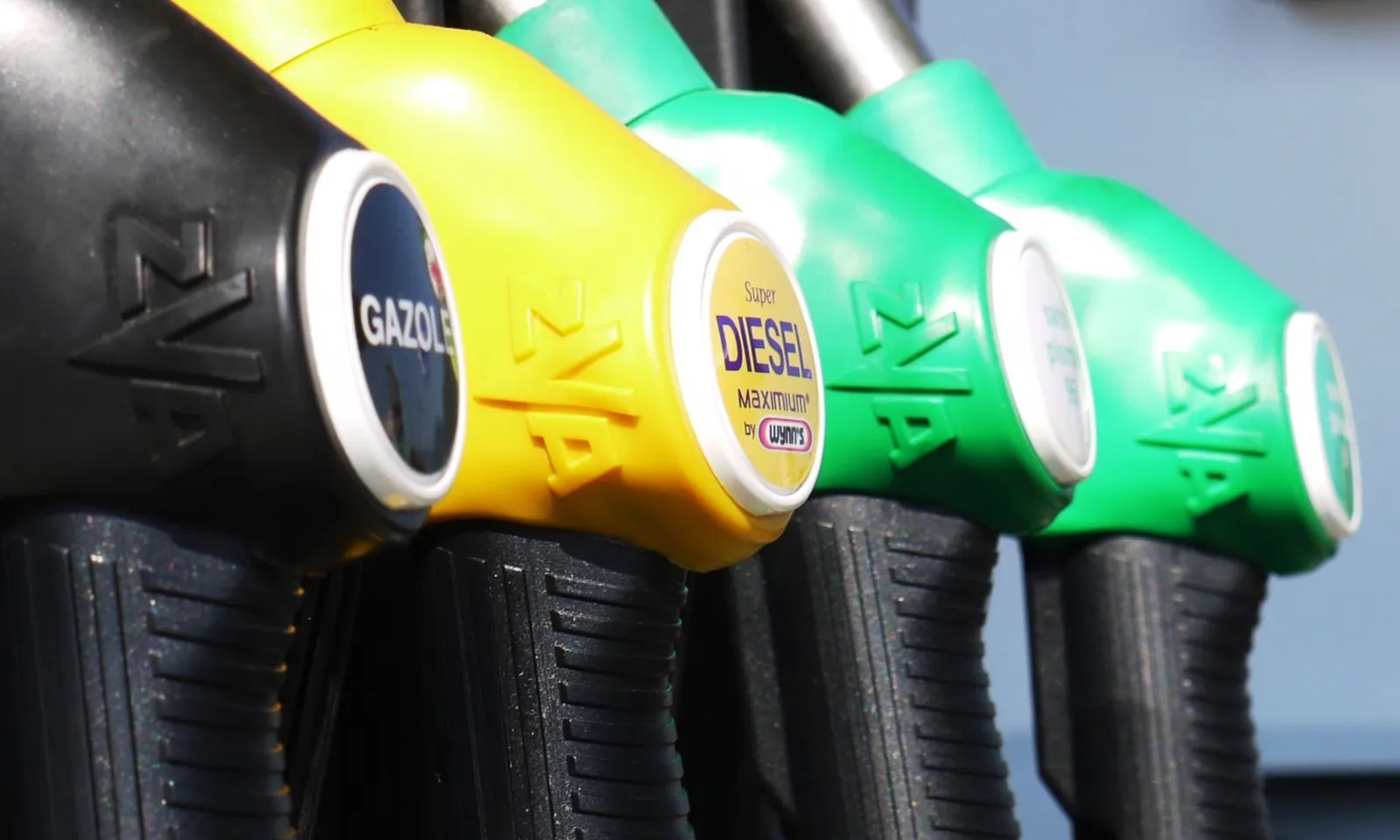
Spain is confronting Europe over gasoline and diesel cars: the decision to ban their sale starting in 2035 is once again under discussion.
13/11/2026 13:30
Updated to
13/11/2026 13:30
The possibility of continuing to sell gasoline, diesel, and hybrid cars after 2035 has caused a new split among European Union countries. Germany and France have reached an agreement to lower the environmental requirements set for that date, while Spain maintains a more restrictive stance. These differences affect both the permitted emission levels and the conditions that manufacturers must meet.
The Brussels timetable has now entered a critical phase, with several proposals on the table and negotiations that must be resolved between European governments and the Parliament. Although some reports cite Spain and Ireland as the main obstacles to the Franco-German agreement, the situation is more complex, especially since Dublin currently holds the rotating presidency of the EU Council.
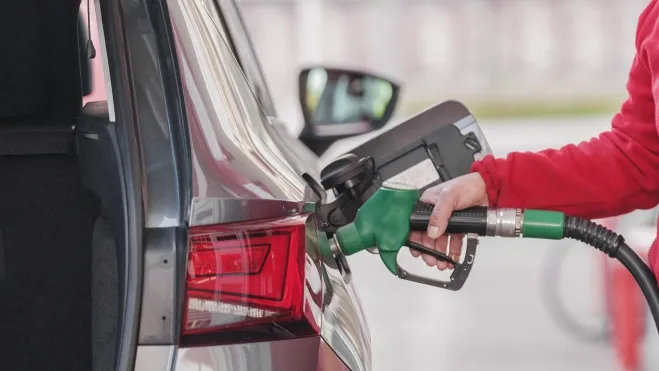
Spain maintains its stance while France and Germany agree to relax regulations
The Spanish government continues to uphold the decarbonization goals initially approved by the European Union. In June 2026, Spain signed a joint document with Denmark, France, Luxembourg, the Netherlands, Portugal, and Sweden calling for restrictions on exceptions to the regulations. However, France later changed its stance and agreed with Germany on a 90% reduction in CO2 emissions by 2035, without demanding additional compensation for the remaining 10%.
The understanding between Paris and Berlin, announced in October, also includes new conditions to support European manufacturing. These include requirements regarding the origin of vehicle components and their batteries, aimed at strengthening community production. This approach would allow for a greater presence of internal combustion engines in dealerships after 2035, although manufacturers would need to comply with the emission limits set for their total sales volume.
The Irish presidency has developed an alternative that retains the 90% cut, but requires offsetting the remaining emissions through alternative fuels and credits related to low-carbon steel and aluminum. According to information published by Bloomberg, it also includes flexibility measures for the 2030 targets. However, this document is a negotiating proposal among the Twenty-Seven and does not indicate that Ireland holds a national position identical to Spain’s.
The European Parliament proposes another solution, with December proving decisive
The European Parliament has also voiced support for amending the regulations, though under different conditions. On November 4th, its Environment Committee approved a proposal to reduce the emissions reduction target for 2035 to 87.5% by a vote of 48 in favor, 30 against, and two abstentions. Manufacturers could use credits for using low-carbon European steel, up to a maximum of 7.5 percentage points, to achieve an overall reduction of 95%.
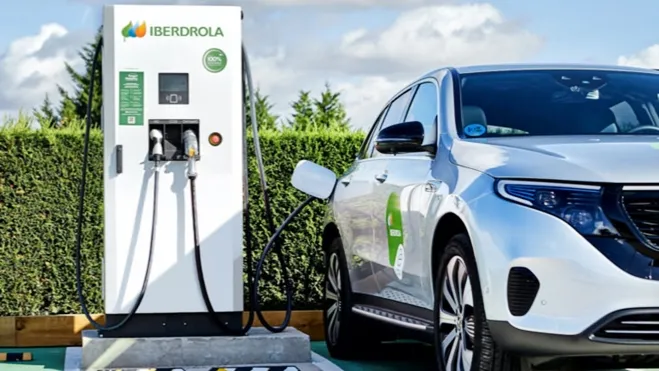
This initiative also includes additional incentives for certain electric vehicles manufactured in Europe and the possibility of recognizing as zero-emission vehicles those models that operate exclusively on renewable or low-emission fuels that meet the established requirements. Thus, the proposals from the Commission, the Parliament, and several member states agree on allowing some continuity for internal combustion engines, but differ on the compensations and obligations of manufacturers.
In any case, the effective ban on selling new passenger cars and vans that emit CO2 starting in 2035 remains in place, as the reform has not yet been approved. Current regulations require new passenger cars to reduce their average emissions by 55% by 2030 and by 100% by 2035 compared to the 2021 reference levels. The European Commission proposed in December 2025 to replace this latter target with a 90% reduction, requiring mandatory offsets for the remaining percentage.
The next negotiations are scheduled for December, with the aim of European governments reaching a common position and the Parliament voting on its mandate during that month’s plenary session. Afterwards, both institutions will need to agree on a final draft. As of now, there is no firm decision ensuring the continuation of sales of new internal combustion engine vehicles beyond 2035, although the main proposals under discussion aim to relax the restrictions.