
In 10 years, gasoline cars "will be nothing more than a hobby": a German minister argues that electric cars are the only future.

The future of gasoline and diesel cars is once again at the center of European debate. While manufacturers are calling for greater flexibility to continue selling internal combustion engines after 2035, Germany’s Environment Minister, Carsten Schneider, has made a bold prediction: electric vehicles will ultimately prevail, and traditional vehicles will be relegated to almost purely recreational use. This transformation, according to the politician, will occur regardless of the European Union’s regulatory decisions.
In an interview with the German newspaper Frankfurter Allgemeine Zeitung, Schneider stated that there will come a time when internal combustion engines will be nothing more than a hobby. His remarks are particularly striking because Germany is one of the world’s leading automobile producers, and because the minister himself admits he still uses a 13-year-old diesel vehicle for his personal trips. He also explained this circumstance during the conversation.
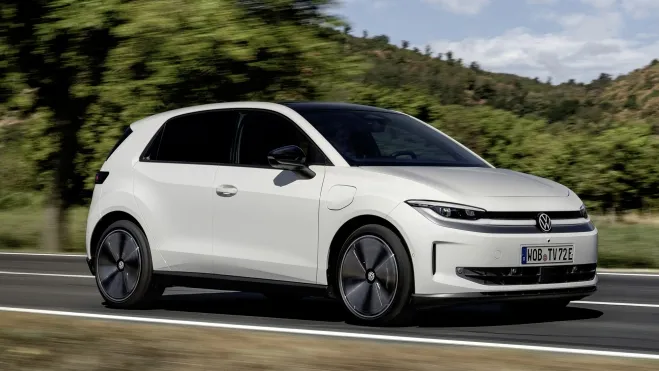
"There will come a time when the internal combustion engine will be, at most, a hobby."
Schneider is convinced that electric mobility will eventually dominate the market due to its own advantages, without the need to completely ban combustion alternatives. To illustrate this, he cites his old Simson motorcycle, which he keeps as a recreational vehicle and occasionally rides on weekends.
The minister believes something similar will happen with gasoline and diesel cars. He thinks consumers will ultimately opt for electric vehicles because of their driving experience and lower maintenance requirements. He even mentions a conversation with the finance director of a major insurance company, who expressed confidence that in 10 years, almost no one will want to buy a new car with a combustion engine.
These statements come at a particularly important time for the European automotive industry. Germany and France have supported relaxing the emission targets for 2035, which would allow certain internal combustion engines to remain on the market. Schneider does not believe this change will slow down the adoption of electric vehicles, as he is confident that their technological and economic competitiveness will ultimately prove decisive.
He criticizes Mercedes and Porsche for investing again in internal combustion engines
The German environment minister has also questioned the decisions of some manufacturers that are reinvesting in traditional engines. During the interview, he was specifically asked about Mercedes-Benz and Porsche, two companies that have revised part of their electrification strategies in light of changing demand.
Schneider considers this approach to be wrong. He claims that constantly switching strategies between electric and internal combustion vehicles is usually not a wise decision. He is also critical of Audi’s plans to manufacture traditional engines in the United States, arguing that they may not meet future buyer preferences.
His message to the German automotive industry is that relying again on conventional technologies could turn out to be a strategic mistake. The minister argues that the future belongs to electric propulsion systems and rejects the idea that manufacturers should receive special protection to artificially extend the commercial lifespan of internal combustion engines.
The minister supports electric vehicles but drives a 13-year-old diesel
One of the most interesting moments in the interview came when Schneider admitted that his family is currently using a 13-year-old diesel car. When asked about this, he explained that he doesn’t need to buy a new vehicle and that when the time comes to replace it, he believes the rational choice will be to opt for a fully electric one.
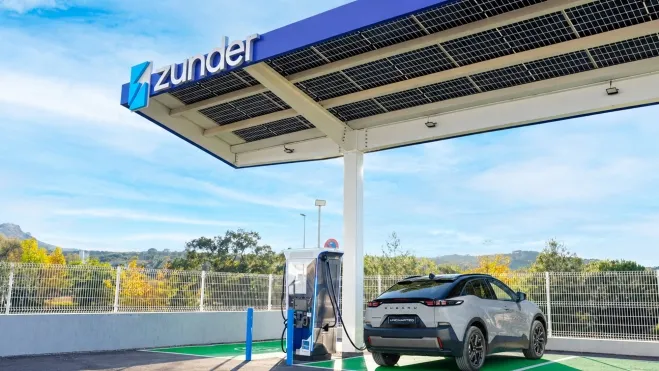
The minister also supports government subsidies for purchasing electric vehicles introduced in Germany. According to his statements, sales have increased by 75% since the introduction of these socially tiered subsidies, although this growth coincides with rising fuel prices as well.
He adds that there are sufficient funds to maintain the program through 2027. As an example of the increasing affordability of electric vehicles, he mentions the new Volkswagen ID. Polo, which, he explains, can be acquired through a subsidized leasing scheme for less than 200 euros per month.
Schneider also warns that oil and gas will tend to become more expensive in the long term, so he believes it is necessary to lower electricity prices to facilitate the transition. At the same time, he acknowledges that many citizens cannot switch to different cars immediately, which is why he justifies certain temporary measures to keep fuel prices in check.