
The MG4 Urban puts the regular MG4 in trouble: a test shows it uses far less fuel and has greater real-world range.
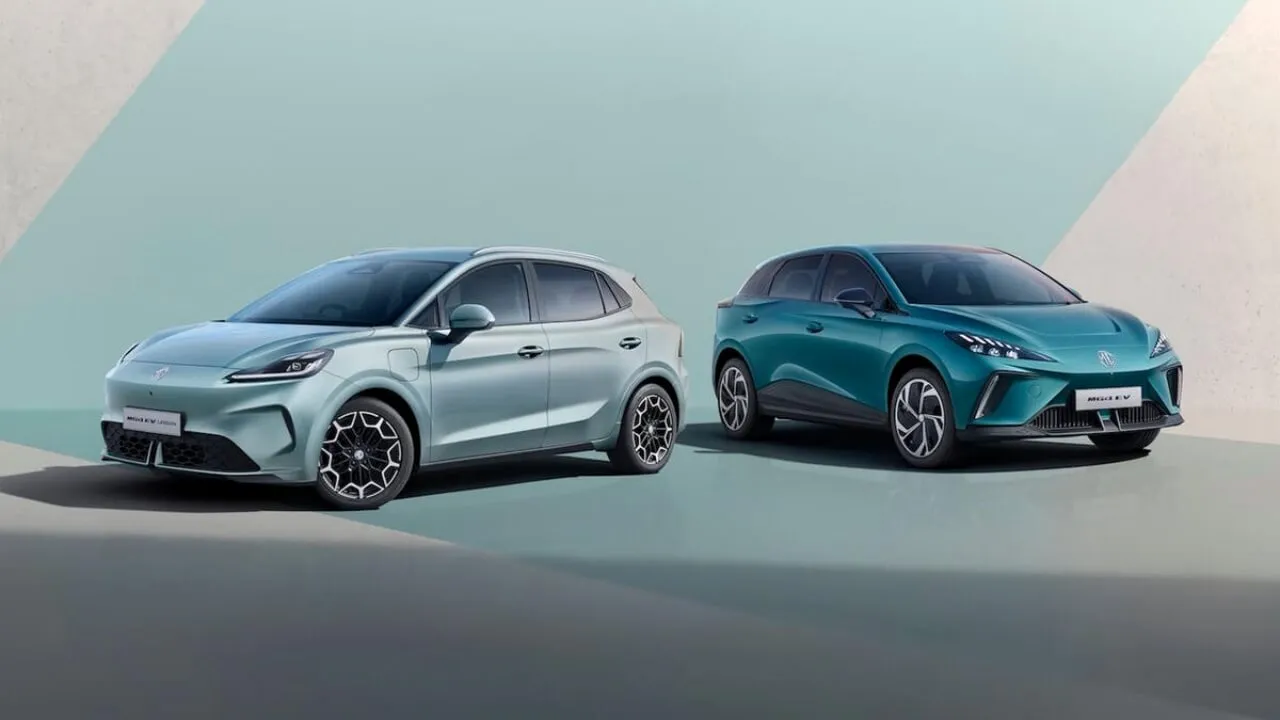
The new MG4 Urban arrives with a quite interesting proposition: an electric car that is more spacious, efficient, and cost-effective than the MG4 we already know. On paper, the conventional model still holds an advantage thanks to its larger battery, higher power, and higher certified range. But a comparison conducted in France revealed that the actual differences are much smaller than expected. And in some aspects, the cheaper model even manages to outperform its higher-end counterpart.
The test, conducted by Automobile Propre, pits the 64 kWh MG4 against the new 54 kWh MG4 Urban — two cars that share the same name but use completely different platforms and mechanical configurations. The result is particularly interesting because it shows just how much greater efficiency can compensate for a smaller battery capacity, whether in daily commuting or highway trips.
The most surprising aspect is that the MG4 Urban manages to offer better range in mixed driving conditions and can practically match the conventional MG4 on long journeys. All this despite having a battery with about 10 kWh less usable capacity and a lower selling price.
Two very different MG4s: the cheaper one focuses on efficiency
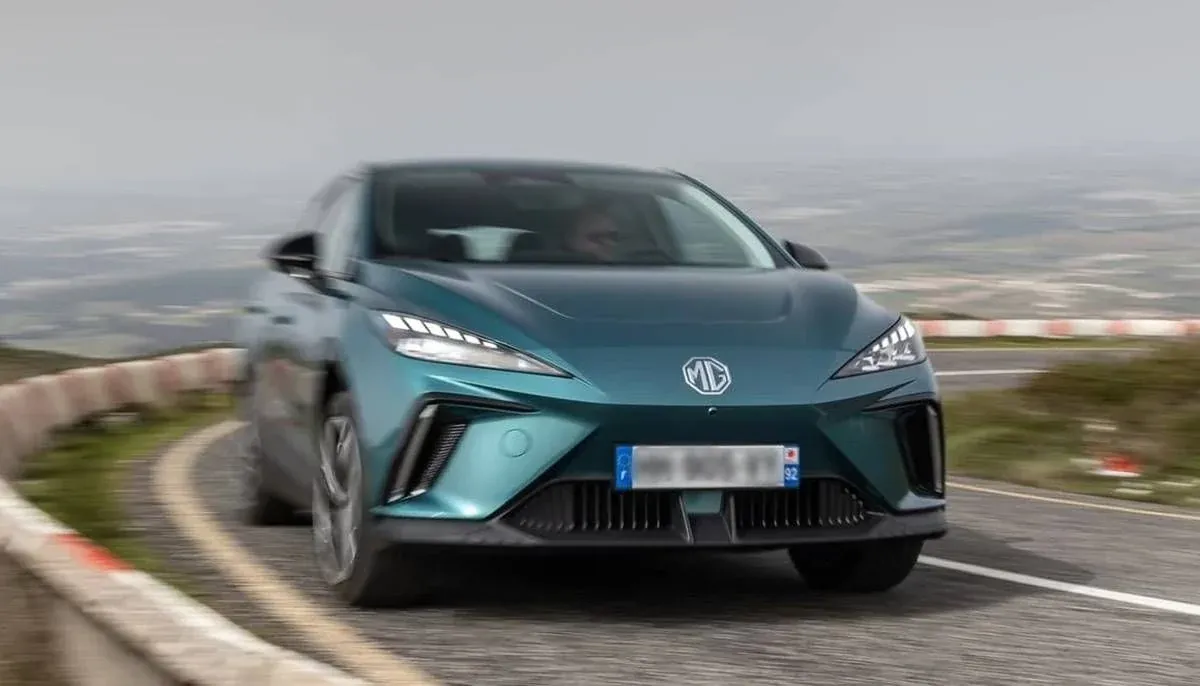
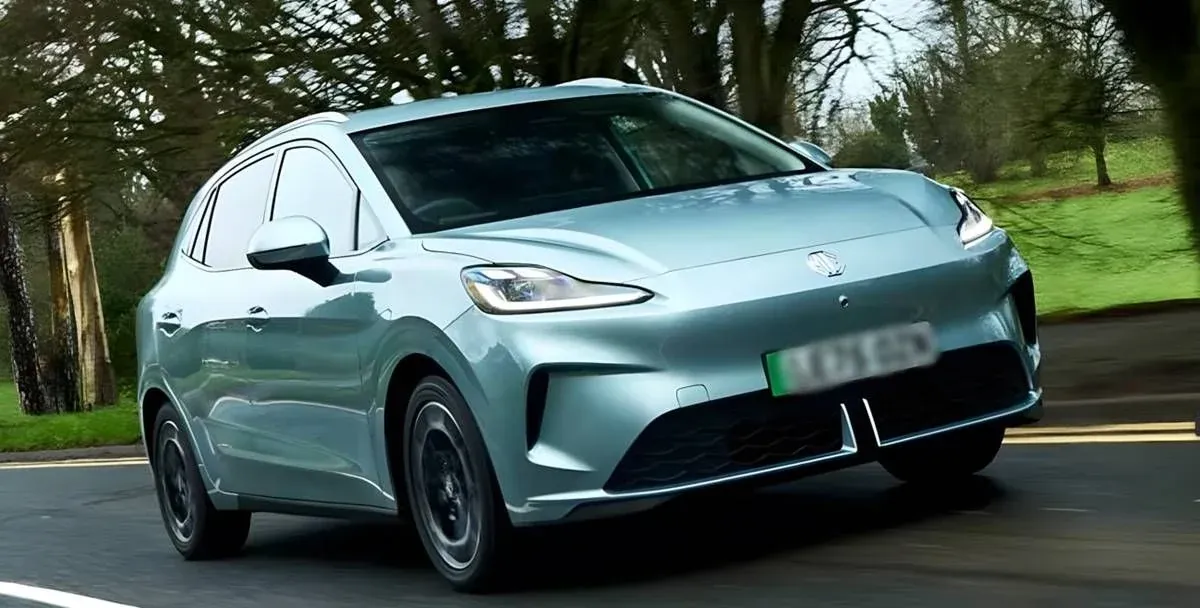
Although they share the same name, the two models have different approaches. The conventional MG4 uses the MSP platform with rear-wheel drive, while the Urban features the new E3 architecture designed for front-wheel drive models with a focus on reducing costs and fuel consumption.
According to MG, this new platform allows for the removal of about 20 meters of wiring, reducing weight and energy losses. This solution, combined with a less powerful engine, ultimately yields particularly interesting results.
The standard MG4 produces 140 kW (190 hp) and 350 Nm of torque, while the Urban version comes with 118 kW (160 hp) and 250 Nm. However, the Urban weighs 1,520 kg compared to 1,765 kg for its standard counterpart, a 245 kg difference that helps offset its lower power output.
In terms of acceleration, the MG4 retains its advantage. During tests, it managed to go from 0 to 100 km/h in 7.3 seconds, compared to 8.5 seconds for the Urban. In acceleration from 80 to 120 km/h, the difference was also relatively small: 5.9 seconds versus 6.5 seconds.
The differences are more significant in terms of batteries. The standard MG4 uses a LFP pack with 64 kWh of gross capacity, yielding 62.6 kWh of usable energy, which allows it to achieve 452 kilometers of WLTP range. The Urban version is equipped with a LFP battery as well, but with 54 kWh of gross capacity and 52.5 kWh of usable energy, claiming 405 kilometers of WLTP range.
Thus, on paper, there is a 47-kilometer range difference in favor of the standard model. However, real-world measurements change the picture quite a bit.
In mixed driving conditions, the MG4 Urban achieved a consumption of just 13.4 kWh per 100 kilometers, compared to 16.9 kWh per 100 kilometers for the 64 kWh MG4. This means the more economical model uses about 21% less energy.
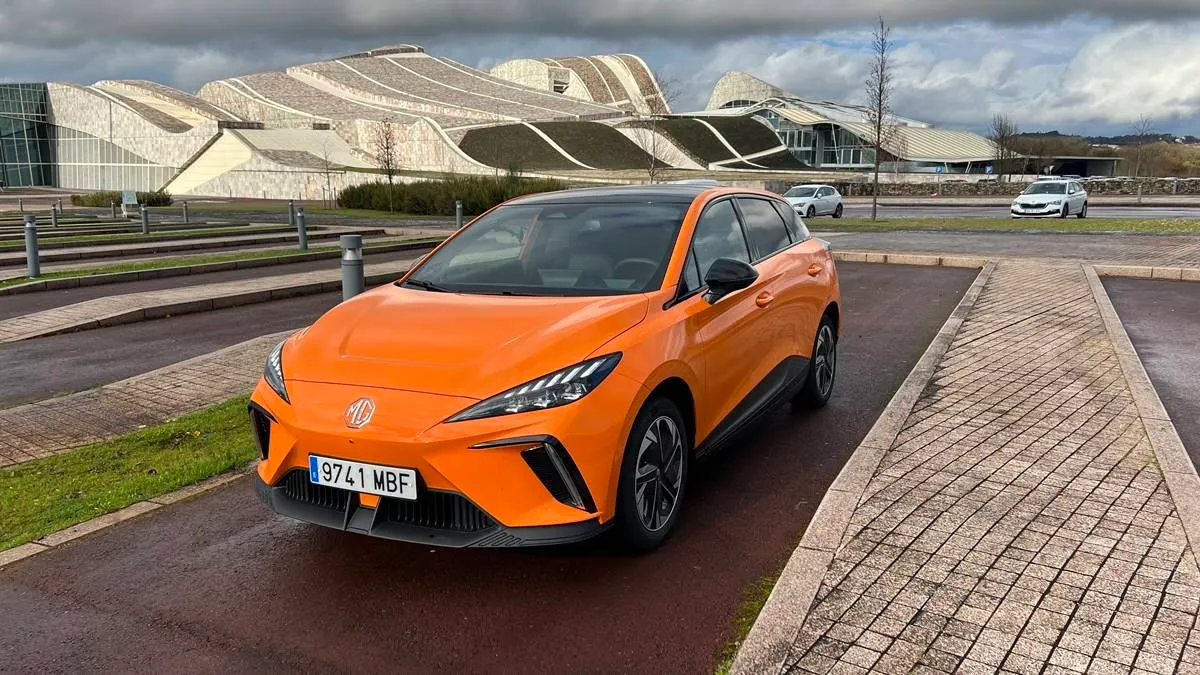
Thanks to this difference, the Urban achieves a theoretical range of 390 kilometers, while the regular MG4 comes in at 370 kilometers. In other words, the car with the smaller battery ends up offering 20 kilometers more range.
In urban conditions, the advantage for the Urban is even greater, with a fuel consumption of 10.8 kWh/100 km and an estimated range of 485 kilometers. The regular MG4 shows 13.8 kWh/100 km and 455 kilometers of range.
On regular highways, the Urban also wins, with 13.2 kWh/100 km compared to 16.3 kWh/100 km, although in this scenario the larger battery allows the regular MG4 to cover a slightly greater distance.
The situation changes when we increase the speed. At 130 km/h, the regular MG4 shows a fuel consumption of 24.0 kWh/100 km, while the Urban model comes in at 21.5 kWh/100 km. The efficiency difference remains significant, but the larger battery allows the MG4 to achieve a range of 260 kilometers, compared to 235 kilometers for the Urban.
In a long-distance driving simulation with more varied highway conditions, the regular MG4 recorded 23.2 kWh/100 km and a range of 270 kilometers. The Urban model again consumed less, at 20.4 kWh/100 km, but its range was only 260 kilometers, 10 kilometers less.
Actual range and consumption results
Type of route
MG4 64 kWh
MG4 Urban 54 kWh
Regular road
16.3 kWh/100 km
13.2 kWh/100 km
Road range
385 km
400 km
Highway speed: 130 km/h
24.0 kWh/100 km
21.5 kWh/100 km
Range at 130 km/h
260 km
235 km
Consumption on long trips
23.2 kWh/100 km
20.4 kWh/100 km
Range on long trips
270 km
260 km
Mixed consumption
16.9 kWh/100 km
13.4 kWh/100 km
Range in mixed conditions
370 km
390 km
Urban consumption
13.8 kWh/100 km
10.8 kWh/100 km
Urban range
455 km
485 km
Prices in Spain*
38,190 euros
27,990 euros
*Prices before subsidies and promotions
These results also highlight the differences compared to the WLTP certification. While the Urban version is only about 3.3% below its official range in mixed driving conditions, the regular MG4 shows a deviation of nearly 18%.
Aerodynamics also helps explain the result. The conventional MG4 has a drag coefficient of 0.279, while the Urban manages to reduce it to 0.263. Despite having a slightly larger front surface area, the new model offers lower overall aerodynamic resistance.
The surprise comes in long trips: only a few minutes of difference
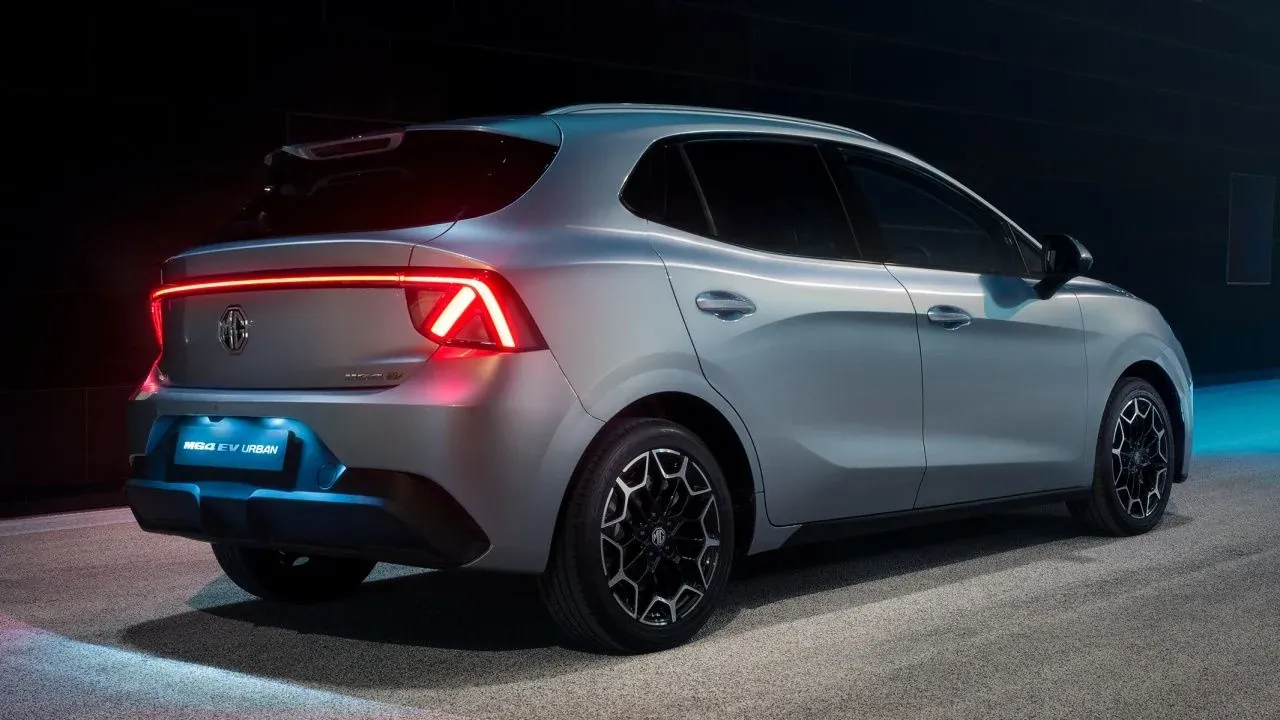
One area where the conventional MG4 should have a clear advantage is fast charging. Its battery supports a maximum advertised power of 154 kW, whereas the Urban is limited to 88 kW.
The measurements confirmed this difference. The MG4 reached a peak of 165 kW, with an average power of 108 kW between 10% and 80% charge. The Urban reached 88 kW, maintaining an average of 87 kW during the same interval.
However, the final times are practically identical. The conventional MG4 takes 27 minutes to go from 10% to 80% charge, while the Urban completes the process in 28 minutes. The reason is that the latter has a smaller battery and needs to recover less energy.
To see how this affects a real trip, the French publication simulated a 500-kilometer highway journey between Lyon and Paris, including the necessary charging stops.
The conventional MG4 completed the journey in 5 hours and 8 minutes, with 40 minutes spent charging. The Urban took approximately 5 hours and 14 minutes, requiring 44 minutes of charging.
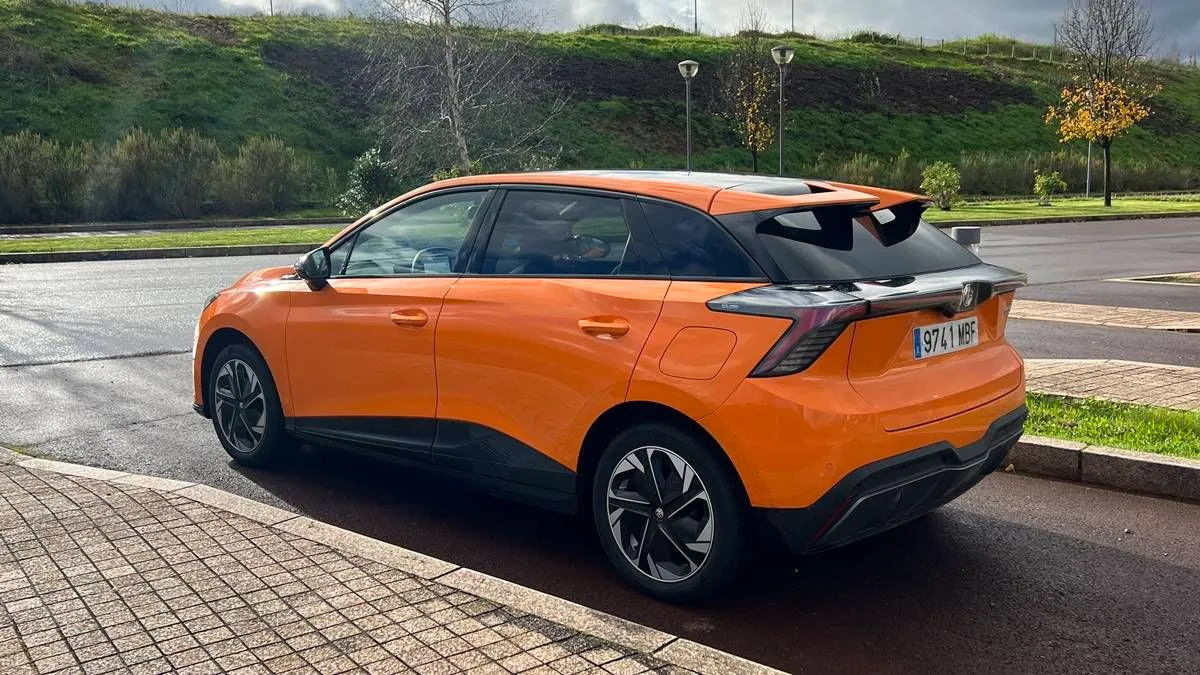
The final difference was just six minutes. This is a quite remarkable result considering that the conventional MG4 has a larger battery, higher charging power, and is designed more for long-distance travel.
The Urban also offers economic advantages during use. With mixed driving conditions and home charging, the estimated cost is around 3.0 euros per 100 kilometers, compared to 3.6 euros for the conventional MG4.
On the highway, using fast chargers at a rate of 0.59 euros/kWh, the Urban is also more cost-effective, with an estimated cost of 13.3 euros per 100 kilometers, compared to 15.1 euros for its sibling model.
But the Urban’s advantages don’t end with fuel consumption. Its new front-wheel-drive platform allows for better utilization of interior space, especially in the rear seats, where it offers about five extra centimeters of legroom.
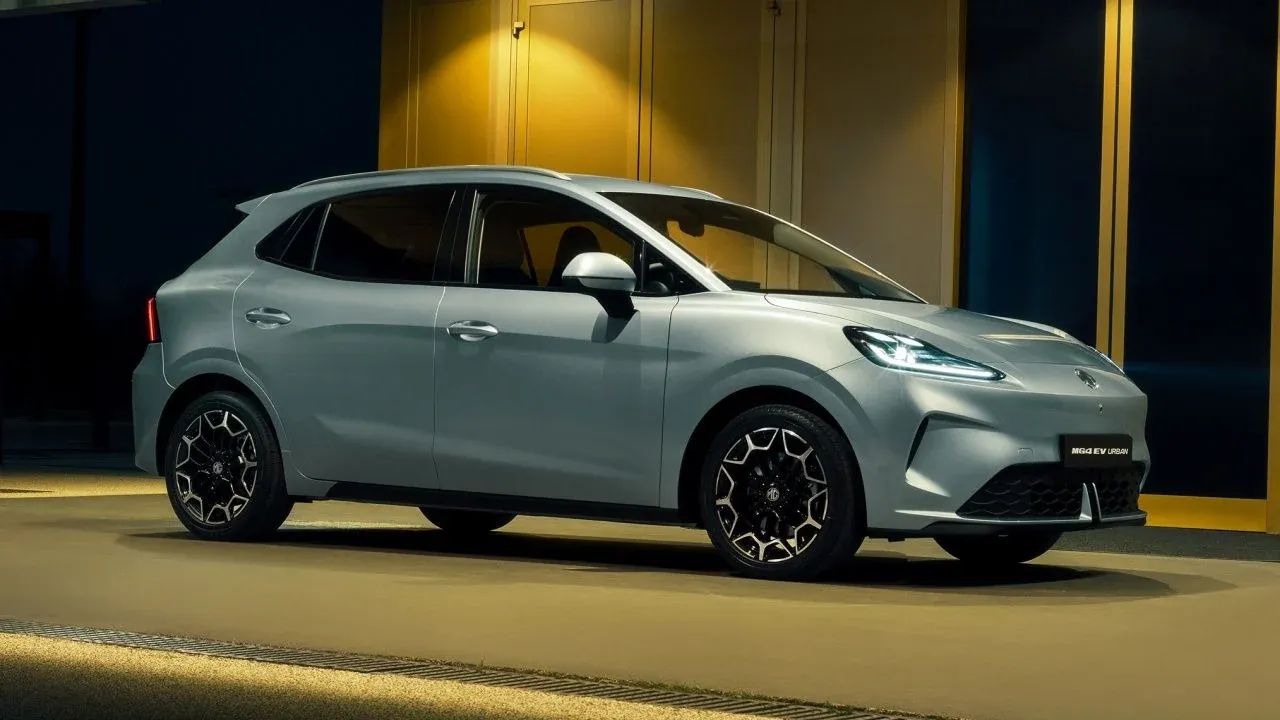
The trunk is also significantly larger. The Urban offers up to 480 liters of capacity, including a 98-liter lower compartment, whereas the standard MG4 provides around 350 liters. This is a significant difference for those looking for a family-friendly and practical electric car.
The standard MG4 boasts a higher perceived interior quality, better materials, superior sound insulation, and a more sporty dynamic performance. It also offers more effective braking: it took 60.7 meters to stop from 130 km/h, compared to 64.5 meters for the Urban.
As for prices, the standard MG4 Premium with a 64 kWh battery costs 38,190 euros, while the Urban with a 54 kWh battery is priced at 27,990 euros, and the Urban Premium at 30,990 euros. These are prices before any subsidies or promotions.
The Urban also comes in more affordable versions, with a 43 kWh Comfort variant starting at 25,490 euros and a 54 kWh Comfort variant starting at 27,990 euros.
The conclusion of the comparison is that the MG4 Urban can become a more attractive alternative to the regular MG4 for many buyers. It consumes less, offers more interior space, has a significantly larger trunk, and is more cost-effective.
The traditional MG4 remains a more appealing option for those who value performance, rear-wheel drive, and a more sporty driving experience. It also retains a certain advantage in range at high speeds.
But for those looking for a practical, efficient electric car capable of handling occasional trips without much hassle, the Urban shows that a smaller battery doesn’t necessarily mean a lower quality of use.
And that’s probably the most interesting outcome of this test: the MG4 Urban doesn’t need a larger battery or more powerful charging to offer a competitive alternative to its higher-end sibling. Its greater efficiency makes up for much of that difference, demonstrating that in an electric car, making better use of each kWh can be just as important as having more capacity.