
The electric Land Rover Defender already has a release date: smaller, with all-wheel drive and a highly anticipated design
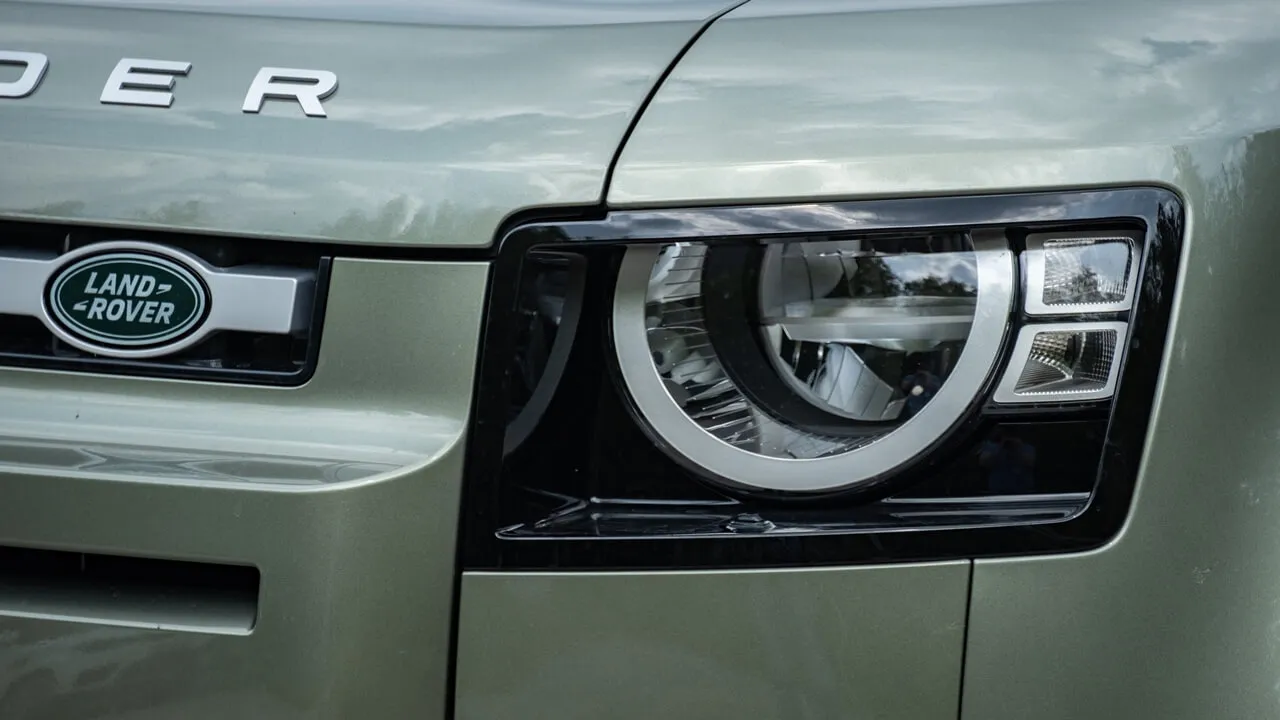
Land Rover is preparing one of the most significant updates in its recent history. The British manufacturer is working on a new version of the Defender that will join the lineup below the current models. This vehicle will retain much of the personality of the iconic off-roader but feature a more compact design and entirely new technology.
Now, Jaguar Land Rover (JLR) has officially confirmed that the new electric Defender will begin production at the end of 2027. Manufacturing will take place at the company’s Halewood plant near Liverpool, where the Range Rover Evoque and Discovery Sport are currently assembled. Both models will be replaced by a new generation of vehicles, which will also include the future Range Rover GT.
Although it still doesn’t have an official name, everything suggests it will be marketed as Defender Sport, following the brand’s tradition of using this name for its smaller models. Another possibility is that it will be called Defender 80, positioning it below the current Defender 90, 110, and 130.
A more compact, electric Defender ready for off-road use
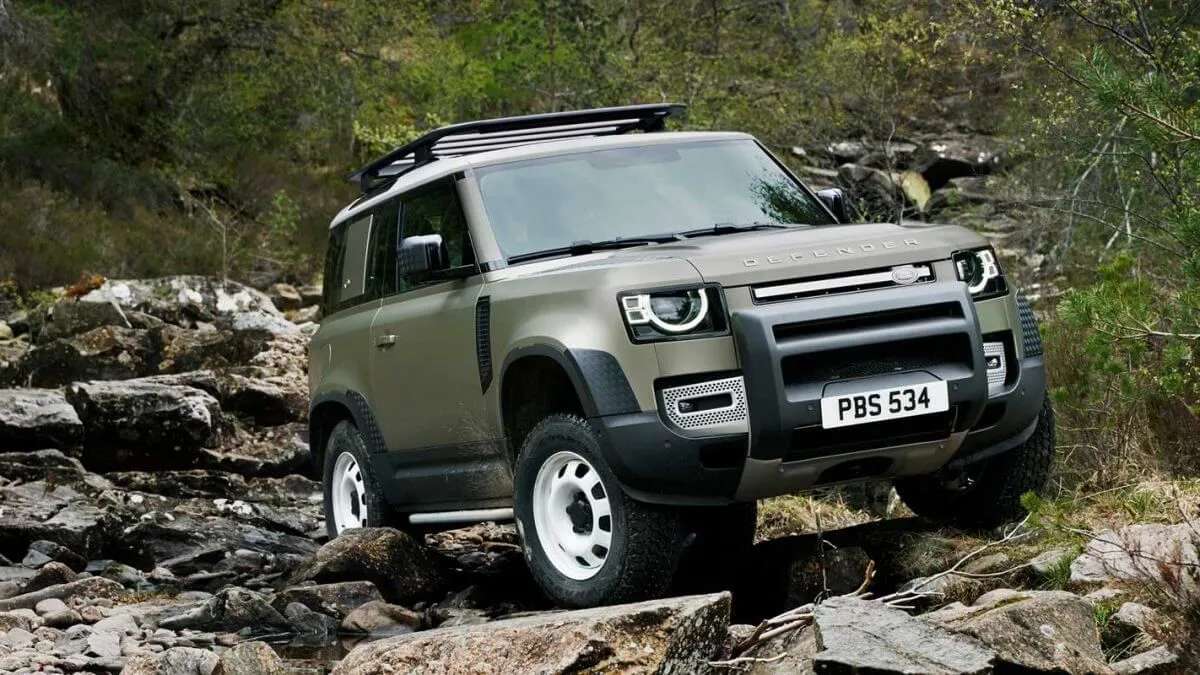
The new Defender won’t simply be an electric version of the current Defender 90. Land Rover is developing a completely new vehicle, with a body design tailored for an electric vehicle platform and smaller dimensions, aiming to attract buyers who want the look and capabilities of a Defender but don’t need a large SUV.
According to early reports, its length will be slightly over 4.50 meters, placing it in the compact SUV segment. Its design will retain the main features of the Defender, including a boxy body shape, a vertical front end, and a robust appearance, though changes will be needed to improve aerodynamics and reduce energy consumption.
This will undoubtedly be one of the main challenges of the project. The Defender has always been known for its straight lines, high height, and a body design aimed at overcoming obstacles. This approach is not exactly ideal for achieving good range in an electric vehicle, so engineers will need to find a balance between efficiency and off-road capabilities.
To develop it, JLR will use the new EMA platform, which will also serve as the basis for the future Range Rover GT. This architecture allows the battery to be placed under the floor and is designed to accommodate various propulsion systems, though initially the Defender will be available only in electric version.
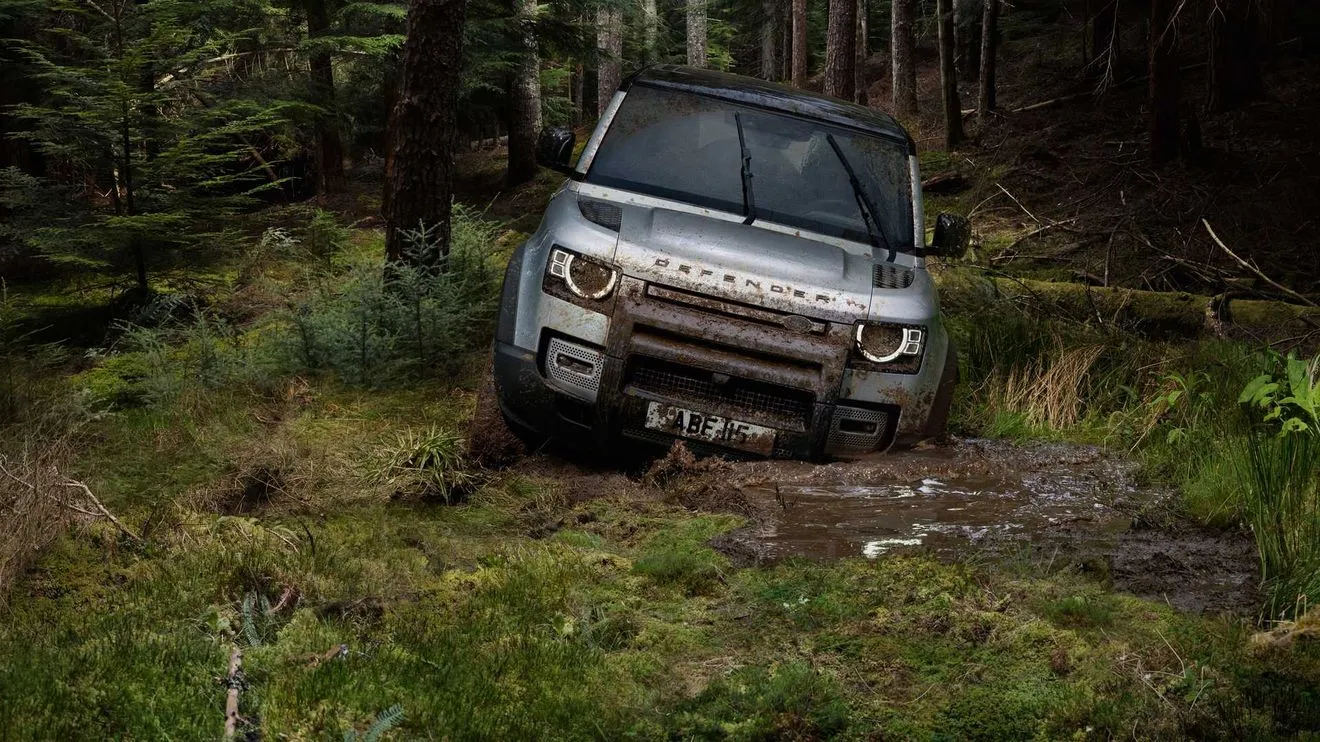
One of the most interesting aspects will be its traction system. Land Rover wants to maintain the off-road capabilities that have made the Defender a benchmark, so it will feature all-wheel drive, likely through two electric motors, one on each axle. This configuration will enable independent control of power delivery and improve traction on difficult surfaces.
That said, its smaller size and the battery’s location under the cabin will mean some trade-offs. The new model is likely to have a lower suspension travel and articulation range compared to the regular Defender, although the brand claims it will still offer outstanding off-road performance for its class.
For now, JLR has not confirmed the power output, battery capacity, range, or charging speed. We will learn these details as the launch approaches, but they will be particularly important for a vehicle whose body design and off-road focus pose additional challenges to efficiency.
The new Defender will also play a key role in Jaguar Land Rover’s restructuring effort to establish Defender as a brand with its own identity, on par with Range Rover and Discovery. The goal is to gradually expand its lineup without relying solely on the different body styles of the current model.
With this launch, Land Rover aims to bring the Defender to a broader audience, especially in Europe, where the size of traditional SUVs can be impractical for daily use. A smaller, electric Defender with genuine off-road capabilities could become an interesting alternative for those seeking something different from conventional electric SUVs.
The big question will be to see how well Land Rover can preserve the original Defender’s character in a more compact vehicle built on an electric platform. If it manages to retain much of its off-road capabilities without increasing fuel consumption or price, it will have strong arguments to make a foothold in an increasingly competitive market.